








ETG GmbH
European Technology Group
Now is the perfect time
to own the best metal detector.
We offer expert sales and support
for metal detectors and prospecting
gear worldwide

ETG GmbH
European Technology Group
Now is the perfect time
to own the best metal detector.
We offer expert sales and support
for metal detectors and prospecting
gear worldwide

Exclusive agents for major international brands
Best Metal Detectors in The World
Find The Best Metal Detectors From European Technology Group
European Technology Group is specializing in metal detectors. The company is based in Germany, the world's most powerful industrial country with high-quality industries. It offers the best prices, fast shipping worldwide, and online customer service from a team of specialized engineers.
Our Team Of Experts
The world's top company specializing in metal detectors, raw gold detectors, and groundwater detectors. The company is located in Germany, the world's most industrialized nation. The European Technology Group offers products at the lowest prices and fastest shipping methods. The European Technology Group also boasts extensive experience in the field, with a professional team of engineers and staff working in the field, providing the highest levels of excellence and advice to customers in choosing the metal detector that best suits the needs of each prospector.
We have pleasure to arrange a meeting with you if you need any clarification if you have confusions regarding any device from your collection.
Best Selling Metal Detectors
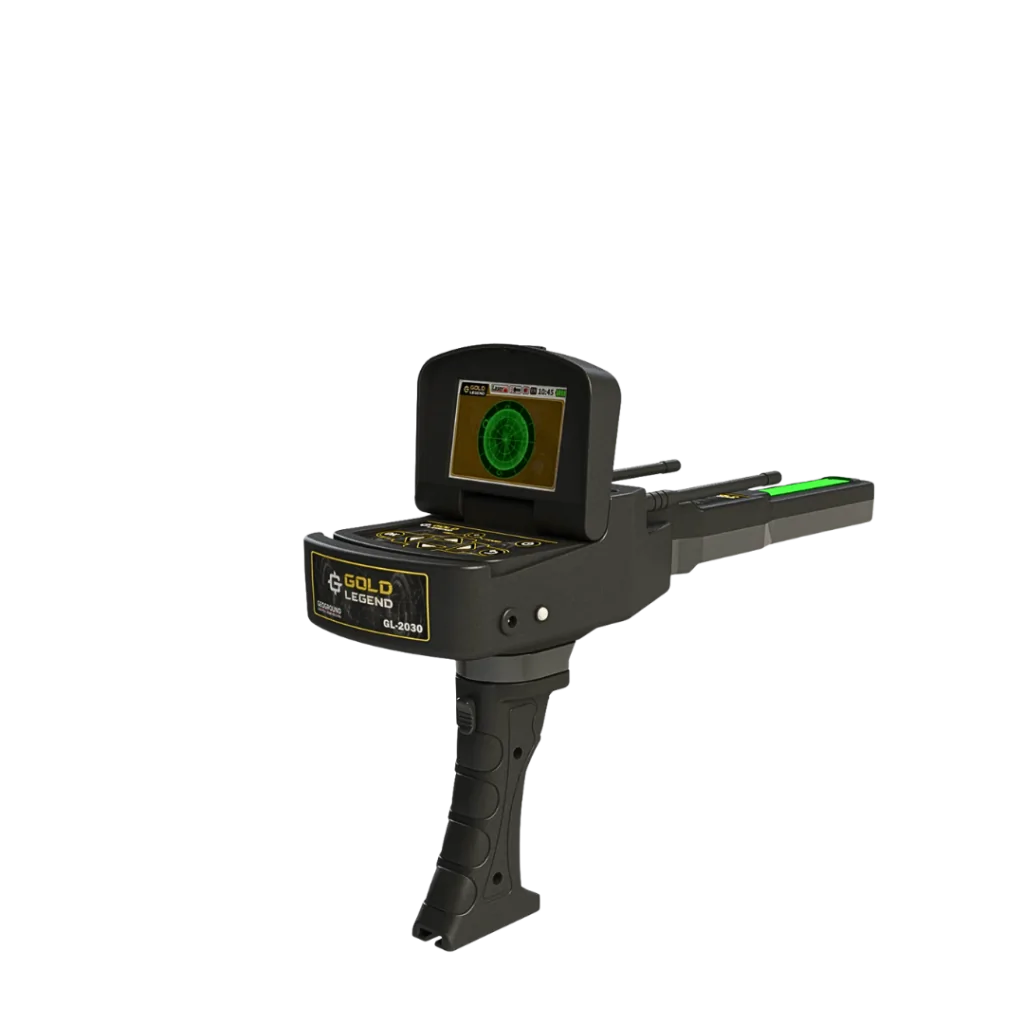
Gold Legend
Gold Legend Metal Detector from Germany. Ideal for treasure hunting, gold detection, and professional metal
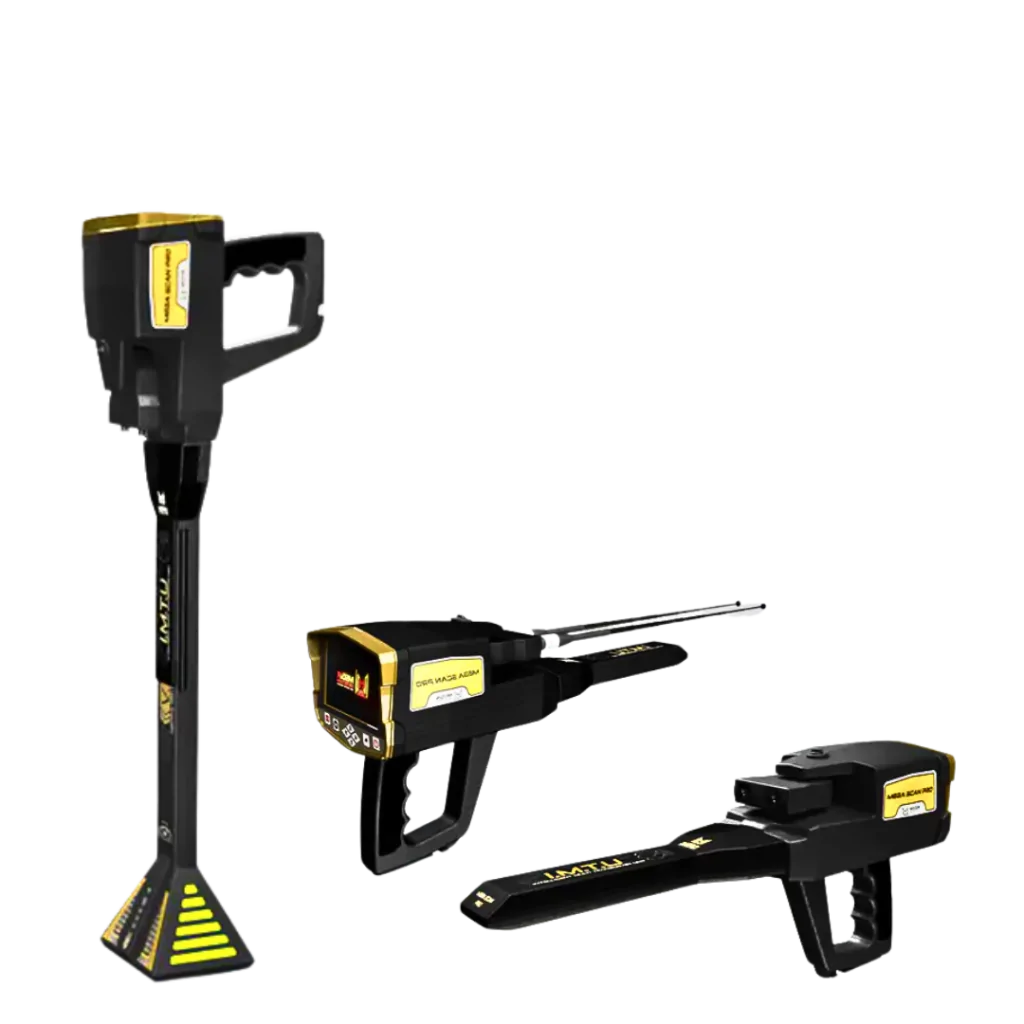
Mega Scan Pro
Mega Scan Pro detects gold, silver & cavities at extreme depths. New Edition with 6 technologies &
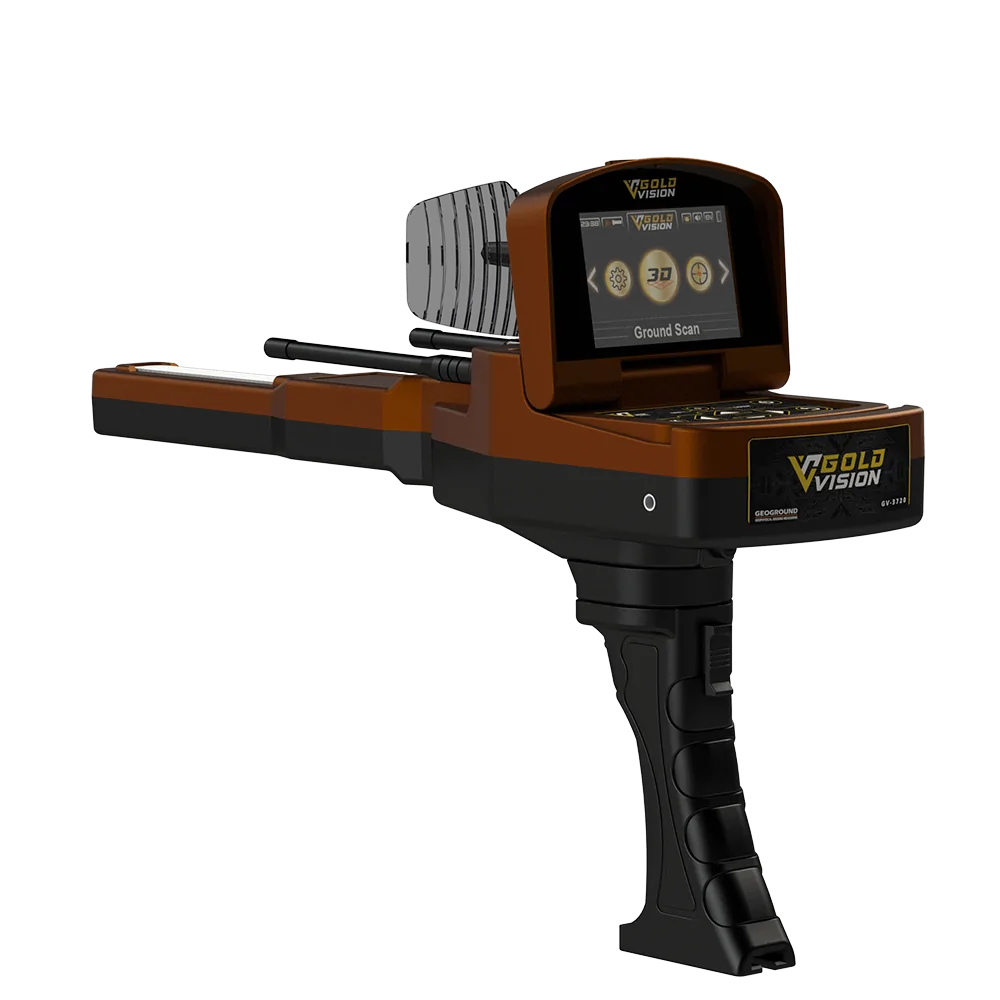
Gold Vision
Gold Vision – professional gold detector with 40 m depth and 3 km range, made in Germany
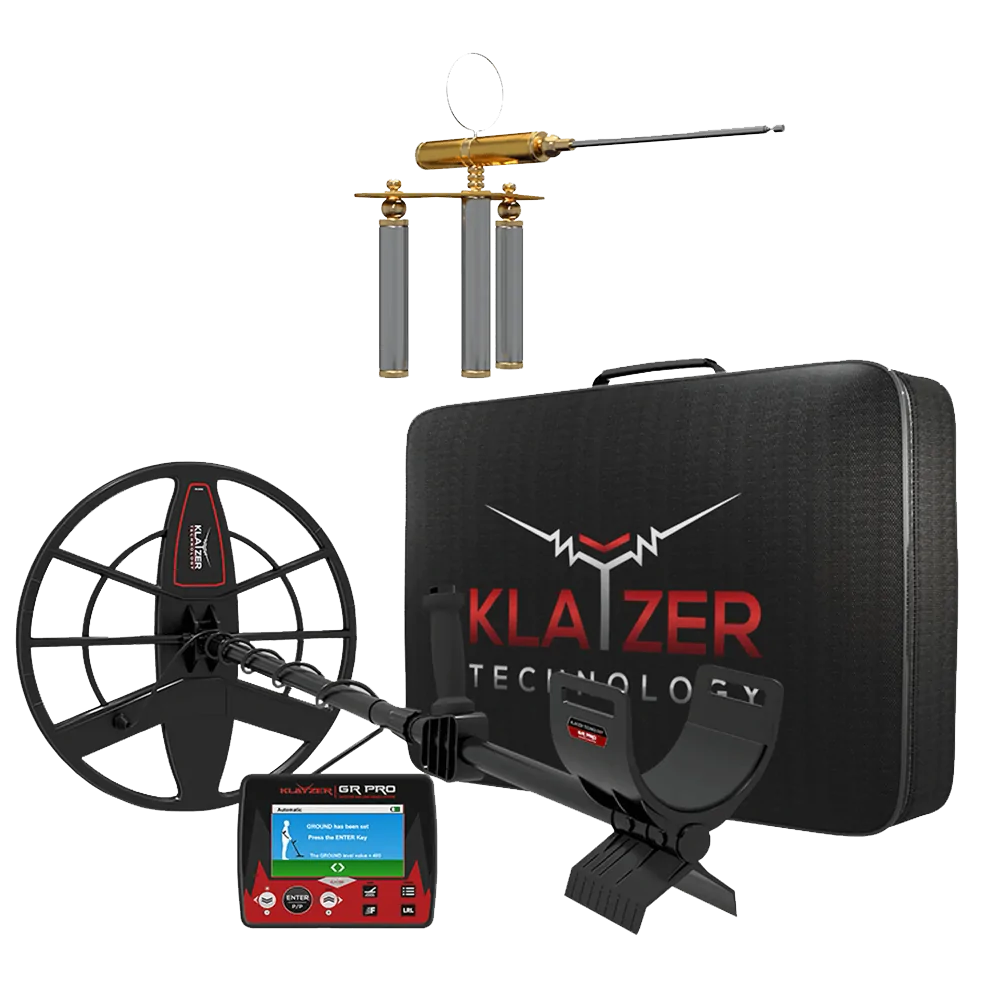
Klayzer Gr Pro
Klayzer Gr Pro – advanced gold detector for deep, accurate treasure and gold hunting.
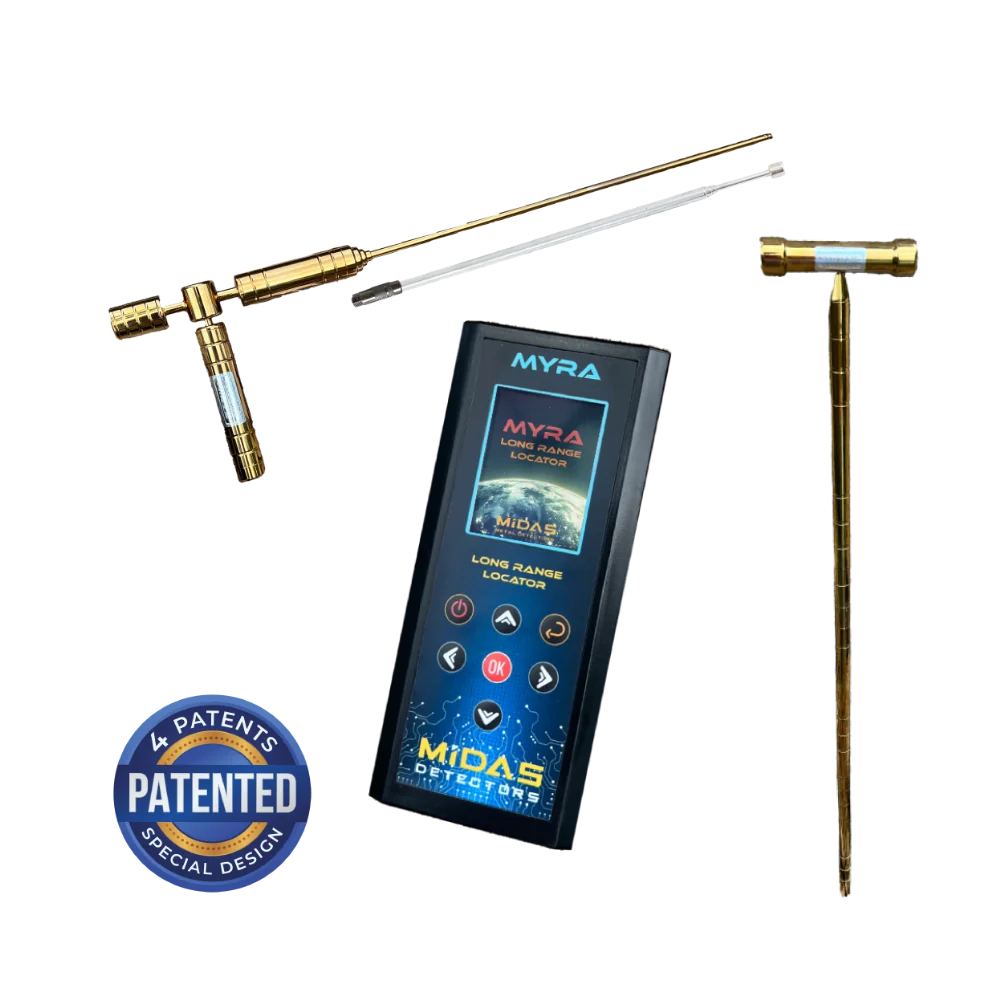
How to Purchase BEST metal Detector
SEARCH
CHOOSE
PAY
RESEARCH
which detectorist are you ?
Choose Your Best Metal Detector
European Technology Group is the first global company specialized in German and international metal detectors, and is based in Germany, and is the world -leading country in technology and fine industries. The company provides competitive prices, quick charging services for all countries of the world, and online training provided by a specialized engineering team.
Nokta Magnetar 9000
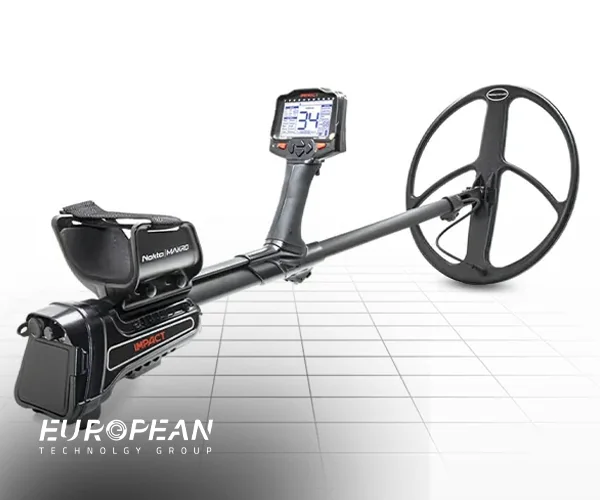
Nokta MAGNETAR 9000 gold detector with advanced pulse induction technology for gold detection
Gold Stinger X6
Explore Gold Stinger X6 depth, performance, and advanced search systems with price details
THE BEST COMPANY FOR TRADING METAL DETECTORS IN GERMANY
Specialized engineers and experts
A team of engineers specialized in metal prospecting
The largest exhibition in Germany
A wide range of German gold and metal detectors
Maintenance services
Our team provides free warranty and maintenance services.
Best Price Guarantee
With discounts on all types of metal detectors
Metal detector research systems
The best search systems in the world for best metal detectors with advanced multiple detection systems, very accurate and effective to detect metal, treasures and voids at the best prices and the highest quality.
METAL SCANNER MACHINES
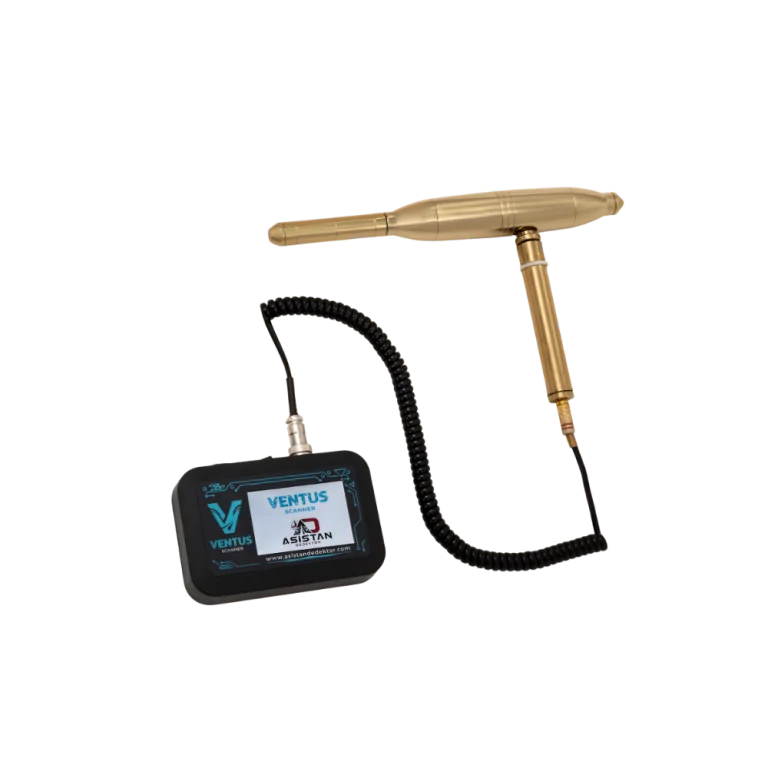
Locate your target before digging using the latest 3D imaging metal detectors with advanced scanning technology
LONG RANGE METAL DETECTORS
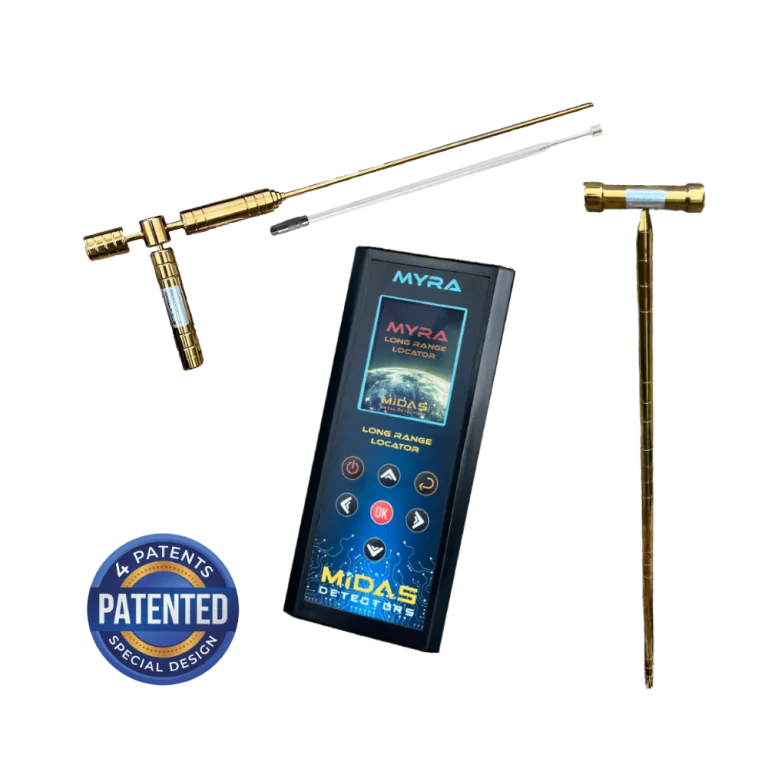
Long-range sensing devices detect metal and treasures quickly and accurately, even in the toughest environments
VLF METAL DETECTORS
VLF system detectors most famous types of devices, due to their ease of use, ability to discover different types of minerals
Blogs
Useful information from our blogs on using best metal detectors and water detectors, as well as general blogs on the history of detectors and the techniques used in their manufacture
BEST METAL
DETECTOR
BRANDS
Q & A
The most common questions in the field of metal detectors we put in your hands at the hands of our experts to summarize you the most important solutions in the field of metal detectors and archaeological treasures.
Metal detectors can be accurate in difficult terrain, but their effectiveness depends on several key factors:
✅ Factors That Affect Accuracy in Difficult Terrain:
Soil Mineralization:
High mineral content (common in volcanic or iron-rich soils) can cause false signals.
Detectors with ground balancing (manual or automatic) help reduce this issue.
Terrain Type:
Rocky, uneven, or highly vegetated areas make it harder to maintain a consistent sweep and depth.
Smaller coils can help in tight spaces but may sacrifice depth.
Detector Quality:
High-end detectors (like Minelab GPX or Garrett ATX) are designed to handle tough terrain and mineralization better.
Cheaper models often lack the sensitivity and filtering needed in challenging environments.
Coil Type & Size:
DD coils handle mineralization better than concentric coils.
Smaller coils are more accurate in trashy or confined spaces.
Larger coils go deeper but can be less effective in highly mineralized areas.
User Skill:
Experienced users know how to interpret signals, adjust settings (threshold, sensitivity, ground balance), and use proper sweep technique.
⚠️ Limitations in Difficult Terrain:
False positives from hot rocks or iron-rich soil.
Reduced depth detection in wet, clay-rich, or compacted ground.
Physical barriers like dense brush, boulders, or steep slopes can make scanning difficult or incomplete.
🛠️ Tips for Better Accuracy:
Use a pulse induction (PI) detector for high mineralization.
Frequently adjust ground balance as terrain changes.
Sweep slowly and methodically.
Wear headphones to better hear faint signals.
✅ Summary:
Gold detectors can be accurate in difficult terrain, but performance depends on equipment quality, terrain characteristics, and user skill. For best results, use a high-quality detector suited to the terrain type and take time to learn its signals and features.
The best metal detector for beginners strikes a balance between ease of use, affordability, and performance in locating small gold nuggets, especially in mineralized soil. Here are some of the top beginner-friendly gold detectors in 2025:
✅ Top Gold Detectors for Beginners (2025)
1. Minelab Gold Monster 1000
Why it's great for beginners:
Fully automatic operation (turn on and go)
Excellent sensitivity to small gold nuggets
Handles mineralized soil well
Lightweight and easy to use
Pros:
High-speed 45 kHz VLF detector
Comes with two coils (5" and 10")
Automatic ground balance
Price: ~$800–$950
Best for: Beginners serious about gold prospecting
2. Garrett Goldmaster 24k
Why it's great:
User-friendly interface with advanced features
48 kHz frequency – excellent for small nuggets
Ground Grab ground balance feature
Pros:
Manual and auto ground balance
Backlit screen
Lightweight
Price: ~$700–$900
Best for: Beginners who want room to grow their skills
3. Fisher Gold Bug 2
Why it's great:
Extremely sensitive to very small gold
71 kHz operating frequency
Pros:
Lightweight
Manual ground balance for fine-tuning
Cons:
Steeper learning curve than fully automatic models
Price: ~$700–$900
Best for: Beginners with a bit more patience or interest in learning manual settings
4. Minelab Vanquish 540 (with V10/V12 Coil)
Why it's included:
While not a dedicated gold detector, it's a solid all-around detector with some gold-finding capabilities
Extremely beginner-friendly
Pros:
Multi-IQ technology (multi-frequency)
Easy-to-use LCD interface
Price: ~$500
Best for: Beginners who want an all-purpose machine (coins, relics, gold)
🏆 Best Overall Pick for Beginners: Minelab Gold Monster 1000
Most beginner-friendly with excellent gold performance
Very popular in goldfields around the world
💡 Buying Tips for Beginner Gold Prospectors:
Choose VLF over PI unless you're prospecting very deep or in highly mineralized soils.
Look for auto ground balance to save frustration.
Always wear headphones for faint signals.
Invest in a good pinpointer and digging tools.
Metal detectors come in several types, each using different technologies to locate gold, whether it's in nugget form near the surface or deep underground in veins or deposits. Here are the main types:
1. Very Low Frequency (VLF) Detectors
Best for: Small gold nuggets near the surface (up to ~1 meter).
How they work: They use two coils – a transmitter and a receiver – to detect conductive materials like gold.
Pros:
Good at distinguishing gold from iron and trash.
Lightweight and affordable.
Cons:
Struggles in highly mineralized soil.
Not ideal for deep detection.
Popular models: Fisher Gold Bug, Garrett AT Gold, Minelab Gold Monster 1000.
2. Pulse Induction (PI) Detectors
Best for: Deep gold nuggets and areas with high mineralization.
How they work: Uses short magnetic pulses to penetrate deep into the ground, then listens for response signals.
Pros:
Excellent depth detection.
Works well in tough ground conditions.
Cons:
Heavier and more expensive.
Less discrimination – detects all metals, not just gold.
Popular models: Minelab GPX 6000, Garrett ATX.
3. Multi-Frequency (or Broad Band Spectrum - BBS) Detectors
Best for: Versatility – detects gold along with other metals.
How they work: Transmit multiple frequencies simultaneously, allowing a balance between depth and target resolution.
Pros:
Good balance of sensitivity and depth.
Useful in variable soil conditions.
Cons:
Typically less specialized for small gold than VLF or PI.
Often more expensive.
Popular models: Minelab Equinox 800, Nokta Legend.
4. Ground Penetrating Radar (GPR)
Best for: Locating gold veins or deposits deep underground (commercial/mining use).
How they work: Sends radar pulses into the ground and measures reflections to map underground structures.
Pros:
Can detect large, deep gold deposits.
Cons:
Not suitable for hobbyists or small nugget detection.
Expensive and complex.
5. Long Range Gold Locators (LRLs)
Best for: Some claim long-distance detection of gold.
How they work: Often claim to use frequencies or signals to detect gold at a distance.
Pros:
Lightweight.
Cons:
Controversial and often considered pseudoscientific.
Not supported by scientific evidence.
Summary Table:
| Type | Ideal Use | Depth | Sensitivity | Cost | Use Case |
|---|---|---|---|---|---|
| VLF | Small nuggets near surface | Low-Med | High | $-$$ | Hobbyists, shallow gold |
| PI | Larger/deep nuggets | High | Med | $$-$$$ | Prospectors, rough terrain |
| Multi-Frequency | Versatile metal detecting | Medium | Medium | $$ | General treasure hunting |
| GPR | Deep geological exploration | Very High | Low | $$$$ | Commercial mining |
| LRL (disputed) | Claimed long-range detection | Unknown | Questionable | $$-$$$ | Not recommended |
Let me know your use case (hobbyist vs. prospector vs. industrial) and I can recommend specific models.
Our company, which specializes in selling gold and metal detectors, provides its products with a factory guarantee certificate and is taken from Hanover in Germany as its headquarters in one of the most famous international shopping centers. We have a long experience in the field of exploration equipment systems, which made us experts in setting the ideal goals and equipment for each research. We have global branches and distributors with a fast charging service, which enhances our commitment to providing the best service to our customers to make the most of their devices.
German metal detectors are widely known for their high quality, precision engineering, and advanced technology. They are used in a variety of fields for different purposes, depending on the model and capabilities of the detector. Here are the primary uses of German detectors:
1. Treasure Hunting and Archaeology
- Detection of coins, relics, and ancient artifacts
- Used by professional and amateur treasure hunters
- Popular in regions rich in historical artifacts (Europe, Middle East, etc.)
- Deep-search technologies in some German detectors help locate buried items at greater depths.
2. Gold Prospecting
- Specialized detectors are designed to detect natural gold (nuggets, flakes, veins).
- Often used in gold-rich regions like Africa, Australia, and the Middle East.
- Some models are equipped with ground balancing to deal with mineralized soil.
3. Security and Law Enforcement
- Used in airports, government buildings, and public events to detect weapons or metal objects.
- German handheld or walk-through metal detectors are known for their reliability and sensitivity.
4. Industrial Applications
- Used to detect metal contaminants in food processing, pharmaceuticals, textiles, wood processing, and more.
- Helps ensure product safety and quality control.
5. Military and Humanitarian Demining
- Employed in detecting landmines and unexploded ordnance (UXO).
- German detectors are used by military and demining organizations due to their durability and precision.
6. Geophysical and Geological Surveys
- Advanced detectors (often part of ground-penetrating radar systems) are used to:
- Map underground utilities
- Detect mineral deposits
- Conduct archaeological site surveys
7. Construction and Infrastructure
- Used to locate:
- Rebar in concrete
- Pipes and cables underground
- Helps prevent damage during drilling or excavation.
8. Customs and Border Control
- Used for detecting concealed weapons, smuggled goods, or hidden compartments in vehicles, luggage, or packages.
Notable German Metal Detector Brands:
- OKM – Known for 3D ground scanners and deep-seeking detectors.
- Fisher Research Labs (though originally American, sometimes distributed by German companies)
- Lorenz – Known for deep metal detection and pulse induction technology.
- Vallon – Specializes in military and demining detectors.
If you’re looking into a specific model or application, I can help recommend options or provide technical comparisons.
GOOGLE REVIEWS
OUR
WHEEL

Happy Customers
Our goal is to keep satisfaction with our customers. If you have any questions or concerns with your orders or any products we sell, you can call us toll free at 491-57-3733-8870 or use the contact us form.