





Best Gold Detector Under $2000: Smart Buying Guide


Choosing the Best Gold Detector Under 2000 requires more than selecting the detector with the highest advertised depth or the longest list of features. Within this budget, buyers can find capable detectors for natural gold, coins, jewelry, relics, and general prospecting, but the correct choice depends on the intended target, soil conditions, search frequency, and operator experience.
A detector designed for tiny gold nuggets may not be the best option for large buried objects. Similarly, a machine that performs well in parks and fields may struggle in highly mineralized soil or wet salt environments.
European Technology Group helps buyers compare detection technologies, package contents, warranty coverage, training, payment options, and international delivery. Understanding what realistic performance looks like within this price range will help you invest in useful equipment rather than unnecessary features.
How to Choose Gold Detector Under $2000
The first step in choosing a detector is defining exactly what you want to find. The phrase “gold detector” can describe several different machines, including detectors designed for natural nuggets, gold jewelry, coins, relics, and larger buried metallic targets.
Before comparing models, answer the following questions:
- Are you searching for natural gold nuggets?
- Do you also want to detect coins and jewelry?
- Is the expected target small or large?
- Will you search in mineralized soil?
- Do you need beach or underwater operation?
- Are you a beginner or experienced detectorist?
- Do you require visual target identification?
- Do you need several search coils?
- Will you travel internationally with the detector?
- Do you need professional training?
A budget gold detector should be selected according to the search conditions rather than its appearance or advertised maximum depth.
Buyers should compare the available Gold detectors according to target type, technology, coil options, and ground-handling ability.
Match the Detector to the Target
Small natural nuggets produce weaker signals than large metallic objects. A detector intended for tiny gold should provide high sensitivity, an appropriate search frequency, effective ground balance, and a suitable small coil.
A general-purpose detector may provide better discrimination for coins, jewelry, and relics. However, it may not offer the same sensitivity to extremely small gold.
For larger targets, the buyer may need a pulse induction system or a larger search coil. Detection depth still depends on the object’s size, material, position, and surrounding soil.
Evaluate the Search Environment
Ground conditions affect detector stability and usable depth.
Important environments include:
| Search environment | Features to prioritize |
|---|---|
| Gold-bearing soil | Ground balance and small-target sensitivity |
| Mineralized terrain | Stable ground adjustment and mineralization handling |
| Parks and fields | Discrimination and target identification |
| Dry beach | General search modes and corrosion-resistant parts |
| Wet salt beach | Salt handling and suitable beach technology |
| Rocky terrain | Lightweight design and a compact search coil |
| Remote areas | Long battery life and spare charging options |
| Contaminated ground | Fast recovery speed and target separation |
Do not choose a detector before confirming that it can operate effectively in your intended environment.
Best Use Cases for This Price Range
A detector under $2,000 can support several professional and recreational applications. However, buyers should maintain realistic expectations about the technology and accessories available within this budget.
Natural Gold Prospecting
Many detectors in this price range can be suitable for natural gold prospecting, especially when they provide:
- High-frequency operation.
- Automatic or manual ground balance.
- Ground tracking.
- A sensitive search coil.
- Stable threshold audio.
- All-metal or gold search modes.
- Mineralization indicators.
The detector’s ability to find gold depends heavily on nugget size. Tiny pieces of gold may only be detected at relatively shallow depths, while larger nuggets can produce stronger signals.
Coin and Jewelry Hunting
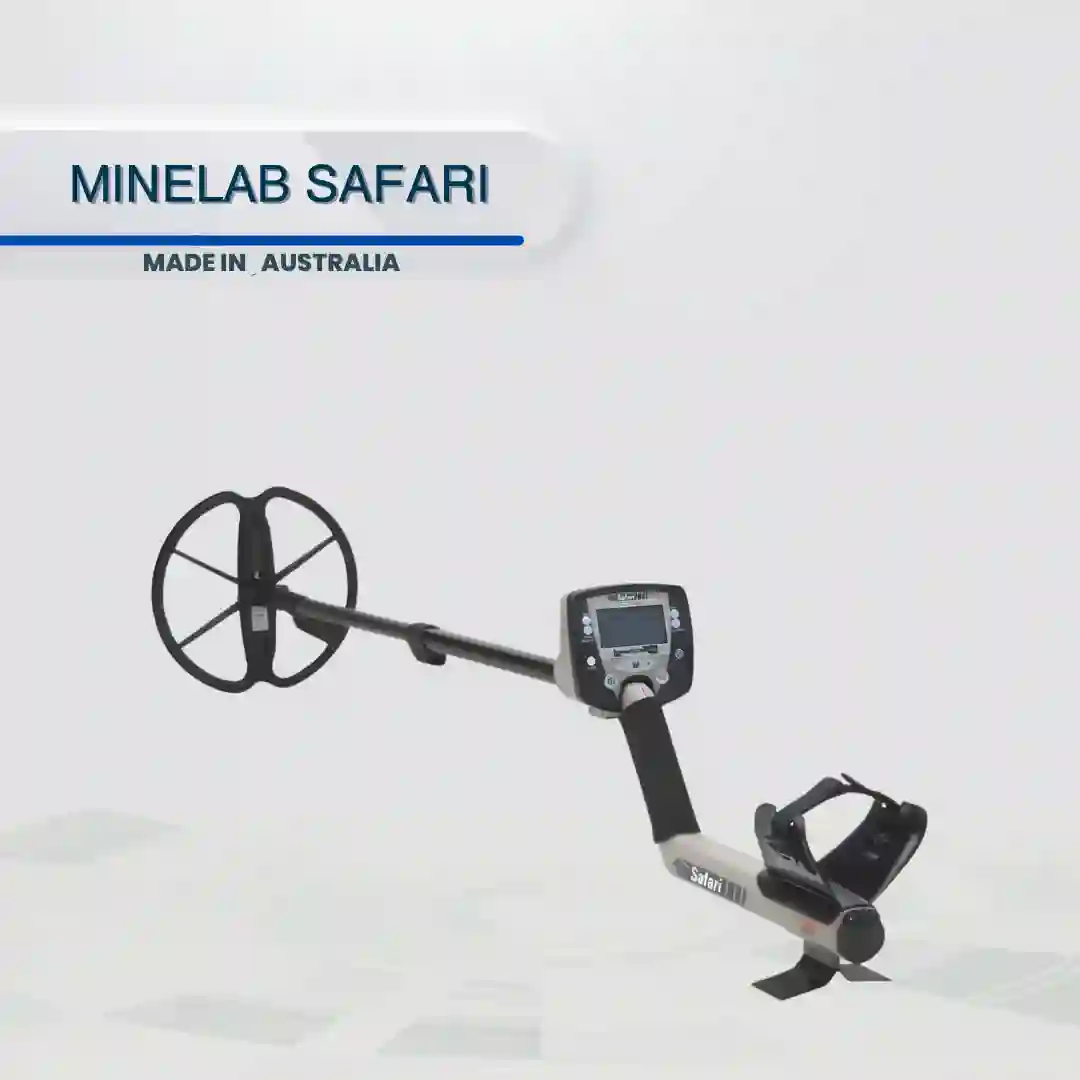
Minelab Safari – reliable metal detector for a wide range of search environments
A detector under $2,000 can offer advanced identification and discrimination features for coins and jewelry.
Useful features include:
- Numerical target identification.
- Multiple audio tones.
- Iron rejection.
- Notch discrimination.
- Pinpoint mode.
- Adjustable recovery speed.
- Custom search profiles.
- Waterproof search coils.
These features can help users reduce unnecessary digging, but target identification should never be considered completely accurate. Deep objects, mixed metals, and mineralized soil can change the displayed reading.
Relic and Historical Searches
Relic hunters may need a detector with strong all-metal performance, adjustable discrimination, and the ability to use different coil sizes.
A large coil may provide greater coverage and improve the response to larger targets, while a smaller coil may be better in locations containing iron, nails, and other scattered metal.
Beach Detecting
Some detectors within this budget can be suitable for dry sand and wet beach conditions. Buyers should distinguish between a waterproof coil and a fully waterproof detector.
Before ordering for beach use, confirm:
- Whether wet salt operation is supported.
- Whether the control unit can be submerged.
- The permitted waterproof depth.
- Whether underwater headphones are required.
- Whether the warranty covers water-related manufacturing faults.
- Whether a dedicated beach mode is included.
Beginner and Intermediate Use
This price range offers many options for beginners who want a detector they can continue using after gaining experience.
A suitable beginner system should include:
- Clear menus.
- Simple ground balancing.
- Preset search modes.
- Adjustable sensitivity.
- Easy target identification.
- Practical training materials.
- Reliable technical support.
The most expensive detector within the budget is not always the easiest or most appropriate option for a new user.
Technology Options: VLF, PI, 3D, and Multi Frequency
The Best Gold Detector Under 2000 should use technology that matches the buyer’s targets and terrain. Different detection systems provide different advantages.
| Technology | Suitable use | Main strength | Main limitation |
|---|---|---|---|
| VLF | Small gold, coins, and jewelry | Sensitivity and discrimination | Can be affected by severe mineralization |
| Pulse induction | Mineralized soil and larger targets | Ground stability and deep-target response | May provide limited discrimination |
| Multi-frequency | Mixed targets and changing terrain | Versatile operation | Performance varies by system design |
| Basic imaging systems | Preliminary underground analysis | Visual information | Requires training and careful interpretation |
| Single frequency | Specialized target searches | Simple and focused operation | Less flexibility across changing conditions |
VLF Gold Detectors
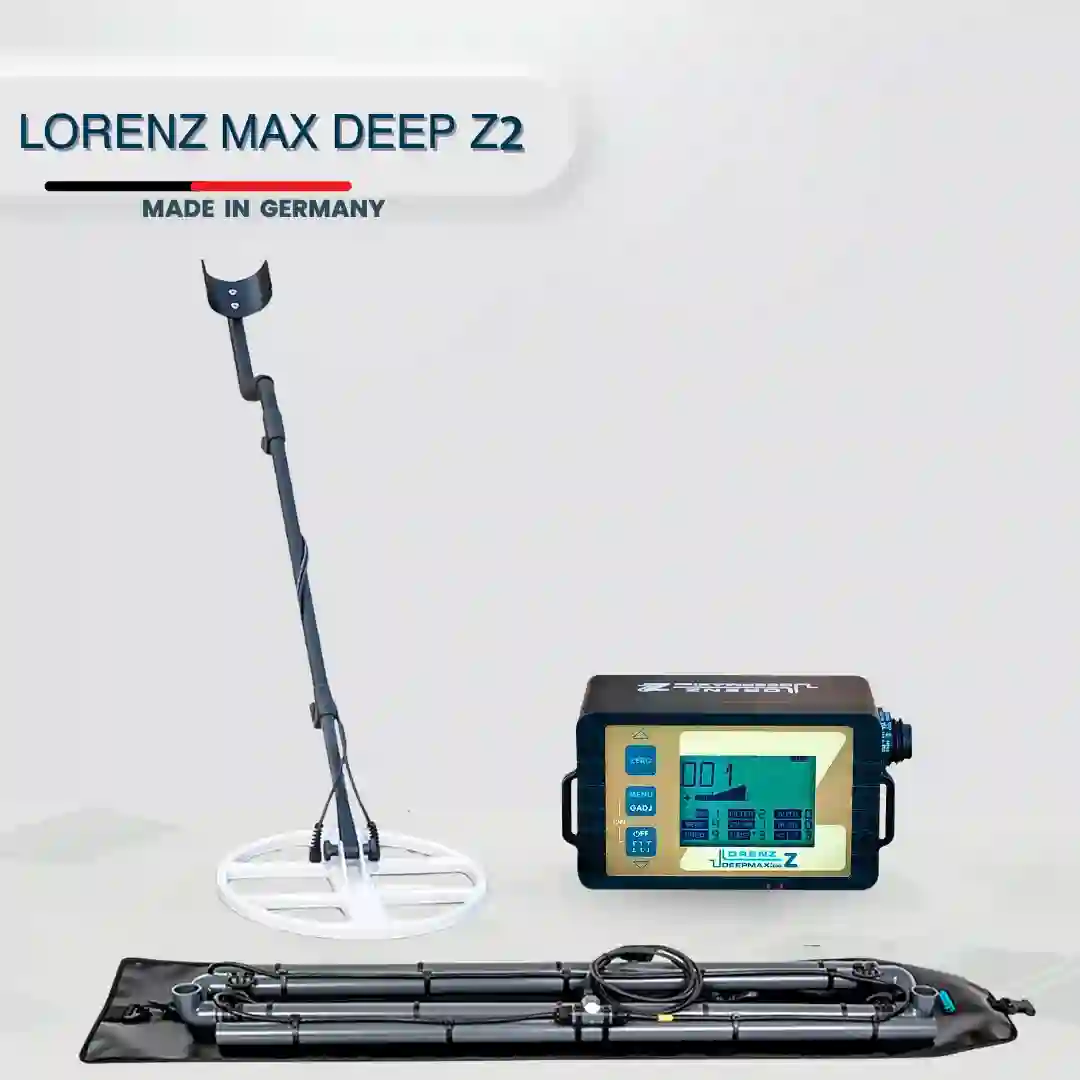
pi vs vlf detector
Very Low Frequency detectors are widely used for small nuggets, coins, and jewelry. They often provide clear target identification and several discrimination options.
Higher-frequency VLF detectors can be sensitive to very small gold, but they may respond strongly to mineralized soil. Effective ground balancing is therefore essential.
VLF technology can be a strong choice for:
- Beginners.
- Small nugget searches.
- Coins and jewelry.
- Areas containing metallic waste.
- Users who need detailed target identification.
Pulse Induction Detectors
Pulse induction detectors are commonly selected for difficult mineralized terrain and searches involving relatively large or deep metallic objects.
A PI detector may provide stable operation in ground that causes excessive noise for some VLF machines. However, target discrimination may be less detailed, especially for deeply buried objects.
Buyers should understand that pulse induction technology does not guarantee extreme depth. Performance still depends on the target, coil, ground, settings, and operator skill.
Multi-Frequency Detectors
Multi-frequency systems can offer flexible performance for users who search for several target types.
Some detectors allow the operator to select one frequency at a time, while others process multiple frequencies simultaneously. These are different technologies and should not be confused.
A multi-frequency detector can be useful for:
- Gold and coin searches.
- Parks and fields.
- Dry and wet beaches.
- Changing soil conditions.
- Travelers working in different environments.
3D Scanning Systems
Advanced professional 3D scanners often cost more than this budget, especially when they include multiple sensors, specialized software, and professional training.
Some entry-level imaging or scanning options may be available, but buyers should examine their capabilities carefully. A low-cost device advertised as a 3D scanner may not provide the same data quality as a professional ground-scanning system.
A scanner does not normally create a photographic image of buried gold. It presents measurements that require interpretation.
Depth Expectations and Soil Conditions
Depth claims should be evaluated carefully when comparing detectors.
There is no single depth that applies to every target. A large metal container can normally be detected deeper than a coin or a tiny nugget.
Important depth factors include:
| Factor | How it affects detection |
|---|---|
| Target size | Larger targets generally produce stronger signals |
| Target metal | Conductivity influences the detector response |
| Target orientation | Flat and vertical objects may respond differently |
| Soil mineralization | Can reduce stability and target clarity |
| Ground moisture | May change conductivity and signal strength |
| Search coil size | Affects coverage, sensitivity, and depth |
| Operating frequency | Influences response to different target sizes |
| Sensitivity setting | Excessive levels can create false signals |
| Ground balance | Incorrect settings can hide weak targets |
| Electromagnetic interference | Can cause noise and unstable readings |
| Operator skill | Proper movement and interpretation improve results |
Realistic Nugget Depth
Very small gold nuggets usually produce weak responses. A high-quality detector may locate them effectively when they are close enough to the surface, but no seller should guarantee deep detection of extremely small gold in every soil type.
A larger nugget may be detected deeper because it creates a stronger response.
The operator should use:
- Slow overlapping sweeps.
- A suitable small coil.
- Stable sensitivity.
- Correct ground balance.
- Minimal discrimination.
- Headphones in noisy environments.
- Repeated testing from different directions.
Mineralized Ground
Gold-bearing areas frequently contain iron minerals, hot rocks, and other natural materials that affect detector performance.
A suitable detector should offer one or more of the following:
- Automatic ground balance.
- Manual ground balance.
- Ground tracking.
- Mineralization indicators.
- Adjustable threshold.
- Specialized gold mode.
- Ground-noise reduction.
A detector that remains stable at a moderate sensitivity level can provide better field results than an unstable detector operating at maximum sensitivity.
Electromagnetic Interference
Interference may come from mobile phones, power lines, electric fences, vehicles, radio equipment, underground cables, and nearby detectors.
Useful interference controls include:
- Frequency shift.
- Noise cancel.
- Reduced sensitivity.
- Alternative search modes.
- Adjustable recovery speed.
- Wireless connection controls.
Features Worth Paying For
A limited budget should be directed toward features that improve actual field performance.
Effective Ground Balance
Ground balance is one of the most valuable features for gold prospecting. It helps the detector reduce signals caused by soil minerals.
Automatic ground balance is convenient for beginners, while manual adjustment provides experienced operators with additional control.
Ground tracking can be useful when the mineralization changes across the search area.
Appropriate Search Frequency
Higher frequencies are generally more sensitive to small gold, while lower frequencies can respond effectively to larger conductive targets.
A multi-frequency or selectable-frequency system may provide more flexibility, but the buyer should understand exactly how the detector uses its frequencies.
Reliable Target Identification
Target identification can help classify metallic signals. However, the readings should be treated as estimates.
Accuracy may decrease when:
- The target is deep.
- The object is extremely small.
- The ground is mineralized.
- Two targets are located close together.
- The target is positioned at an unusual angle.
- Sensitivity is unstable.
Adjustable Recovery Speed
Recovery speed affects how quickly the detector can separate nearby targets.
Fast recovery is useful in contaminated areas, while slower settings may provide a stronger response to certain deep targets in clean ground.
Clear Audio Controls
Important audio features include:
- Adjustable threshold.
- Multiple target tones.
- Iron audio.
- Volume control.
- Tone breaks.
- Wireless headphone compatibility.
- Target-strength audio.
Experienced users often depend on subtle audio changes when searching for weak gold signals.
Practical Waterproofing
Do not pay extra for a waterproof claim without checking what it covers.
Confirm whether:
- Only the coil is waterproof.
- The full detector is submersible.
- The charging port is sealed.
- Special underwater headphones are required.
- Water damage is covered under qualifying warranty conditions.
Durable and Lightweight Construction
A detector that is uncomfortable to carry can reduce search efficiency.
Compare:
- Total assembled weight.
- Shaft quality.
- Armrest adjustment.
- Handle position.
- Coil balance.
- Collapsed transport length.
- Ease of assembly.
Package Items That Add Real Value
The final value of a detector depends on more than the control unit.
Professional Gold detector packages may include essential accessories that would otherwise need to be purchased separately.
A useful package can contain:
- Main detector unit.
- Standard search coil.
- Coil cover.
- Adjustable shaft.
- Armrest.
- Rechargeable battery.
- Charger and charging cable.
- Headphones.
- Carrying bag or hard case.
- User manual.
- Training materials.
- Warranty certificate.
- Original serial-number documentation.
Additional Search Coil
An additional coil can increase the versatility of the detector.
| Coil type | Main use | Buyer consideration |
|---|---|---|
| Small coil | Tiny targets and contaminated soil | Limited ground coverage |
| Standard coil | General gold and coin searches | Balanced performance |
| Large coil | Wider coverage and larger targets | Increased weight |
| Elliptical coil | Rocky ground and narrow spaces | Performance depends on dimensions |
| Double-D coil | Mineralized soil and stable coverage | Requires correct pinpointing technique |
A package containing two useful coils may offer better practical value than a detector with a higher price but only one unsuitable coil.
Headphones
Headphones help users hear weak signals and reduce distraction from surrounding noise. They can also extend battery life when the detector’s external speaker is not required.
Confirm whether the headphones are:
- Wired or wireless.
- Included in the standard package.
- Waterproof.
- Compatible with other devices.
- Easy to replace.
Carrying and Protection Accessories
A strong carrying case can protect the control unit, coil, battery, and accessories during international travel and field transport.
Coil covers are also valuable because they protect the search coil from rocks, sand, and repeated ground contact.
Warranty, Training, and Support Checks
Warranty and technical support are especially important when purchasing electronic equipment online.
Before ordering, review the published Warranty information and confirm the terms that apply to the exact model.
Ask:
- How long does the warranty last?
- Who provides the warranty?
- Which components are covered?
- Are coils and batteries included?
- Where are repairs completed?
- Who pays for repair shipping?
- Is physical damage excluded?
- Is water damage excluded?
- Are replacement parts available?
- Is software or firmware support included?
Original Product Verification
The detector should be supplied with:
- A valid serial number.
- A detailed invoice.
- Manufacturer information.
- Package contents.
- Warranty documentation.
- Original accessories.
- Operating instructions.
Avoid sellers who cannot identify the exact detector version or provide written warranty terms.
Detector Training
Training can add significant value to a detector package.
Training should explain:
- Device assembly.
- Battery charging.
- Ground balancing.
- Search mode selection.
- Frequency settings.
- Sensitivity adjustment.
- Threshold control.
- Discrimination.
- Target identification.
- Sweep speed.
- Coil height.
- Pinpointing.
- Interference reduction.
- Coil selection.
- Device cleaning and storage.
A beginner with proper training can often achieve better field results than an untrained buyer using a more expensive device.
Post-Purchase Technical Support
Technical support should continue after delivery.
Buyers may need assistance with:
- Initial setup.
- Ground balance problems.
- Unstable signals.
- Search coil compatibility.
- Software updates.
- Headphone connection.
- Battery replacement.
- Accessory selection.
- Device inspection.
- Warranty procedures.
Payment Plans and Quote Options
A detector budget should include more than the device price.
Possible additional costs include:
- Optional search coils.
- Headphones.
- Carrying case.
- Spare battery.
- International shipping.
- Customs duties.
- Local taxes.
- Training.
- Extended support.
- Payment processing fees.
Review available Payment plans when a complete package exceeds the immediate purchasing budget.
Before requesting a quote, provide:
- The target type.
- Expected target size.
- Search country.
- Soil conditions.
- Experience level.
- Preferred technology.
- Required coil options.
- Waterproofing needs.
- Approximate budget.
- Delivery destination.
Use the Request a quote page to receive a recommendation based on your actual requirements.
The written quote should state:
| Quote detail | Information required |
|---|---|
| Detector model | Exact name and version |
| Device condition | New and original |
| Package contents | Complete list of accessories |
| Search coils | Sizes and quantities |
| Warranty | Period and covered parts |
| Training | Included or optional |
| Technical support | Available services |
| Shipping | Carrier, cost, and insurance |
| Customs | Included or paid locally |
| Payment terms | Method and schedule |
The best detector price is not simply the lowest amount. It is the package that provides suitable technology, useful accessories, genuine warranty coverage, and dependable support.
Buying Mistakes to Avoid
Several common mistakes can reduce the value of a detector purchase.
Buying Based Only on Depth Claims
Depth depends on target size, soil, coil, settings, and operator skill. A seller who advertises one extreme depth without describing the test target or conditions is not providing enough information.
Choosing the Wrong Technology
A detector designed for coins may not be suitable for tiny nuggets. A small-gold detector may not be the correct system for large deep treasure targets.
Ignoring Soil Conditions
Mineralization can significantly affect detector performance. Choose a detector with suitable ground balance and stable operation for the intended terrain.
Paying for Unnecessary Features
A beginner may not need complicated professional software, multiple scanning sensors, or search modes that will never be used.
Direct the budget toward:
- Suitable technology.
- A useful search coil.
- Training.
- Warranty.
- Battery performance.
- Technical support.
Ignoring Package Contents
A low detector price may exclude important accessories. Compare the complete detector package value, not only the main control unit.
Using Excessive Discrimination
Small gold may produce responses similar to foil, lead, or other low-conductive metals. Aggressive discrimination can reject valuable targets.
Operating at Maximum Sensitivity
Maximum sensitivity does not always provide maximum usable depth. Excessive settings can cause unstable signals and make genuine targets harder to identify.
Buying Without Training
Incorrect ground balance, coil movement, and signal interpretation can reduce the performance of even a capable detector.
Ignoring Shipping and Customs Costs
International buyers should confirm shipping, insurance, customs duties, local taxes, and battery transport restrictions before payment.
Final Comparison Checklist
Before choosing the Best Gold Detector Under 2000, complete this comparison checklist:
- Define the primary target.
- Estimate the expected target size.
- Identify the soil conditions.
- Select a suitable technology.
- Compare operating frequencies.
- Review ground balance options.
- Check target identification and discrimination.
- Compare recovery speed.
- Select the correct coil size.
- Review waterproofing specifications.
- Check the assembled weight.
- Confirm battery operating time.
- Request the complete package list.
- Verify the detector serial number.
- Review the warranty terms.
- Confirm training availability.
- Check post-purchase support.
- Review payment options.
- Confirm international shipping.
- Calculate customs and local taxes.
- Request a written quotation.
- Avoid unrealistic depth guarantees.
Can I buy a professional gold detector for under $2,000?
Yes. This budget can provide capable professional or advanced hobby detectors for natural gold, coins, jewelry, and relics. The available technology and package depend on the intended use.
What is the best technology within this budget?
There is no single best technology for every buyer. VLF may suit small gold and target discrimination, pulse induction may suit mineralized soil, and multi-frequency may offer greater versatility.
Can a detector under $2,000 find deep gold?
It may detect gold and other metals at useful depths, but performance depends on the target size, soil, coil, technology, settings, and operator experience. No fixed depth applies to every target.
Which detector is suitable for small gold nuggets?
A high-frequency VLF detector or specialized gold prospecting system with a suitable small coil and effective ground balance may be appropriate.
Should I choose pulse induction or VLF?
Choose VLF for small-target sensitivity and detailed discrimination. Consider pulse induction for mineralized ground and certain large or deep-target searches.
Is a search coil included in the price?
Most detector packages include at least one coil, but buyers should request a written package list. Additional coils shown in promotional images may be optional.
Does a higher price guarantee greater depth?
No. Price may reflect technology, waterproofing, accessories, warranty, and support. Detection depth still depends on the target and field conditions.
Do I need training after buying the detector?
Training is recommended, especially for ground balance, sensitivity, search modes, discrimination, and signal interpretation.
Can I use the detector on a wet beach?
Only when the exact model supports wet salt conditions. Confirm its beach mode, waterproofing, and permitted submersion depth.
Are payment plans available?
Payment options depend on the seller, detector, and destination. Review the payment terms and obtain a complete written quotation before ordering.
What should a professional package include?
A valuable package may include the detector, coil, coil cover, battery, charger, headphones, carrying case, training, warranty documents, and technical support.
How do I request the correct detector quote?
Provide details about your target, soil, experience, preferred technology, accessories, budget, and delivery country. This helps the supplier recommend a suitable system.
The Best Gold Detector Under 2000 is not necessarily the device with the largest screen, the most search modes, or the highest advertised depth. The smartest purchase combines suitable detection technology, effective ground handling, useful accessories, professional training, original warranty coverage, and reliable after-sales support within a clearly defined budget.


