





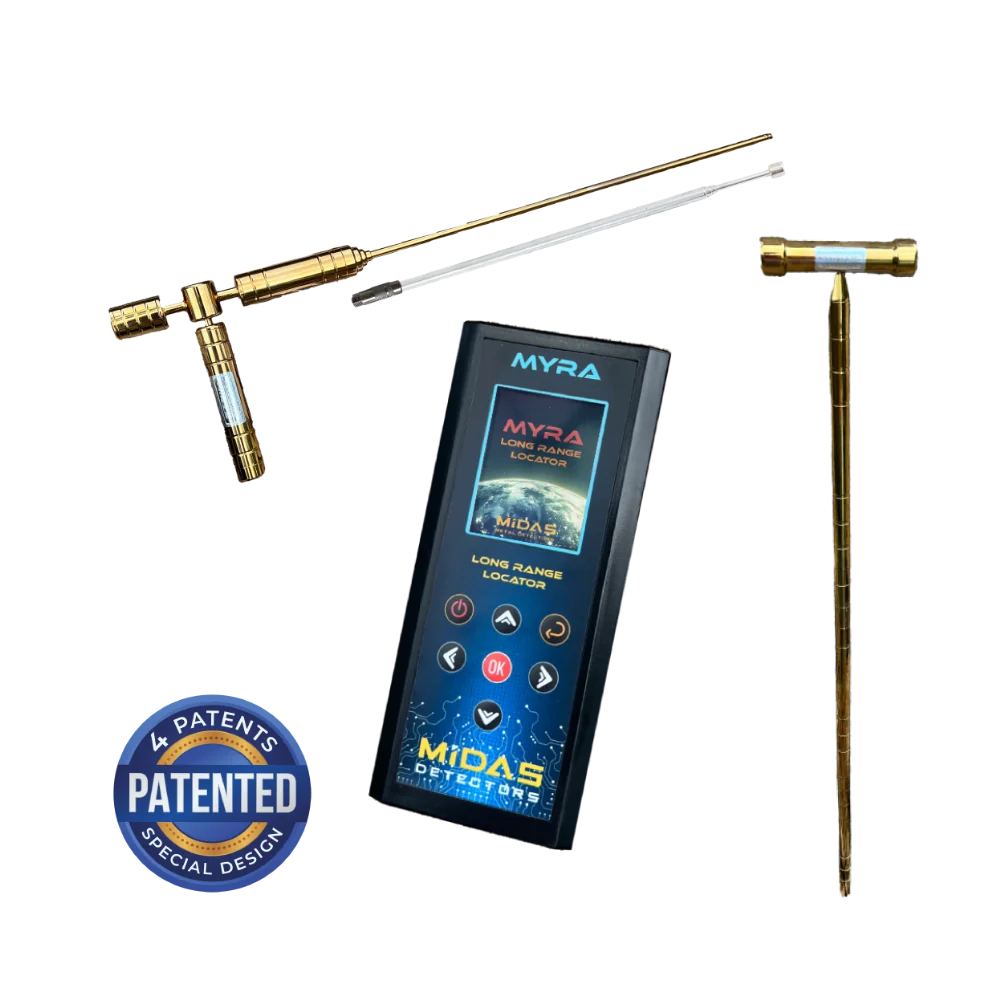
Midas Myra Pro
Midas Myra Pro is a long-range locator. It is designed to help identify direction and narrow large search a
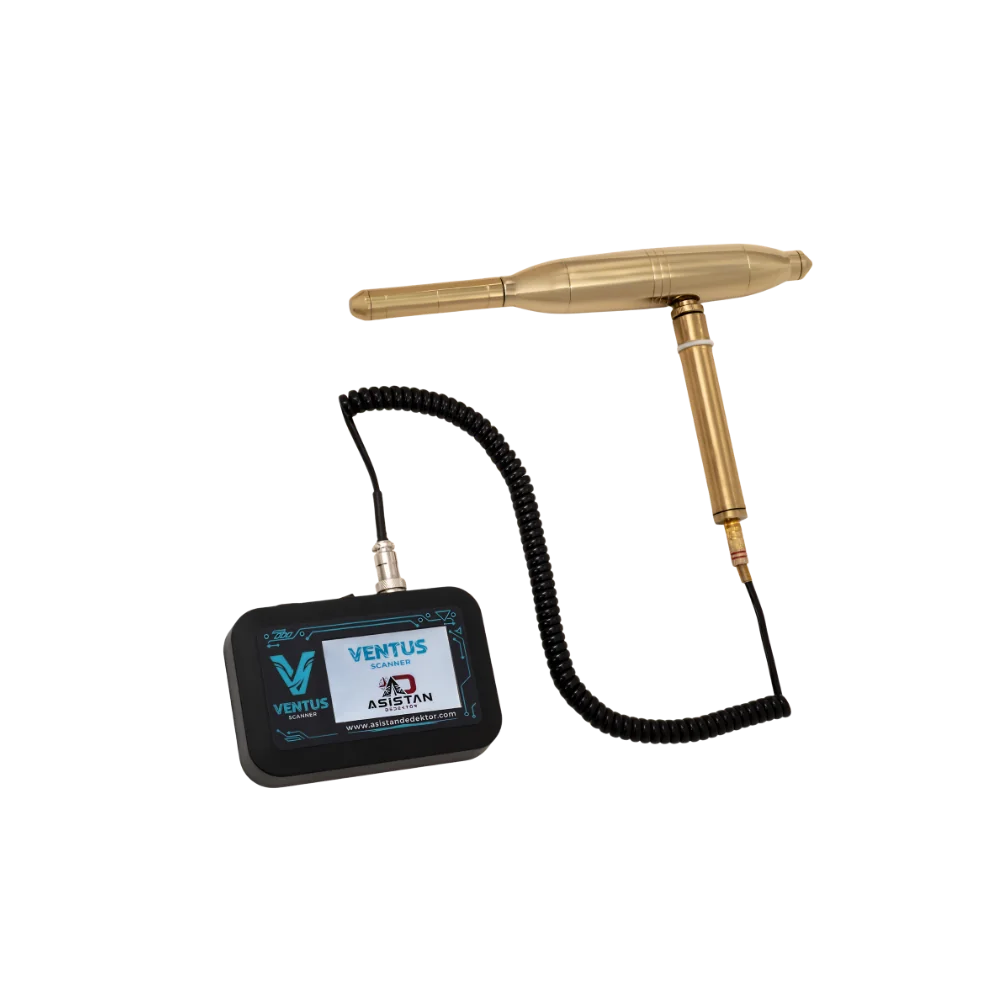
asistan ventus scanner
ASISTAN Ventus Scanner long range detector for gold detection, metal detection
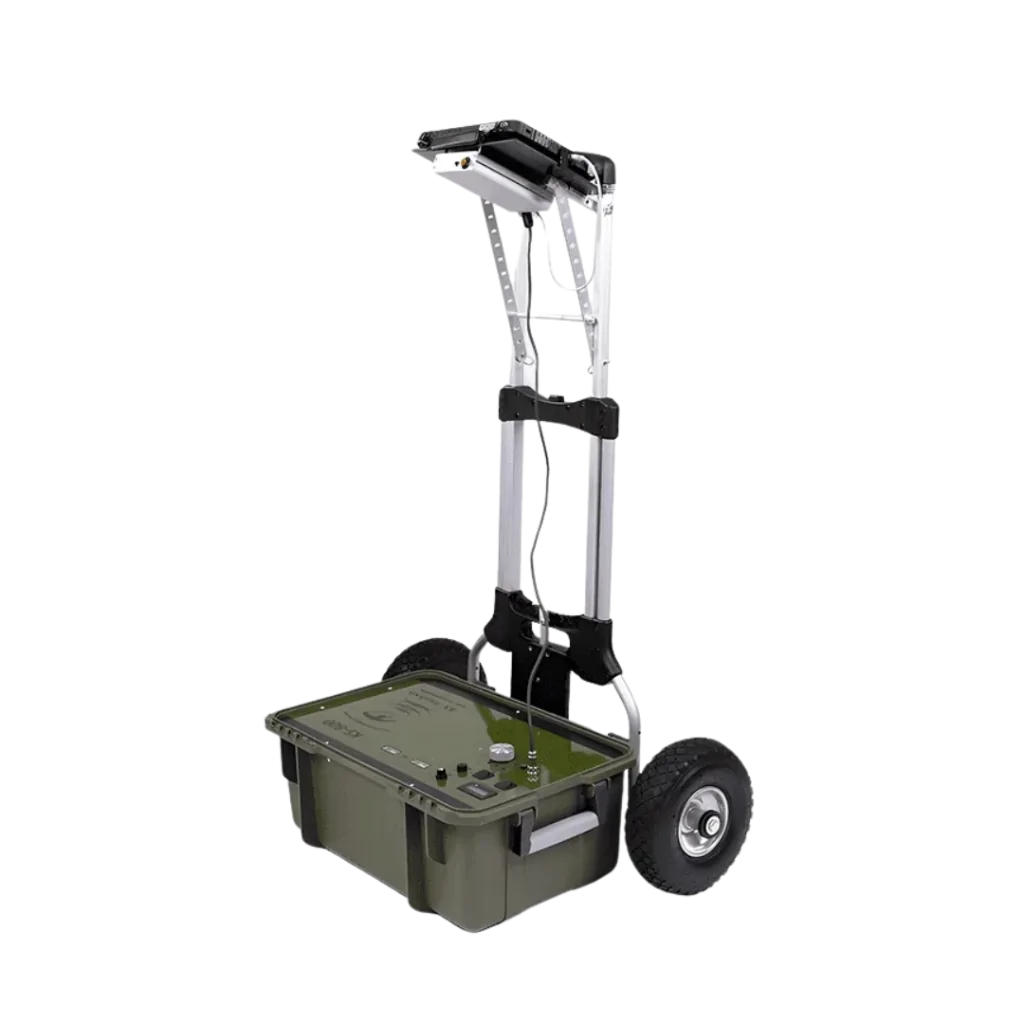
KS 800 High Performance Professional Gold Detector
Discov ks 800 GPR – a professional ground radar for gold, metals, and buried structures
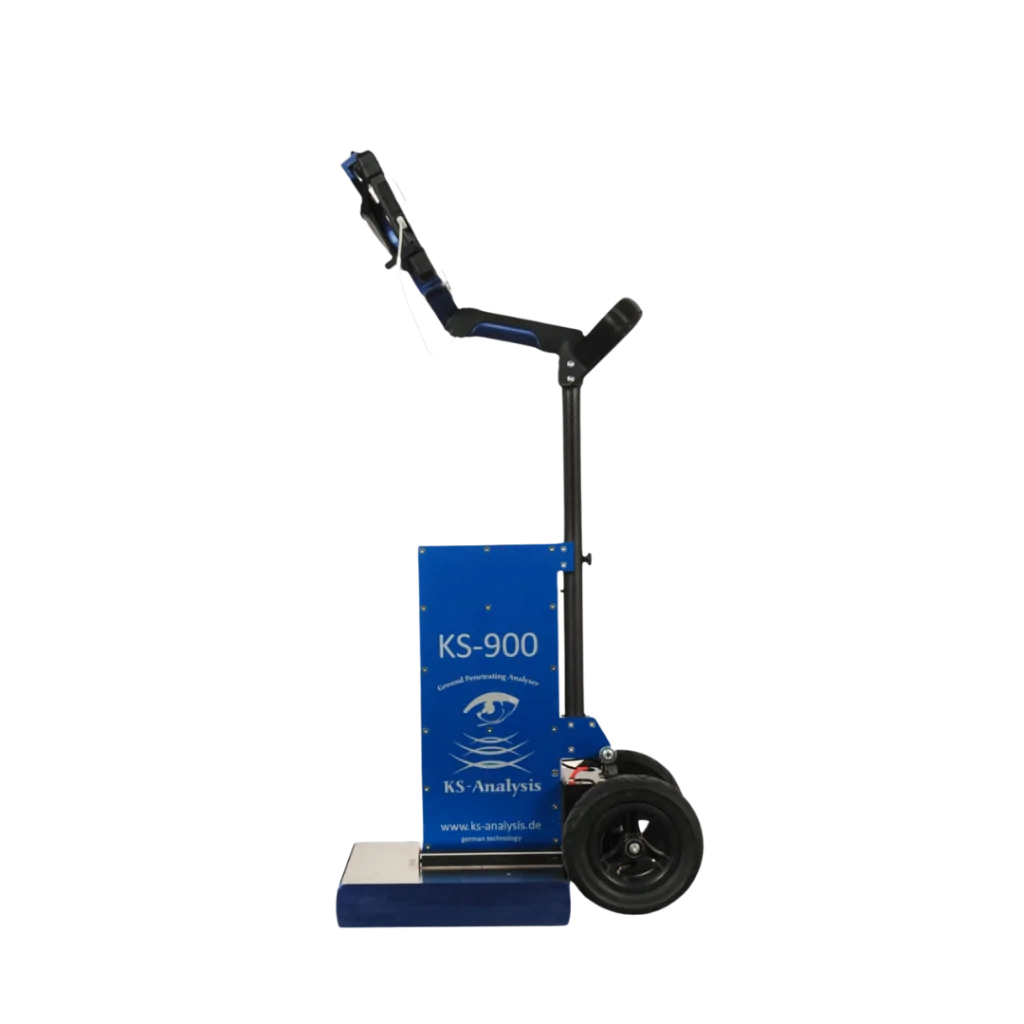
KS 900 Powerful Advanced Gold Detector Machine
KS900 GPR from Germany offers deep 60m detection, 2D/3D imaging of KS 900 Ground Radar
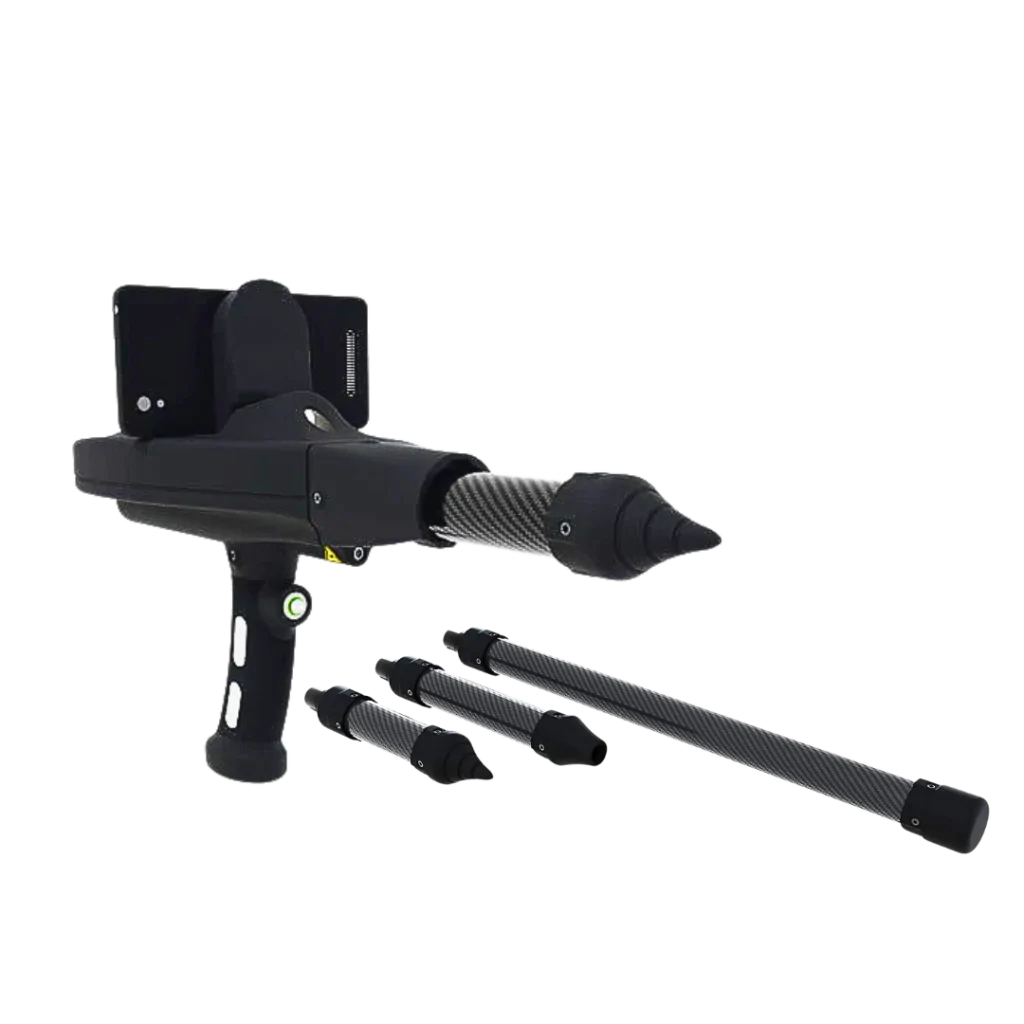
OKM Delta Ranger Professional 3D Gold Detector
Discover hidden treasures with the OKM Delta Ranger Professional, a cutting-edge detector offering 3D groun
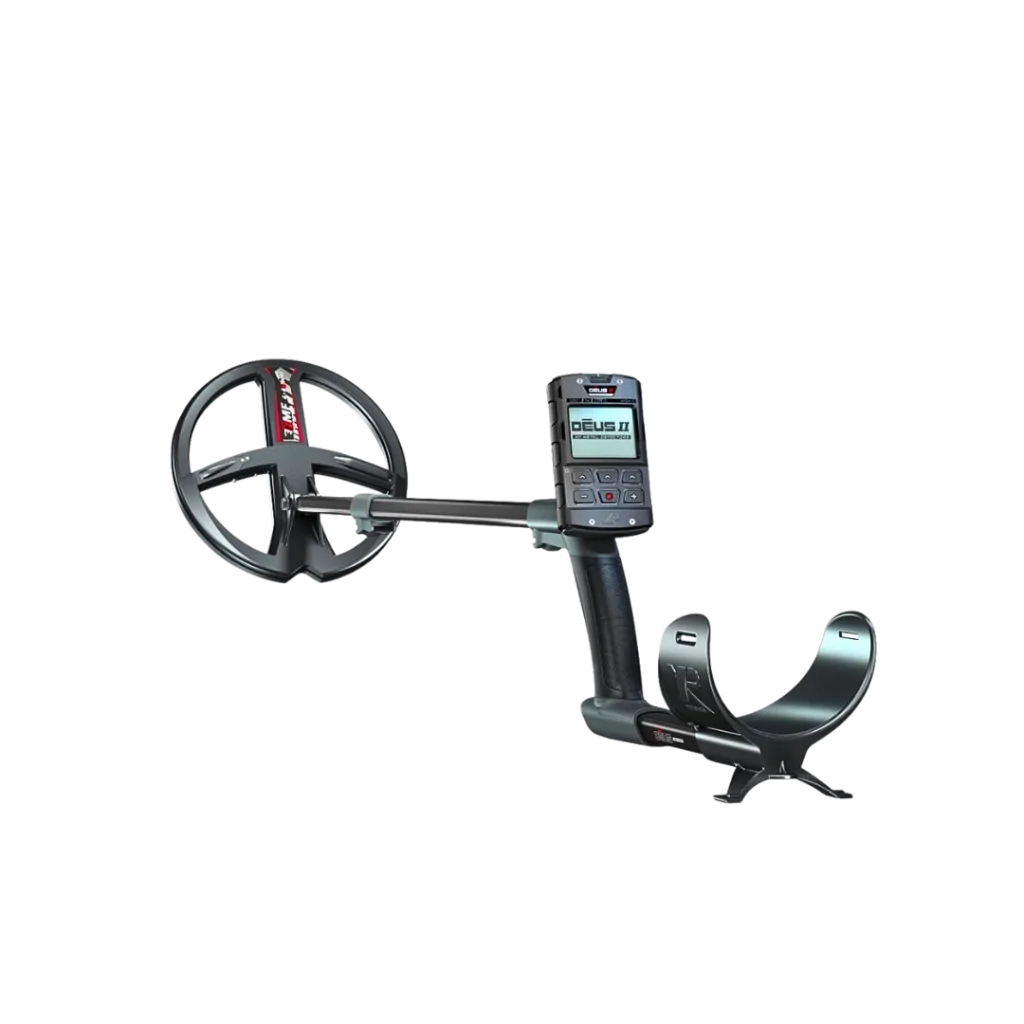
XP Deus II Wireless Professional Metal Detector
Experience the XP Deus II — the world’s most powerful wireless metal detector. Multi-frequency FMF® te
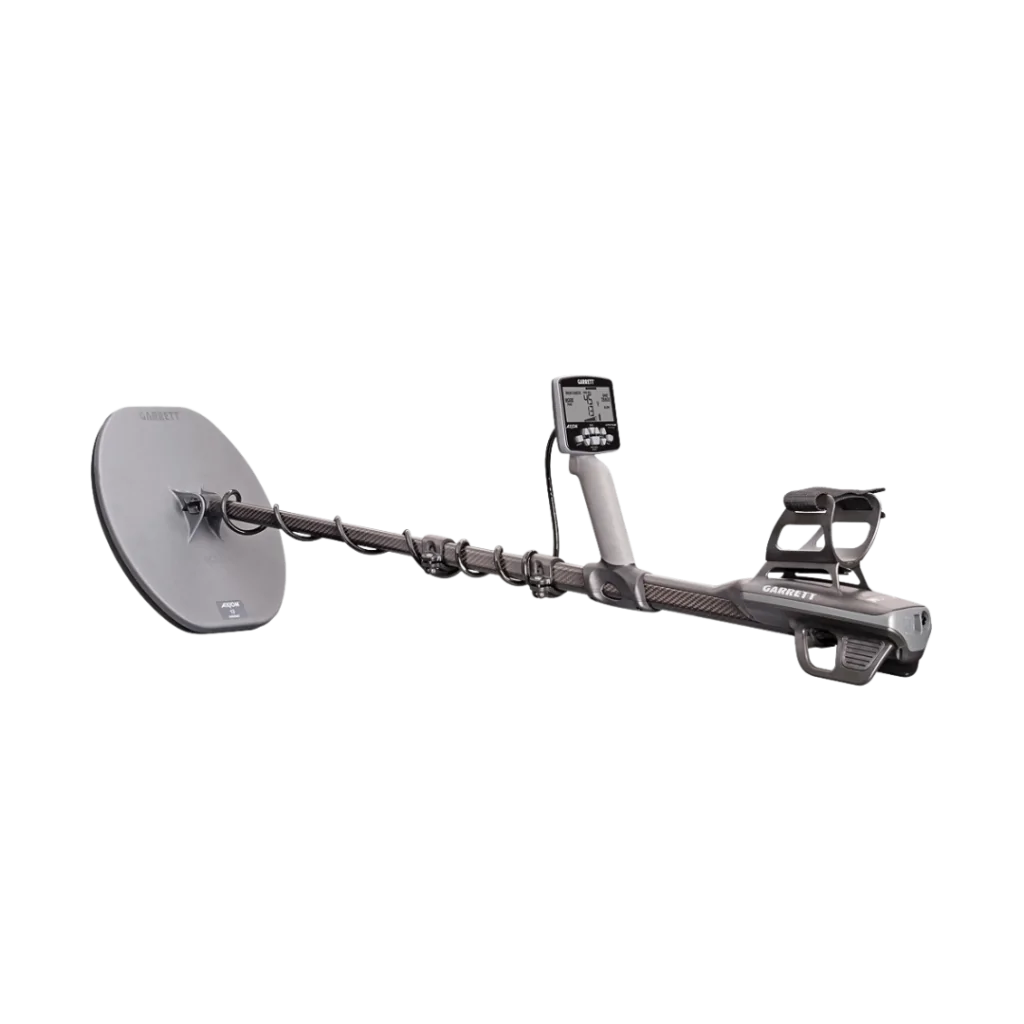
Garrett Axiom Professional Gold Metal Detector
Find hidden treasures with the Garrett Axiom. Featuring Ultra-Pulse and Terra-Scan systems for maximum dept
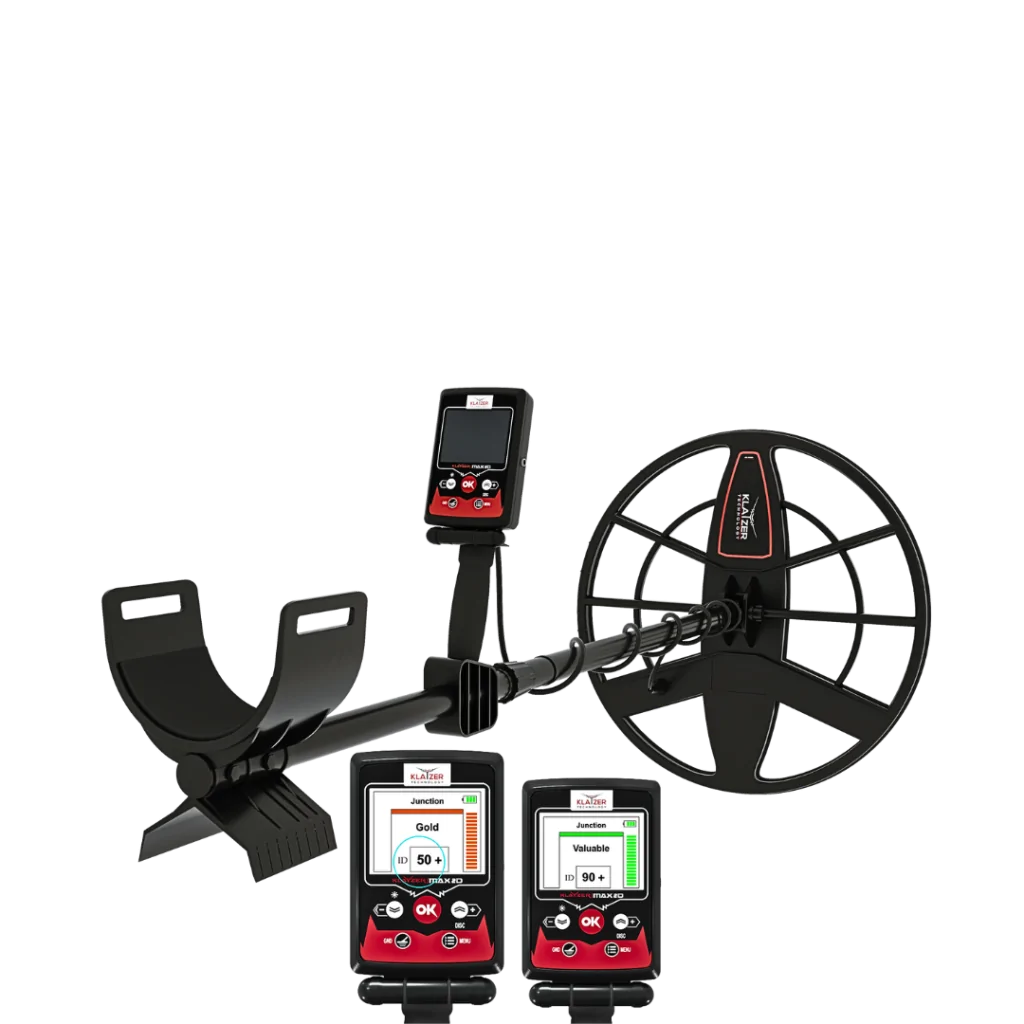
Klayzer Max 2D Advanced Gold Detector Scanner
Unlock hidden treasures with Klayzer Max 2D — one of the best Detectors for gold, silver, and valuable me
Treasure and Burial Detectors
The main advantage of treasure and burial detectors is their depth capability. A standard VLF (Very Low Frequency) detector might struggle to find a coin-sized target deeper than 10-12 inches, whereas a powerful PI treasure detector can pinpoint a large chest at depths of several meters. This makes them indispensable for exploring ancient battlefields, historical sites, and old homesteads.
However, their primary drawback is their lack of target discrimination. They often can't tell the difference between a rusty car part and a valuable artifact at depth, and they are generally blind to small, shallow targets like single coins or rings.
This is why many serious treasure hunters use a combination of a deep-seeking detector to locate a potential target area and a smaller, more sensitive detector to pinpoint the exact location once excavation begins.
Frequently Asked Questions
A treasure detector is designed to find large, deeply buried metal objects, often a few meters deep. A regular metal detector is optimized for smaller targets like coins, rings, and relics found closer to the surface.
The depth depends on the size of the object and the specific model. A high-quality treasure detector can find a metal chest-sized target at depths of 10 feet or more under ideal conditions.
Generally, no. Treasure detectors often have complex settings and require experience to interpret signals correctly. They're best suited for serious hobbyists or professionals who understand the nuances of ground conditions and signal interpretation.
Not effectively. While they will detect large gold objects, they are not sensitive enough for small gold nuggets. For gold prospecting, you should use a specialized VLF or Pulse Induction detector designed for small gold.
Yes, they are particularly effective in mineralized soil and saltwater environments where other detectors might fail. They are a great choice for beach hunting and searching in heavily mineralized areas like red clay or volcanic soil.


