





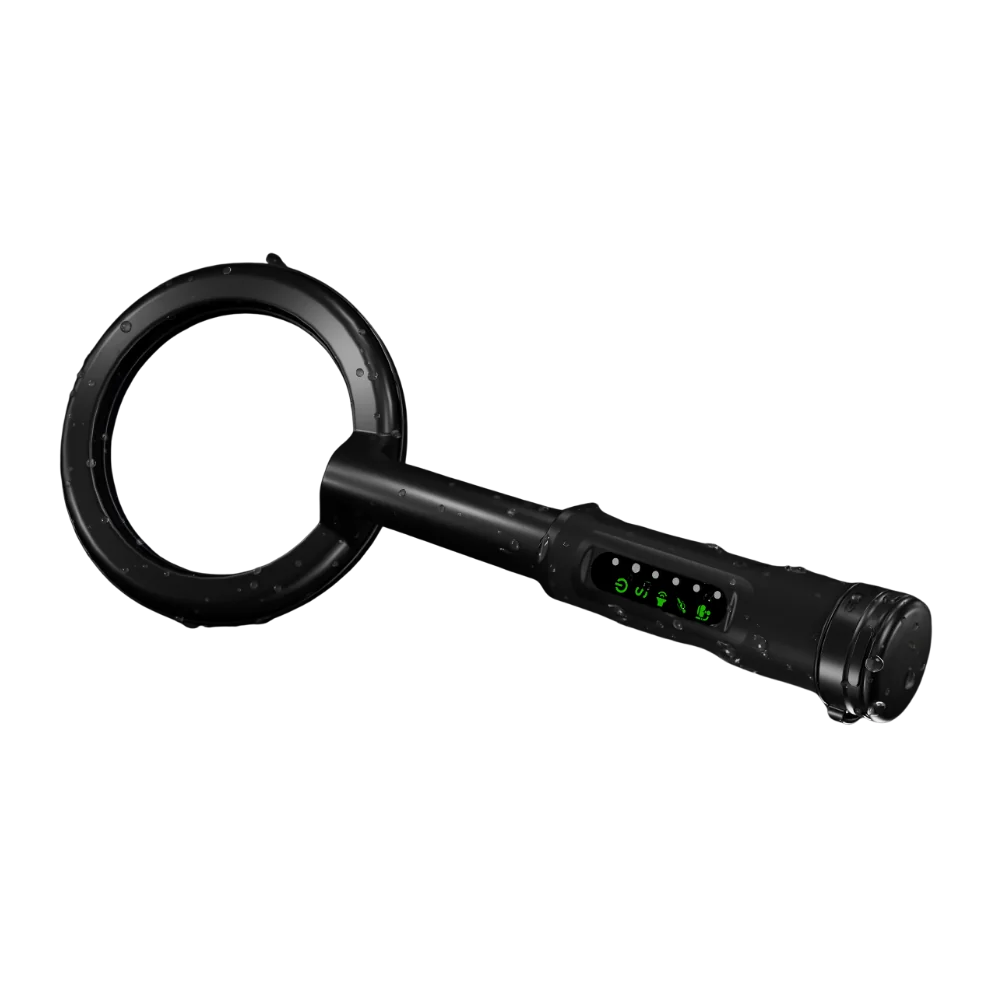
Groundtech IQ Detect Pinpointer Metal Detector
Groundtech IQ Detect Pinpointer is a compact handheld detector designed for fast and preci
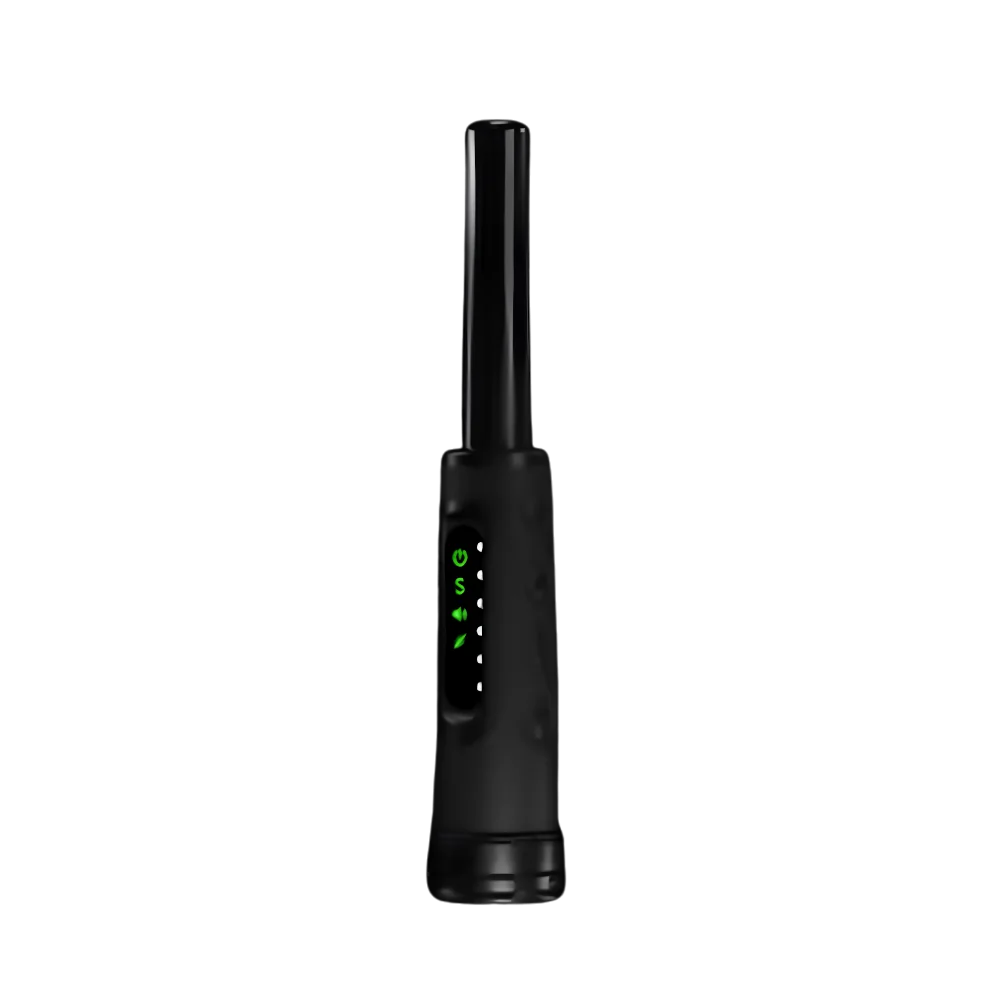
Groundtech IQ Pointer Gold and Metal Locator
Groundtech IQ Pointer pinpointer for accurate gold, coin, relic, and metal target recovery.
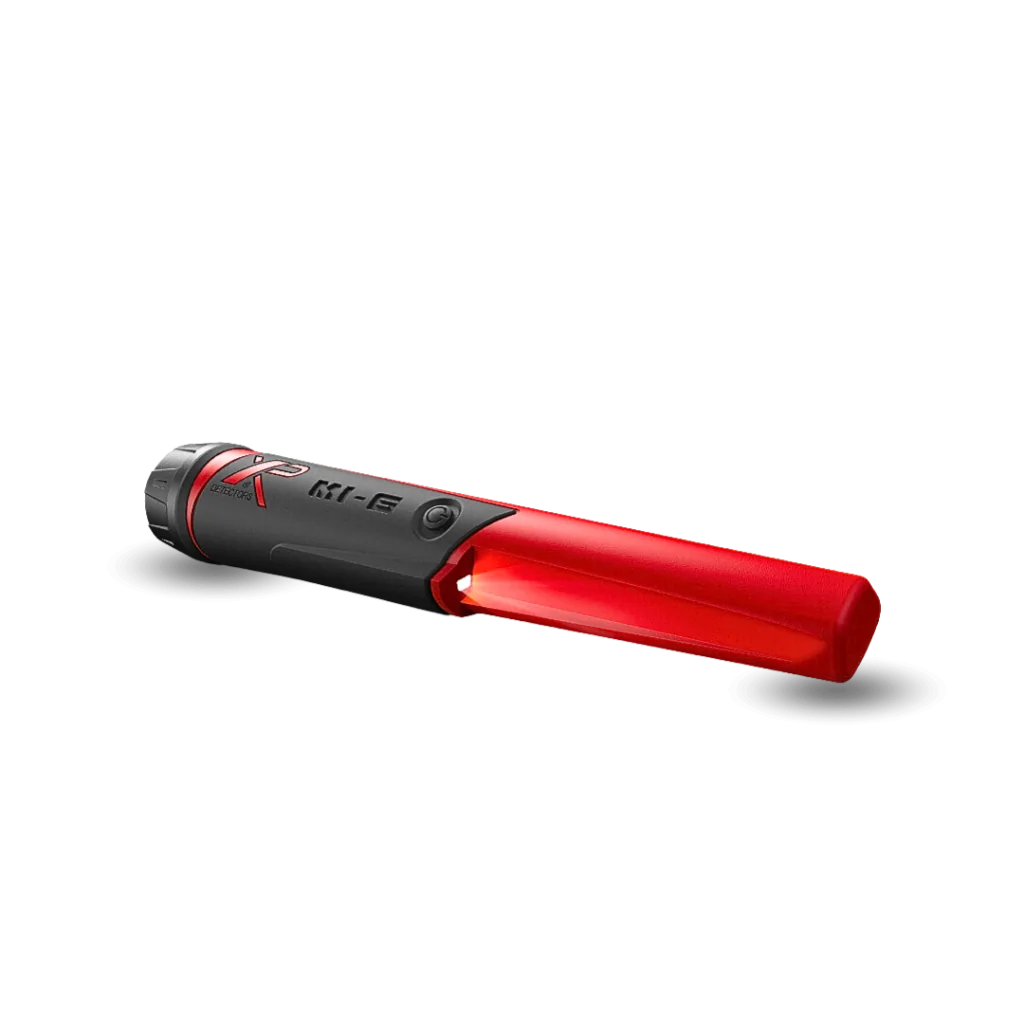
XP MI-6 Pinpointer Professional Metal Detector Probe
Discover the XP MI-6 Pinpointer – the ultimate metal detector probe for treasure hunters and archaeologis
Pinpointer Metal Detectors
Why Pinpointer Metal Detectors?
Pinpointers metal detectors operate by emitting an electromagnetic field. When the tip of the device approaches a metallic object, it alerts the user through a combination of proportional audio and vibration signals.
This means the beeping or vibration becomes more intense the closer you get to the target, guiding you directly to it. Most models are also waterproof, making them suitable for use in wet conditions, such as on beaches or in shallow rivers.
Key features to look for include adjustable sensitivity settings, a fast retune function, and a durable, ergonomic design. Popular brands in this category include Garrett, Minelab, and XP.
Frequently Asked Questions
A regular metal detector is for searching and finding a general target area, while a pinpointer is a smaller, hand-held tool used for finding the exact location of the target after you've already identified it.
While not strictly necessary, they are highly recommended. A pinpointer dramatically reduces the amount of time and effort spent digging and sifting through dirt, making target recovery much faster and more efficient.
Pinpointers are designed for close-range detection, typically up to a few inches deep. Their purpose is precision, not depth. They are most effective for locating targets that a standard detector has already identified.
Most pinpointers do not discriminate between different types of metal (ferrous vs. non-ferrous). They will alert you to the presence of any metal object. Some advanced models may offer limited discrimination features, but this is not their primary function.
After your main metal detector signals a target, dig a small plug of dirt. Then, use the pinpointer to probe the hole and the excavated dirt clump. When the pinpointer gives a strong signal, you know the target is nearby. You can also press a button to "re-tune" or "detune" the pinpointer to ignore nearby signals and focus on the one closest to the tip.


