Information about metal detectors

VLF vs PI Detectors, Which Is Better?

VLF vs PI Detectors

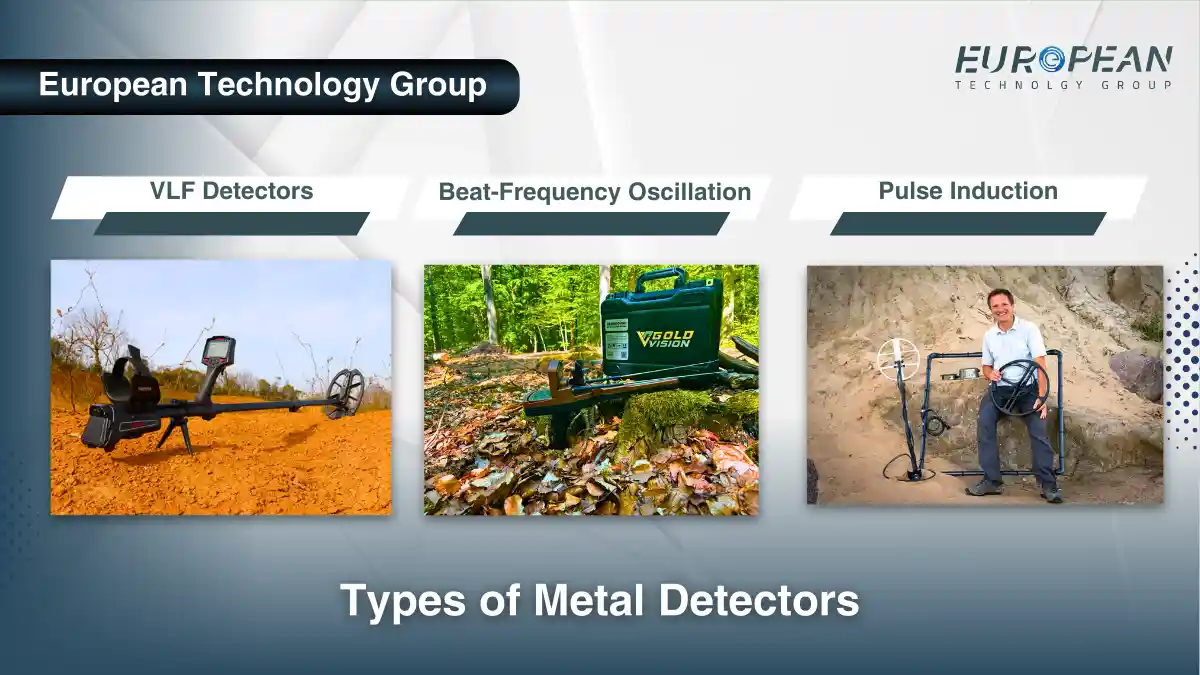
VLF vs PI Detectors: In the world of metal detectors, two fundamental technologies dominate the scene—Very Low Frequency (VLF) and Pulse Induction (PI). This choice goes beyond technical preference; it determines the methodology an explorer will use to “read” the earth and decode its hidden treasures.

Does he prefer to conduct a precise dialogue with the earth, distinguishing between the different whispers of metals (VLF), or to send a powerful and deep call into its bowels to reveal its most precious treasures (PI)? Understanding the essential differences between these two technologies is the first decisive step towards achieving success in this passion-filled hobby with its rewards.

VLF vs PI Detectors, Which Is Better?

Discover the truth about VLF vs PI Detectors. Compare depth, discrimination, and price to find the perfect metal detector for your needs.

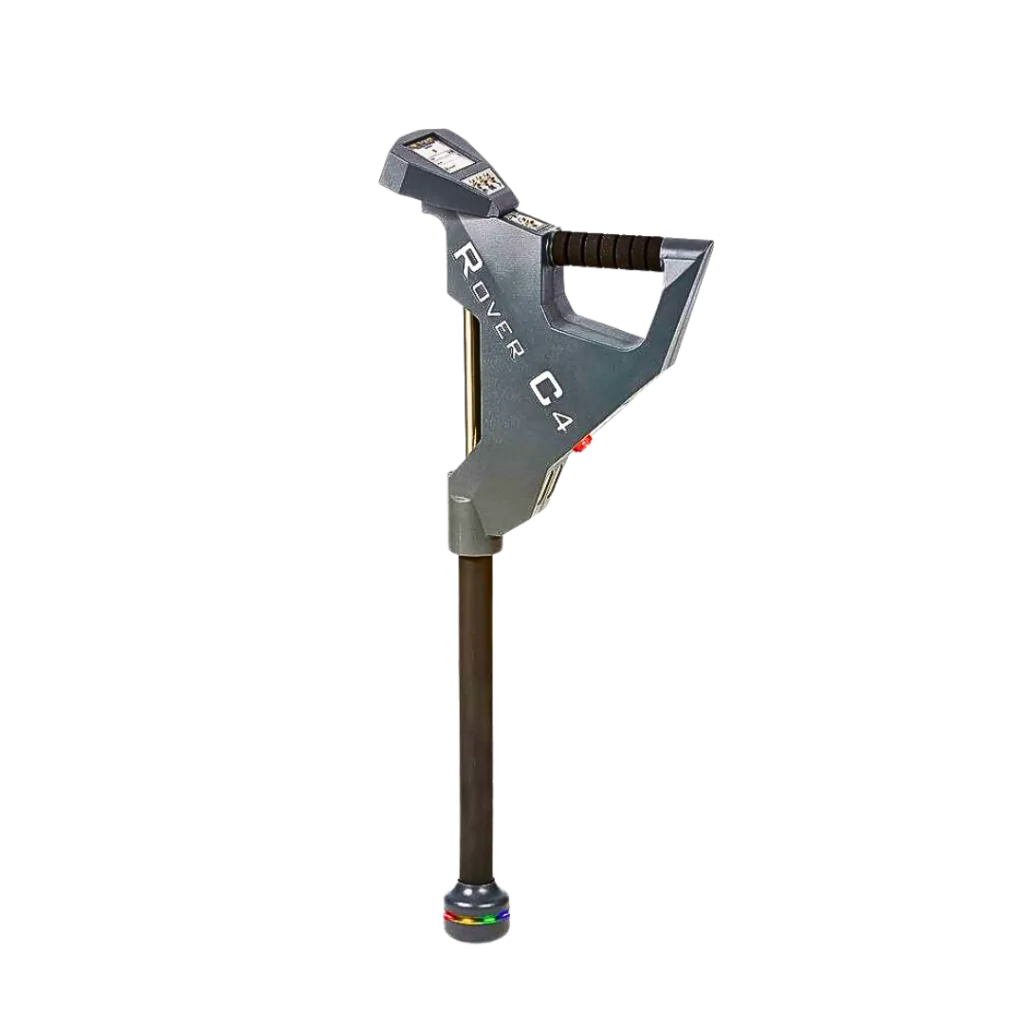
OKM Rover C4 Advanced 3D Gold Detector Scanner

Find Gold, Treasure, and Cavities up to 25 m deep with OKM Rover C4 — the advanced 3D Ground Scanner trus

11470 $

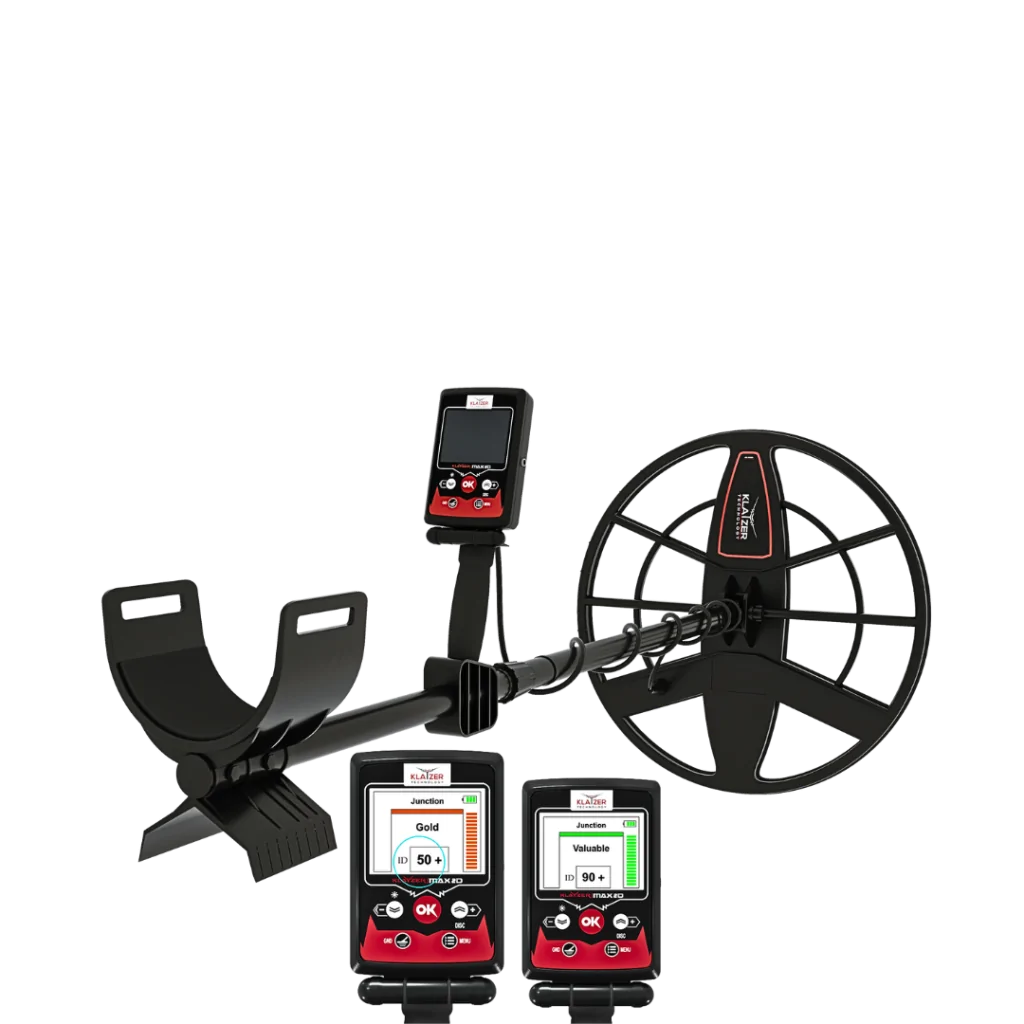
Klayzer Max 2D Advanced Gold Detector Scanner

Unlock hidden treasures with Klayzer Max 2D — one of the best Detectors for gold, silver, and valuable me

2100 $

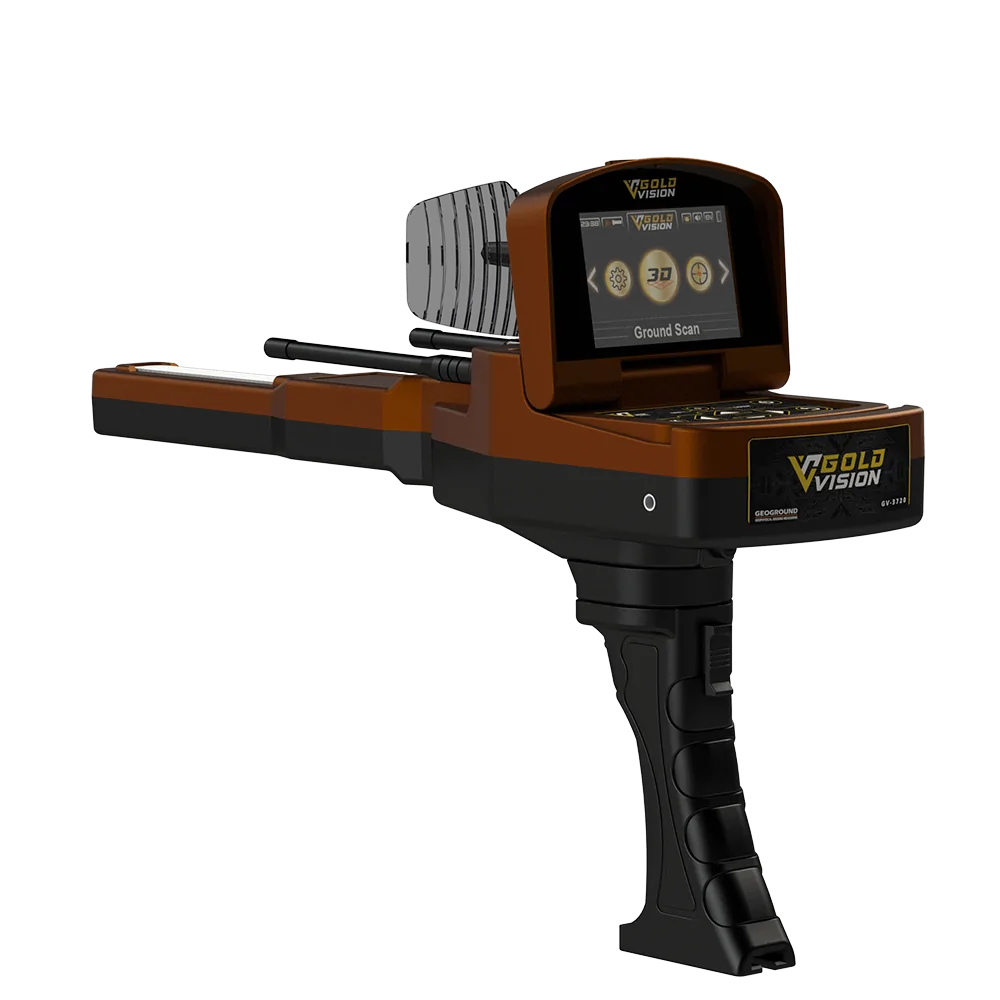
Gold Vision Gold Detector

Gold Vision – professional gold detector with 40 m depth and 3 km range, made in Germany

5450 $

Nokta Impact Pro Multi Frequency Metal Detector

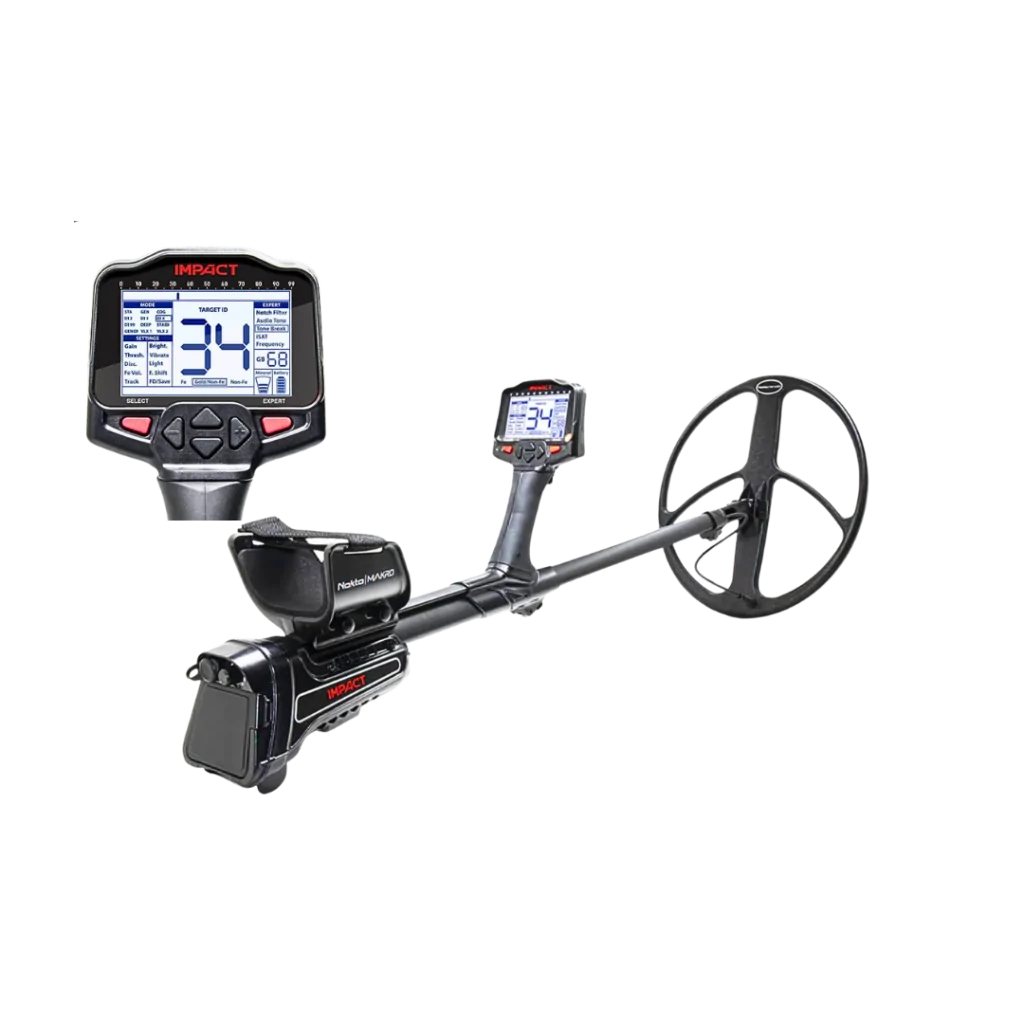
Discover hidden treasures with the Nokta Impact Pro Metal Detector — advanced depth, precision, and versa

1100 $

Which is Better? VLF vs PI Detectors for Gold and Relics

Uncover the technology that speaks to the earth's hidden heart. Begin your legacy now.

VLF vs PI Detectors, Which Is Better?

VLF vs PI Detectors_Which Is Better?

To understand which device is most suitable, one must dive into the heart of the technology that drives it. VLF detectors utilize a continuous electromagnetic wave to measure "phase shift," a sophisticated method that grants them exceptional ability to distinguish valuable metals from junk. This makes them the master of discrimination for small, shallow targets.

Conversely, Pulse Induction (PI) relies on rapid, high-voltage pulses to penetrate the earth. By measuring signal decay rather than phase, PI technology remains immune to mineralization, offering unmatched depth in salty or iron-rich environments where standard machines often fail.

Very Low Frequency (VLF) technology

VLF devices rely on a precise system consisting of two separate coils: a transmit coil and a receive coil. The transmit coil emits a continuous sinusoidal electromagnetic wave at a low frequency (usually between $3 \text{ kHz}$ and $30 \text{ kHz}$) into the ground. When this wave strikes a metallic object, it generates small electrical currents in that object called “eddy currents.”

These eddy currents in turn generate their own magnetic field, which is picked up by the device’s receive coil. The secret lies in the device electronics precisely measuring the “phase shift” between the original transmitted wave and the wave reflected from the target.

This shift varies according to the electrical conductivity and ferrous properties of the metal, allowing the device to determine the type of the potential target.

Strengths

  • Exceptional target discrimination: this is the most prominent advantage of VLF devices. Their ability to analyse phase shift gives them the capacity to effectively distinguish between precious metals such as silver, gold and copper, and unwanted metals (junk) such as iron and aluminium. This means saving a lot of time and effort that would have been wasted digging valueless targets.
  • High sensitivity to small and shallow targets: VLF devices excel at detecting small, near-surface targets such as coins, rings and small pieces of jewellery. Models operating at higher frequencies are more sensitive to low-conductivity metals such as small gold nuggets.
  • Versatility and reasonable cost: VLF devices are multipurpose and ideal for a wide range of search environments such as parks, playgrounds, fields and historical sites. They are also lighter in weight, more energy efficient, and generally less expensive compared to PI devices, making them the first choice for beginners and the majority of hobbyists.

Pulse Induction (PI) technology

Unlike VLF, PI devices usually use a single coil that acts as both transmitter and receiver. The device sends powerful and very short pulses of electric current through the coil, creating a strong and sudden magnetic field.

After each pulse, the current is cut off abruptly, causing this magnetic field to collapse. This collapse generates a sharp, returning electrical pulse. If there is a metallic object within the field range, it will retain energy for a little longer and delay the decay of the returning signal.

The device’s circuits switch to “listening” mode after each pulse and precisely measure the time it takes for this returning signal to disappear. The presence of metal makes this time longer, and the larger or closer the target, the longer the decay period.

Advantages:

  • Exceptional detection depth: this is the unparalleled advantage of PI devices. They can penetrate the ground to depths far greater than VLF devices, making them ideal for searching for large treasures and deeply buried artefacts.
  • Near-complete immunity to mineralisation: PI technology effectively ignores the “noise” caused by soil mineralisation and salt water. Since it does not measure the precise phase shift like VLF, it is not affected by ground minerals, giving it stable and deep performance in the toughest environments where VLF devices fail, such as salty beaches, black sands and highly mineralised gold fields.
  • Superior performance in gold prospecting: thanks to their depth and immunity to mineralisation, PI devices are the best technology for serious prospectors of large and deep gold nuggets.

Comprehensive comparison

A user who values efficiency and hates digging junk will tend towards VLF, even if that is at the expense of some depth. As for the user who pursues the deepest possible targets regardless of the effort expended, he will find his aim in PI.

The following table illustrates the main differences between the two technologies:

FeatureVery low frequency (VLF) technologyPulse induction (PI) technology
Principle of operationContinuous sinusoidal wave and measurement of phase shiftShort high-voltage pulses and measurement of signal decay
Discrimination capabilityVery strong (target identification, conductivity)Weak to non-existent (basic discrimination between ferrous and non-ferrous in some models)
Performance in mineralised soilHeavily affected, loses depth and accuracyLargely impervious, maintains performance and depth
Performance in salt waterWeak (except for multi-frequency models)Excellent, the optimal choice for wet beaches
Detection depthShallow to mediumDeep to very deep (especially for large targets)
Ideal targetsCoins, jewellery, surface relics in low mineralisation soilGold nuggets, deep relics, beach hunting, large treasures
Handling in areas filled with scrapExcellent, can ignore unwanted targetsVery poor, detects all metals, requiring constant digging
Cost and weightGenerally lighter and less expensiveNoticeably heavier and significantly more expensive
Ease of use for beginnersEasier, can rely on the numbers on the screenMore difficult, requires learning "hunting by ear" and interpreting audio signals
VLF vs PI Detectors, Which Is Better?

Why is owning a metal detector an investment in your passion and your future?

Buying a metal detector is a holistic investment in your well-being, transcending a simple hobby. Physically, it transforms exploration into a full-body workout, burning calories and strengthening muscles through active movement. Mentally, it serves as a powerful "digital detox," where the intense focus on audio signals fosters mindfulness, reducing stress while stimulating cognitive problem-solving skills.

The rewards also extend to social and intellectual growth. Every artifact unearthed connects you to local history and geology, turning outdoor time into an interactive learning experience. Whether through community engagement or family bonding, this pursuit enriches your life far beyond the monetary value of the treasures found.


Physical health benefits:

The hobby of metal detecting is a complete and enjoyable physical exercise. During a typical search session, a user may walk between 3 to 8 miles, providing excellent cardiovascular exercise without the high strain that accompanies sports such as running.

This continuous movement burns between 200 to 400 calories per hour. Moreover, the searching process itself is a full-body workout; swinging the device strengthens the core, arm and shoulder muscles, while bending and digging to retrieve targets strengthens the leg muscles and improves flexibility, balance and motor coordination.

Spending time outdoors also exposes the body to sunlight, which boosts the production of vitamin D necessary for bone health and immune function.

Mental health benefits:

This hobby provides an effective escape from the pressures of daily life and serves as a “digital detox.” Focusing on the device’s audio signals and the surrounding environment enhances a state of mindfulness and deep concentration, reducing stress levels and the hormone cortisol.

It also stimulates cognitive abilities; searching requires problem-solving skills, pattern recognition, patience and perseverance. Every find, no matter how small, provides a strong sense of achievement and boosts self-confidence, releasing dopamine in the brain, which improves overall mood.

Social and educational benefits:

Metal detecting opens the door to countless educational opportunities. Every piece found is a gateway to delving into local history, geology and culture. It is also a highly social hobby, where one can join local clubs or online forums to share experiences and discoveries with people who share the same passion.

In addition, it is an ideal family activity that strengthens bonds between family members, where parents can teach their children about history, nature and the importance of preserving heritage in a fun and interactive way.

VLF vs PI Detectors, Which Is Better?

Your guide to choosing the right device

After grasping the theory, applying it requires answering two critical questions: where will you search, and what are you targeting? The environment dictates the technology. For instance, trash-laden parks and historical sites demand the superior discrimination of VLF detectors to successfully filter out modern junk and focus on coins or jewelry.

In contrast, highly mineralized gold fields or saltwater beaches often require the raw power of Pulse Induction (PI) to penetrate deep ground noise. While PI remains the definitive choice for deep caches, modern multi-frequency VLF units are emerging as versatile competitors, offering stability in wet sand without sacrificing target identification.

How do you choose the right device according to the search environment?

Each search environment requires different characteristics from your device. Here is a quick guide to help you make the decision:

Parks, schools and historical sites:

These areas are often full of modern and old metal junk (nails, bottle caps, aluminium foil). Recommendation: a VLF device is the best choice without dispute. Its superior discrimination ability will allow you to ignore junk and focus on valuable targets such as coins and jewellery, saving you hours of futile digging.

It is preferable to choose a VLF device with multi-frequency (SMF) technology to obtain the best possible performance.

Saltwater beaches and wet sand:

This environment is among the toughest due to the high conductivity of salt water and mineralisation. Recommendation: a PI device is the traditional and stronger option here, as it completely ignores the effect of salt and reaches great depths.

However, modern multi-frequency (SMF) VLF devices have become a very strong competitor, offering stable performance and good depth with the discrimination advantage that PI devices lack, making them a highly attractive choice for beach hunters.

Gold nugget prospecting fields (highly mineralised soil):

This is the professionals’ environment, characterised by highly mineralised soil and hot rocks. Recommendation: a PI device is the experts’ tool in this environment. Its ability to penetrate mineralised soil deeply and to detect large and deep gold nuggets is unmatched.

For prospectors of small or shallow nuggets in moderately mineralised soil, a high-frequency VLF device (above $15 \text{ kHz}$) can be a very effective and sensitive option.

Searching for deep artefacts and buried treasures:

VLF vs PI Detectors: When depth is the top priority, such as searching for buried chests or large artifacts, a PI detector is the clear choice. Its powerful signal penetrates depths that VLF devices cannot reach, making it ideal for rural areas or locations relatively free of surface clutter.

VLF vs PI Detectors, Which Is Better?

How do you choose the right company to buy your device?

Selecting a manufacturer is as critical as distinguishing between VLF and PI technology. Buyers should prioritize established brands known for durability and validated by independent user reviews. The best companies drive the industry forward through innovation, offering patented technologies and advanced designs that enhance field performance.

Beyond hardware, evaluate the support ecosystem. A reliable manufacturer provides a diverse product range catering to every skill level, from novice to professional. Crucially, ensure they offer comprehensive warranties and accessible technical service, securing your investment and providing peace of mind for the long term.

VLF vs PI Detectors: Reputation and Reliability

Look for companies with a long history in the industry and a reputation for producing durable, reliable devices. Reading independent user reviews and consulting experienced hobbyists in specialised forums provides valuable insights into device performance in the real world.

Technological innovation VLF vs PI Detectors:

The leading companies are those that drive the industry forward. Look for companies that invest in research and development and offer patented technologies, such as multi-frequency technologies, advanced signal-processing algorithms, or ergonomic, lightweight designs made of carbon fibre.

Product range VLF vs PI Detectors :

A good company offers a wide range of devices to suit all levels and budgets. It should provide options for beginners that are easy to use, mid-range options for more experienced users, and specialised devices for professionals in fields such as gold prospecting or underwater searching.

Technical support and customer service:

VLF vs PI Detectors: When choosing between VLF and PI detectors, ensure the manufacturer offers a solid warranty, accessible technical support, and comprehensive educational resources such as detailed manuals and instructional videos. Reliable after-sales support maximizes the value of your investment and provides crucial assistance in case of any technical issues.

Frequently Asked Questions About Multi-Frequency Metal Detectors Explained and Best Models in 2025


Absolutely. VLF detectors are generally lighter, cheaper, and easier to use. Their ability to discriminate against trash (like iron nails and foil) makes the learning process much less frustrating for new hobbyists compared to “dig-it-all” PI machines.

PI technology requires more complex power management and advanced circuitry to generate high-voltage pulses and measure rapid signal decay. This, combined with their specialized build for extreme environments, typically results in a higher price point and heavier weight.

Traditionally, PI detectors are superior for wet salt sand as they ignore conductive salt signals completely. However, modern multi-frequency VLF detectors are now strong competitors, offering stability in saltwater with the added benefit of discrimination.

Conclusion- VLF vs PI Detectors, Which Is Better?

You have moved beyond the stage of confusion and perplexity and now possess the knowledge that enables you to make an informed decision with confidence. Whether you choose the precision and discrimination of a VLF device to explore historical sites full of junk, or the power and depth of a PI device to dive into the depths of beaches and gold fields, you are choosing the tool that will be your trusted companion on your journey.

Do not let this knowledge remain confined to these lines. It is time to turn it into action. Choose your device, head out into the open world, and start writing the stories of your own discoveries. Join the global community of explorers, and share in the thrill of uncovering hidden treasures and forgotten history that await directly beneath your feet. Your adventure begins now.

  • Best Gold Detector in the World 2025
  • Gold Detector For Sale
  • Best beginner metal detector for adults

One thought on “VLF vs PI Detectors, Which Is Better?

  1. Harold668 says:

    Great article! It clearly explains the key differences between VLF and PI detectors and helps readers understand which technology suits their needs best. I appreciate how balanced and informative the comparison is — very helpful for anyone choosing a metal detector!

Leave a Reply

Your email address will not be published. Required fields are marked *

Happy Customers

Our goal is to keep satisfaction with our customers. If you have any questions or concerns with your orders or any products we sell, you can call us toll free at 491-57-3733-8870 or use the contact us form.

Secure Shopping

To provide credit card security and keep your personal information safe, we use Secure Sockets Layer (SSL) technology, the most widely used data encryption coding system for secure e-commerce transactions.

Free Shipping

Receive an order confirmation, track your shipment, and contact our customer service if you have any questions or need assistance. All products are delivered to you for FREE anywhere World Wide

Premium Items

We are authorized Most Gold & metal Detectors companies resellers. We only sell authentic and genuine products and we never sell imitation products.

Start typing to see products you are looking for.
Shopping cart
Sign in

No account yet?

Shop
0 Wishlist
0 items Cart