Multi-Frequency Metal Detectors Explained and Best Models in 2025

The world of metal detecting and treasure hunting is witnessing a radical transformation, driven by a technology that was not merely an incremental improvement, but a qualitative leap that has redefined the possibilities for amateurs and professionals alike.
Multi-frequency metal detectors have turned the page on older single-frequency technologies, which imposed significant constraints on users, especially in challenging environments. The essence of this revolution lies in enabling access to detecting environments that were once the preserve of experts equipped with costly and complex devices.
Today, multi-frequency technology has automated handling of these difficult conditions, bringing these treasure-rich sites within reach of a far broader segment of searchers.
Multi-Frequency Metal Detectors Explained and Best Models in 2025
Master Multi-Frequency Metal Detectors and unlock hidden history. Let advanced tech reveal deep secrets beneath the earth.
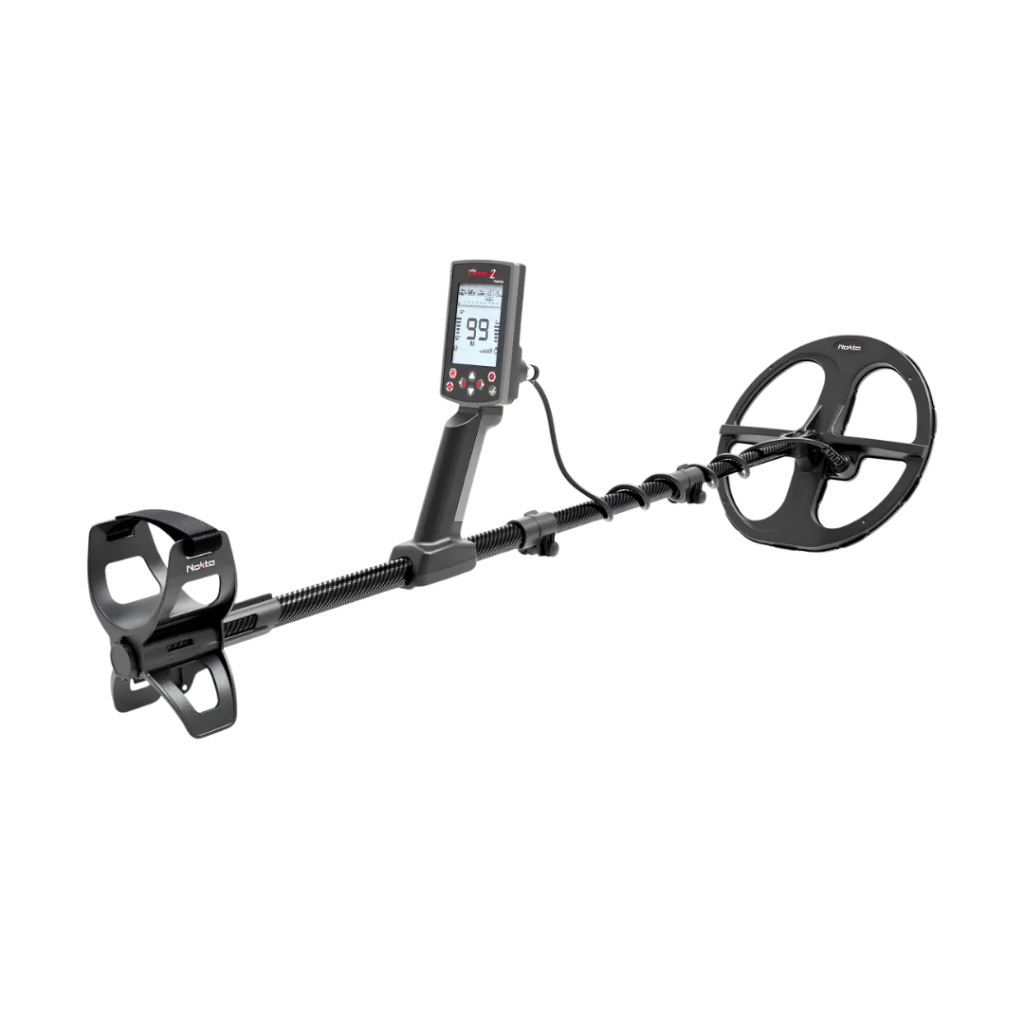
Nokta The Legend 2 Multi Frequency Metal Detector
Nokta The Legend 2 -Advanced SMF detector with great depth, waterproof design and stable target ID.
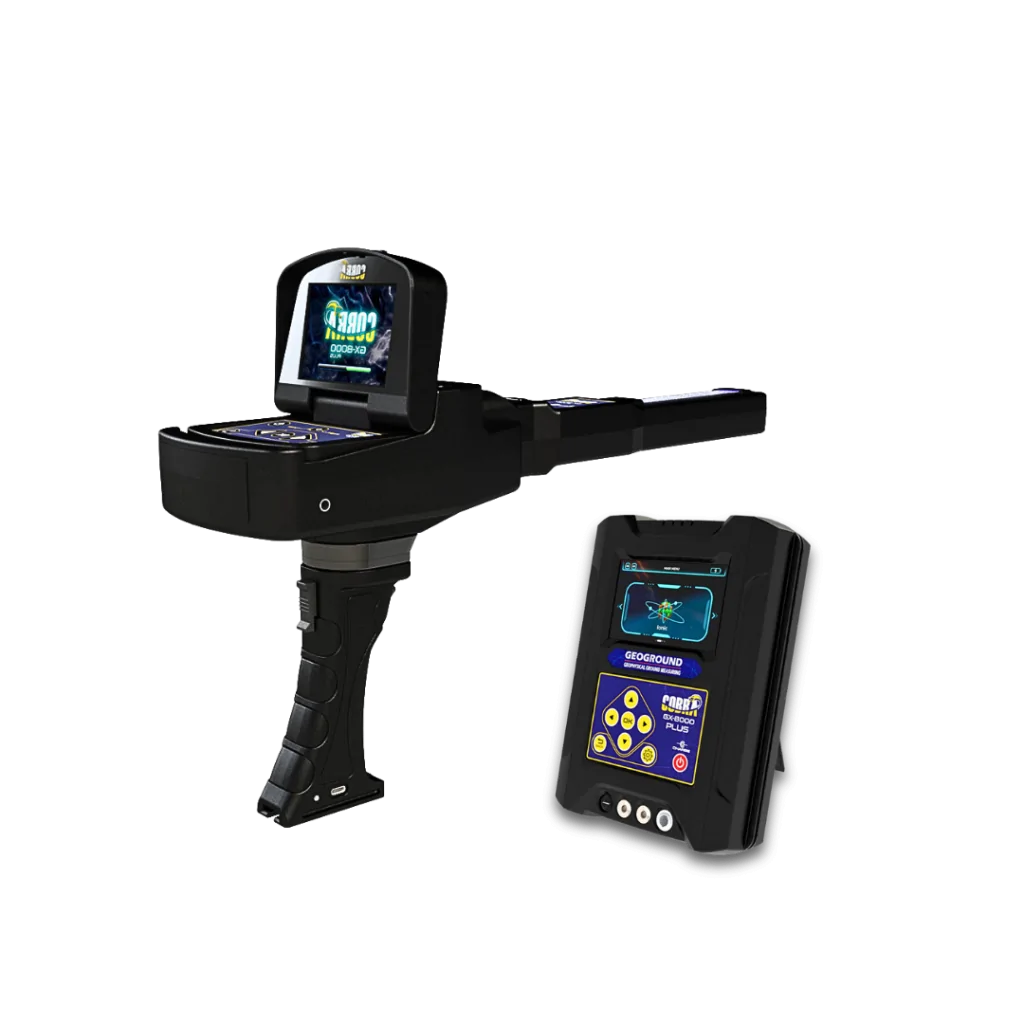
COBRA GX 8000 Plus Professional Gold Detector
COBRA GX 8000 Plus offers advanced multi-system detection to locate gold, metals, and buried treasure
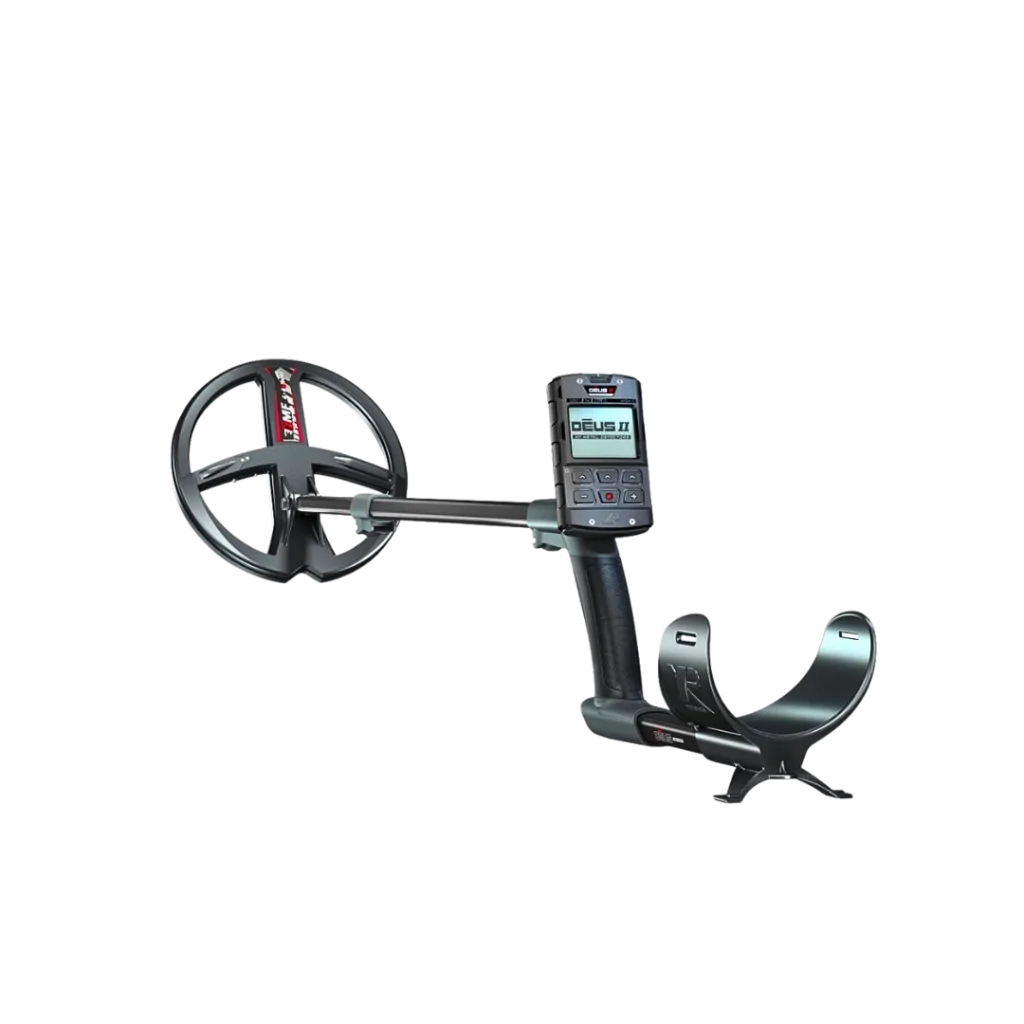
XP Deus II Wireless Professional Metal Detector
Experience the XP Deus II — the world’s most powerful wireless metal detector. Multi-frequency FMF® te
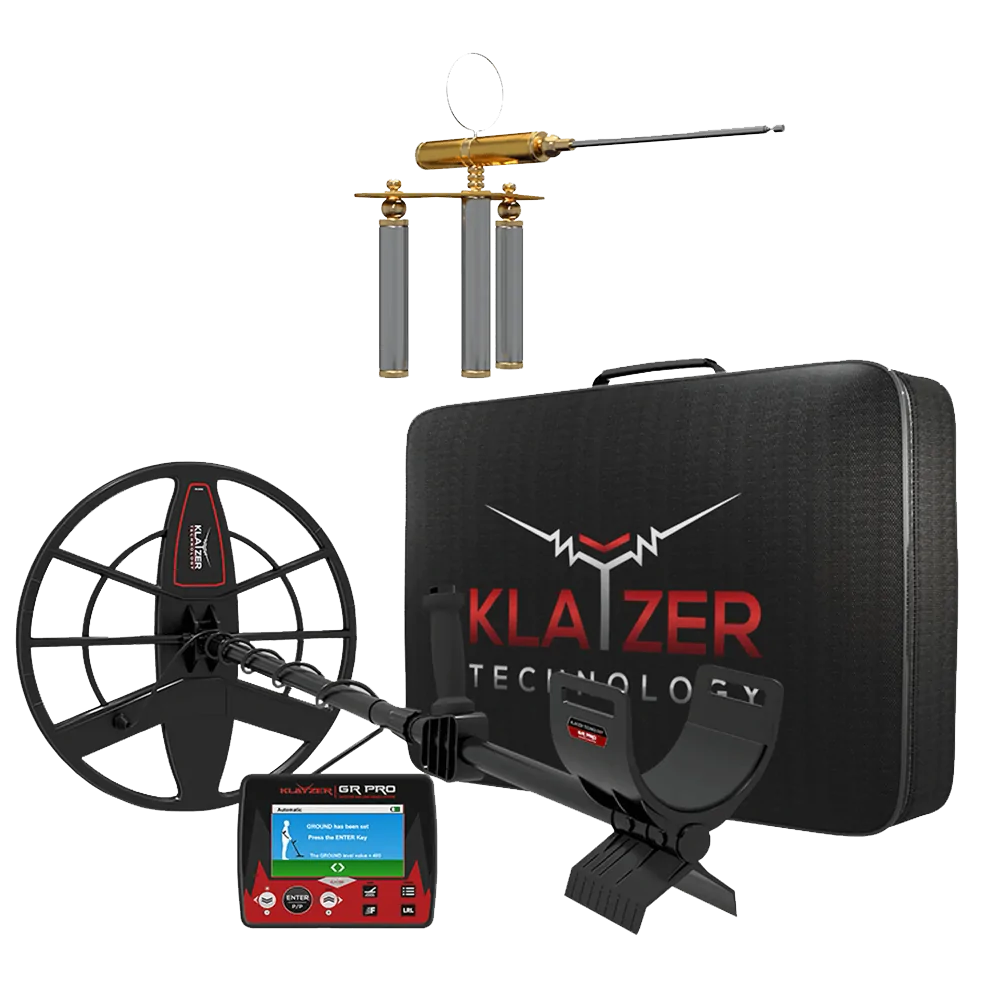
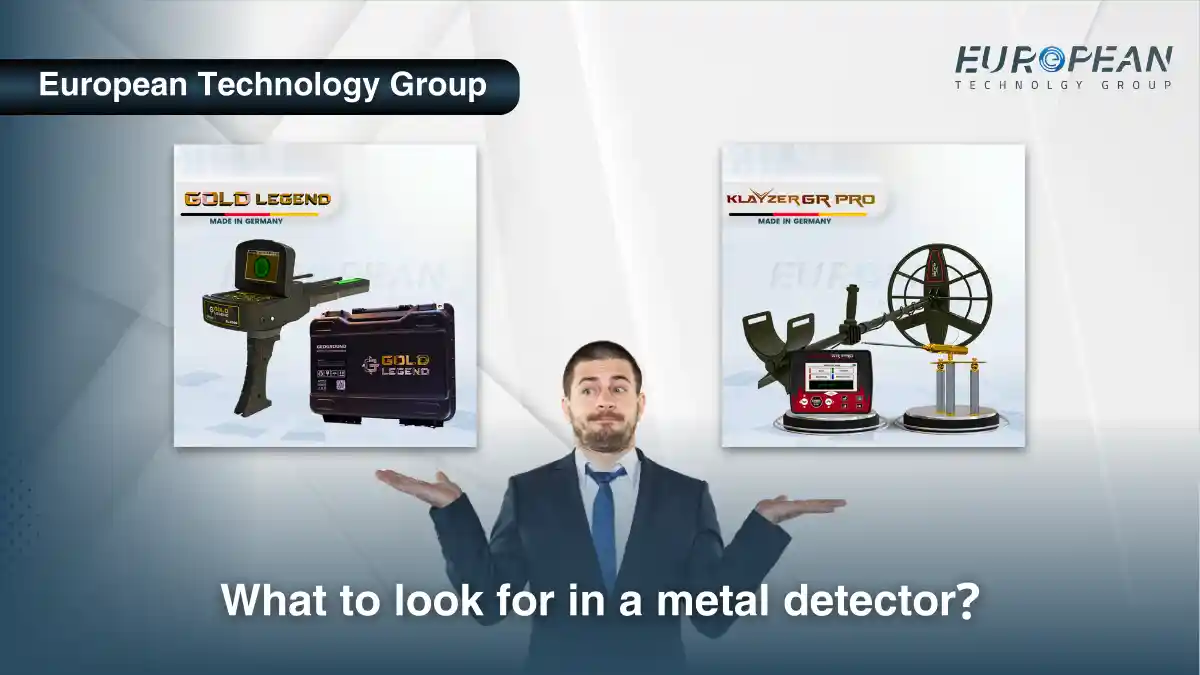
Klayzer Gr Pro Professional Gold Detector
Klayzer Gr Pro – advanced gold detector for deep, accurate treasure and gold hunting.
Table of Contents
ToggleBeyond the Surface: The Power of Multi-Frequency Metal Detectors
With Multi-Frequency Metal Detectors see through the ground. Unearth lost legacies and golden dreams with clarity.
Multi-Frequency Metal Detectors Explained and Best Models in 2025
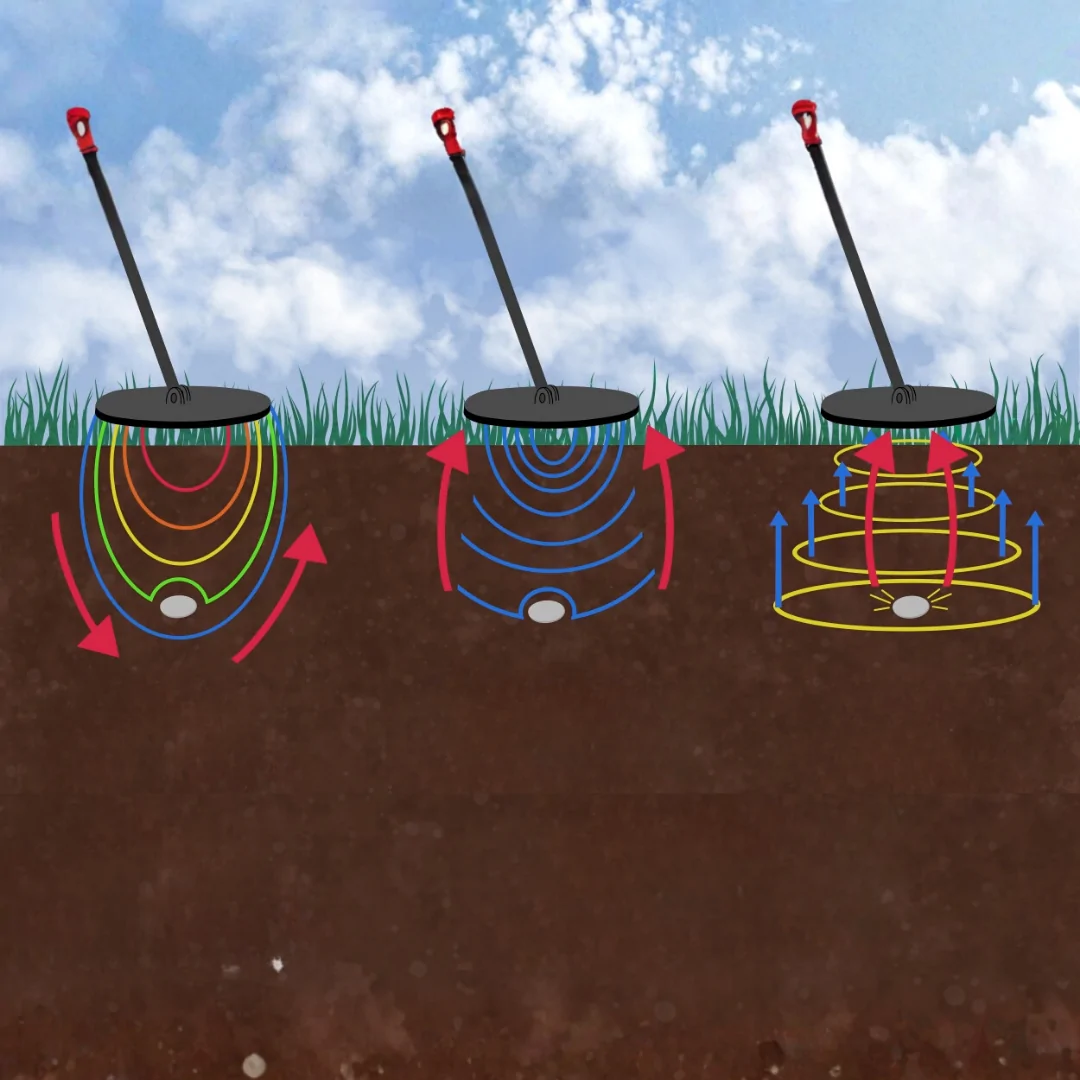
To understand the true power of these devices, one must delve into the physics of detection. Traditional VLF systems force a compromise: low frequencies penetrate deep for large relics, while high frequencies offer the sensitivity needed for tiny gold nuggets. Relying on a single frequency is akin to using a flashlight with a narrow beam—effective for specific tasks but limited in scope.
The revolution lies in simultaneous multi-frequency (SMF) technology. Acting like a complete lighting system, it transmits a spectrum of frequencies at once. By intelligently analyzing the complex data returned from this broad range, the detector creates a rich target profile, delivering superior identification and ignoring soil mineralization with unprecedented precision.
Detection fundamentals
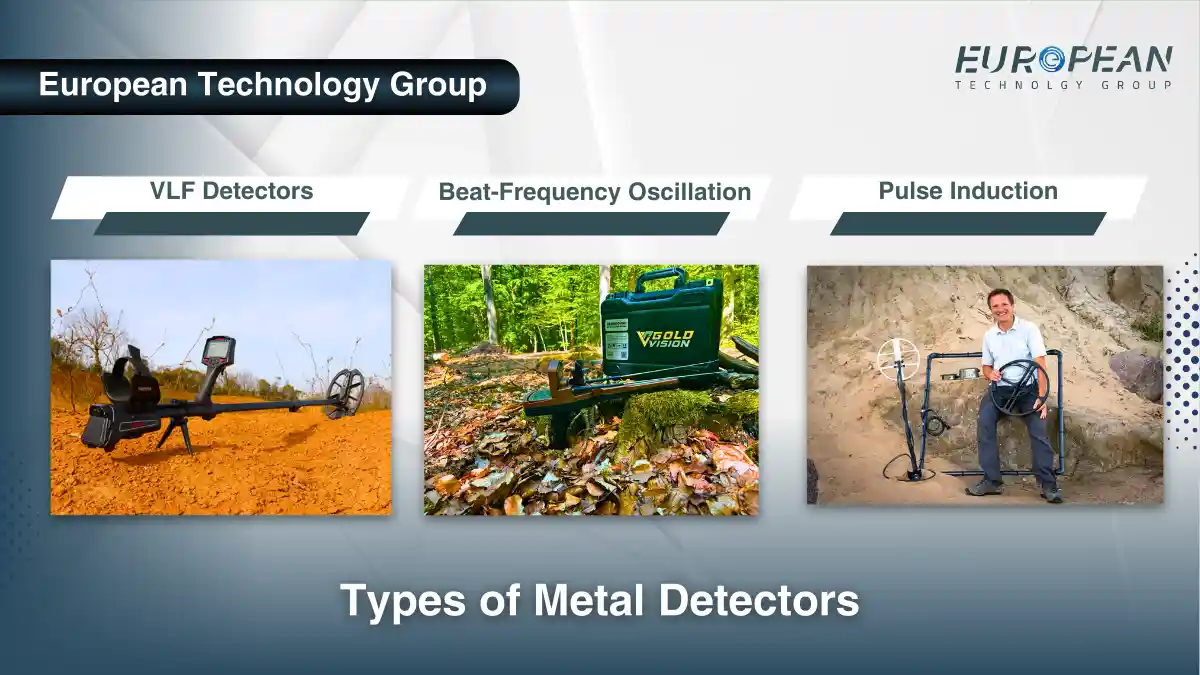
Most Multi-Frequency Metal Detectors rely on very low frequency (VLF) technology. This system operates by transmitting an electromagnetic field from the transmit coil into the ground. When this field strikes a metallic target, it induces small electrical currents in the target called “eddy currents”.
These currents in turn generate their own electromagnetic field, which is picked up by the receive coil in the device, which analyses the signal and alerts the user. The frequency of this field is measured in kilohertz (kHz), which is the number of electronic waves transmitted and received per second. The importance of frequency lies in the fact that each range has different strengths:
- Low frequencies (below 10 kHz): These frequencies have longer wavelengths, which gives them excellent ability to penetrate the soil and reach greater depths. They are also more sensitive to larger, high-conductivity targets, such as large silver coins and copper relics.
- High frequencies (above 18 kHz): These frequencies have shorter wavelengths, which limits their penetration depth, but in return they have exceptional sensitivity to small, low-conductivity targets. This makes them ideal for finding natural gold nuggets, fine jewellery such as chains and earrings, and thin coins.
The qualitative leap
The genius of multi-frequency detectors lies in their ability to transmit and receive a wide range of low and high frequencies at the same time, simultaneously. A single-frequency machine can be likened to a torch that emits a single beam of light, which is effective at illuminating a certain type of target.
By contrast, a simultaneous multi-frequency (SMF) detector is like a complete lighting system that emits multiple colours of light at the same moment, revealing all types of targets in the scene at once.
But the true power does not lie only in transmitting multiple frequencies, but in the intelligent processing of the returning signals. The device’s processor analyses the target’s response across the entire frequency spectrum, comparing similarities and differences between them. This real-time comparative analysis creates a richer, more detailed data profile of the target, enabling the device to identify it more accurately and to ignore misleading signals caused by soil mineralisation.
The decisive advantages of multi-frequency devices
The scientific superiority of multi-frequency technology translates into tangible benefits, granting users a decisive edge in the most challenging environments. By analyzing ground response across multiple bands, these devices effectively filter out interference from mineralized soil and conductive salt water, ensuring stable operation where single-frequency models often fail.
Beyond stability, they deliver the "best of both worlds"—combining deep penetration with high sensitivity. This allows for precise target identification at greater depths, significantly minimizing unnecessary digging. Ultimately, this offers unmatched versatility, providing a comprehensive, all-in-one tool capable of hunting coins, relics, and gold across any terrain.
Superiority in the toughest conditions
Mineralised soil (such as iron-rich red clay or black sand) and electrically conductive salt water are among the biggest challenges facing single-frequency detectors. These conditions generate their own electromagnetic responses, leading to major interference and false signals that “mask” the signals of real targets.
Multi-frequency technology excels in these environments, where it can analyse the ground response across different frequency bands and filter it effectively. The result is stable operation and accurate target identity in conditions where single-frequency devices may fail entirely, and it is almost impervious to the effects of salt water on beaches.
Greater depth and superior target identification accuracy
Multi-frequency devices achieve greater detection depth because they benefit from the best of both worlds: the deep penetration of low frequencies and the sensitivity of high frequencies to small targets.
More importantly, they maintain accurate target identification at great depths, whereas single-frequency devices tend to misclassify deep targets as iron or give unstable readings. This means less time digging worthless targets and a higher success rate in recovering valuable treasures.
Unmatched versatility Multi-Frequency Metal Detectors
Multi-frequency devices represent the comprehensive, all-in-one tool for metal detecting. A single device can be used effectively to hunt coins in a park, relics in a farm field, jewellery on the beach, and prospect for gold nuggets in mineralised ground.
This flexibility eliminates the need to own multiple specialised devices, providing better value and greater convenience for the user.
| Feature | Single-frequency (VLF) technology | Simultaneous multi-frequency (SMF) technology |
|---|---|---|
| Handling mineralised soil | Limited performance, prone to interference and false signals | Superior, stable performance, high ability to ignore soil mineralisation |
| Searching in salt water | Unstable, loses depth and sensitivity significantly | Excellent performance, almost impervious to the effects of salt |
| Target identification accuracy | Good at shallow depths, its accuracy decreases markedly with depth | Very accurate even at great depths |
| Detection depth | Good for targets that match its frequency, but limited overall | Greater depth over a wider range of targets |
| Versatility of use | Specialised, requires different machines or coils for varied tasks | A single multi-purpose device suitable for all environments and targets |
Specialized gold detectors versus multi-purpose devices
Dedicated gold detectors are usually either VLF devices operating at very high individual frequencies (ranging between 40 and 70 kilohertz and more) or devices operating with pulse induction (PI) technology. Their primary design objective is to achieve maximum possible sensitivity to the smallest gold nuggets in highly mineralised soil, often at the expense of precise discrimination among other metals.
By contrast, a modern multi-frequency detector uses a combination of multiple frequencies and advanced processing in its dedicated “Gold Mode”. This mode improves the device’s sensitivity to gold while maintaining excellent discrimination capabilities and flexibility for searching for other targets. For the professional prospector whose income depends entirely on finding natural gold, a dedicated device may still be the preferred choice.
But for the serious hobbyist or treasure hunter who also wishes to find gold, a modern multi-frequency device is a practical and more cost-effective investment, because it delivers performance approaching that of specialised devices without sacrificing the ability to search for coins, relics, and jewellery on the same day and with the same machine.
Beginners’ guide
Entering the world of metal detecting is exciting, but the learning curve depends heavily on your equipment. For novices, the priority should be a lightweight design for endurance and an intuitive interface that simplifies discrimination. The goal is to avoid the frustration of digging trash by choosing a high-quality entry-level device that balances performance with ease of use.
The Klayzer Max 2d exemplifies this balance. Weighing just 1.6 kg, it bridges the gap to professional capability with a unique 2D visual screen that sketches target shapes. By combining smart automatic ground balancing with a depth potential of up to 3 meters, it allows beginners to master detection quickly without being overwhelmed by complex settings.
Tips for choosing your first device
For beginners, focus on several key factors to ensure an enjoyable and rewarding experience:
- Ease of use: Look for a device with a simple interface and pre-set search modes (such as Coin Mode, Jewellery Mode).
- Weight and design: Choose a lightweight device that is comfortable to use for long periods without fatigue.
- Good discrimination capability: This feature is vital to avoid the frustration of digging lots of metallic rubbish (such as bottle caps and nails).
- Budget: It is better to start with a high-quality entry-level or mid-range device rather than immediately investing in the most expensive and most complex model.
The Klayzer max 2d device
There are some key features of the Klayzer max 2d:
- Instant two-dimensional visual representation: This is its standout feature. The device sketches an approximate shape of the target on the screen, providing beginners with a visual cue that is much easier to interpret than relying solely on audio tones.
- Advanced discrimination and digital identity: It offers an excellent discrimination system with a digital identity (ID), colour coding, and written messages, helping the user quickly learn to distinguish between valuable targets and rubbish.
- Smart automatic systems: It features automatic and manual ground balance, and a Metal Screening System (MSS) that simplifies searching in difficult soils, a major hurdle for beginners. Extreme ease of use: Weighing only 1.6 kg with an ergonomic design and simple menus, it can be used for long hours effortlessly.
- Additional features: It has a detection capability of up to 3 metres, a void-detection feature (to find caves and catacombs), and a waterproof search coil.
Professionals’ guide
As expertise matures, requirements shift toward absolute depth and efficient wide-area surveying. Professionals demand a robust multi-system architecture capable of conquering difficult terrains like rocky basalt. The Klayzer Gr Pro meets this challenge by integrating Long Range Locator (LRL) technology with precise deep-search VLF systems.
This hybrid approach allows experts to scan up to 2 kilometers to identify "hotspots" before verifying targets up to 20 meters deep. However, elite performance requires reliability; choosing a manufacturer known for innovation and comprehensive warranty support is essential to ensure your investment withstands harsh field conditions for the long term.
The Klayzer gr pro system
There are some key systems of the Klayzer gr pro:
- Long-range locator (LRL) systems: This is the most professional feature. The system uses high-frequency waves to scan huge areas (up to 2 kilometres) in search of potential targets at great depths (up to 20 metres). This system acts as a wide-angle lens to identify promising “hotspots” before detailed searching begins.
- Deep search system (VLF): Once a promising area is identified using the LRL system, this system is used for precise searching for metals and voids at depths of up to 3 metres, with precise discrimination and depth estimation in centimetres.
- Surface scanning and pinpointing systems (Pinpointer): For accurately recovering targets and searching for surface targets.
- Professional features: It is capable of working in all terrains, including rocky and basaltic soils, and comes with several waterproof search coils dedicated to different depths, in addition to advanced features such as ionic separation.
| Feature | Klayzer max 2d | Klayzer gr pro |
|---|---|---|
| Target user | Beginner to intermediate | Professional and expert |
| Core technology | Advanced VLF (very low frequency) | Multi-system (VLF + long-range locator LRL) |
| Maximum detection depth | Up to 3 metres (VLF system) | Up to 20 metres (LRL system) / 3 metres (VLF system) |
| Main feature | 2D visual interface and ease of use | Wide-area survey system (LRL) and multiple detection systems |
| Ideal environment | Parks, fields, beaches (for beginners) | Vast open areas, deep searching, professional surveying |
Manufacturer selection criteria
When choosing, consider the following factors:
- Reputation and reviews: Look for established brands with positive user reviews, indicating product reliability and customer satisfaction.
- Technological innovation: Choose companies that invest in research and development and continually push the boundaries of technology. An innovative company ensures that your device will not become outdated quickly.
- Warranty and customer support: A good warranty (usually between two and three years) and responsive customer service are vital. The device is a field tool used in harsh conditions and may require maintenance or repair.
- Compatibility with your environment: Ensure that the manufacturer offers products and accessory search coils that suit the soil conditions and specific targets in your region.
Actually, a company that provides strong after-sales support, continuous software updates (for digital devices), and a wide range of accessories, ensures you get the most out of your investment in the long term.
Frequently Asked Questions About Multi-Frequency Metal Detectors Explained and Best Models in 2025
Why are multi-frequency models better for beach hunting?
Saltwater creates conductive interference that blinds standard detectors. Multi-frequency technology analyzes and filters these signals across bands, allowing you to ignore wet salt sand noise while maintaining depth and sensitivity for jewelry and coins.
Can a multi-purpose detector find natural gold nuggets?
Yes, modern multi-frequency detectors feature dedicated “Gold Modes.” They process high frequencies to detect tiny nuggets while retaining the ability to discriminate iron, offering a cost-effective alternative to specialized single-purpose gold machines for most hobbyists.
Is investing in multi-frequency technology worth the cost?
Absolutely. Instead of buying separate machines for beaches, parks, and gold prospecting, a single multi-frequency device handles all environments efficiently. This versatility saves money long-term and ensures you never miss a target due to wrong equipment.
Conclusion- Multi-Frequency Metal Detectors Explained and Best Models in 2025
Whether you are a beginner looking for a device that takes you by the hand and leads you to your first find, the Klayzer max 2d with its easy visual interface is your perfect gateway. Or if you are an experienced researcher seeking maximum power and efficiency to survey vast areas, the professional Klayzer gr pro system places in your hands the tools needed to turn your ambition into legendary discoveries.
The technology exists, and the treasures are waiting. Now is the right time to equip yourself and set off on an adventure you will remember forever. Start your journey today, and uncover the hidden history beneath your feet.


Excellent read! The article does a great job of outlining the main distinctions between VLF and PI metal detectors. It’s well-balanced, easy to follow, and incredibly useful for anyone deciding which detector type to go for.
I genuinely enjoyed reading this article. The way you connected the ideas felt natural and thoughtful, and the insights you shared were truly refreshing. Thank you for creating such meaningful content!