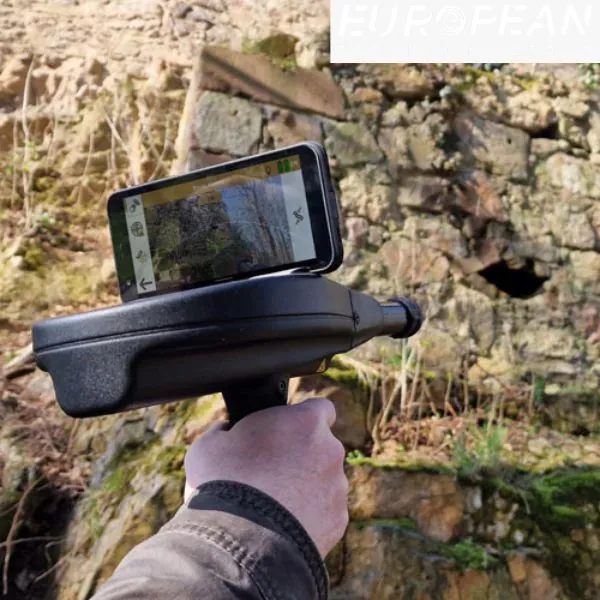
Metal detector or gold detector? Which I Need?

Metal detector or gold detector? Which I Need?
Metal detector or gold detector? Which I Need? Learn key differences in sensitivity and target ID, plus what works best for beaches, parks, and nugget ground.
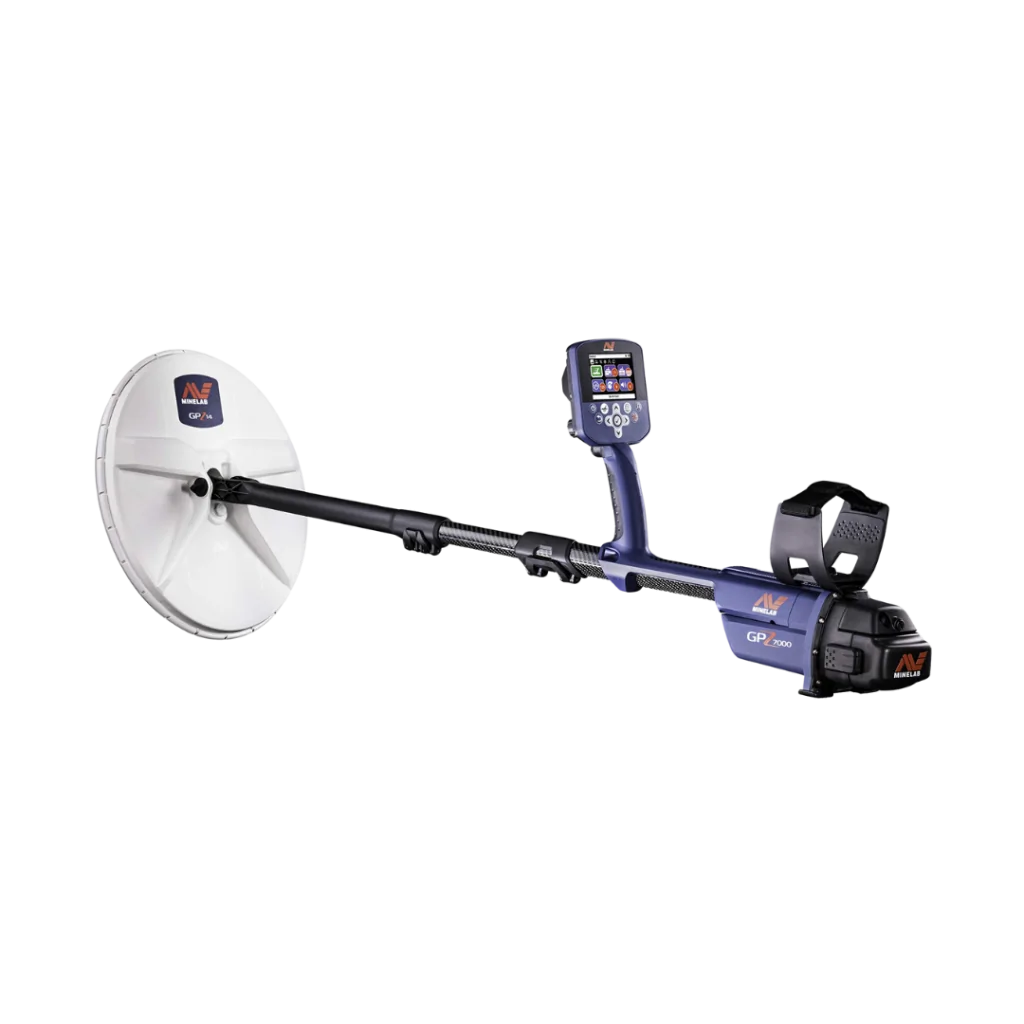
Minelab GPZ 7000 Powerful Gold Detector Machine
The Minelab GPZ 7000 sets the standard in gold detection: deep penetration, advanced ZVT
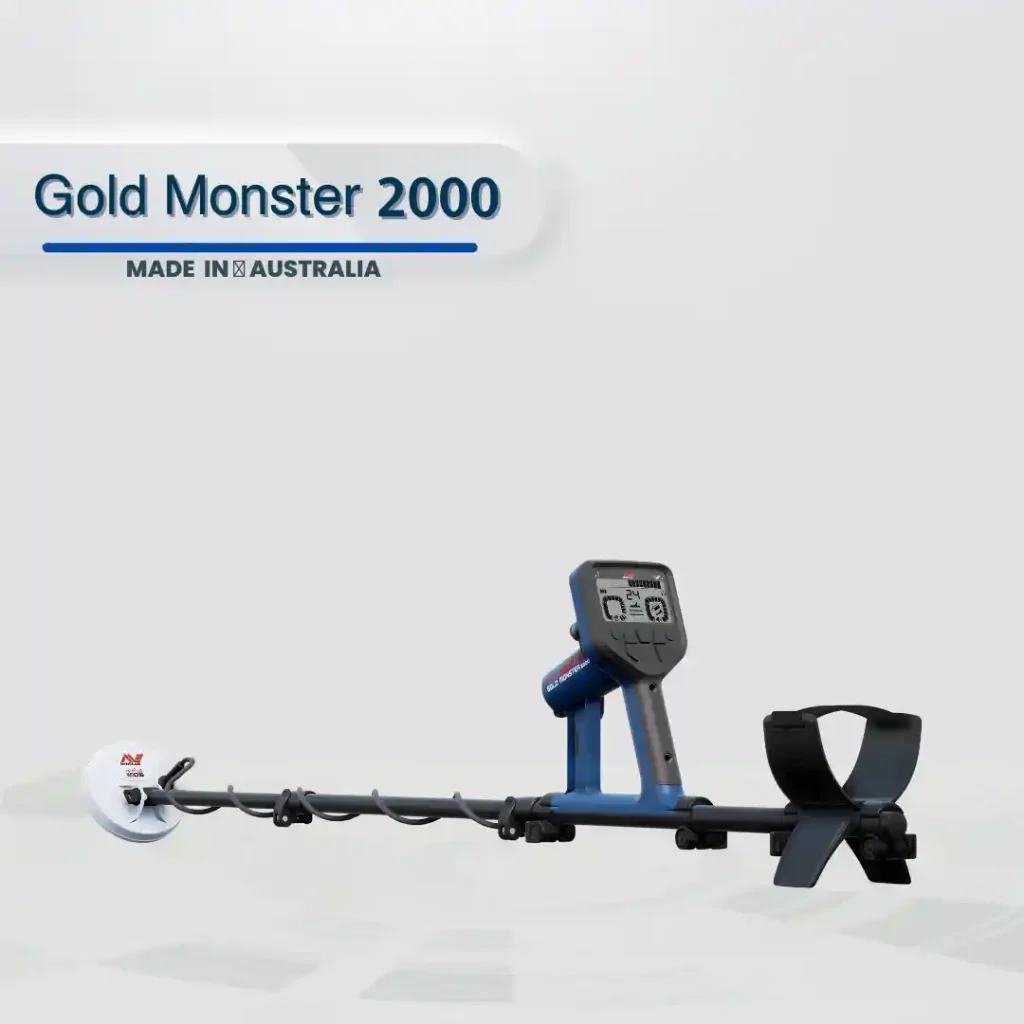
Minelab Gold Monster 2000 Professional Gold Detector
Minelab Gold Monster 2000 offers high sensitivity for raw gold in all terrains. Ea
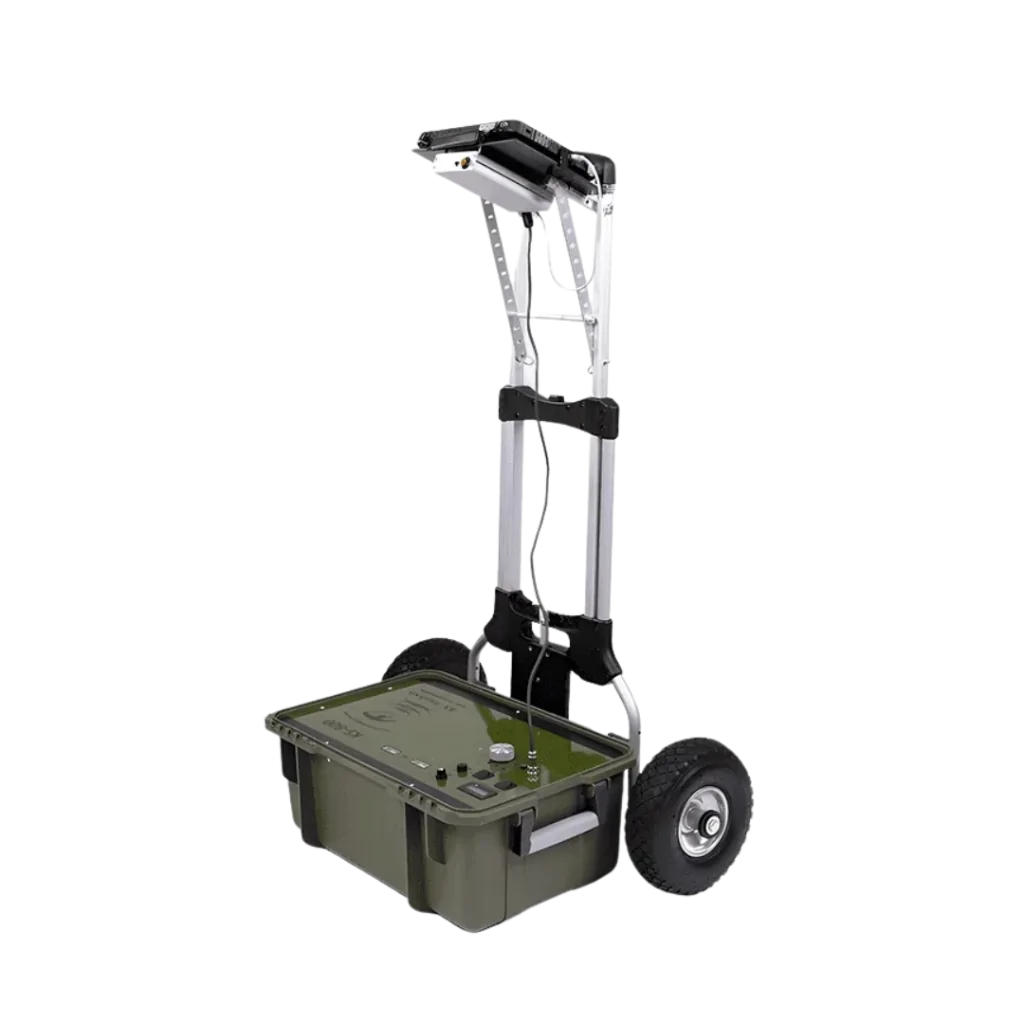
KS 800 High Performance Professional Gold Detector
Discov ks 800 GPR – a professional ground radar for gold, metals, and buried structures
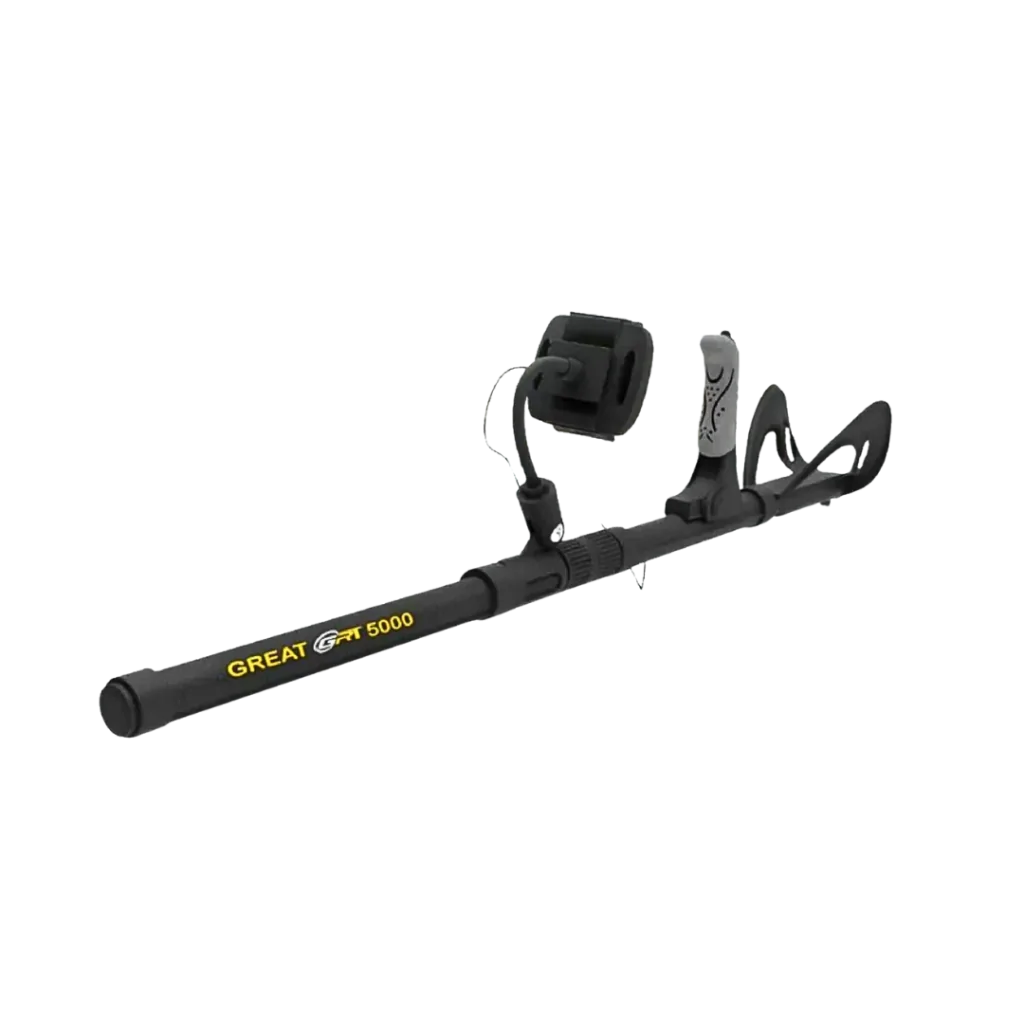
GRT Great 5000 Advanced Gold Detector Scanner
The GRT Great 5000 delivers unmatched power, precision, and advanced features for professionals seeking pea
Table of Contents
ToggleWhat should you look for in a metal detector? – From the European Technology Group
Today, we at Euro technology Group have provided you with our next article, which is a good guide for any beginner who wants to buy the device.
Metal detector or gold detector? Which I Need and Which is Better
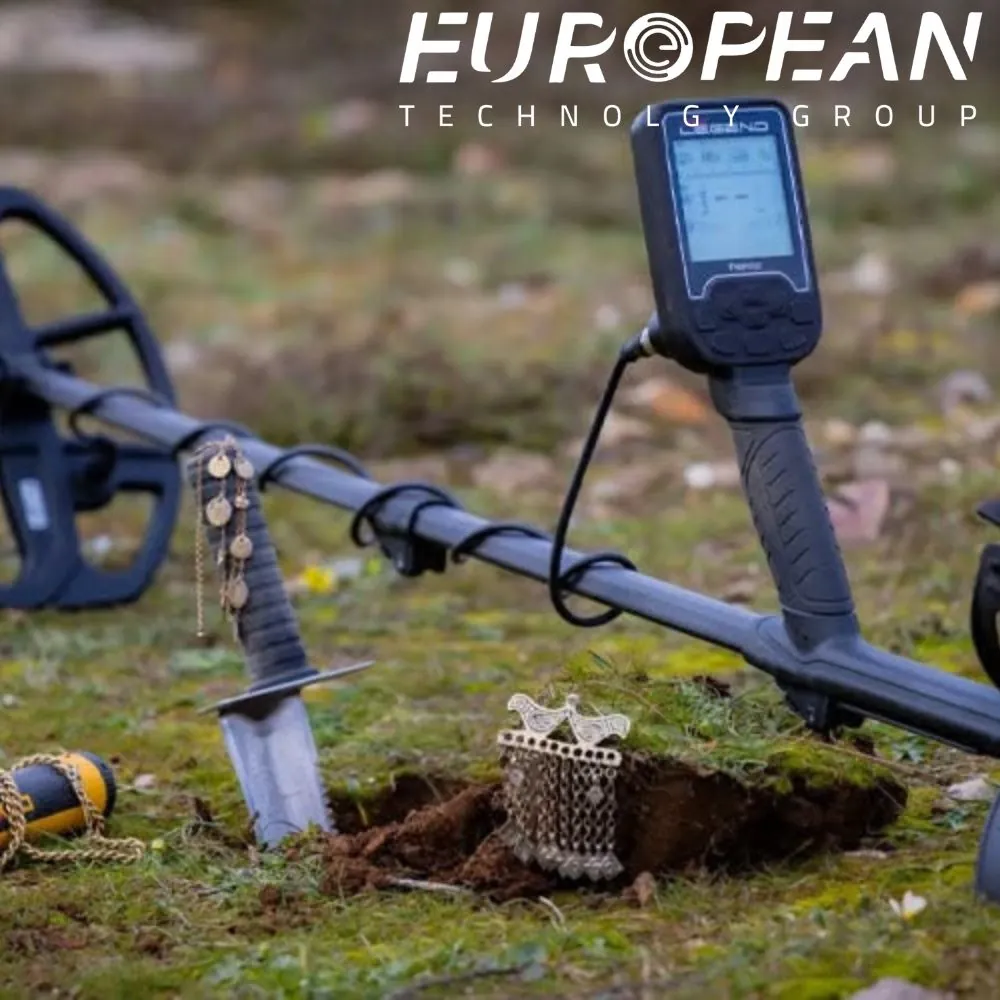
A general-purpose metal detector is an instrument of variety, engineered to locate a broad spectrum of metallic objects. These devices are the tool of choice for hobbyists searching parks, beaches, and historical sites for coins, relics, artifacts, and jewelry, including gold rings and silver chains. Success for this user is defined by the diversity and historical significance of their finds. A gold find is a welcome bonus, but not the sole purpose of the expedition.
In stark contrast, a specialized gold detector is a precision instrument for the prospector. Its design is singularly focused on locating naturally occurring gold—the small nuggets, tiny flakes, and specimen pieces found in their raw state.
This user is not a generalist; they are a specialist pursuing a specific, often elusive, and highly valuable target in environments that would overwhelm a standard machine. Therefore, the choice between a metal detector or gold detector is not about which is universally "better," but which is precisely suited to the intended target and environment.
Why is Operating Frequency the Deciding Factor in a Metal Detector or Gold Detector?
The single most important technical specification that separates a general-purpose metal detector or gold detector is its operating frequency.
Measured in kilohertz (kHz), frequency refers to the number of electromagnetic waves the detector's coil transmits into the ground and receives back every second.
A frequency of 10kHz means the device sends and receives 10,000 electronic signals per second. This rate is not arbitrary; it is a deliberate engineering choice that fundamentally defines the detector's capabilities.
Low-Frequency Detectors
General-purpose metal detectors typically operate at lower frequencies, usually in the range of 5kHz to 15kHz. These low frequencies generate longer electromagnetic wavelengths that penetrate the ground more deeply and are highly effective at locating targets with high electrical conductivity.
This makes them ideal for finding objects like large silver and copper coins, which are excellent conductors of electricity. For the hobbyist searching for a wide variety of coins and relics, a low-frequency machine offers the best combination of depth and sensitivity for their most common targets.
High-Frequency Detectors
Gold, particularly in its natural, unalloyed state, has a lower conductivity compared to metals like silver or copper. To detect these low-conductivity targets, especially small ones, a detector must operate at a much higher frequency. Specialized gold detectors function at frequencies ranging from 18kHz to as high as 71kHz and beyond.
The shorter wavelengths of these high frequencies are exceptionally sensitive to small gold nuggets and flakes that a low-frequency detector would simply ignore.6 This engineering choice represents an irreversible compromise.
The high frequency that brings tiny gold targets into sharp focus comes at the cost of the raw depth penetration that lower frequencies provide. A gold detector is therefore not just a "more sensitive" metal detector; it is a fundamentally different instrument built around a specific physical imperative dictated by the properties of gold itself.
Frequency Range | Target Conductivity | Ideal Targets | Primary Detector Type |
Low (<15kHz) | High | Silver Coins, Copper Coins, Large Relics | General Purpose Metal Detector |
Mid (15kHz−40kHz) | Medium to Low | Brass Relics, Gold Jewelry, Small Coins | All-Terrain / Multi-Purpose Detector |
High (>40kHz) | Low | Small Gold Nuggets, Gold Flakes, Specimen Gold | Specialized Gold Detector |
VLF, PI, and the Multi-Frequency Revolution in a Metal Detector or Gold Detector
Beyond operating frequency, the core technology that generates and interprets the signals defines a metal detector or gold detector’s performance, particularly in challenging ground conditions. This represents a technological arms race against the two main adversaries of any detectorist: ground mineralization and target identification.
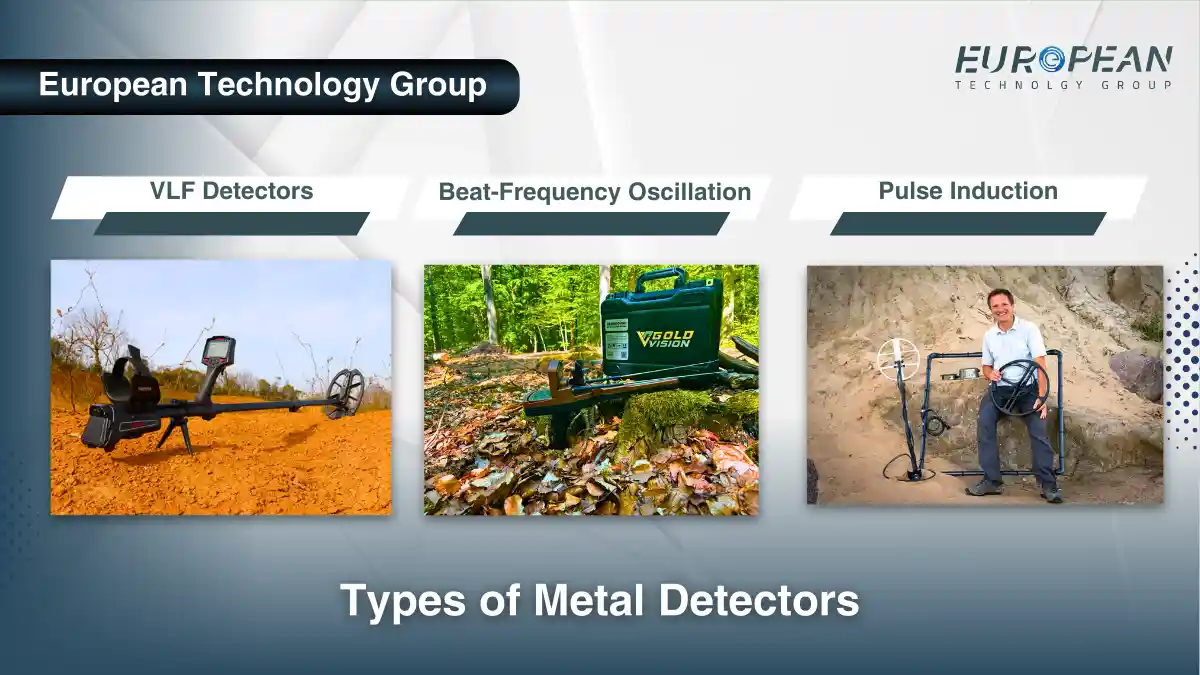
VLF (Very Low Frequency)
VLF technology is the most common type found in metal detectors. These devices use two separate wire coils in the search head: a transmitter coil and a receiver coil.
The transmitter sends a continuous electromagnetic field into the ground. When this field encounters a metallic object, it induces a small electrical current (eddy currents) in the target, which in turn generates its own magnetic field.
The receiver coil detects this new field and analyzes the difference, or "phase shift," between the transmitted and received signals. The key strength of VLF technology is its ability to interpret this phase shift to provide excellent target discrimination—the ability to differentiate between various metals like iron, aluminum, gold, and silver. Its primary weakness is a susceptibility to ground mineralization, where conductive minerals in the soil can create false signals and mask legitimate targets.
PI (Pulse Induction)
PI technology was developed specifically to overcome the limitations of VLF detectors in extreme environments. Instead of a continuous wave, a PI metal detector or gold detector transmits short, powerful bursts (pulses) of energy through a single coil.
After each pulse, the machine briefly stops transmitting and listens for the decaying magnetic field generated by a target. Because it is not trying to measure a delicate phase shift, this method is almost completely immune to the effects of highly mineralized soil and saltwater, allowing PI detectors to achieve incredible depth in conditions where VLF machines become unusable.
This makes a PI the ultimate tool for serious gold prospecting in “hot” ground and for deep beach hunting. However, this power comes with a significant trade-off: PI detectors have very limited to no ability to discriminate between different types of metal. The operator must therefore be prepared to dig nearly every target.
Multi-Frequency (MF) / Simultaneous Multi-Frequency (SMF)
The latest evolution in a metal detector or gold detector technology, SMF is an advanced form of VLF that transmits, receives, and analyzes multiple frequencies at the same time. By processing a much richer stream of data from both low and high frequencies simultaneously, an SMF detector can create a more accurate profile of a target and the ground around it.
This results in superior target identification and dramatically improved performance in mineralized ground and on wet salt beaches, approaching the stability of a PI machine without sacrificing the excellent discrimination of a VLF machine.
This technology has created a new class of "do-it-all" detectors that can effectively hunt for coins in a park, relics in an iron-infested field, and even prospect for gold.
Feature | VLF Technology | PI Technology |
Operating Principle | Continuous sine wave, measures phase shift | Short, high-voltage pulses measures signal decay |
Target Discrimination | Excellent (can identify different metals) | Poor to None (basic ferrous/non-ferrous at best) |
Ground Mineralization | Can be affected, requires good ground balance | Largely immune, excels in "hot" ground and saltwater |
Ideal Targets | Coins, jewelry, shallow relics | Gold nuggets, deep relics, beach hunting |
Price Point | Low to High | High to Professional |
Essential Features That Define a Successful Hunt in a Metal Detector or Gold Detector
The performance of any metal detector or gold detector, regardless of its core technology, is refined by a set of critical features.
Mastering the interplay between these functions is what separates a novice from an expert and is essential for maximizing finds.
Ground Balance
Ground mineralization refers to the naturally occurring conductive minerals in the soil, such as iron particles and salts, which can create a persistent "ground noise" that masks the faint signals from buried targets.
Ground Balance is the single most important feature in any metal detector or gold detector for negating this effect. It calibrates the detector to the specific mineralization of the soil, effectively telling it to ignore the ground and listen only for distinct targets.
This process dramatically increases detection depth and provides a more stable, quieter operation. For high-frequency gold detectors, which are inherently more sensitive to ground minerals, a precise and responsive ground balance system is not just a feature—it is a prerequisite for effective use.
Systems range from preset (for beginners) to manual, automatic, and tracking, which continuously adjusts the balance as the operator moves across changing ground.
Discrimination in any metal detector or gold detector
Discrimination is the detector's ability to filter out unwanted targets, typically iron and common trash items like foil and pull-tabs, based on their electrical conductivity.
Using modes like "Notch" or pre-set patterns for coins or jewelry can save an operator countless hours of digging through worthless junk.
However, this feature presents a unique challenge for the gold prospector and raises the important question of metal detector vs gold detector when it comes to handling small, low-conductivity targets. Small gold nuggets and flakes can have a conductivity signature very similar to that of aluminum foil or lead fragments.
Aggressive discrimination settings can cause the detector to classify these valuable targets as trash, rendering them invisible. For this reason, many professional prospectors use minimal discrimination or hunt in a true "All-Metal" mode, relying on subtle audio cues to identify potential targets.
Search Coils
The search coil is the metal detector or gold detector's antenna, and its size, shape, and configuration have a profound impact on performance.
- Size: Large coils (over 11 inches) cover more ground per sweep and detect deeper targets, but they are less sensitive to very small items and can be difficult to use in trashy areas. Small coils (under 8 inches) offer superb sensitivity to tiny targets and excellent target separation (the ability to distinguish adjacent targets), but at the cost of depth and ground coverage.
- Shape: Circular coils are the most common, offering stable performance and good depth. Elliptical coils provide a more elongated search pattern, making them easier to maneuver around rocks and other obstacles.
- Configuration: The internal wiring of the coil determines its search field. Concentric coils produce a cone-shaped field ideal for precise pinpointing but can struggle in mineralized soil. Double-D (DD) coils create a blade-like field that handles mineralization exceptionally well, offering great stability and target separation. Monoloop coils, used on PI detectors, have a single winding that generates the deepest possible detection field, but can be more challenging to ground balance.
A Profile-Based Guide
Choosing the right metal detector isn’t about finding one “best” model—it’s about matching the machine to your goals, your hunting locations, and the ground conditions you’ll face. A coin shooter working parks and beaches needs accurate discrimination and a clear Target ID, while a relic hunter in old fields requires faster recovery and strong target separation in iron-heavy soil.
Gold prospectors, however, operate in highly mineralized ground where sensitivity, ground balance, and audio threshold matter far more than coin-style discrimination. And for those who want one detector for everything, a high-end SMF unit with a dedicated Gold Mode can deliver true all-around performance.
Profile 1: The Hobbyist and Coin Shooter
This individual primarily hunts in parks, schoolyards, and on beaches for modern coins and lost jewelry. The ground is typically low to moderately mineralized.
- Recommendation: A VLF or SMF metal detector with excellent discrimination and a clear visual Target ID display is ideal. A specialized gold detector is unnecessary and would be less effective for their main target: high-conductivity silver coins.
Profile 2: The Relic and History Hunter
This enthusiast seeks older coins, buttons, buckles, and historical artifacts in old fields and forgotten homesteads. These sites often contain high concentrations of iron trash and can have challenging, mineralized soil.
- Recommendation: An advanced VLF detector with a fast recovery speed or, preferably, an SMF detector. The versatility of SMF technology provides a significant advantage in handling varied soil conditions and separating valuable targets from iron.
Profile 3: The Dedicated Gold Prospector
This user is singularly focused on finding natural gold in known gold-bearing regions. The environment is almost always highly mineralized.
- Recommendation: A specialized high-frequency VLF gold detector for its unmatched sensitivity to small gold, or a professional PI gold detector for maximum possible depth and immunity to the most extreme ground mineralization. Features like ground balance and audio threshold are far more important than discrimination.
- A fourth profile is also emerging: the versatile professional who wants a single high-performance machine for all scenarios. This user is the ideal candidate for a high-end SMF detector that includes a dedicated "Gold Mode," offering the flexibility to excel at relic hunting one weekend and gold prospecting the next.
European Technology Group: Your Partner in Metal Detector or Gold Detector Discovery
At European Technology Group, expertise comes bundled with world-class detection equipment. Our range of metal detector and gold detector models is carefully curated to match every type of user—from first-time hobbyists to professional geophysical surveyors—so you can choose confidently based on real needs, not marketing claims.
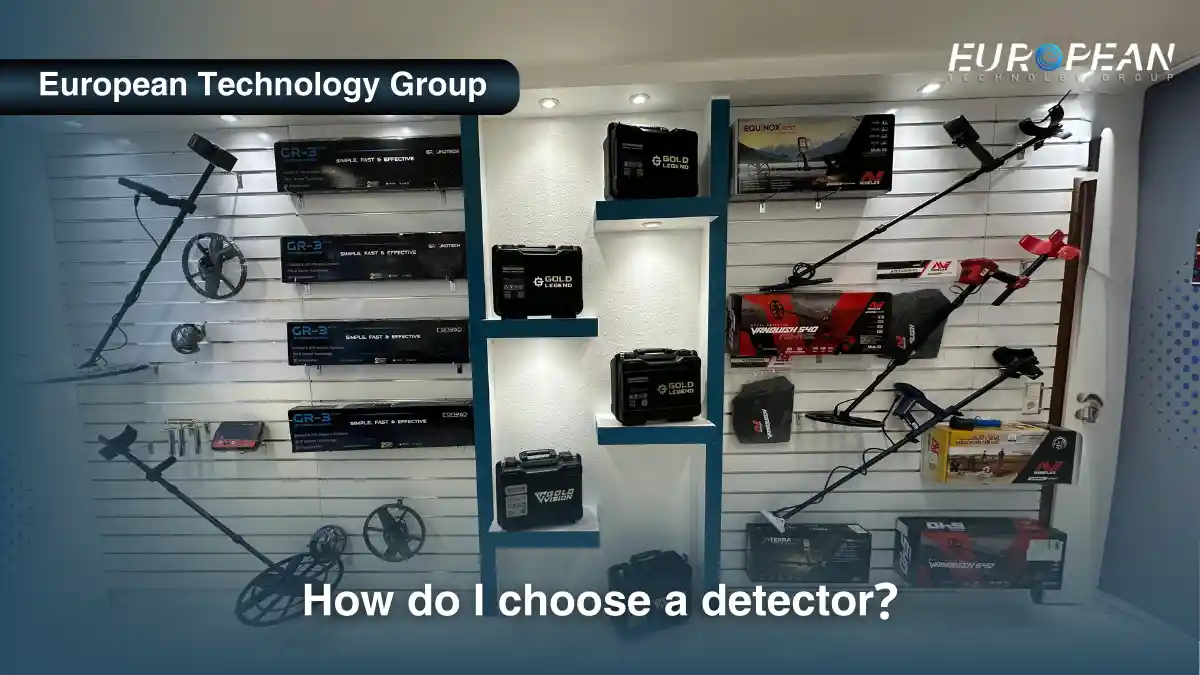
Beginners can start with simple, high-value VLF detectors from trusted brands like Garrett, Nokta, and Minelab, while all-terrain enthusiasts benefit from advanced SMF machines built to handle varied soils and target types. For dedicated gold seekers, we offer specialized high-frequency VLF and powerful PI detectors, and for professional applications, advanced 3D imaging and ground scanning systems deliver depth, precision, and field-ready performance.
For the Hobbyist (General Metal Detectors)
For those starting their journey, user-friendly VLF models from leading brands like Garrett, Nokta, and Minelab offer exceptional performance and value.
- Models: Garrett ACE series, Nokta Simplex series, Minelab Vanquish series.
For the All-Terrain Enthusiast (Advanced SMF Detectors)
For the serious detectorist demanding versatility, an advanced SMF metal detector or gold detector provides the power to conquer any terrain and target type.
- Models: Nokta The Legend, Minelab Equinox series, XP Deus II.
For the Dedicated Prospector (Specialized Gold Detectors)
For those answering the call of gold, European Technology Group offers a complete range of specialized high-frequency VLF and professional PI detectors.
- High-Frequency VLF Models: Fisher Gold Bug 2, Garrett Goldmaster 24k, Minelab Gold Monster 1000.
- Professional PI Models: Garrett Axiom, Minelab GPX 6000.
For the Professional (Geophysical & Imaging Systems)
For archaeological, utility, and deep-seeking applications, European Technology Group supplies advanced 3D imaging and ground scanning systems. These solutions highlight the difference of a metal detector vs gold detector, showing professionals when traditional detection is sufficient and when specialized gold-focused or imaging systems are required.
- Models: Lorenz Z2, OKM eXp series, Nokta Invenio.
Armed with this expert knowledge, you can now confidently select the right tool for the job. Your journey is unique, and the perfect metal detector or gold detector models typically operate at lower frequencies, usually in the range of 5kHz to 15kHz. It is the one that aligns flawlessly with your ambition. Explore the curated collection of world-class detectors at European Technology Group, or contact a specialist for a personalized consultation. Your next great find is buried just beneath the surface, waiting to be unearthed.
Some of your questions and inquiries about Metal detector or gold detector?
Do I need a metal detector or a gold detector?
If you hunt coins, jewelry, and relics in parks or beaches, a general metal detector with strong discrimination is ideal. If you want natural nuggets in mineralized ground, choose a dedicated gold detector with higher frequency or PI power.
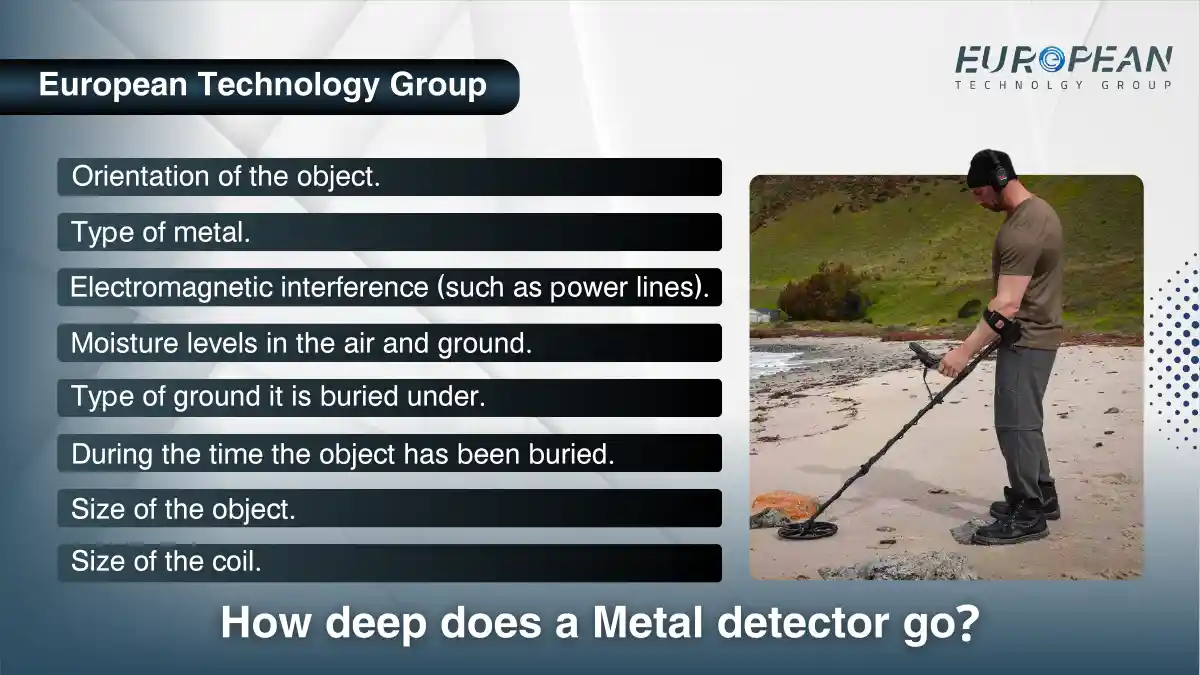
How deep can a detector really find targets?
Depth depends on target size, soil mineralization, coil size, and settings. Coins are often found within 10 to 35 cm, while larger objects can be deeper. Imaging or scanning systems can reach further, but require different methods and budgets.
Which frequency is better for gold vs coins?
Lower frequencies around 5 to 15 kHz favor deeper, high-conductive targets like silver and copper coins. Higher frequencies above 18 kHz improve sensitivity to small, low-conductive gold. Multi-frequency can balance both when you need one detector for many sites.