





Audio system and the imaging system


Audio system and the imaging system: Pick the right detector faster
Audio system and the imaging system guide for metal detecting: choose VLF or PI, understand ID accuracy, and avoid false signals. Start your smart pick today.
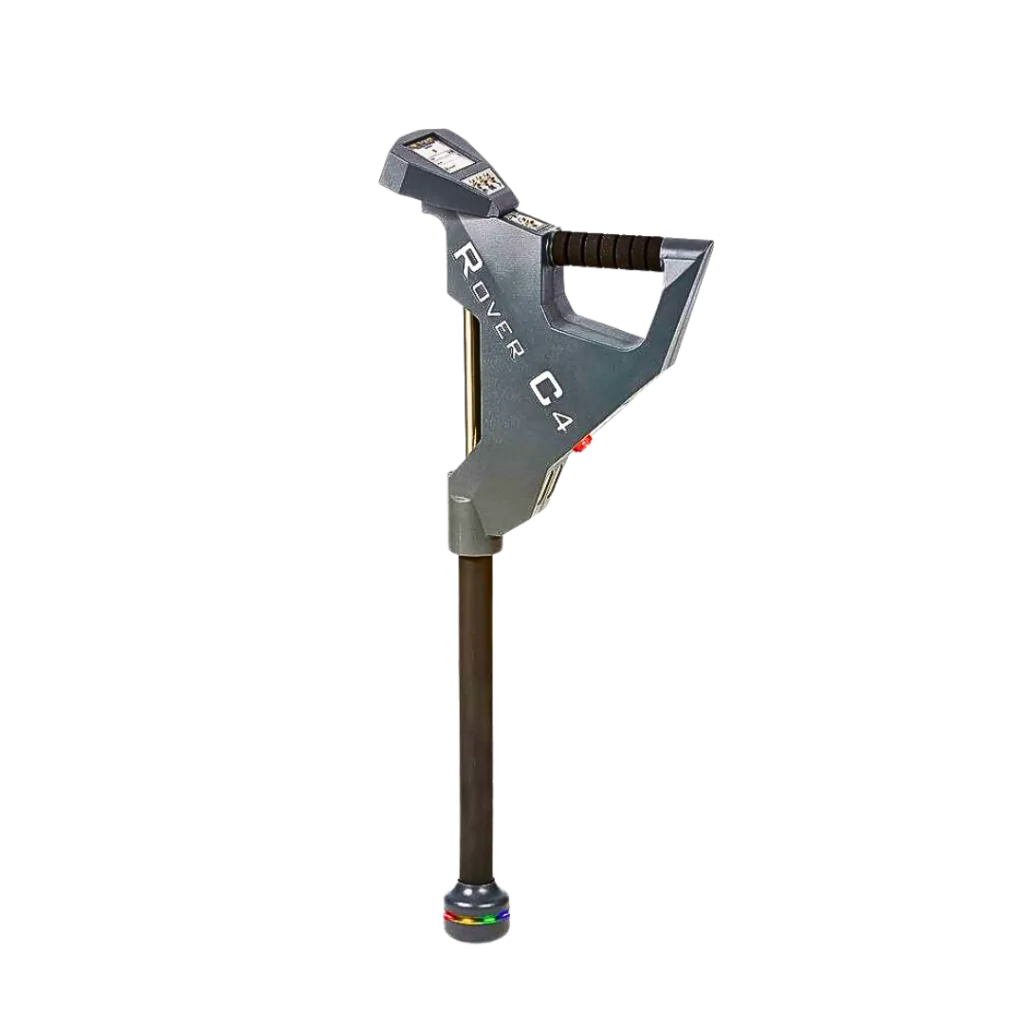
OKM Rover C4 Advanced 3D Gold Detector Scanner
Find Gold, Treasure, and Cavities up to 25 m deep with OKM Rover C4 — the advanced 3D Ground Scanner trus
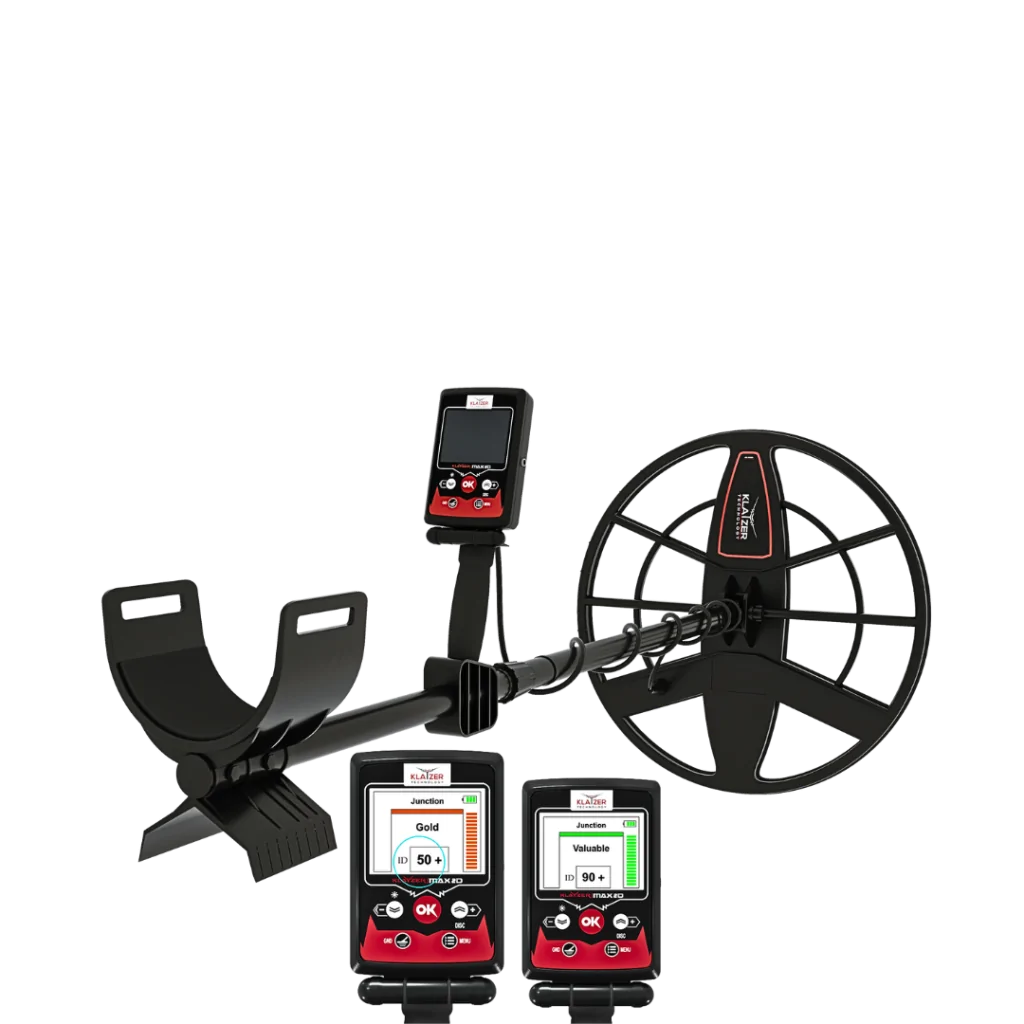
Klayzer Max 2D Advanced Gold Detector Scanner
Unlock hidden treasures with Klayzer Max 2D — one of the best Detectors for gold, silver, and valuable me
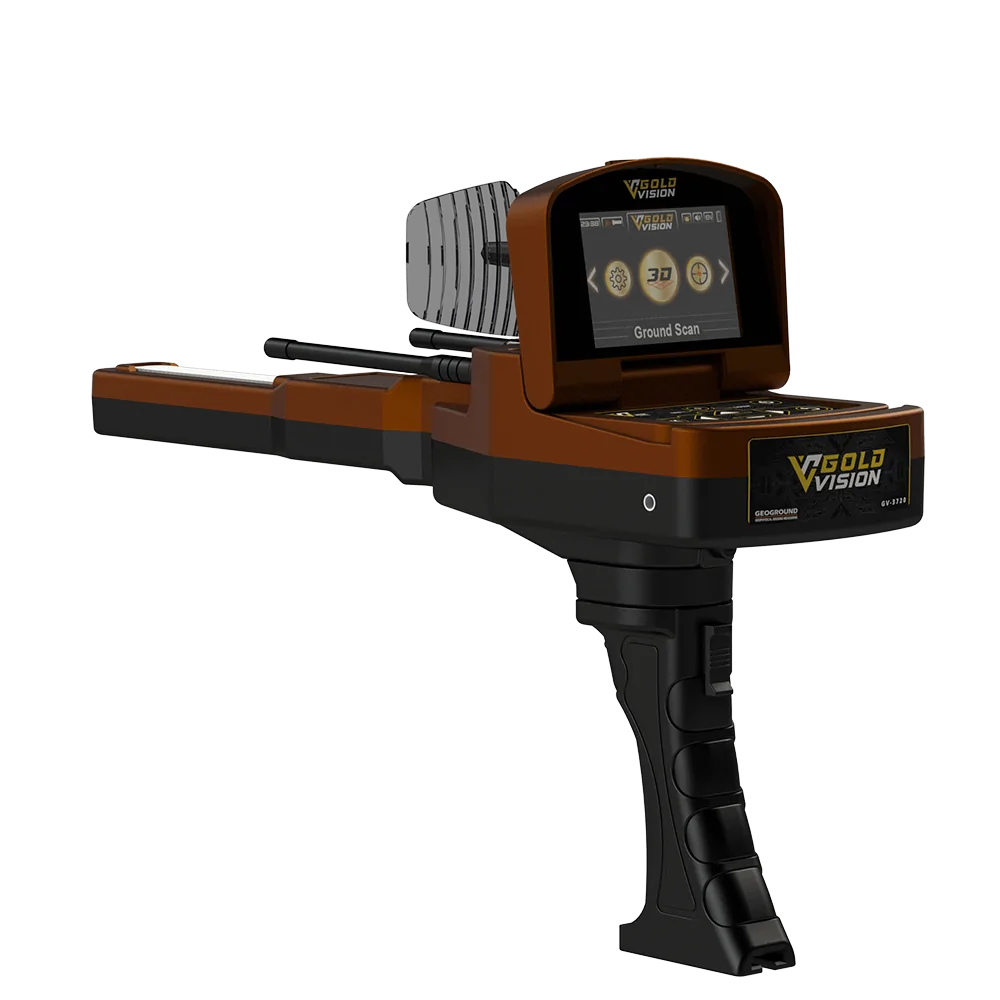
Gold Vision Gold Detector
Gold Vision – professional gold detector with 40 m depth and 3 km range, made in Germany
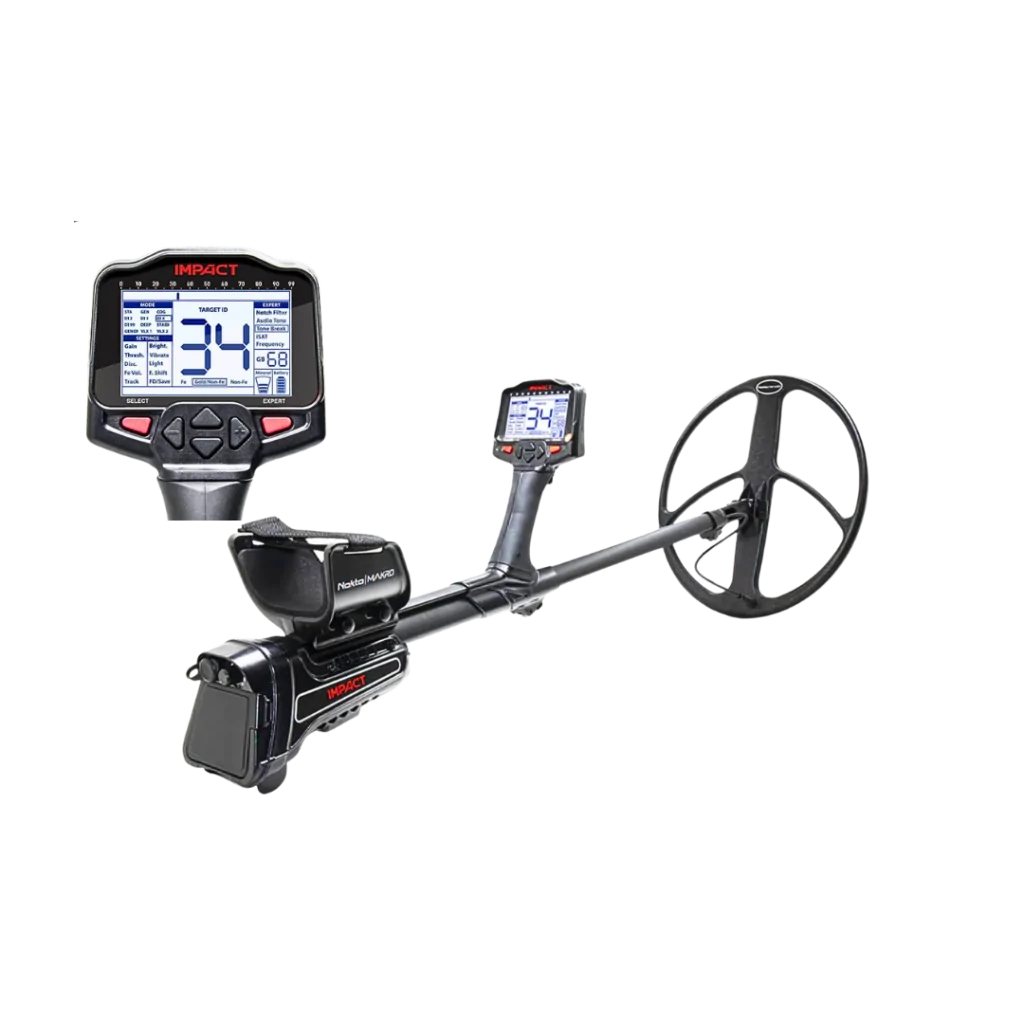
Nokta Impact Pro Multi Frequency Metal Detector
Discover hidden treasures with the Nokta Impact Pro Metal Detector — advanced depth, precision, and versa
Table of Contents
ToggleAudio system and the imaging system in Rome: Get clearer results in tough ground
Audio system and the imaging system as your treasure compass: hear targets, see shapes, and trust data not hype. Get the expert guide and start hunting today.
Audio system and the imaging system
Every gold and metal detector begins with electromagnetism: the coil transmits a field into the ground, and metal responds with eddy currents and a weak return signal.
VLF detectors measure tiny phase shifts to provide strong discrimination, expressing conductivity as nuanced tones and target ID numbers.
Pulse Induction fires brief, powerful pulses that remain stable in mineralized soils and wet salt sand, favoring depth over fine ID. Many modern units combine the audio system and the imaging system, letting you hear a find quickly and confirm it on-screen before you commit to digging.
The Electromagnetic Principle
At its core, every gold detector functions based on the laws of electromagnetism. The device sends an electromagnetic field from its search coil into the ground. When this field makes contact with a metal object, it induces small electrical currents, called eddy currents, within that object.
These eddy currents then create their own secondary magnetic field that radiates away from the target. A separate coil in the detector, the receiver coil, is engineered to detect this weak secondary field. The detector's internal circuitry analyzes this signal to notify the user of a metal target's presence.
This basic interaction is the foundation for all further analysis and is the universal principle behind both the audio system and the imaging system-based detectors.
Core Technology Type 1 Very Low Frequency
Very Low Frequency (VLF) is a prevalent technology in contemporary metal detectors. VLF detectors employ two separate coils—a transmitter and a receiver—and work by transmitting a continuous sine wave signal into the earth at a specific low frequency.
The strength of a VLF detector is its capacity to measure a phenomenon known as "phase shift," which is the tiny time difference between the transmitted signal's frequency and the received signal's frequency from the target.
Various metals possess different levels of electrical conductivity and magnetic characteristics, resulting in distinct phase shifts. By analyzing this phase shift, a VLF detector can make a very accurate determination of the target's identity, which accounts for its excellent discrimination abilities. This information is then presented to the operator as a specific audio sound or a number on a screen.
Core Technology Type 2 Pulse Induction with the Audio System and the Imaging System
Pulse Induction (PI) technology functions on a different principle. Rather than a continuous wave, PI detectors send out powerful, brief bursts of current through a search coil, which typically serves as both the transmitter and receiver. Each pulse generates a strong but short-lived magnetic field.
When the pulse ceases, the magnetic field collapses, and the system rapidly shifts into a receiving mode to listen for the decaying signal from the eddy currents induced in the target.
Since PI systems are not attempting to measure a subtle phase shift, they are mostly unaffected by ground mineralization, like iron-heavy soils or black sand at beaches.
This resistance gives PI detectors superior depth and stability in difficult environmental conditions, making them the top choice for gold prospecting and hunting on saltwater beaches. However, this raw power sacrifices detailed discrimination, as the system primarily registers the existence of metal rather than its specific characteristics.
For this reason, many advanced devices integrate the audio system and the imaging system alongside PI technology to enhance target identification and provide users with both depth information and clearer feedback.
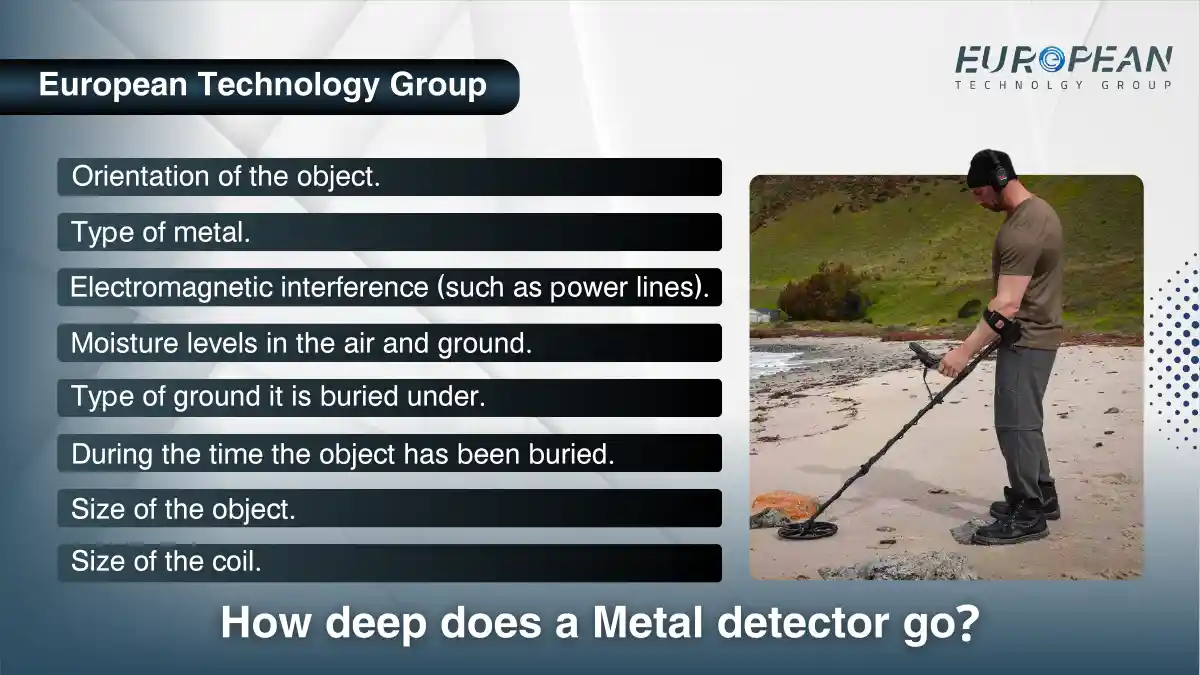
The Sound System A Deep Dive into Audio-Based Detection
For many generations of prospectors, the sound system has served as the main form of communication for metal detection.
It is an intuitive and direct method of interaction between the machine and its operator, converting complex electromagnetic information into a symphony of tones, pitches, and clicks.
Becoming proficient in this auditory language is less about technical knowledge and more about developing a sensory skill, one that turns a sequence of beeps into a detailed source of information about the hidden world underground.
The Language of Tones
The most basic function of a sound system is its capacity to provide immediate alerts when a metallic target is present. Modern detectors have advanced significantly beyond a single, monotonous beep.
They use a system of "disc tones," where different metal categories trigger unique audio responses, enabling the operator to audibly distinguish between targets before starting to dig.
- Low Tones A low-pitched, grunting noise is usually linked with ferrous metals such as iron and steel. For many detectorists, this tone indicates common junk like nails, screws, and other unwanted iron objects.
- Mid Tones: A medium-pitched sound often points to targets with mid-level electrical conductivity. This can include items like aluminum pull-tabs, bottle caps, and certain kinds of gold, which require the operator to make a decision based on other signal properties.
- High Tones: A sharp, high-pitched sound is what most treasure hunters are hoping to hear. It typically signals highly conductive, non-ferrous metals like silver, copper, brass, and some types of jewelry. This clear, crisp sound is often a strong sign of a valuable find.
Interpreting Pitch and Volume
In addition to the basic tone, the subtleties of the sound offer more layers of information. The signal's volume and pitch can provide important clues about the target's size and depth. A loud, sharp, and continuous tone usually suggests that an object is large or located very near the surface.
In contrast, a soft, faint, or brief "blip" might indicate a target that is either very small or buried at a considerable depth. A seasoned operator learns to pay close attention to these slight variations, as a faint but consistent high tone could be a sign of a deeply buried silver coin.
The Importance of Repeatable Signals
One of the most vital techniques for an audio-based prospector is to confirm the quality of a signal. A professional will sweep the search coil over a potential target from several directions. A solid, consistent, and repeatable tone that sounds identical from every angle is characteristic of a well-defined, uniformly shaped object like a coin or a ring.
On the other hand, signals that are erratic, scratchy, or that break up and change from different angles often point to irregularly shaped junk, such as a crumpled piece of aluminum foil or a corroded bottle cap. Learning to differentiate a clean, repeatable signal from a choppy, inconsistent one is a crucial skill that saves a great deal of time and effort.
Advanced Audio Features in Modern Detectors
The technology behind sound systems is constantly improving, giving operators more control and clarity.
- Audio Discrimination: This function allows the user to configure the detector to ignore the tones associated with unwanted metals. For example, a user can mute the low tones for iron, concentrating only on mid and high tones for more valuable targets.
- Iron Audio: A more advanced feature, Iron Audio lets the user hear the signal from discriminated iron targets, but at a very low volume. This is especially helpful for identifying bottle caps, which can often produce a signal similar to a good target. Hearing the subtle iron grunt combined with a high tone can prevent unnecessary digging.
- Tone Modulation and Pitch: Advanced detectors will adjust both the volume and pitch of the audio signal as the coil moves closer to or farther from a target. This dynamic feedback helps the operator to more accurately locate the target's precise position before digging.
- Wireless Audio: The use of wireless technology enables operators to use headphones without being physically connected to the machine. This offers greater freedom of movement and, more importantly, provides clearer, more isolated audio signals, which is essential for hearing faint, deep targets in noisy settings. These features are not just for convenience; they are vital for mastering the detailed language of the detector.
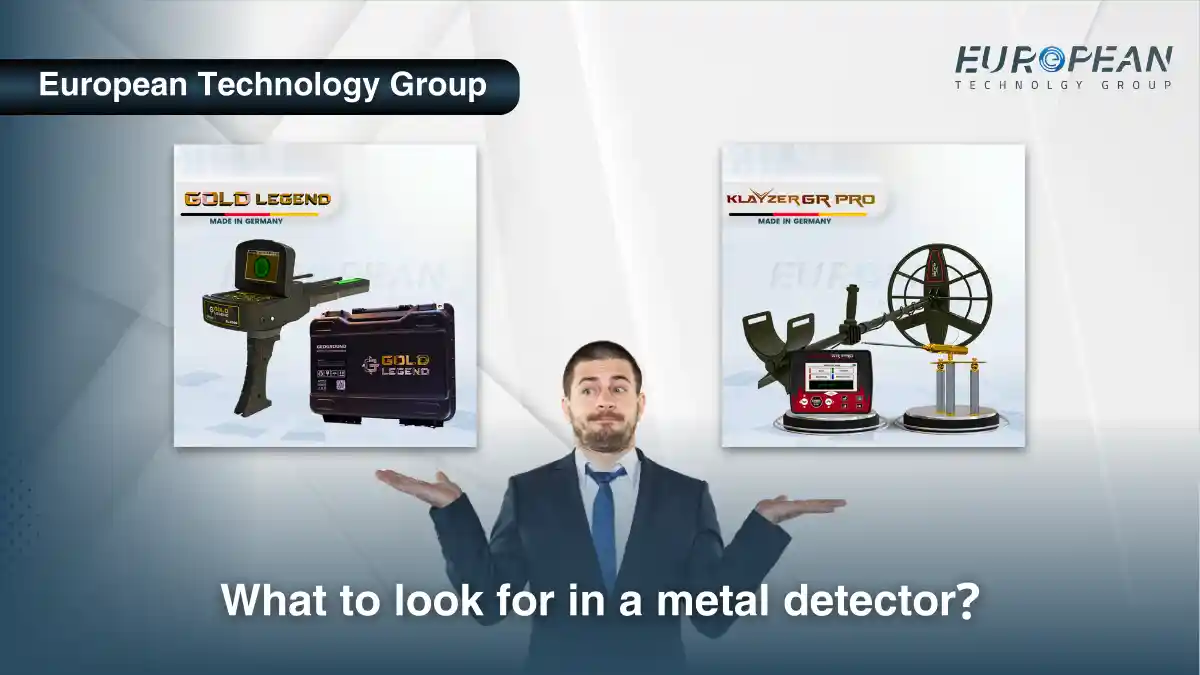
The Imaging System Visualizing the Subsurface World
While sound offers an immediate and intuitive language, the imaging system presents a different approach: a visual depiction of the data gathered by the detector.
The term "imaging system" covers a broad range of technologies, from basic numerical displays to advanced three-dimensional ground scanners.
This technological variety can be confusing for consumers, as the capabilities and costs of these systems differ significantly. A proper understanding requires categorizing these technologies into different levels based on the complexity and detail of the data they provide.
From Audio to Visual: How the VDI Number Connects the Audio System and the Imaging System
The most widespread and basic form of an imaging system is the Visual Display Indicator (VDI), often shown as a Target ID number on an LCD screen. The VDI scale effectively converts the complex phase shift data from a VLF detector into a straightforward numerical value, usually from 0 to 99.
Each number or range of numbers corresponds to a different level of electrical conductivity. For instance, ferrous targets like iron might show a VDI below 20, aluminum pull-tabs could be in the 30-60 range, and highly conductive targets like silver coins frequently yield a high VDI of 80-90 or higher.
The VDI number acts as a strong visual confirmation of what the audio tones are indicating, connecting purely auditory feedback with more advanced imaging methods. In this way, the audio system and the imaging system complement each other, creating a more reliable and user-friendly detection experience.
Advanced Imaging and 3D Ground Scanners
The subsequent level of imaging technology goes beyond a single data point to generate a detailed map of the subsurface. Advanced imaging detectors and 3D ground scanners employ powerful sensors and intricate signal processing algorithms to create two-dimensional or three-dimensional visual models of buried objects.
These systems operate by systematically scanning a specific area and recording the signal response at various points. Specialized software then processes this spatial data to build a visual representation that can show the target's approximate size, shape, and depth with high
precision. This visual model is usually displayed on a connected tablet or laptop, enabling thorough post-scan analysis.
The Role of Ground Penetrating Radar
At the highest level of imaging technology is Ground Penetrating Radar (GPR). GPR is a professional-grade, non-destructive geophysical technique that uses high-frequency radar pulses to produce a detailed image of the subsurface.
Unlike traditional metal detectors, which are restricted to detecting metallic objects, GPR's main benefit is its capacity to detect both metallic and non-metallic anomalies. This includes underground voids, tunnels, caves, plastic pipes, variations in soil layers, and buried foundations.
This makes GPR an essential tool for serious applications in archaeology, geology, utility location, and forensic investigations. High-end devices, such as the KS 700 from European Technology Group, utilize this powerful GPR technology to offer unmatched insight into the subsurface.
Data Analysis and Interpretation
It is important to recognize that even the most sophisticated imaging system does not deliver a perfect "X-ray" of the ground. The output, whether it's a VDI number, a 2D heat map, or a 3D color-coded model, is a data representation that needs skilled interpretation.
The operator must learn to analyze these visual outputs, often with the help of advanced software programs, to differentiate between a valuable treasure, a non-metallic geological feature, or a large piece of buried junk.
The learning process for correctly interpreting this data is often more challenging than for audio tones, but the potential for highly accurate, pre-dig information is much greater. The cost of an imaging system is directly related to the sophistication of its sensor technology and processing capabilities, not just the inclusion of a screen.
| Feature | Sound System | Imaging System |
| Primary Data Output | Audio Tones (Pitch, Volume, Duration) | Visual Data (VDI Numbers, 2D/3D Maps) |
| Speed of Feedback | Instantaneous, real-time | Near-instant (VDI) to delayed (post-scan processing for 3D) |
| Depth Capability | Good, but depth estimation is interpretive. PI systems can go very deep. | Excellent, with precise depth measurement capabilities (up to 40m+ with GPR). |
| Target Identification | Interpretive, based on user skill. Good for general metal types. | More precise. Can indicate shape, size, and depth. GPR can identify non-metals. |
| Discrimination Accuracy | Good with VLF systems, poor with PI systems. | Excellent, helps differentiate trash from valuables visually. |
| Ease of Use | Simple to operate initially, but requires skill to master interpretation. | More complex operation, requires learning to interpret visual data. |
| Ideal User | Beginners, Hobbyists, Prospectors in specific conditions (e.g., PI audio for gold). | Professionals, Archaeologists, Serious Treasure Hunters. |
| Common Applications | Coin shooting, general relic hunting, beach combing. | Archaeological surveys, deep treasure hunting, utility locating, cavity detection. |
| Portability & Weight | Generally lighter and more portable. | Often larger, heavier, and may require separate components (tablet, etc.). |
| Cost | Lower to moderate. | Higher to very high. |
Accuracy and Precision of the audio system and the imaging system
The main difference between the audio system and the imaging system in accuracy comes from the type of data provided. A skilled operator with an audio-only detector can be very accurate through interpretation, but the final choice to dig is still a well-informed guess based on sound.
Imaging systems, in contrast, offer objective, measurable data. They can show a target's estimated depth, its approximate size, and, with 3D scanners, its shape. This shifts the decision-making from interpretation to data-driven analysis, greatly increasing the chances of a successful recovery before digging begins.
This difference highlights a key trade-off: the speed of audio versus the thoroughness of imaging. An audio user's process is a quick cycle of scan-beep-dig. A professional imaging user's process is more methodical: define area-scan-process-analyze-dig, focusing on comprehensive data rather than speed.
Depth and Detection Capability
While high-quality audio detectors, especially those using Pulse Induction technology, can find targets at significant depths, their ability to estimate that depth is limited and depends on interpreting the faintness of the signal.
In contrast, professional imaging systems are built for deep searching. Devices like the German-made Gepard GPR or the Gold Step Pro Max can reach depths of 40 to 50 meters or more, and importantly, they can provide a precise measurement of that depth. This is crucial for professionals looking for deeply buried caches, geological formations, or archaeological structures.
Ease of Use and Learning Curve
Initially, sound-based detectors seem much easier to use. Many are designed as "turn on and go" devices, making them very accessible for beginners and hobbyists. However, becoming truly proficient requires a lot of time to learn the detailed language of the tones.
Imaging systems have a different challenge. Their initial setup can be more complicated, often needing external devices and software. The main learning curve is not in operating the machine but in learning to correctly interpret the visual data it provides, a skill that can be as demanding as mastering audio signals.
In practice, the audio system and the imaging system together highlight how each approach requires its own form of mastery, whether auditory or visual.
Portability and Field Use
In terms of physical design, there is a clear difference between the sound system and the imaging system. Most sound-based detectors are lightweight, self-contained units that are easy to carry and swing for long periods.
This makes them perfect for covering large areas like fields or beaches. Advanced imaging systems, particularly 3D scanners and GPR units, are often larger, heavier, and may have multiple parts, including the scanner, a control unit, and a separate tablet or laptop for data display and analysis. Their use is more deliberate and less suitable for casual, on-the-go detecting.
Cost and Investment
The financial commitment required is perhaps the biggest difference between the audio system and the imaging system. High-quality sound-based detectors for hobbyists are widely available and relatively affordable, providing an accessible entry into the world of metal detecting.
Professional-grade imaging systems, however, are a significant capital investment. Their higher price reflects the advanced sensor technology, powerful processing hardware, and sophisticated software needed for detailed subsurface analysis. This makes them tools for serious professionals and organizations for whom the value of potential discoveries justifies the initial cost.

The Impact of Environment and Target in the Audio System and the Imaging System
A theoretical comparison of the detector’s audio system and the imaging system is not complete without considering the varied and often difficult conditions of the real world. The performance of any metal detector is heavily influenced by two external factors: the composition of the ground and the type of target being sought.
In many situations, the environment acts as a major "performance filter," which can make a technologically advanced system ineffective while allowing a simpler, more specialized system to perform well.
The most important choice a prospector can make is to match the detector's core technology to the main environment where it will be used.
The Challenge of Mineralized Soil
Many areas have soil with a high concentration of iron particles or other minerals. This "mineralized soil" can cause problems for metal detectors, creating a constant stream of false signals that can hide the faint signal of a real target.
VLF-based detectors, which are common in both the sound system and the imaging system models, are especially vulnerable to this interference because their technology is designed to be sensitive to the magnetic properties that are common in such soil. This is a situation where a PI-based audio detector has a clear advantage.
Its technology is inherently designed to ignore ground minerals, allowing it to "punch through" the interference and detect targets with greater depth and stability. In highly mineralized ground, a powerful PI audio detector will often do better than a sophisticated VLF imaging detector.
Saltwater and Wet Sand Environments
The conductive properties of saltwater are one of the biggest challenges for metal detection. Wet salt sand creates a highly conductive environment that can completely overwhelm a standard VLF detector, leading to a constant stream of false signals that make it almost impossible to use.
For beach hunting, a PI-based audio detector is clearly the better tool. It is almost completely unaffected by saltwater conductivity, allowing it to operate smoothly and detect targets at depths that are impossible for VLF machines in the same conditions.
In these scenarios, the audio system and the imaging system work together to provide both reliable detection and clearer interpretation of targets, even in such harsh environments.
Target-Specific Suitability
The best detection system also depends on the specific type of target:
- Small Gold Nuggets: Natural gold, especially small nuggets, has low electrical conductivity. Detectors made specifically for gold prospecting often use a high-frequency VLF audio system, as higher frequencies are more sensitive to small, low-conductivity targets.
- Coins and Jewelry: For general-purpose hunting in parks, fields, or yards, a standard VLF detector with a quality sound system and a VDI display is the perfect tool. Its excellent discrimination is essential for sorting through common trash like pull-tabs and bottle caps to find valuable coins and jewelry.
- Deeply Buried Caches and Relics: When looking for large targets buried at significant depths, such as a treasure chest or a military relic cache, the raw power of a PI audio detector or the detailed analytical capabilities of a deep-seeking 3D imaging system are needed to reach the required depths.
- Voids and Tunnels: For targets that are not metallic, such as underground chambers, tunnels, or ancient burial sites, only advanced imaging systems are effective. Specifically, Ground Penetrating Radar (GPR) is the only technology that can reliably detect these non-metallic subsurface voids.
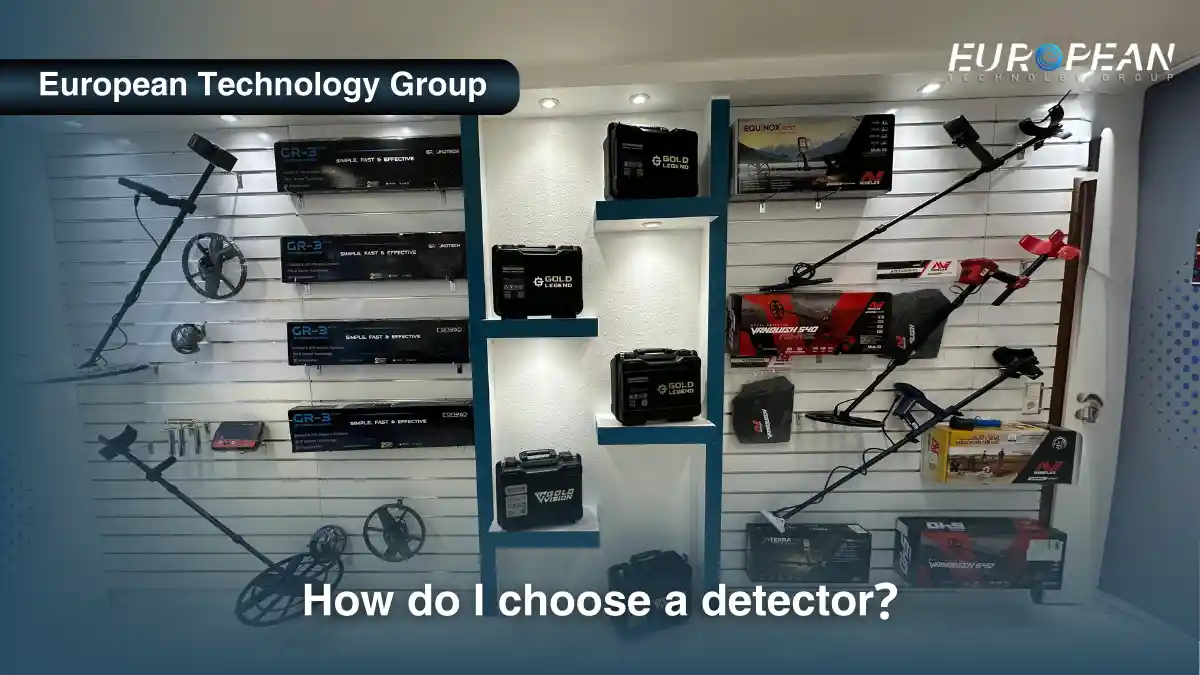
The Modern Hybrid Approach Integrating the Audio System and the Imaging System
The debate over sound system versus imaging system is increasingly being settled not by choosing one over the other, but by combining them into a single, more powerful device.
The evolution of metal detectors shows a wider technological trend toward data fusion, where multiple, layered data streams are given to the operator to improve decision-making and reduce uncertainty in the field.
In these modern hybrid systems, the audio system and the imaging system are not rivals; they are complementary partners, working together to deliver both sound-based cues and visual confirmation for a more accurate detection process.
The Synergy of Audio and Visuals
In the most advanced detectors available today, the audio system and the imaging system work together perfectly. The audio system provides an immediate, intuitive alert that a target has been found.
It is the first source of information, allowing the operator to cover ground efficiently. Once a target is located by sound, the operator can then look at the visual display—whether it's a VDI number or a more complex 2D map—for confirmation and deeper analysis before deciding to dig. In this process, the audio is for detection, and the visual is for verification.
This combination uses the speed of sound with the analytical precision of an image, offering the best of both worlds.
The audio system and the imaging system in The Nokta Invenio
A great example of this hybrid approach is the Nokta Invenio, which is sold as a "Smart Detector & Imaging System." This device is based on a VLF operating principle but combines it with a very sophisticated imaging system.
This system is powered by an Integrated Positional Tracking Unit (IPTU) sensor, which accurately tracks the movement and position of the search coil over the ground. This spatial data is then processed by an artificial intelligence engine to create real-time 3D graphs that show the target's shape, dimensions, and depth.
At the same time, the device provides advanced audio feedback, including features like Iron Audio and tone breaks, allowing the operator to have a complete auditory and visual picture of the target.
Multi-Frequency Technology
Another level of hybrid innovation comes from multi-frequency technology, found in detectors like the Minelab Vanquish and Equinox series. These machines transmit, receive, and analyze multiple VLF frequencies at the same time.
This is a big advantage because low frequencies go deeper, while high frequencies are more sensitive to small targets. By using multiple frequencies at once, these detectors achieve greater depth, higher sensitivity, and more stability across different ground conditions, including mineralized soil and wet sand.
This hybrid operational mode provides cleaner, more accurate data, which in turn improves the reliability of both the sound system and the imaging system.
The Professional Choice
For the most demanding professional and archaeological uses, the integration of multiple detection systems is standard. High-end devices from specialized suppliers like European Technology Group often combine several different technologies into a single platform.
For example, detectors like the Gold Vision or Gold Legend have both a long-range locator system for scanning large areas and a 3D ground scanning system for detailed analysis of a specific location.
This multi-system approach provides a comprehensive toolkit, allowing the professional prospector to use the right technology for each phase of the search.
These advanced platforms are the pinnacle of detection technology, treating the detector not as a simple hobby tool, but as a sophisticated, multi-faceted decision-support instrument for serious fieldwork.
Selecting the Right Detector for Your Ambitions
The detailed comparison between the audio system and the imaging system in gold and metal detectors shows that there is no single "best" option.
The ideal detector is the one that is perfectly matched to your specific goals, your main search environments, and your level of experience and commitment.
By asking the right questions, you can go beyond the simple sound vs. image debate and choose a tool that will turn your prospecting ambitions into real discoveries.
Assess Your Primary Goal
First, you need to clearly define what you want to find. Are you a hobbyist who wants to spend weekends looking for modern coins and lost jewelry in local parks? If so, a high-quality VLF detector with a clear, multi-tone audio system and the imaging system with a reliable VDI display will be perfect for you.
Are you a dedicated relic hunter hoping to find historical artifacts from past centuries? A versatile multi-frequency machine that provides both detailed audio and accurate visual identification will be a powerful tool.
Or are you a serious prospector determined to find deeply buried gold caches in remote, mineralized areas? In that case, the raw power of a PI-based audio detector or the analytical depth of a professional 3D imaging system may be the necessary investment.
Evaluate Your Environment
Next, you need to think about where you will be spending most of your time detecting. The environment is often the most important factor in a detector's performance.
If you live near the coast and plan to hunt often on wet, saltwater beaches, a Pulse Induction detector or a premium multi-frequency machine is not just an advantage—it is essential for success.
If your local soil is known for its high iron content and mineralization, you will need a detector with excellent ground balancing capabilities to avoid constant frustration from false signals. Your environment will determine which core technology is most effective, and this should be your main consideration.
Consider Your Experience and Commitment
Finally, you should honestly assess your own experience and how much time you are willing to spend mastering your equipment. If you are new to the hobby, the simple operation of a quality sound-based detector is an excellent and rewarding starting point. It allows you to learn the basic skills of detecting without being overwhelmed.
If, however, you are a professional, an archaeologist, or a deeply committed enthusiast ready to spend time learning complex data analysis, then the unmatched power of an advanced imaging system from a trusted provider like European Technology Group will open up a new world of discovery.
Frequently Asked Questions about Audio system and the imaging system
How do I choose between an audio system and an imaging system?
Match the detector to your goal and ground: audio excels for fast coverage and learning tones, while imaging adds measurable target ID and depth cues. For mineralized soils and beaches, prioritize stable tech, then use visuals to verify.
Is an imaging system always more accurate than audio?
Imaging gives objective data like VDI numbers or 2D 3D maps, so it can reduce guesswork. But accuracy still depends on sensor quality, calibration, and interpretation. Skilled users can be highly accurate with audio, especially on consistent targets.
What price difference should I expect?
Audio focused hobby detectors are usually the most affordable, while imaging platforms cost more due to sensors, processing, and software. Prices vary by brand and depth claims, so compare real test results, included accessories, and update support before buying.
Conclusion
The conclusion is that the most powerful detector is the one that is right for you. The choice between the audio system and the imaging system is not about which technology is universally better, but about which tool is perfectly suited for your unique journey. By carefully considering your personal goals, your environment, and your commitment, you can confidently choose the equipment that will empower you to find the treasures that are waiting beneath the surface.


