

Information about metal detectors

Guide to Buying Metal Detectors

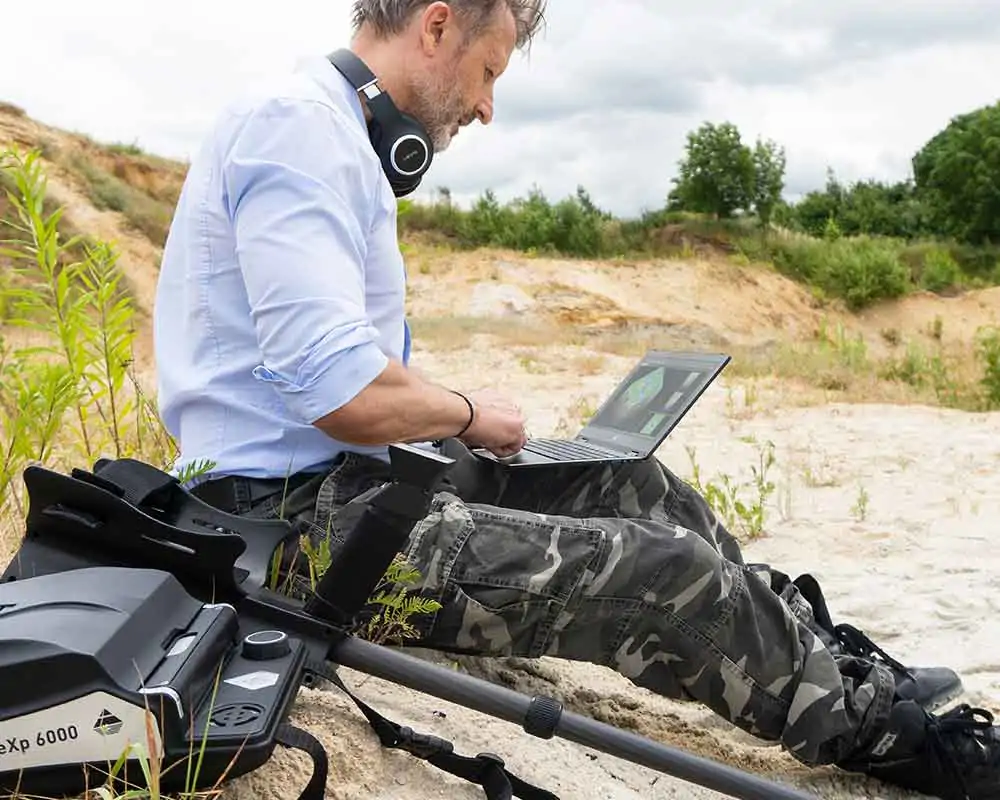
EXP-6000-44
The Guide to Buying Metal Detectors helps people comprehend the real world of metal detectors. Actually, metal detecting has evolved from a mere pastime into a profound passion driven by historical curiosity and the desire for exploration and discovery. For the serious explorer, investing in a high-quality metal detector represents an investment in adventure and knowledge. For the purchasing process to be fruitful and informed, it must be built upon a precise understanding of the available technologies and how to align them with the specific environmental requirements of the operating area. Of course, this Guide to Buying Metal Detectors gives you a helping hand in your search for ideas about detectors. As a fact, this process demands an objective analysis of technical criteria, going beyond merely considering the price, and ultimately selecting a system that offers optimal performance under the most challenging conditions.
Guide to Buying Metal Detectors

Explore our Guide to Buying Metal Detectors and turn curiosity into treasure. Uncover history with advanced tech analysis.

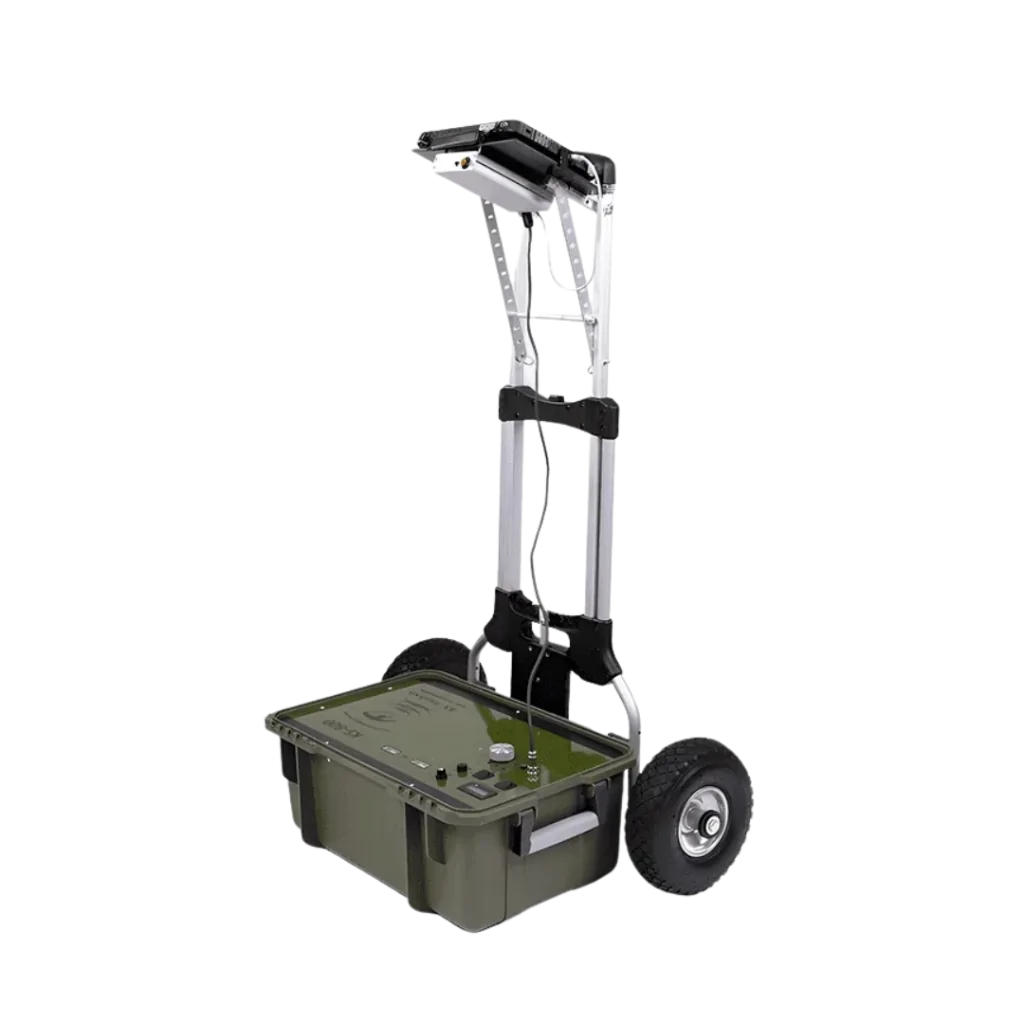
Phoenix KS 800 Plus Advanced Gold Detector Device

KS 800 Plus  in Germany from the European Technology Group. Professional 3D ground scanner for deep underg
18200 $

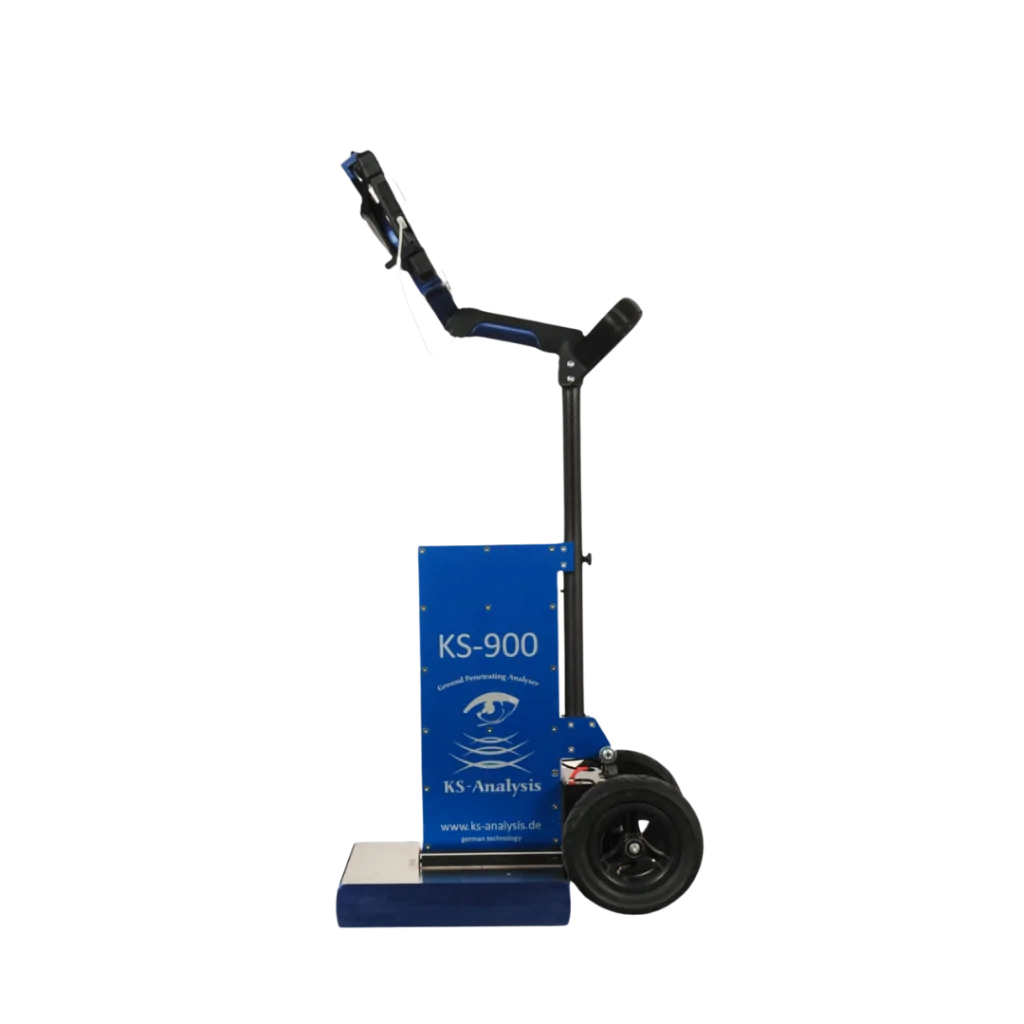
KS 900 Powerful Advanced Gold Detector Machine

KS900 GPR from Germany offers deep 60m detection, 2D/3D imaging of KS 900 Ground Radar
19500 $

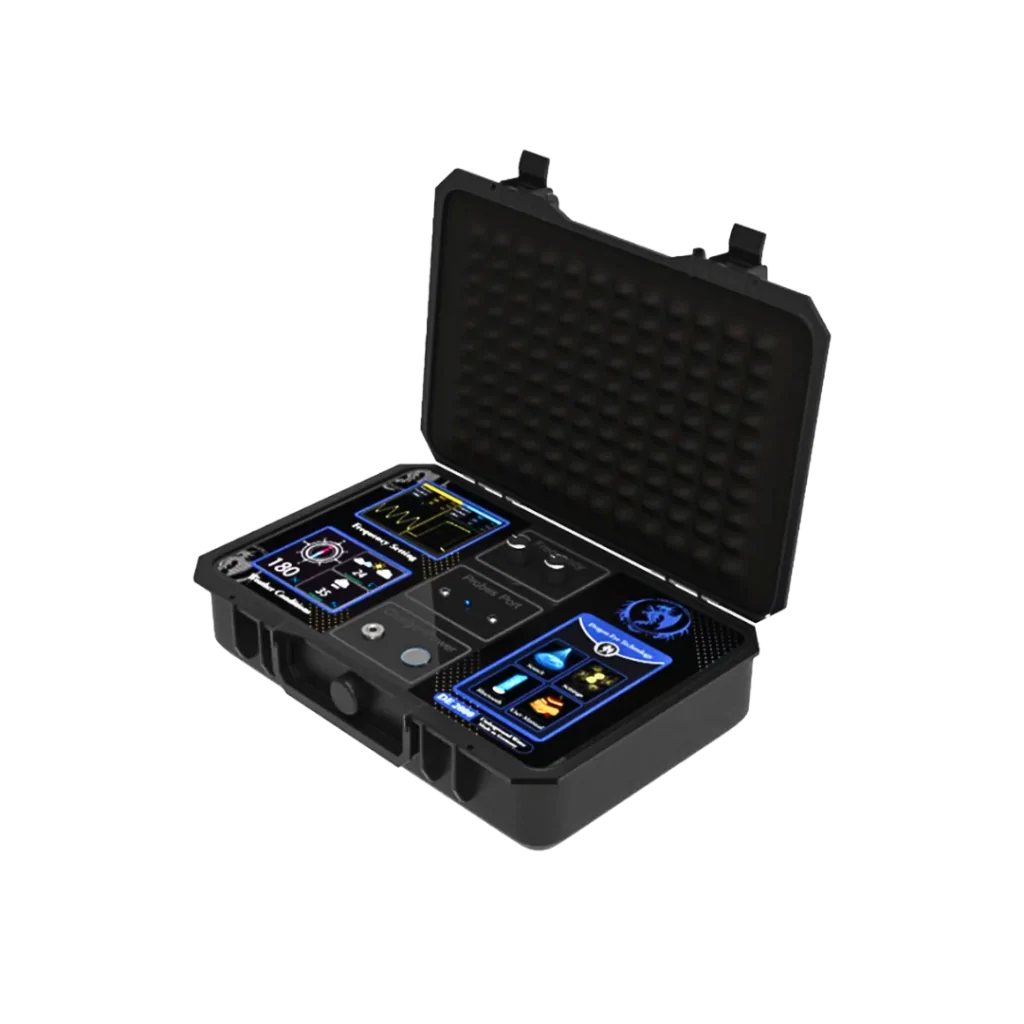
Dragon Eye 2000 Advanced Professional Gold Detector

Dragon Eye 2000 sets a new standard in water detection with advanced Tech, offering unmatched accuracy and
2300 $

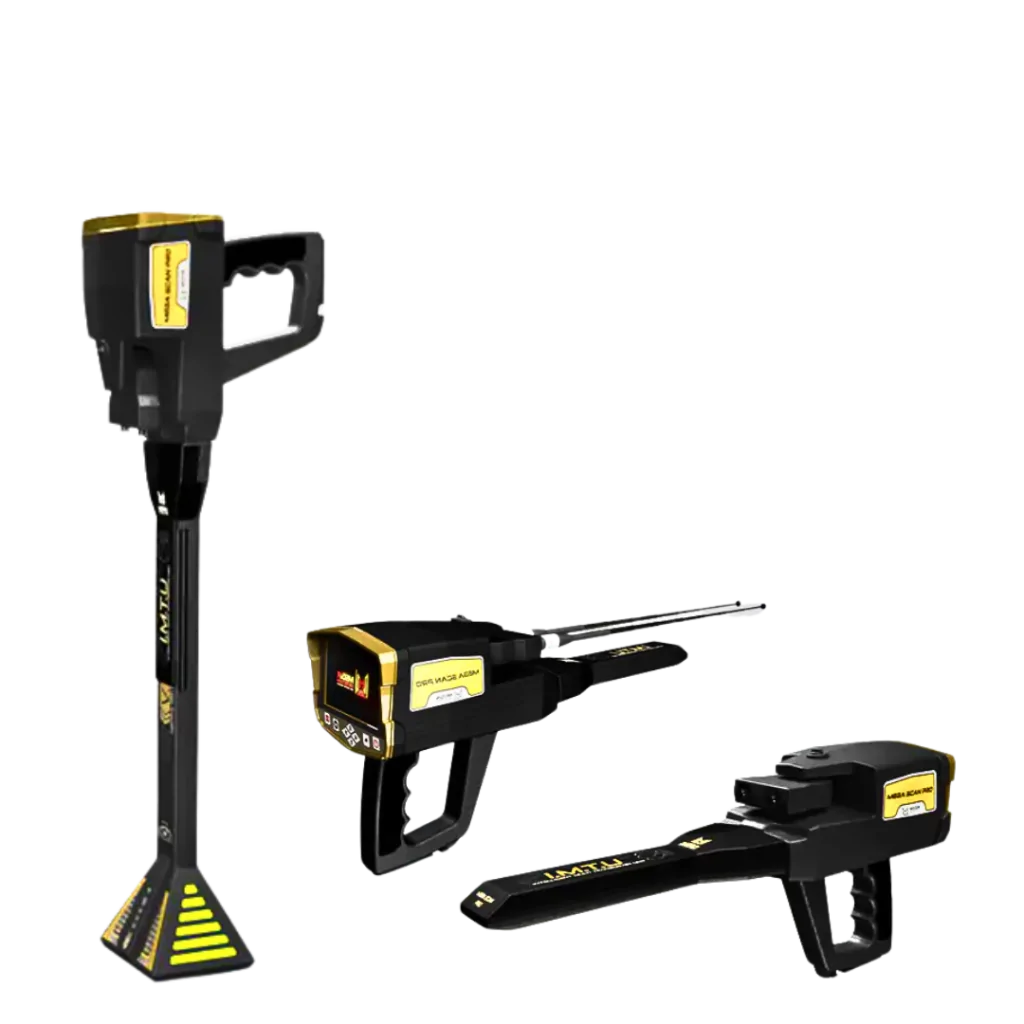
Mega Scan Pro Professional Gold Detector Scanner

Mega Scan Pro detects gold, silver & cavities at extreme depths. New Edition with 6 technologies &
6700 $

How to Choose the Right Device: A Guide to Buying Metal Detectors

Begin your adventure here. Follow the Guide to Buying Metal Detectors to find hidden gold beneath the soil.


Guide to Buying Metal Detectors 

The Guide to Buying Metal Detectors is your essential roadmap to navigating the complex world of modern exploration. Metal detecting has evolved from a casual pastime into a profound pursuit of historical curiosity and financial investment. Whether you are chasing deep natural gold or hunting for antique coins, defining your specific purpose is the critical first step toward professional success.

However, a fruitful purchase demands more than just passion; it requires a precise understanding of technical criteria and environmental challenges. From mastering VLF and Pulse Induction technologies to tackling soil mineralization, this guide provides the objective analysis needed to select a system that delivers optimal performance. Let us transform your search for a device into a strategic investment in adventure and knowledge.

The Investment and Educational Value

The decision to purchase a metal detector is the first step toward professionalization in the field of exploration, which you will discover through this Guide to Buying Metal Detectors. Experts believe that defining the purpose of detection is the crucial step that influences all subsequent decisions.
The pursuit of natural gold nuggets, for instance, differs fundamentally from the search for antique coins (Coin Shooting) or deep relics (Relic Hunting).
The inherent value of discoveries lies in a combination of financial return and historical significance. Modern devices, especially those featuring advanced discrimination capabilities and multi-frequency technology, significantly increase the probability of finding high-value targets, such as lost jewelry or rare coins. This success justifies the initial cost of an advanced device, as the detector transforms from a mere tool into an investment partner.
Furthermore, this Guide to Buying Metal Detectors shows that these devices play a pivotal role in deepening the connection to local history and encouraging responsible field research, where the explorer becomes an active participant in uncovering the stories of the places they visit.

Guide to Buying Metal Detectors

Technical Classification of Detection Devices and the Environmental Challenge

In general, this Guide to Buying Metal Detectors asserts that performance is strictly determined by the operating principle within a specific environment. Explorers must navigate the fundamental trade-off between Very Low Frequency (VLF) technology, which excels at discrimination in trashy areas, and Pulse Induction (PI), the master of depth in mineralized soil.

Fortunately, modern Multi-Frequency systems have resolved this historical contradiction. By analyzing multiple frequencies simultaneously, this technology combines deep penetration with accurate target identification. Consequently, understanding whether you need the raw power of PI or the versatility of Multi-Frequency is the critical prerequisite for a successful purchase.

Very Low Frequency (VLF) Technology

VLF devices are often considered the best choice for beginners and for general use in clean areas where discrimination is paramount. This technology is characterized by its superior ability to accurately identify the target type (Target ID) by measuring its electrical conductivity.
This capability allows the user to ignore signals from trash and focus on higher-value metals, such as silver and copper, which display high identification numbers. However, VLF detectors face clear limitations; they may not penetrate highly mineralized soil deeply enough, and they can become erratic or lose depth when used in wet, salty sand or shallow water.

Pulse Induction (PI) Technology

In contrast to VLF, this Guide to Buying Metal Detectors shows that Pulse Induction (PI) detectors are unparalleled tools for depth penetration and offer excellent performance in highly mineralized soil. This performance makes them essential for serious gold prospectors or deep-searching relic hunters.
Simply put, PI devices excel at finding extremely deep pieces of metal where there isn't much trash laying around. The main trade-off with this technology is that it lacks discrimination capability, meaning it cannot inform the user of the type of metal it detects, nor can it determine its conductivity, unlike VLF detectors.

Multi-Frequency System

The Guide to Buying Metal Detectors estimates that a system, such as Multi-IQ technology, represents the most significant development in the modern industry. This system simultaneously transmits and analyzes multiple frequencies.
This technology has resolved the historical contradiction between VLF and PI. Instead of forcing the explorer to choose between depth (PI) or discrimination (VLF), this system offers dual advantages: significant depth and stability in mineralized environments, while maintaining the reliable discrimination feature characteristic of VLF devices.
This means that such devices are the technical standard that the serious buyer should seek to ensure operational versatility and stability in all environments, from wet beaches to trash-filled farmlands.

Comparison of Major Detection Technologies shown by the Guide to Buying Metal Detectors

TechnologyKey AdvantagesTarget Identification (Target ID)Performance in Mineralized SoilIdeal Usage Environment
Very Low Frequency (VLF)Lightweight, excellent discrimination, good for beginners.Accurate and allows trash rejection.Limited, can be unstable in salty environments.Parks, clean lands, surface coins and jewelry.
Pulse Induction (PI)Exceptional depth penetration, highly stable.Weak or non-existent.Excellent, unaffected by high mineralization.Natural gold prospecting, deep relics in dark soil.
Multi-FrequencyCombines depth, discrimination, and stability.Reliable, more accurate on deep targets.Strong and stable in salt, wet, and submerged soils.Wet beaches, trash-filled farmlands, deep targets.
Guide to Buying Metal Detectors

Environmental Challenges and Criteria for Device Selection Based on Terrain

This Guide to Buying Metal Detectors emphasizes that detection efficiency relies on understanding how the ground interacts with the detector's electromagnetic field. Mineralization density is the critical factor here; whether facing the magnetic response of ferrous red clay or the conductivity of wet salt sand, these conditions create erratic false signals that can mask real targets.

To overcome this, mastering Ground Balance is essential. This technology, available in Manual, Automatic, or Tracking modes, neutralizes ground noise to ensure stability. Additionally, selecting the appropriate search coil is vital for balancing depth against sensitivity. Ultimately, investing in a device with superior ground-balancing capabilities is the strategic choice for successful exploration in challenging environments.

Understanding Soil Mineralization Types and Their Effects

Two main types of mineralization interfere with the metal detection process:

  • Ferrous Mineralization: This type is found in red clay, black sand, and areas with high concentrations of iron oxides. Ferrous Mineralization creates a strong magnetic response that interacts with the detector's electromagnetic field, causing false signals and making it difficult to distinguish between a real target and magnetic soil.

  • Non-Ferrous (Salt-Based) Mineralization: This is found in wet beach sand, tidal flats, and alkali-rich soils. Salt minerals are electrically conductive, which disrupts the detector's signal, leading to erratic responses that make searching near water challenging.

The Function of Ground Balance as a Necessary Solution

Ground balance is the fundamental technology that enables the detector to neutralize the effect of ground mineralization by filtering out background signals caused by the ground itself. To overcome challenges of diverse mineralization, the Guide to Buying Metal Detectors presents modern devices that offer three types of balance:

  1. Manual Ground Balance: This type gives the user greater control to make highly precise and accurate adjustments to compensate for mineralization, which is useful in lands with a consistent composition.

  2. Automatic Ground Balance: This system digitally calibrates the unit to compensate for ground mineralization.

  3. Tracking Ground Balance: This system continuously adjusts in real-time to changing ground conditions, ensuring the device remains stable when moving between different terrains, such as moving from dry to wet sand on a beach.

Investing in a waterproof device with strong ground-balancing capabilities is a strategic choice for explorers planning to search near water or in highly mineralized soil.

Balancing Coverage and Depth

As this Guide to Buying Metal Detectors asserts that the size and shape of the search coil significantly impact the efficiency of finding metals. Larger coils can cover a bigger area, allowing the explorer to sweep the ground very quickly.
Conversely, smaller coils are more sensitive to very small targets, more efficient at distinguishing between closely located targets in trash-filled areas, and are best for searching for small gold nuggets.
Guide to Buying Metal Detectors

Practical Guidelines for Selecting the Appropriate Device for the User Level

The actual choice of device depends on aligning your experience level—whether beginner or professional—with a comprehensive budget. This Guide to Buying Metal Detectors warns against merely seeking the cheapest option; your investment must cover essential accessories like a Pinpointer and headphones to ensure efficient target recovery. Neglecting these tools can lead to frustration, regardless of the detector's quality.

Beyond price, consider factors like weight and ergonomics to reduce fatigue during long hunts. A wise purchase also involves mastering features like digital Target ID and ground balance. Avoiding common mistakes, such as ignoring soil mineralization settings, is just as critical as the hardware itself for ensuring a successful adventure.

The Comprehensive Exploration Budget

This Guide to Buying Metal Detectors estimates that the purchase decision must be based on a good balance between the price and the required features, rather than merely seeking the cheapest options. The price of metal detectors ranges widely:

  • Beginner Detectors ($100 to $300): Easy-to-use tools suitable for those new to the hobby.

  • Intermediate Detectors ($300 to $700): Suitable for users seeking better depth and features.

  • Advanced Detectors ($700 to $1,500+): Designated for serious users and professional hobbyists who require superior performance and advanced technologies like (Multi-IQ).

  • Specialty Detectors ($500 to $3,000+): Designed for specific purposes like gold prospecting or underwater use.

It must be noted that the effective budget does not only include the price of the device but must also cover essential accessories necessary for successful detection.
Neglecting these accessories, such as a Pinpointer, can lead to slow target recovery and user frustration, reducing the device's overall effectiveness regardless of its quality.

Factors Related to User Comfort and Effectiveness

1. Weight and Ergonomics: Since search operations can extend for long hours, comfort is essential. This Guide to Buying Metal Detectors assures that a lightweight and well-balanced device must be chosen to ensure ease of use and reduce fatigue.

2. Audio and Visual Indicators: Modern detectors provide audible and visual feedback. The digital Target ID system integrated into modern devices allows the user to evaluate whether the target is worth digging or not.

3. Adjustable Sensitivity and Depth Settings: These settings enable the detection of treasures hidden at different depths and fine-tune the device's performance to precisely match the level of mineralization in the environment.

Avoiding Crucial Beginner Mistakes

Beginners often make common mistakes that reduce their chances of success, such as not practicing at home, or swinging the coil too fast, or ignoring the user manual. But, one of the most impactful mistakes is ignoring ground balance.
Setting the ground balance correctly is essential to avoid false signals resulting from soil mineralization, which ensures the device focuses on actual metal targets.

Essential Accessories for Effective Detection

To ensure the highest levels of effectiveness and save time, the following accessories must be included in the initial budget:

  • Pinpointer: A crucial tool that allows for ultra-fast and precise target location after initial excavation, significantly reducing the time taken to recover discoveries and fill holes.

  • Headphones: Essential for ensuring the hearing of the faintest and deepest precise signals coming from deep targets, and they also block external noise, which is a fundamental step to avoid missing a valuable target.

  • Specialized Digging Tools: Such as durable trowels designed to cut roots and hard soil, and sand scoops indispensable for beach detectorists.

Guide to Buying Metal Detectors

Guide to Choosing a Reliable Manufacturer

Choosing the right brand is an integral part of the investment decision, directly impacting your device's reliability. This Guide to Buying Metal Detectors emphasizes that opting for manufacturers with a long-standing reputation ensures technical stability. High-quality devices from proven leaders operate steadily in real-world conditions, free from the frustration of frequent false signals or erratic detections.

Beyond hardware, technical support and comprehensive warranties act as invisible performance factors. For the serious explorer, minimizing downtime is vital. Leading companies demonstrate commitment through strong after-sales service, securing the continuity of your search trips and protecting your investment against unexpected future costs.

Long-Standing Reputation and Technical Stability
Explorers are advised to invest in a detector from a reputable brand with a reliable history of manufacturing high-performance products. Companies like Minelab, Garrett, and Nokta dominate the lists of recommended devices.
High quality is also measured by operational stability; high-quality devices are capable of operating steadily without frequent false signals or erratic detections even in real working conditions.

After-Sales Support and Comprehensive Warranty

Technical support and warranty must be viewed as an invisible performance factor. For the professional explorer who relies on their device, minimizing downtime resulting from maintenance is vital.
Leading companies offer limited warranties, typically ranging between two and three years for the main electronic parts and search coils, depending on the company and device model.
One must ensure the availability of free technical support via phone or email.

Furthermore, some companies demonstrate their absolute commitment to customers through equipment loan programs, which ensure professionals receive a replacement device during maintenance periods, thus securing the continuation of search trips without interruption. Choosing a company with a strong reputation and support is an investment in the sustainability and effectiveness of the hobby or profession, and it saves the explorer from unexpected future maintenance costs.

Guide to Buying Metal Detectors

Guide to Choosing a Reliable Manufacturer

Choosing the right brand is an integral part of the investment decision, directly impacting your device's reliability. This Guide to Buying Metal Detectors emphasizes that opting for manufacturers with a long-standing reputation ensures technical stability. High-quality devices from proven leaders operate steadily in real-world conditions, free from the frustration of frequent false signals or erratic detections.

Beyond hardware, technical support and comprehensive warranties act as invisible performance factors. For the serious explorer, minimizing downtime is vital. Leading companies demonstrate commitment through strong after-sales service, securing the continuity of your search trips and protecting your investment against unexpected future costs.

Frequently Asked Questions About Guide to Buying Metal Detectors


VLF technology is superior for discrimination, allowing you to reject trash and identify specific metals like coins in parks. Pulse Induction (PI) excels in depth and handling highly mineralized soil but lacks the ability to identify target types.

A Pinpointer is crucial for fast target recovery, saving time digging. High-quality headphones are also mandatory to block external wind noise and hear the faint, deep signals that often indicate valuable, deep-buried treasures.

Ground balance neutralizes interference from soil mineralization, such as iron oxides or salt. Without it, your detector produces false signals. Using manual or tracking balance ensures you hear real metal targets rather than the ground noise.

Conclusion

Now, Ambitious Explorer, you possess a detailed roadmap covering the fundamental technical differences, environmental challenges, and criteria for selecting the ideal device.

The time is right for you to make an informed purchasing decision and elevate your exploratory journey from mere attempts to an organized science. 
Remember that your success in buying metal detectors depends on balancing four key factors: defining the environment and prevailing mineralization type, the wise choice of technology (depth versus discrimination), setting a comprehensive budget for necessary accessories, and finally, investing in a company with strong reliability and technical support. 
  • Full Technical Specifications for Minelab GPZ 8000 vs GPZ 7000
  • Comparison of the Best Gold Detector Models for Pros
  • professional gold detectors A Powerful Comparison Between the Best Two Devices

Leave a Reply

Your email address will not be published. Required fields are marked *

Happy Customers

Our goal is to keep satisfaction with our customers. If you have any questions or concerns with your orders or any products we sell, you can call us toll free at 491-57-3733-8870 or use the contact us form.

Secure Shopping

To provide credit card security and keep your personal information safe, we use Secure Sockets Layer (SSL) technology, the most widely used data encryption coding system for secure e-commerce transactions.

Free Shipping

Receive an order confirmation, track your shipment, and contact our customer service if you have any questions or need assistance. All products are delivered to you for FREE anywhere World Wide

Premium Items

We are authorized Most Gold & metal Detectors companies resellers. We only sell authentic and genuine products and we never sell imitation products.

Start typing to see products you are looking for.
Shopping cart
Sign in

No account yet?

Shop
0 Wishlist
0 items Cart