Garrett vs Minelab vs Nokta: Which Brand Is Right for You?

Navigating the metal detector market can be daunting, as it is dominated by three industry titans: Garrett, Minelab, and Nokta. Each brand established a formidable reputation through distinct technological philosophies, making the choice far more complex than a simple purchase.
Crucially, a "one-size-fits-all" solution does not exist. A device optimized for deep gold nuggets will likely fail in a trash-filled park, leading to constant false signals and frustration. Therefore, understanding the nuances between these manufacturers is essential to avoid costly mistakes.
This expert analysis dissects the core technologies of the "Big Three." By comparing their specific strengths against your intended environment, we ensure you select the precise instrument required to turn your ambition into discovery.
Garrett vs Minelab vs Nokta: Which Brand Is Right for You?
Garrett vs Minelab vs Nokta: Unveil the power beneath the brand. Choose the tool that turns soil into stories and signals into treasures.
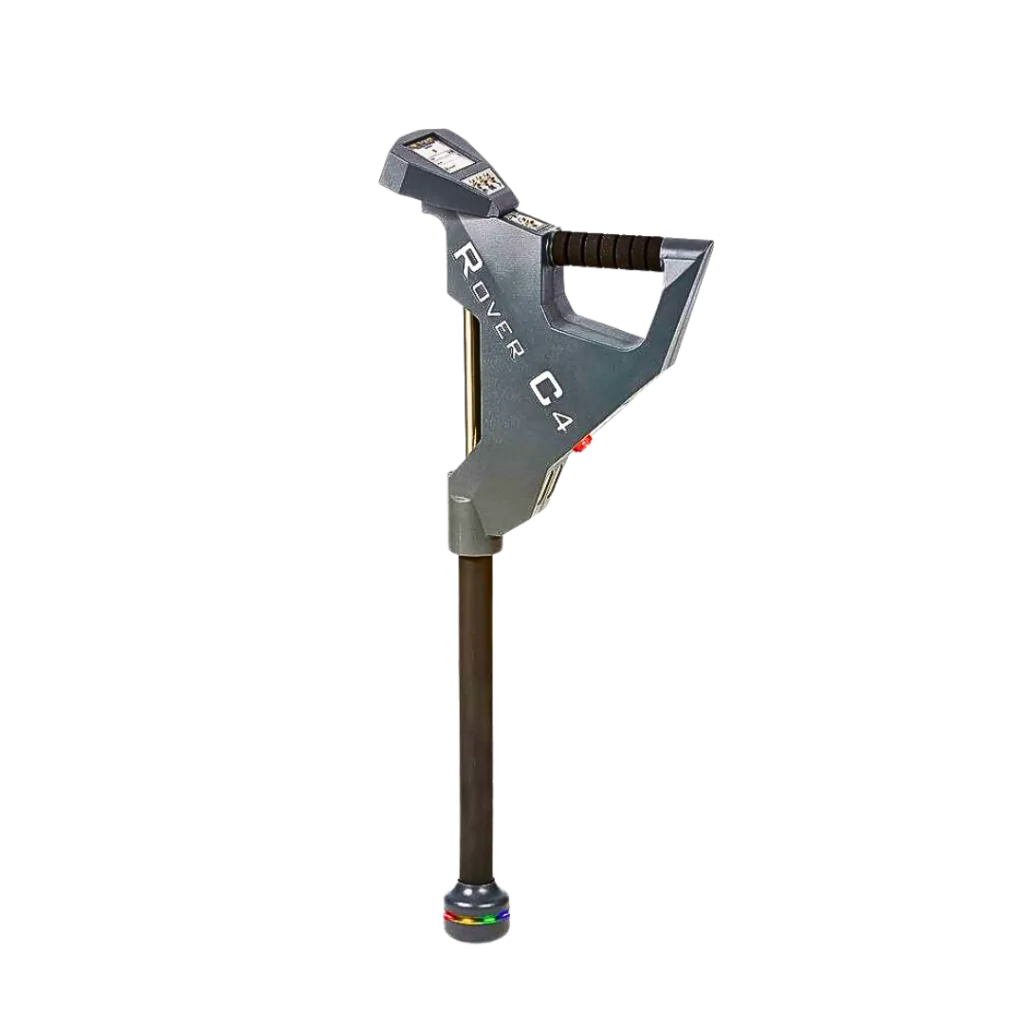
OKM Rover C4 Advanced 3D Gold Detector Scanner
Find Gold, Treasure, and Cavities up to 25 m deep with OKM Rover C4 — the advanced 3D Ground Scanner trus
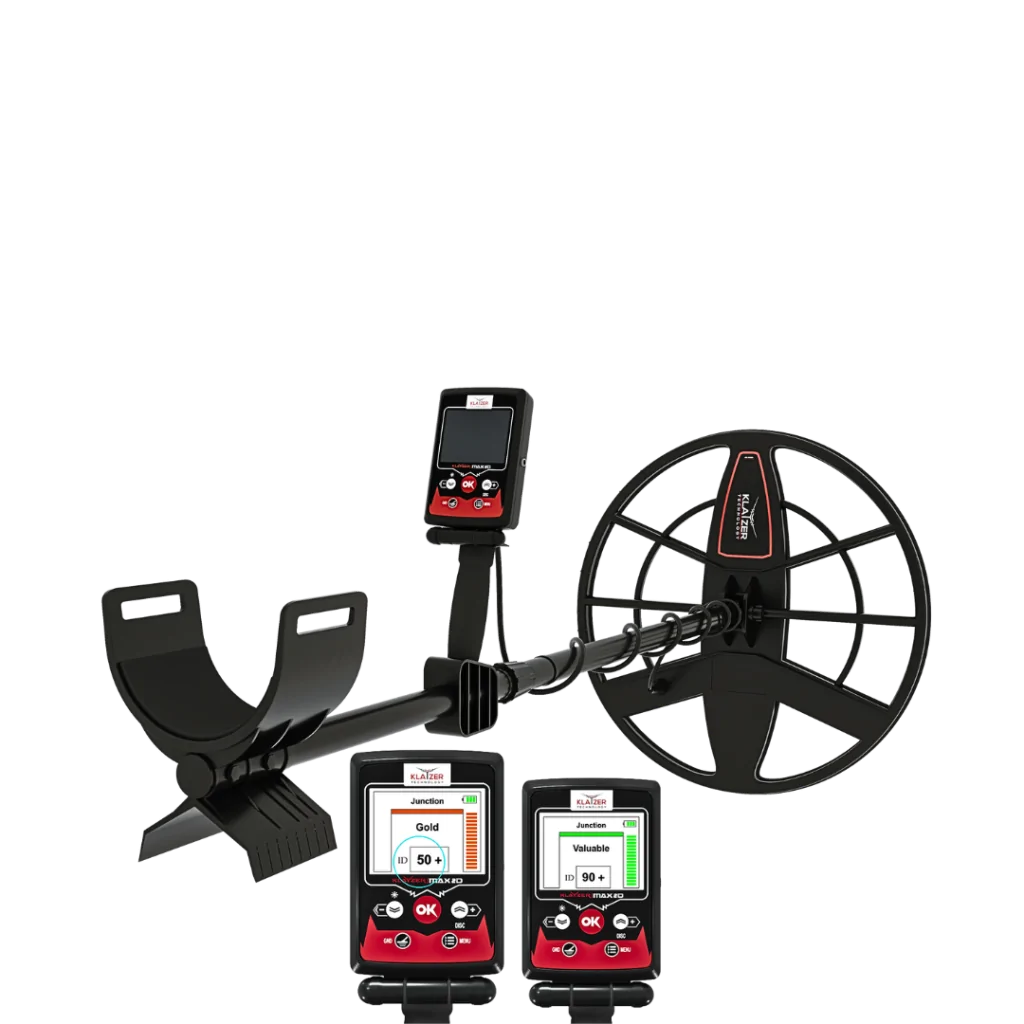
Klayzer Max 2D Advanced Gold Detector Scanner
Unlock hidden treasures with Klayzer Max 2D — one of the best Detectors for gold, silver, and valuable me
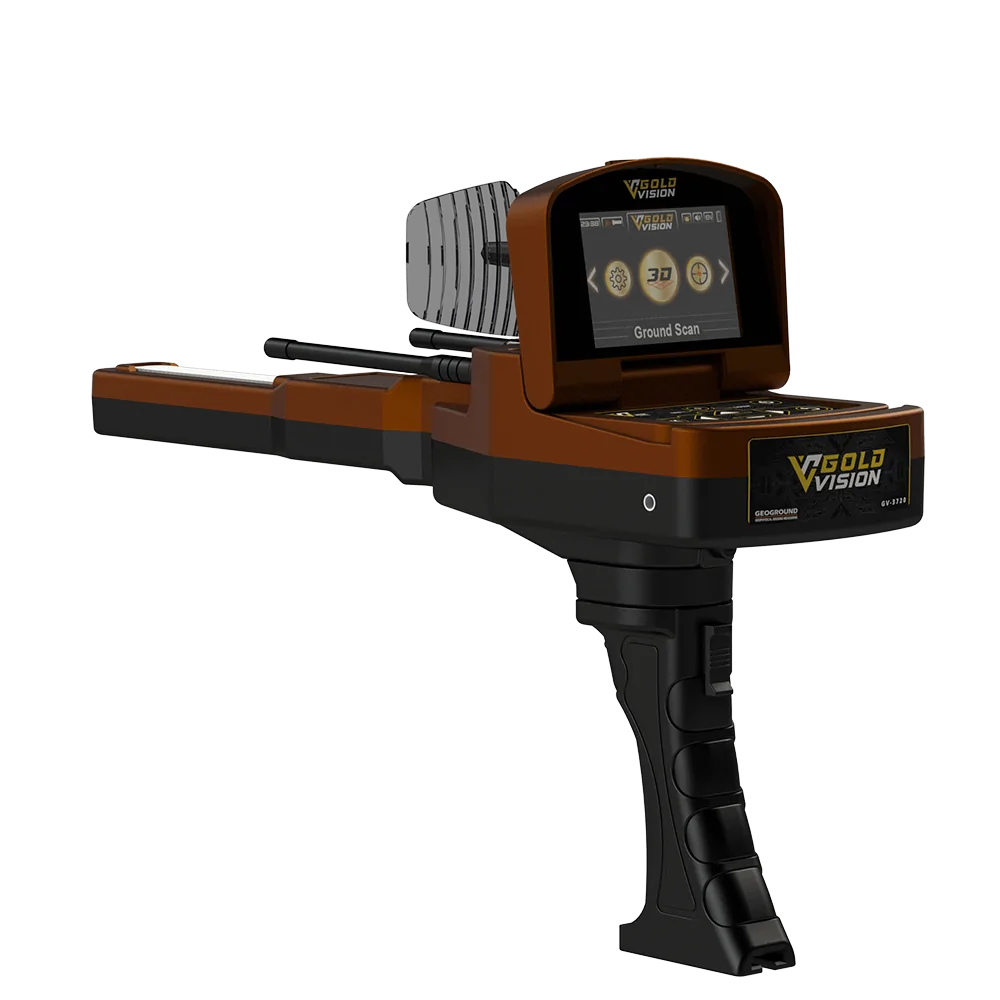
Gold Vision Gold Detector
Gold Vision – professional gold detector with 40 m depth and 3 km range, made in Germany
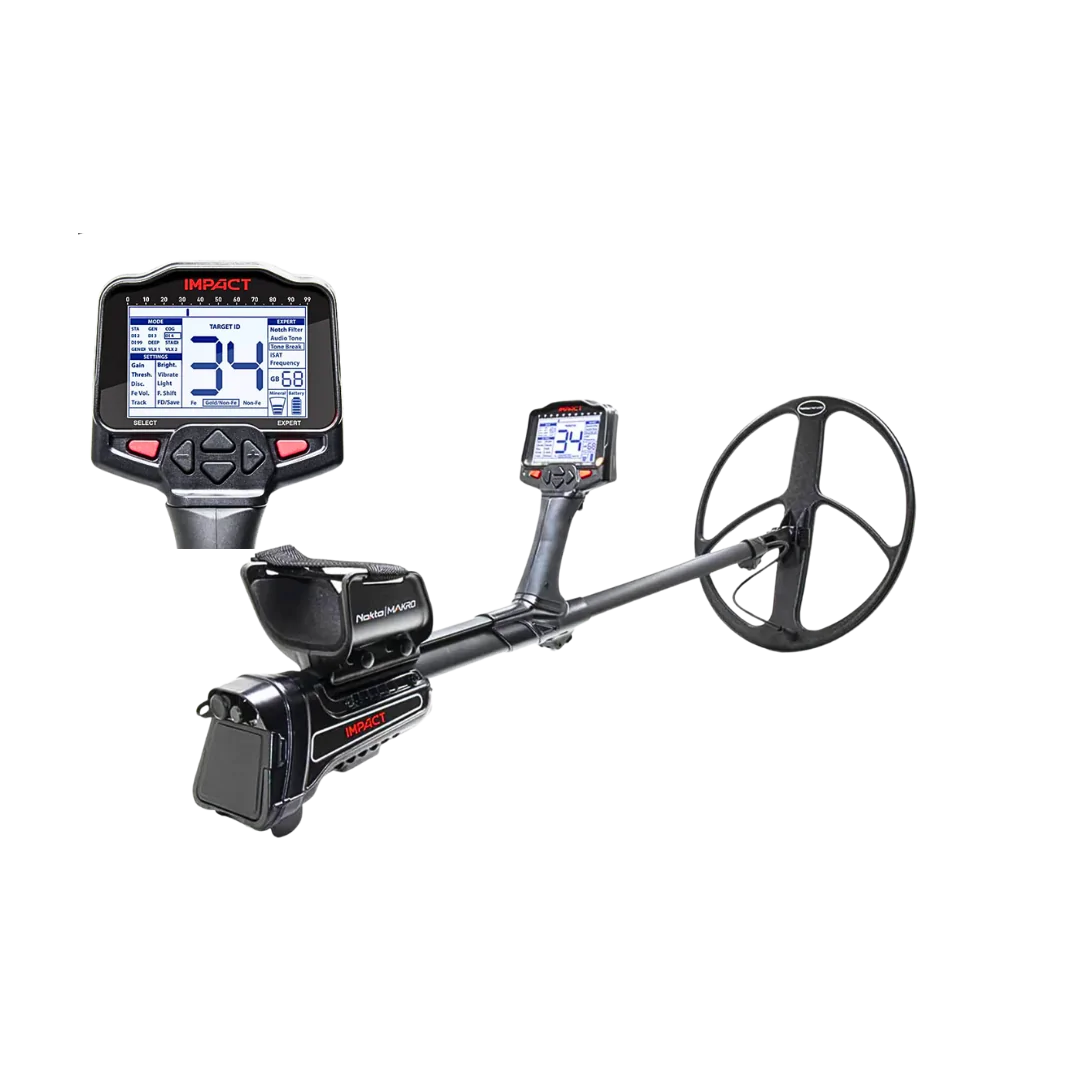
Nokta Impact Pro Multi Frequency Metal Detector
Discover hidden treasures with the Nokta Impact Pro Metal Detector — advanced depth, precision, and versa
Table of Contents
ToggleHow to Choose: Garrett vs Minelab vs Nokta for Beginners and Pros
Garrett vs Minelab vs Nokta: Discover the top models for every budget. From beginner-friendly ACE series to professional Equinox and Legend.
Garrett vs Minelab vs Nokta
The pursuit of hidden treasures, historical relics, and valuable coins has captivated human imagination for centuries. In the modern era, this pursuit is powered by sophisticated technology, and the metal detector is the primary tool of the trade.
The market for this equipment is complex, dynamic, and dominated by three major manufacturers: Garrett, Minelab, and Nokta. These brands, often referred to as the "Big Three," have established formidable reputations through decades of innovation, reliability, and performance.
This guide serves as an expert technical analysis, designed to navigate this "daunting" landscape. It will dissect the core technologies, compare the brand philosophies, and provide clear recommendations for both beginners and experts, ensuring the right tool is selected for the right task.
The Importance of Knowing Garrett vs Nokta: Which Brand Is Right for You?
Choosing a best metal detector is not a simple purchase; it is an investment in a specialized instrument. A common mistake is assuming a "one size fits all" model exists. The reality is that a detector designed for finding gold nuggets in highly mineralized soil will perform poorly when searching for coins in a park littered with iron trash. Conversely, a simple beginner machine will be rendered useless on a wet saltwater beach.
This guide is essential because it provides the foundational knowledge required to make an informed decision. Understanding the core technological differences between machines is the first step toward success and prevents the most common frustrations that cause new users to abandon the hobby. These frustrations include:
Digging excessive "empty holes" due to a misunderstanding of discrimination.
Experiencing constant false signals, or "chatter," from mineralized ground or electrical interference.
Missing valuable targets that are "masked" by junk or are too deep for an improperly configured machine.
Understanding Core Detector Technologies
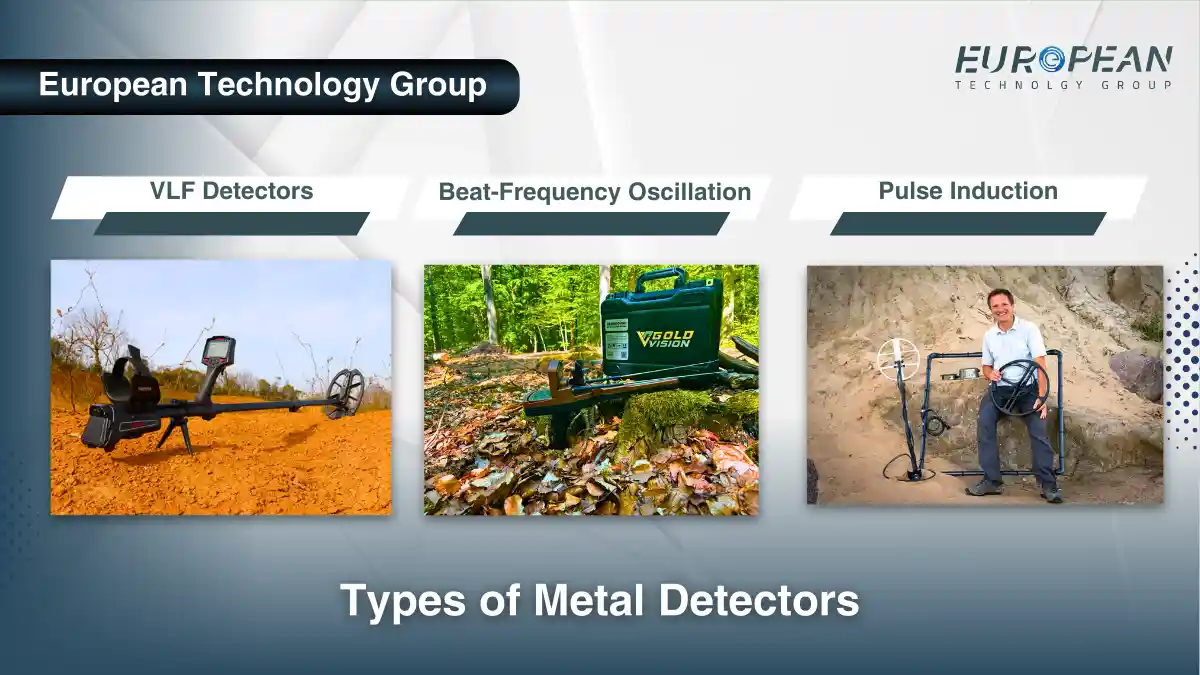
The performance of any metal detector is fundamentally dictated by its operating technology, and understanding the distinct trade-offs between the three main types is essential for success. The most common, Very Low Frequency (VLF), utilizes continuous electromagnetic fields to analyze target conductivity. Its primary strength is sophisticated discrimination, allowing users to easily distinguish valuable coins from iron trash. In sharp contrast, Pulse Induction (PI) technology ignores discrimination in favor of raw power. By blasting the ground with high-voltage pulses, PI machines achieve immense depth and immunity to saltwater, though they force the user to dig almost every target.
The modern landscape has been revolutionized by Simultaneous Multi-Frequency (SMF) technology. This innovation bridges the historical gap between VLF and PI. Instead of relying on a single frequency, SMF detectors transmit, receive, and analyze a wide range of frequencies at the same time.
VLF (Very Low Frequency)
VLF is the most common technology, particularly in entry-level to mid-range detectors. These instruments use two distinct coils: a transmitter coil that sends a continuous, low-frequency electromagnetic field into the ground, and a receiver coil that picks up the signal. When the field hits a metal object, it creates eddy currents, which in turn generate their own magnetic field.
The receiver coil detects this new field and signals a find. The primary strength of VLF technology is its sophisticated discrimination capability. By analyzing the "phase shift" between the transmitted and received frequencies, a VLF detector can effectively determine the conductive and ferrous properties of a target, allowing the user to ignore iron junk and focus on valuable metals like silver, gold, and copper.
Pulse Induction (PI)
Pulse Induction technology operates differently. Instead of a continuous two-way signal, a PI detector uses a single coil (or multiple coils working in tandem) to transmit short, powerful pulses of high-voltage current into the ground. These pulses create a magnetic field that rapidly expands and collapses. Any metal object in the vicinity will resist this collapse, reflecting an echo signal back to the coil in the brief quiet period between pulses.
The primary strength of PI is its immense detection depth and its near-total immunity to the effects of high ground mineralization and saltwater. This makes PI detectors the superior choice for gold prospecting and deep beach hunting. However, this power comes at a cost: PI detectors have very poor to non-existent discrimination, meaning the user must be prepared to dig almost every target.
Multi-Frequency (MF and SMF)
Multi-frequency represents the modern pinnacle of all-purpose detecting. These machines, particularly those with Simultaneous Multi-Frequency (SMF), bridge the gap between VLF and PI. Instead of choosing one single frequency, an SMF detector transmits, receives, and analyzes a wide range of frequencies at the same time.
This technology, pioneered by Minelab as Multi-IQ and adopted by Nokta and Garrett, achieves the best of both worlds: it retains the sophisticated discrimination of a VLF detector while delivering the superior ground-handling capabilities and depth of a PI machine, especially in saltwater and highly mineralized soils.
Key Features That Define Performance
Beyond core technology, actual performance is controlled by three critical settings. Discrimination allows users to filter out iron trash based on conductivity. However, it requires caution; setting it too high is a common error that accidentally masks valuable targets, like gold rings, which often share properties with foil.
Equally vital is Ground Balance, which neutralizes natural soil mineralization to ensure stability and maximum depth. Finally, Sensitivity dictates detection range. Rather than simply maximizing power, the goal is to balance deep detection against false signals caused by interference, maintaining a stable threshold for reliable discovery.
Discrimination
Discrimination is the detector's ability to identify and ignore unwanted metal targets, such as iron nails, foil, and pull-tabs. The detector analyzes an object's conductivity (how well it passes an electrical current) and ferrous properties (if it contains iron). A user can then choose to "notch out" or silence the response from these junk items.
While essential for hunting in trashy areas, overusing discrimination is a classic beginner mistake. Valuable targets like gold rings and thin historical relics often share conductive properties with junk like foil or pull-tabs. Setting the discrimination too high can make these valuable items invisible to the detector.
Ground Balance
This is arguably the most critical setting for achieving maximum detection depth and stable operation. All soil contains minerals, such as iron oxides (in red clay) and salts (on wet beaches), which are conductive. A metal detector will "see" this mineralization and produce a constant, noisy signal that can mask the faint signals of legitimate targets.
Ground balance is the setting that neutralizes this background noise. By "tuning out" the ground's natural signal, the detector becomes stable, quiet, and capable of seeing deeper, smaller targets with a much more accurate Target ID. Detectors may have:
Fixed Ground Balance: Preset at the factory for "average" soil. These machines will struggle significantly in mineralized ground.
Automatic Ground Balance: The detector adjusts itself to the soil, which is ideal for beginners.
Manual Ground Balance: Allows the user to fine-tune the setting for expert-level performance.
Sensitivity
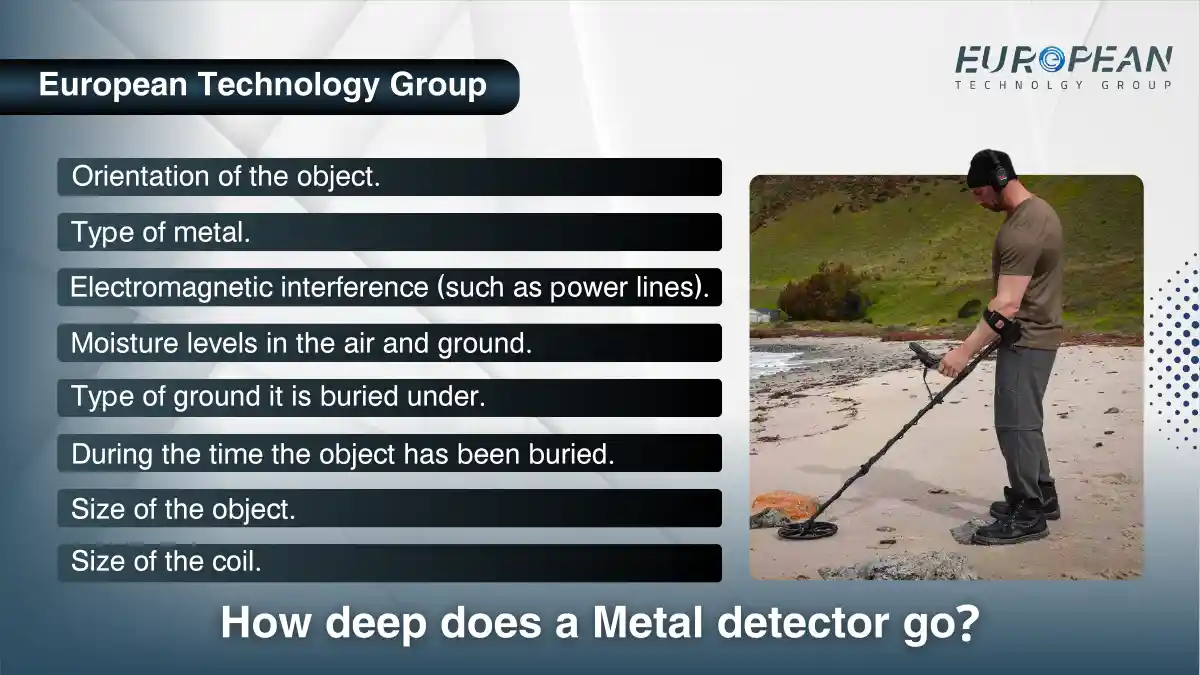
Sensitivity determines how deeply the detector can sense metal objects and how small a target it can detect. While it is tempting to run sensitivity at its maximum level, this is not always productive. High sensitivity increases detection depth, but it also makes the detector more susceptible to false signals from ground mineralization and electromagnetic interference (EMI) from power lines or cell phones.
The optimal approach is to set the sensitivity as high as possible while maintaining a stable, quiet threshold, which is only possible after the detector has been properly ground balanced.
Guidance for Beginners
Newcomers require a machine that minimizes the steep learning curve through "turn-on-and-go" simplicity. The ideal starter detector prioritizes lightweight ergonomics and, critically, automatic ground balance to eliminate common user errors. These features allow new users to focus on coil control rather than struggling with complex settings or constant false signals.
The Klayzer Max 2D stands out as the premier choice for this transition. It revolutionizes the experience by replacing abstract audio beeps with an instant 2D visual representation on a colored screen. With simple one-click iron exclusion and robust ground calibration, it enables novices to distinguish treasure from trash with immediate confidence.
Essential Features for a First-Time Detectorist
An effective beginner detector must prioritize ease of use and automated functions, allowing the new user to focus on learning coil control and what signals sound like. The essential features are:
Ease of Use: A "turn-on-and-go" design with simple, intuitive controls and a clear display.
Lightweight and Ergonomic: The detector must be comfortable to swing for long sessions.
Simple Discrimination: An easy way to filter out common junk items like iron, without needing to understand complex "notch" settings.
Automatic Ground Balance: This is the most crucial feature. It removes the single greatest source of user error and ensures the detector performs stably across different soil types.
The Top Recommendation for Beginners
While many brands offer entry-level models, the Klayzer Max 2D is a premier choice specifically because its design philosophy is centered on solving the biggest beginner challenges. It is a VLF detector engineered for finding gold, ancient coins, and relics, but its true strength lies in its user-friendly interface.
Analysis of Key Beginner-Friendly Features
The Klayzer Max 2D stands apart by automating difficult processes and providing intuitive visual data, reducing the user's reliance on interpreting complex audio tones.
Automatic Ground Calibration: The Klayzer Max 2D features Double ground recognition, which allows the detector to be calibrated to the soil with either automatic or manual settings. This system guarantees optimum performance even in difficult terrain and has been developed to solve the equilibrium problems found in many other detectors.
Simple Iron Exclusion: Instead of a confusing menu, the device offers the ability to exclude iron and iron-containing metals with a single click. This is a simple, effective, and practical feature that immediately improves the quality of targets found.
Instant 2D Visual Representation: This is the Klayzer Max 2D's most innovative feature. While other detectors rely on audio beeps and numerical IDs, this machine features a 2D colored screen that instantly processes the signal and displays a detailed drawing of the target's shape. This visual feedback makes it far easier for a novice to learn the difference between a coin, a nail, and a pull-tab, building confidence and skill much faster.
Guidance for Professionals
For serious professionals, requirements shift from ease of use to raw performance. A true professional-grade machine demands superior depth, rugged weatherproof construction, and advanced manual ground balance. These features are essential for extracting targets from the most challenging environments where standard detectors fail.
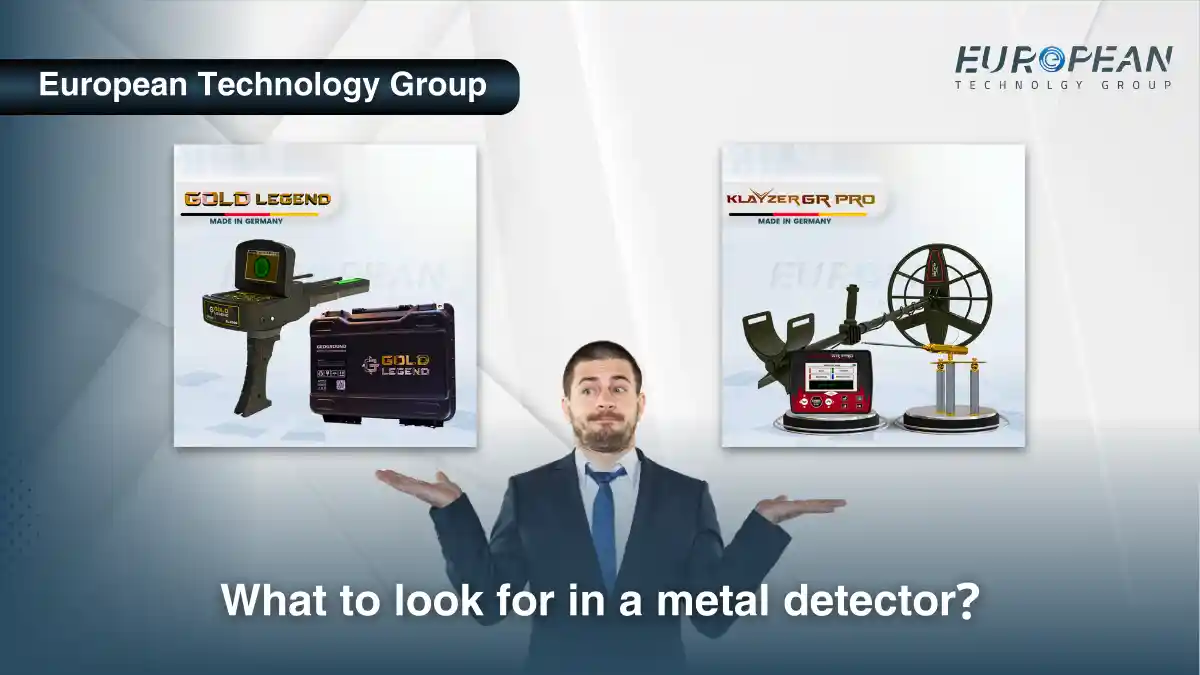
The Klayzer GR Pro defines this elite category. A unique 5-system instrument, it combines VLF precision with Long Range Locator (LRL) technology. Unlike standard coin-shooters, it empowers experts to scan vast areas up to 2,000 meters forward to pinpoint specific targets.
With a staggering depth capacity of 20 meters, it goes beyond metal to detect underground voids and tunnels. This multi-system approach ensures efficiency in difficult terrains, such as basaltic rock, where single-technology units often struggle.
What Defines a Professional-Grade Machine
Professional detectors are built to withstand rugged, all-day use and provide advanced features that allow expert users to extract valuable targets from the most challenging environments. Key features include:
Superior depth penetration.
Durable, weatherproof, or fully waterproof construction.
Advanced ground balance options, including manual, automatic, and tracking.
Highly customizable discrimination and audio settings.
Specialized technologies such as SMF, Pulse Induction (PI), or Long Range Locators (LRL) for specific targets like gold.
The Premier Choice for Experts
For the professional prospector or deep-treasure hunter, the Klayzer GR Pro represents a specialized class of instrument. This German-made detector is a unique, multi-system device that combines VLF and Long Range Locator (LRL) technologies, designed specifically to locate deep gold, metals, and subterranean voids or spaces.
Analysis of Advanced Multi-System Capabilities
The Klayzer GR Pro is not a typical coin-shooting detector; it is a 5-system tool for serious exploration.
Long Range Locator (LRL) System: This is its primary professional function. Using high-frequency waves, this system allows a single operator to scan a vast area, with a forward range of up to 2000 meters and a penetration depth of up to 20 meters. The user can program the LRL to search only for specific targets by frequency, such as Gold (5.2 Khz) or Spaces (700 Hz).
Deep Search and Scan System (VLF): Once the LRL system identifies a target area, the operator switches to the VLF system for precise locating. This system, with a 3-meter depth capability, is engineered with automatic calibration to work with high efficiency in difficult terrains, including metallic and basaltic rocks where other VLF detectors fail.
Advanced Discrimination and Gap Detection: The VLF system can differentiate between gold, precious metals, iron, and, critically, spaces. This allows it to identify underground caves, cellars, or tunnels, displaying the results on its 2D colored screen.
Pinpointer and Superficial Scan Systems: The device includes additional systems for high-sensitivity pinpointing and a superficial scan mode with waterproof coils, allowing it to be used underwater up to one meter.
How to Choose the Right Company for Your Needs
Each of the "Big Three" brands maintains a distinct philosophy. Garrett, an American legacy since 1964, is defined by rugged reliability. Their ACE and AT series remain the trusted standard for hobbyists valuing durability and "turn-on-and-go" simplicity.
In contrast, Minelab stands as the undisputed technology leader. With revolutionary Multi-IQ and ZVT systems found in the Equinox and Manticore, they set the global benchmark for raw performance and gold prospecting depth.
Finally, Nokta operates as the industry disruptor. By democratizing high-end features—such as fully waterproof designs and Simultaneous Multi-Frequency—at accessible prices, models like The Legend offer exceptional value without compromising on professional capabilities.
Garrett
Founded in Texas in 1964, Garrett Metal Detectors built its legacy on reliability and customer satisfaction. Charles Garrett's early innovation of the patented "zero drift" coaxial coil changed the industry and established the company as a leader.
Minelab
companies in the metal-detecting world. Instead of following industry trends, Minelab has consistently set new standards—starting with their early dual-frequency detectors and continuing with breakthrough technologies like Multi-IQ (SMF) and ZVT, which revolutionized gold detection and depth performance.
Today, Minelab is widely regarded as the global benchmark for detection performance. Their Multi-IQ platforms, used in detectors such as the Equinox and Manticore series, remain unmatched in stability, sensitivity, and target accuracy. Meanwhile, their advanced gold-finding systems—especially the GPZ line—are trusted by serious prospectors worldwide for locating gold in the most challenging ground conditions.
This year, Minelab’s best-selling detectors reflect the brand’s dominance across hobby, professional, and gold-prospecting categories:
EQUINOX 800 – Versatile, accurate, and exceptionally reliable
MANTICORE – Next-generation SMF power and superior target separation
GOLD MONSTER 1000 – Known for simplicity, sensitivity, and fast results
GPZ 7000 – The ultimate gold detector with unmatched depth
GOLD MONSTER 2000 – A powerful, user-friendly gold machine for all terrains
Together, these models reaffirm Minelab’s position as the industry leader—continuously pushing boundaries and delivering technology that shapes the future of metal detection.
Nokta
Founded in Istanbul in 2001, Nokta has rapidly emerged as one of the most dynamic and fast-growing brands in the metal-detecting industry. Built on a philosophy of bold innovation and market disruption, Nokta focuses on delivering more performance, more features, and more durability—at prices that are accessible to everyone.
What truly sets Nokta apart is its ability to bring high-end technologies to mainstream users. They were among the first to introduce fully waterproof detectors and SMF (Simultaneous Multi-Frequency) capabilities at budget-friendly prices, a move that pushed the entire industry forward. Their devices are widely recognized for solid construction, ergonomic designs, and feature sets that often outperform more expensive competitors.
This year, Nokta’s success is reflected in its two top-selling models:
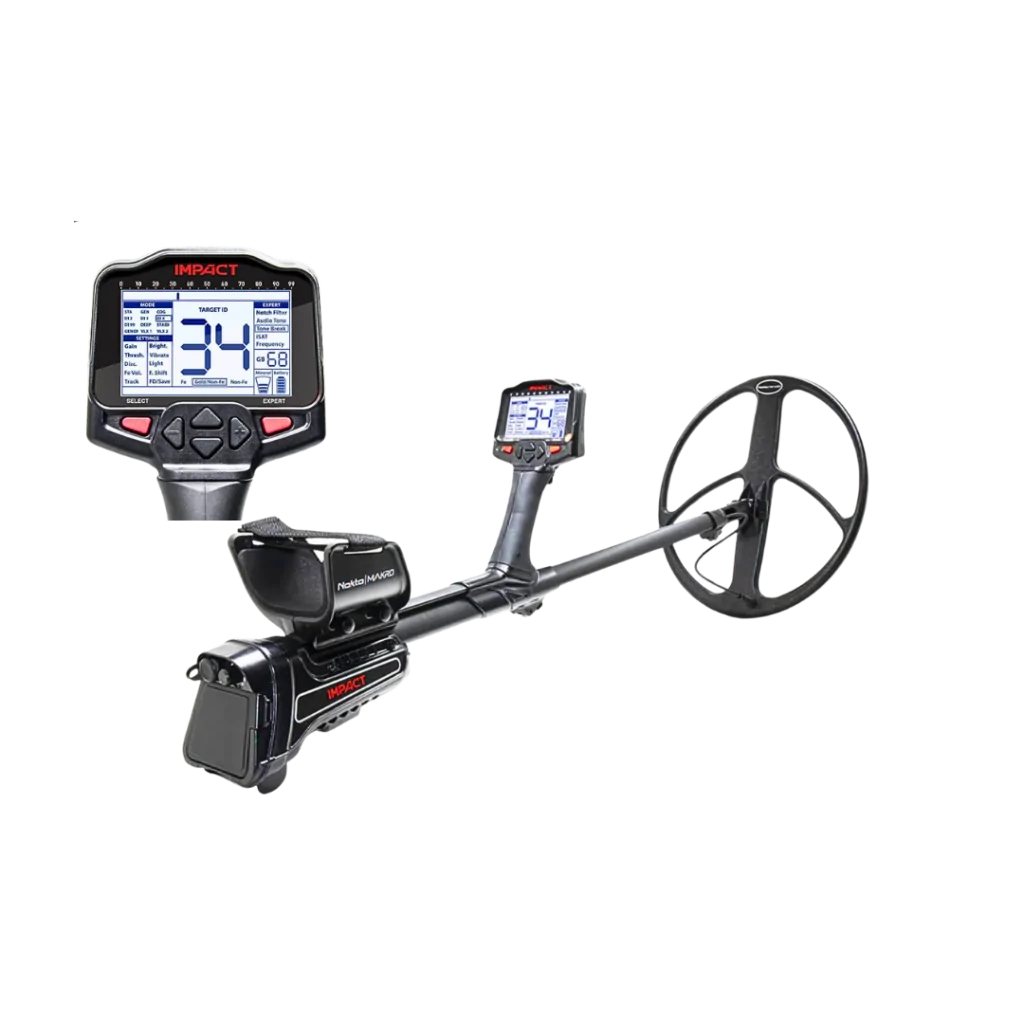
Nokta Impact Pro – A versatile, professional-level detector known for stability, customizable modes, and strong performance across multiple terrains.
Nokta The Legend 2 – The latest generation of Nokta’s SMF technology, offering deeper detection, cleaner target ID, and improved waterproofing.
Together, these detectors highlight Nokta’s growing influence and its commitment to offering premium performance at a cost that makes advanced detecting accessible to beginners and professionals alike.
Matching the Brand to the Environment
The most important decision is matching a detector's technology to your specific hunting environment. For general use in parks or dry sand, Single-Frequency VLF models like the Garrett ACE series offer excellent discrimination and value. However, these struggle in conductive saltwater; for those conditions, Simultaneous Multi-Frequency (SMF) systems from Minelab or Nokta are essential to neutralize mineralization.
For extreme frontiers, requirements shift. Pulse Induction (PI) units are the only choice for highly mineralized gold fields, sacrificing discrimination for raw depth. Meanwhile, specialized Hybrid systems like the Klayzer GR Pro occupy a unique niche, designed for deep geological prospecting and void detection far beyond standard capabilities.
Technology and Environment Suitability Table
| Technology Type | Key Brands/Models | Best For (Environment) | Strengths | Weaknesses |
| VLF (Single Freq.) | Garrett ACE Series, Klayzer Max 2D, Nokta Simplex | Mild Soil, Parks, Dry Sand | Excellent discrimination, low cost | Poor performance in mineralized soil or saltwater |
| SMF (Multi-Freq.) | Minelab (Multi-IQ), Nokta (SMF), Garrett (Multi-Flex) | All-Terrain, High-Mineralization, Saltwater Beaches | Excellent ground balance, depth, and discrimination | Higher cost than basic VLF |
| Pulse Induction (PI) | Minelab GPX/GPZ Series, Garrett Sea Hunter | Extreme Mineralization, Gold Fields, Deep Saltwater | Maximum depth, ignores minerals/salt | Very poor or no discrimination |
| Hybrid (VLF + LRL) | Klayzer GR Pro | Deep Prospecting, Wide Areas, Detecting Voids | Extreme 20m depth, 2000m range, specialized targeting | Not for casual coin/relic hunting; professional tool |
Frequently Asked Questions About Garrett vs Minelab vs Nokta: Which Brand Is Right for You?
What is the main difference between Garrett, Minelab, and Nokta?
Garrett is renowned for American-made reliability and ease of use (ACE series). Minelab is the technology leader with Multi-IQ and superior gold detection. Nokta offers high-performance, waterproof features at a value-driven price point.
Which brand is best for beginners: Garrett or Nokta?
Garrett’s ACE series is legendary for its simplicity and learning ease. However, Nokta’s Simplex series offers waterproof capabilities and modern features like vibration alerts at a similar price, making it a strong contender for versatile beginners.
Why is Minelab considered the leader in gold prospecting?
Minelab pioneered technologies like ZVT (Zero Voltage Transmission) and Multi-IQ, which provide unmatched depth and stability in highly mineralized “gold fields.” Models like the GPZ 7000 are the industry standard for serious gold hunters.
Conclusion about Garrett vs Minelab vs Nokta: Which Brand Is Right for You?
Choosing the right metal detector is a personal decision that requires a balance of technology, budget, and, most critically, an honest assessment of your specific goals and hunting environment. A machine that thrives in a trashy park will fail on a wet saltwater beach. A professional gold detector will be an exercise in frustration for a casual coin shooter.
Ultimately, the "best" brand is the one that empowers you to hunt where you want, for the targets you seek, without frustration. Use this guide to analyze your needs, understand the technology, and make an investment that will bring you years of successful and rewarding discovery.


This is an excellent article! The ideas are clearly explained, well-structured, and very engaging. I really appreciate the depth of insight and the value it adds. Great work!
Garrett – Minelab – Nokta: three world-class brands known for professional performance, high accuracy, and real results in the field—trusted by experts for gold and metal detection.