

Do gold detectors detect metals?
Do gold detectors detect metals? Yes, revealing the earth’s silent whispers clearly. Transform simple signals into golden finds. Get your gear now.
Minelab Gold Monster 2000 Professional Gold Detector
Minelab Gold Monster 2000 offers high sensitivity for raw gold in all terrains. Ea
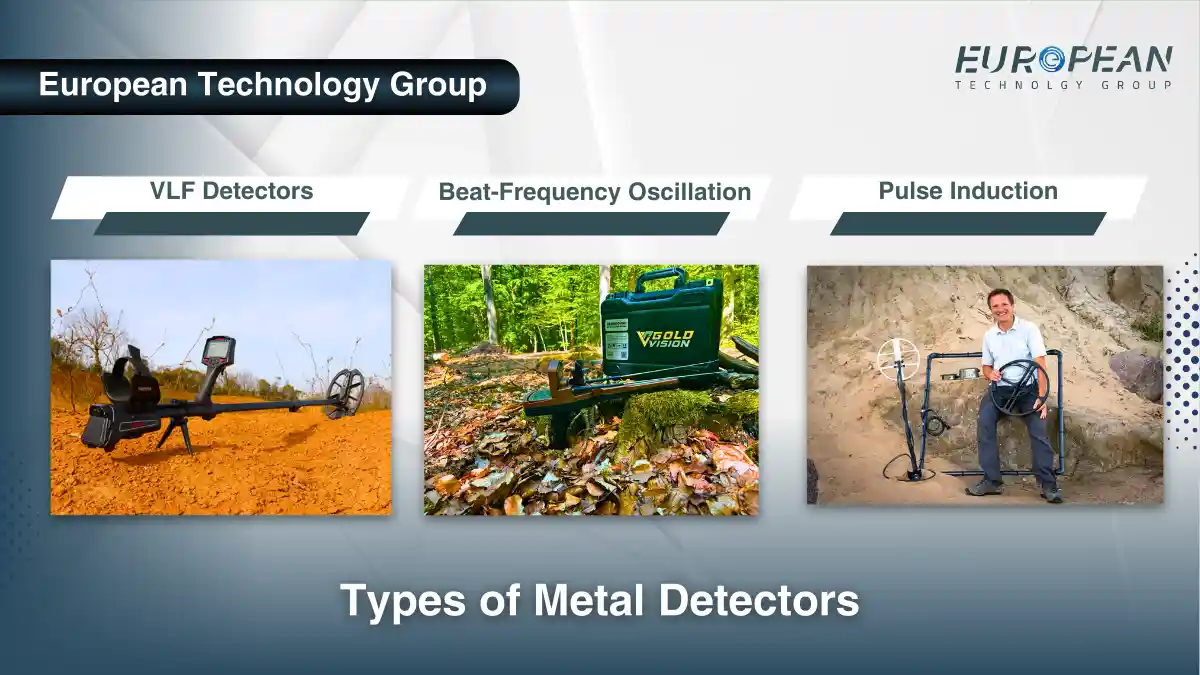
Table of Contents
ToggleDo Gold Detectors Detect Metals? The Technical Truth Revealed
Do gold detectors detect metals? Learn how conductivity impacts your search for nuggets. Get reliable equipment advice instantly. Contact us today.
Â
Do gold detectors detect metals? How the technology actually works
Gold detectors are built on metal detection technology, which means they react to metallic objects underground by emitting electromagnetic signals and analyzing the response. When the signal hits a conductive object, it creates a return signal that the device interprets. This process applies to gold and to other metals as well, which explains why users often notice responses to non-gold targets.
The key difference lies in how gold detectors are tuned. They are optimized to be more sensitive to low-conductive metals like natural gold, especially small nuggets that standard metal detectors may miss. Instead of ignoring other metals completely, the device prioritizes signal patterns associated with gold-like responses.
For beginners, it helps to think of gold detectors as highly selective listeners rather than exclusive gold-only machines. They still hear other metals, but they are trained to recognize gold more effectively under challenging ground conditions.
Why do gold detectors react to other metals?
Many new users feel surprised when a gold detector signals iron, aluminum, or other metals. This reaction is normal and rooted in physics rather than device error. Metals share conductive properties, and the detector cannot fully ignore them without losing sensitivity to gold itself.
Several factors influence this behavior. Conductivity levels vary between metals, but overlap exists. Soil mineralization also plays a role, as highly mineralized ground can distort signals and make different metals appear similar. In addition, user settings such as sensitivity and discrimination affect how many signals are heard.
This is why experience matters. With practice, users learn to interpret signal strength, consistency, and audio behavior to decide whether a target is worth digging. Gold detectors do not promise perfection, but they offer improved decision-making when used correctly.
Difference between gold detectors and metal detectors
Although both devices share similar technology, gold detectors and metal detectors serve fundamentally different purposes. Gold detectors are precision instruments engineered with high sensitivity to identify small, low-conductive targets hidden within highly mineralized soils. In contrast, general metal detectors are balanced for versatility, designed to locate a broad spectrum of objects—from coins to relics—in neutral ground conditions.
This technical distinction directly impacts user experience and success in the field. From a buyer’s perspective, the decision must be driven by specific goals rather than price alone. Using a specialized gold detector for casual coin hunting can feel inefficient due to its specific tuning, whereas relying on a basic metal detector for serious prospecting often leads to missed targets and significant frustration.
| Feature | Gold Detectors | Metal Detectors |
|---|---|---|
| Target focus | Natural gold | All metal types |
| Soil handling | High mineralization | Low to moderate |
| Sensitivity | Very high for small targets | Balanced |
| Discrimination | Limited but refined | Broad and adjustable |
From a buyer’s perspective, choosing between the two depends on goals rather than price alone. Using a gold detector for casual coin hunting may feel inefficient, while using a basic metal detector for gold prospecting may lead to frustration.
Can gold detectors distinguish gold from other metals?
This question often follows closely behind the main topic. Gold detectors can help distinguish gold from other metals, but they do not offer absolute identification. The distinction is based on probability, signal behavior, and user interpretation rather than certainty.
Advanced models provide discrimination settings that reduce responses from unwanted metals. However, aggressive discrimination can also block weak gold signals. For this reason, many experienced users prefer minimal filtering and rely on signal analysis instead.
Sound patterns, signal stability, and depth response all contribute to decision-making. Gold signals often behave differently than iron or scrap metals, but these differences become clearer with hands-on experience. The technology assists the user, but it does not replace judgment.
Types of metals detected by gold detectors
Before listing detected metals, it is important to understand that detection does not equal targeting. Gold detectors respond to metals based on conductivity and size, not intent.
Common metals detected include:
- Natural gold in nugget or flake form
- Iron and steel objects
- Aluminum fragments
- Copper-based materials
- Lead and similar conductive metals
This broad response range is not a flaw. Instead, it reflects the detector’s sensitivity. The real value lies in learning how to prioritize signals that match gold-like characteristics while ignoring obvious non-relevant responses. Users should also be aware that detecting certain objects may be restricted by local regulations. Responsible use protects both the user and the environment.
Are all gold detectors designed the same way?
Not all gold detectors follow the same design or technology. Differences exist in operating frequency, signal processing, coil size, and ground handling capabilities. These variations affect performance and suitability for different environments.
Some detectors operate at higher frequencies, making them more sensitive to small gold pieces but less effective at depth. Others balance frequency to offer versatility. Soil conditions play a major role, as highly mineralized areas demand advanced ground balancing systems.
This is where professional guidance becomes valuable. European Technology Group, for example, focuses on offering solutions matched to user needs rather than generic recommendations. Matching terrain, experience level, and expectations leads to better outcomes and fewer disappointments.
How to choose the right gold detector for your needs
Selecting a gold detector is less about finding the most expensive option and more about choosing the most appropriate one. Beginners often overlook practical considerations and focus only on advertised depth or power.
Key factors to consider include experience level, typical soil conditions, target size expectations, and learning curve. A detector that is too complex may discourage new users, while an overly simple device may limit growth.
Before purchasing, it is wise to clarify goals and seek expert advice. European Technology Group provides structured guidance that helps users align technology with realistic outcomes, improving satisfaction and long-term value rather than short-term excitement.
Frequently Asked Questions about gold detectors and metal detection
Do gold detectors work on all types of soil?
Gold detectors are designed to handle mineralized soils better than standard metal detectors, but extreme ground conditions can still affect performance. Proper ground balancing and correct settings help reduce interference and improve signal clarity in challenging environments.
Can a gold detector be used as a regular metal detector?
Yes, a gold detector can detect other metals, but it may not be the most efficient choice for general metal detection. Its high sensitivity can lead to more signals than desired in urban or recreational settings.
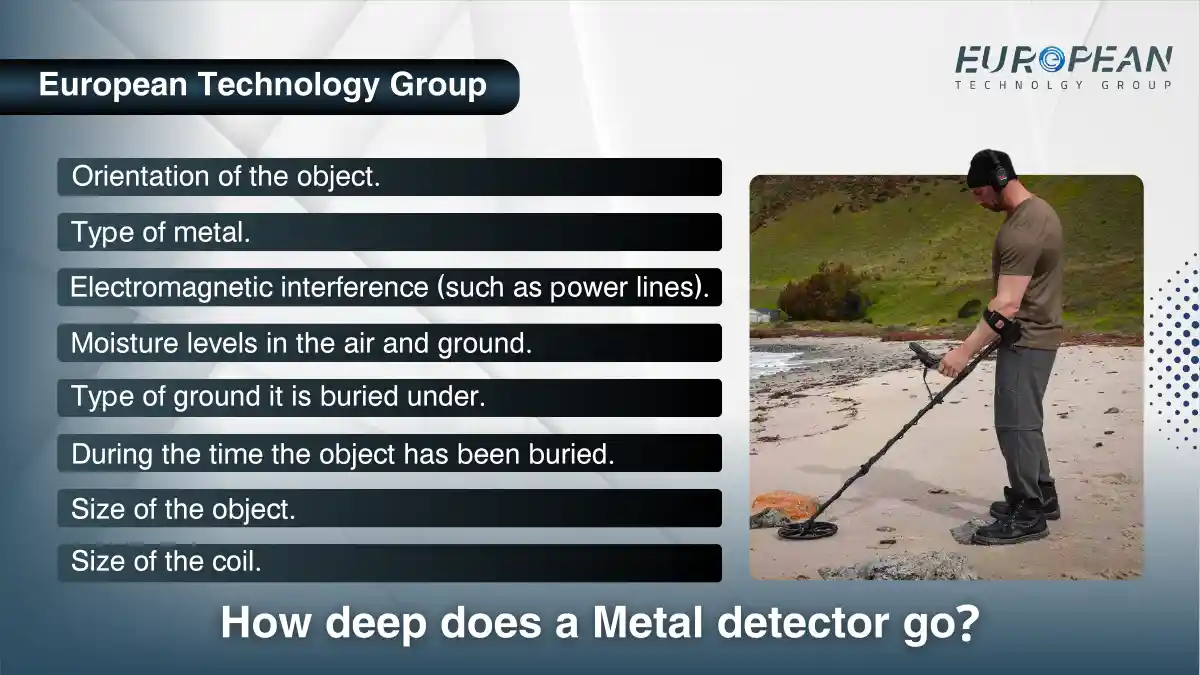
Does depth depend on the type of metal?
Depth detection varies based on metal size, shape, and conductivity. Larger objects are detected deeper than small ones, regardless of material. Gold detectors prioritize sensitivity over raw depth.
Conclusion – Do gold detectors detect metals? and what should you expect?
In the end, do gold detectors detect metals? Yes, they do, but with a specific purpose and design that favors gold detection rather than general metal hunting. Understanding this distinction helps users make informed decisions and avoid unrealistic expectations. Industry insights suggest that over 60% of beginner frustration comes from misunderstanding device capabilities rather than technical failure.
- Gold detectors respond to multiple metals, not gold alone
- Sensitivity and soil conditions shape results
- User knowledge improves accuracy over time
- Choosing the right device matters more than price
If your goal is serious gold detection with realistic expectations, now is the right time to act. Explore expert-guided solutions, ask the right questions, and take a confident step toward smarter detection with trusted guidance from European Technology Group.