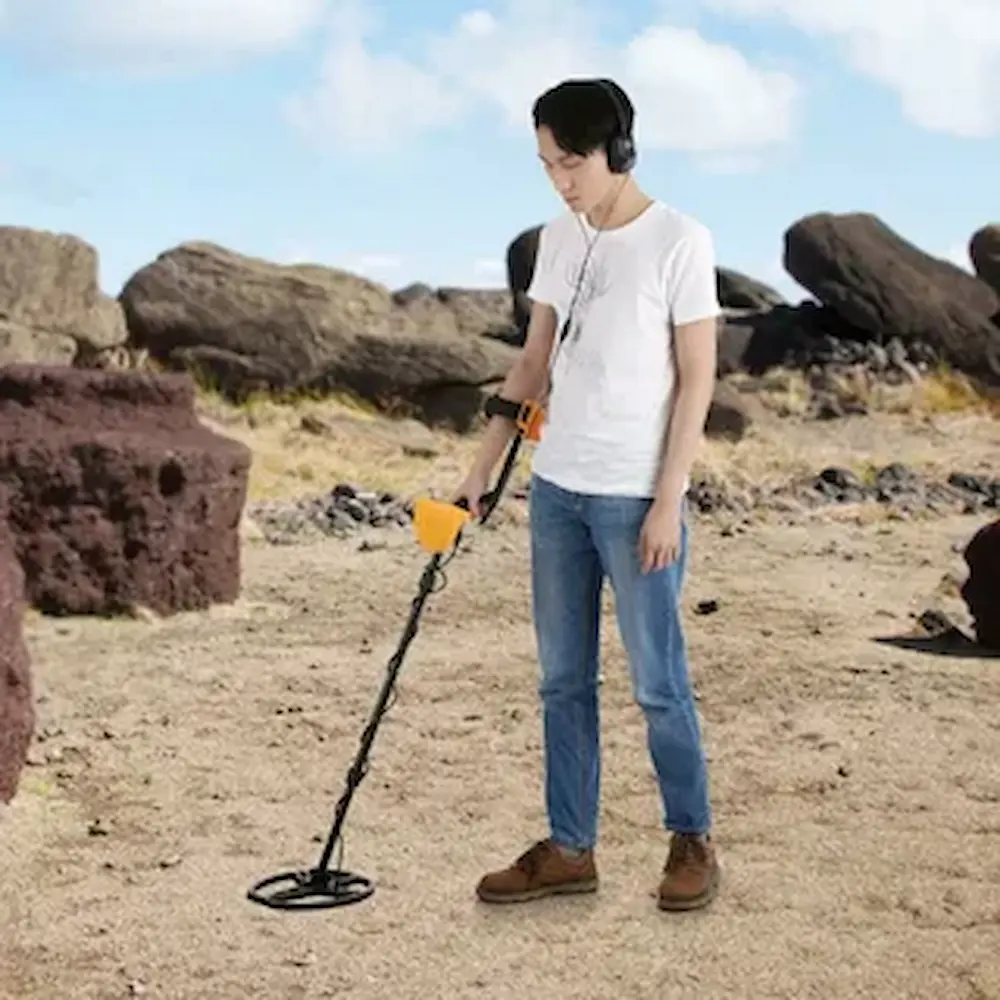


Search techniques in gold and metal detectors
With search techniques in gold and metal detectors, every signal tells a story. Listen to the ground and uncover hidden treasures. Begin your journey.
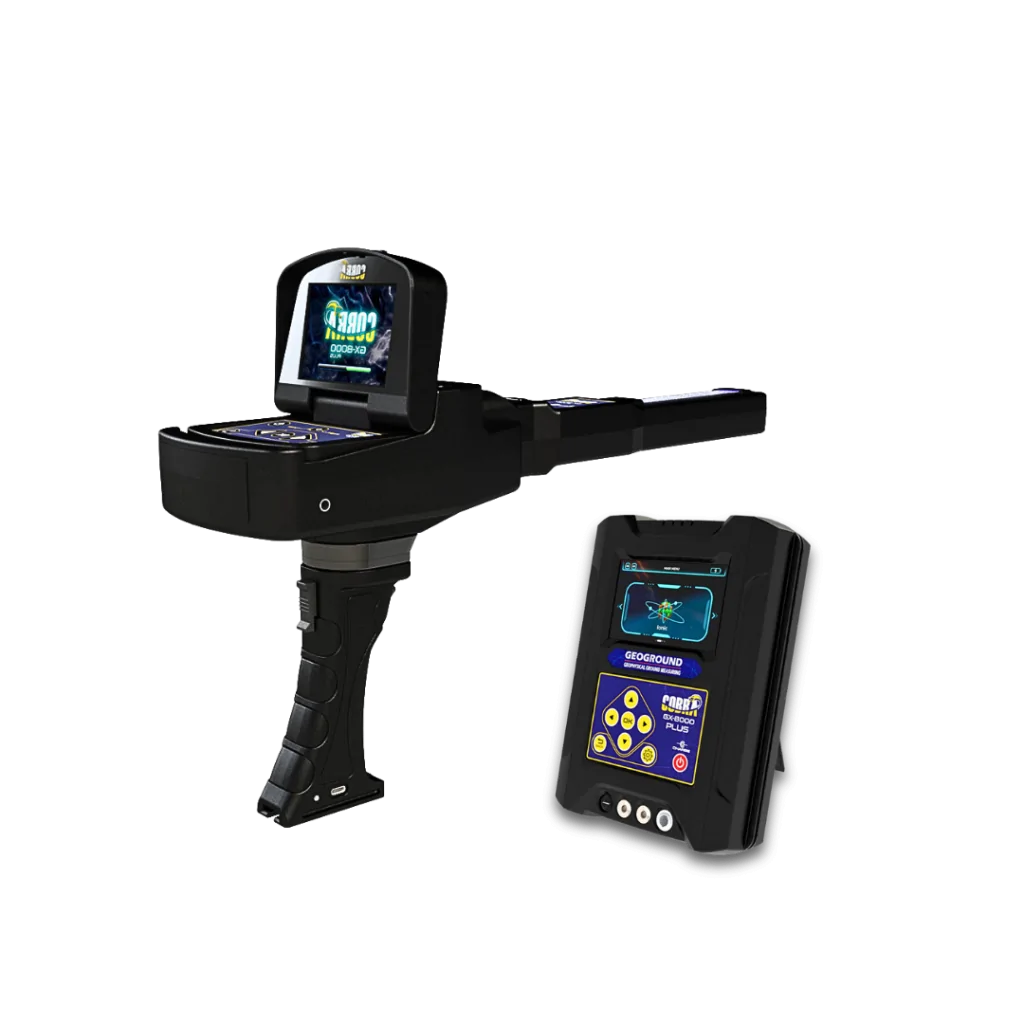
COBRA GX 8000 Plus Professional Gold Detector
COBRA GX 8000 Plus offers advanced multi-system detection to locate gold, metals, and buried treasure
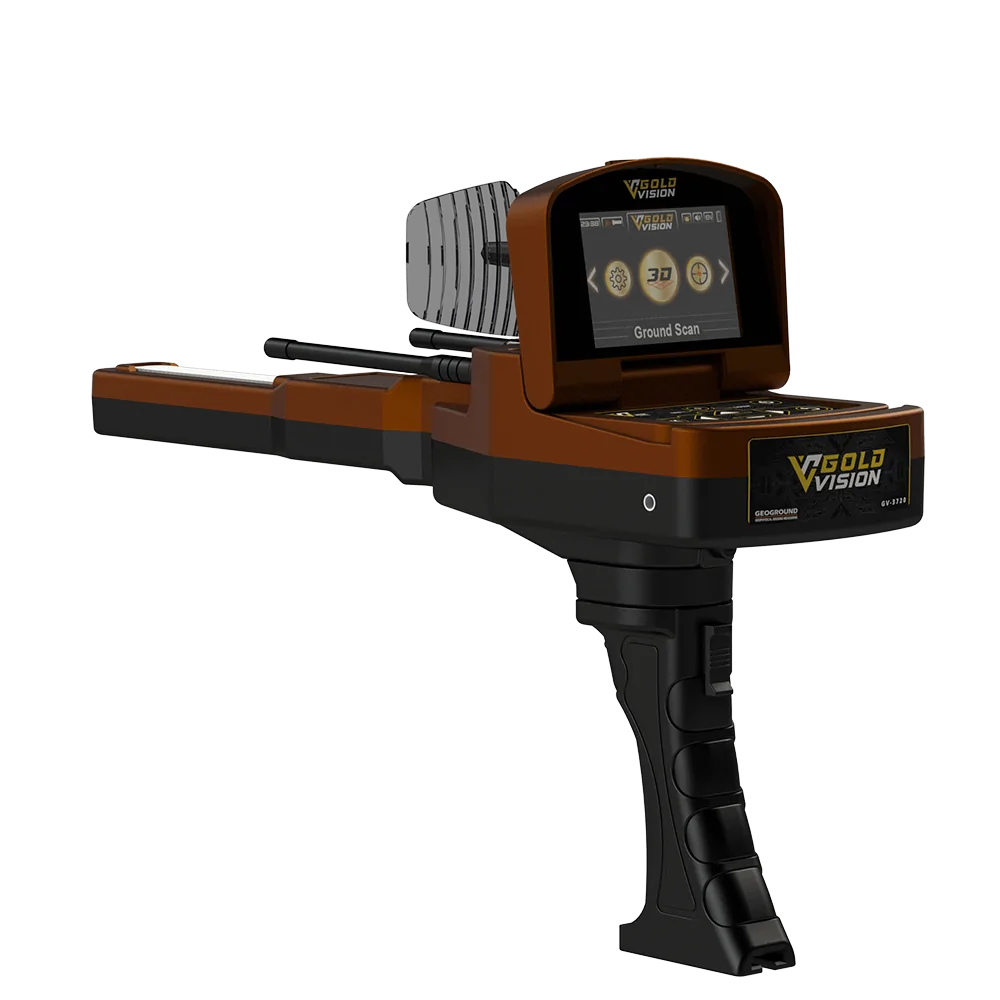
Gold Vision Gold Detector
Gold Vision – professional gold detector with 40 m depth and 3 km range, made in Germany
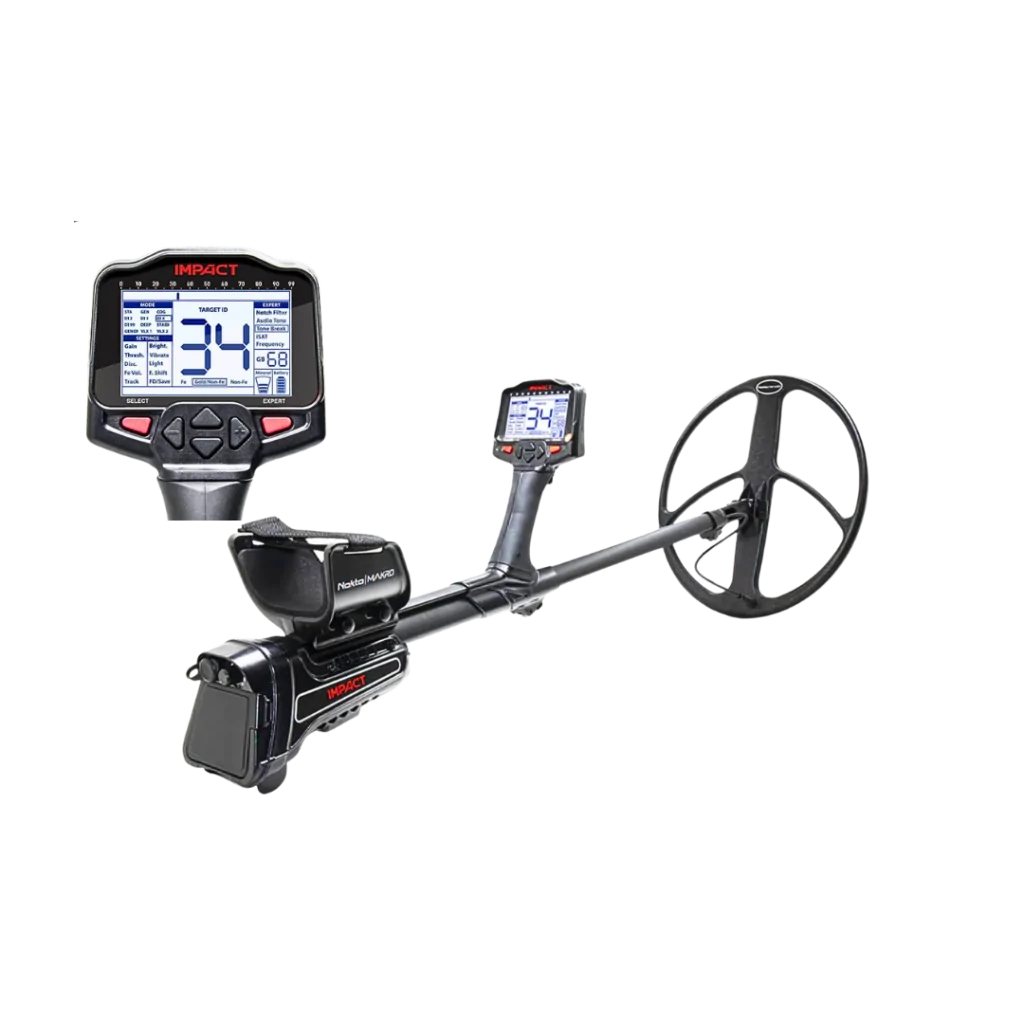
Nokta Impact Pro Multi Frequency Metal Detector
Discover hidden treasures with the Nokta Impact Pro Metal Detector — advanced depth, precision, and versa
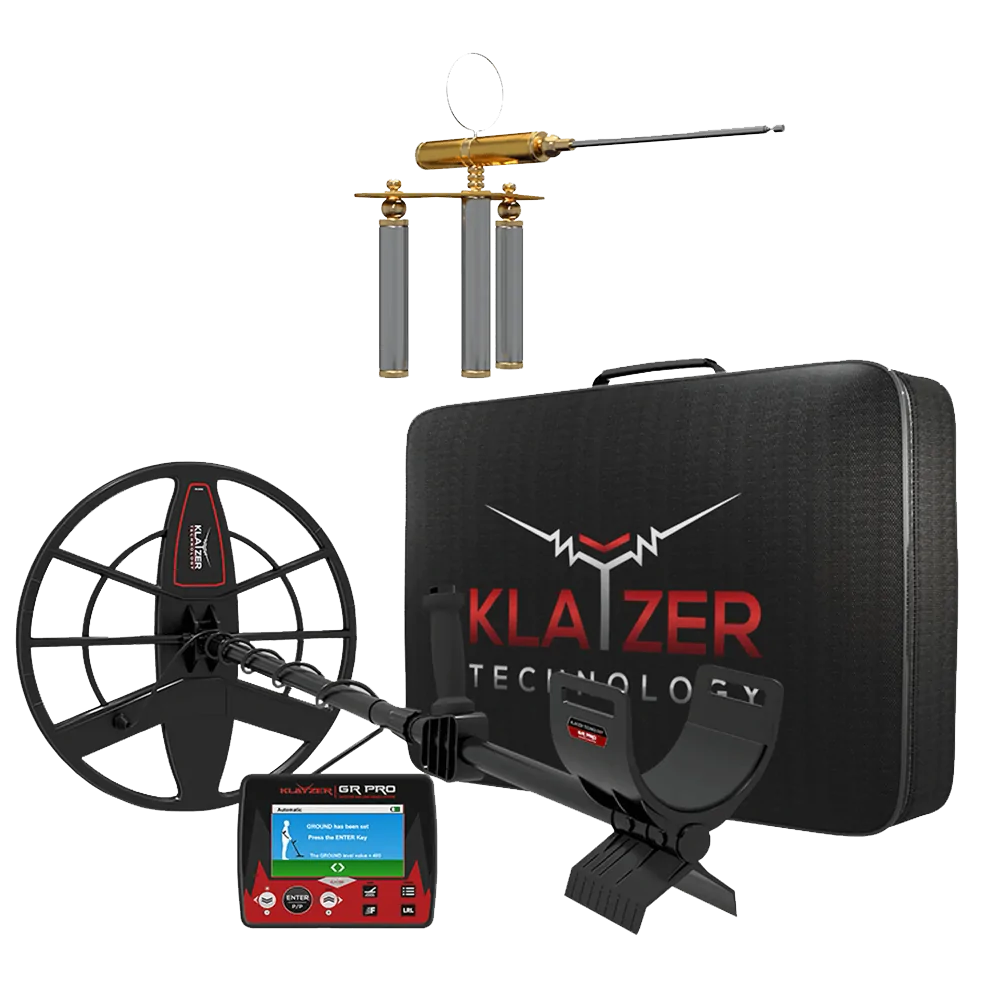
Klayzer Gr Pro Professional Gold Detector
Klayzer Gr Pro – advanced gold detector for deep, accurate treasure and gold hunting.
Table of Contents
ToggleSearch Techniques in Gold and Metal Detectors: The Complete Guide
Transform search techniques in gold and metal detectors into an art form. Reveal what lies beneath with rhythm and patience. Unearth true value today.
Why Do Search techniques in gold and metal detectors Matter?
Search techniques in gold and metal detectors directly influence detection success, regardless of how advanced the device is. Even high-end detectors can produce poor results if the wrong search method is used. The technique determines how signals are captured, filtered, and interpreted during scanning.
From a practical perspective, proper search techniques reduce wasted time, minimize interference, and protect the equipment from misuse. Reports from the metal detection industry suggest that more than 60% of missed targets are linked to incorrect scanning patterns or poor ground handling rather than device limitations. This highlights why technique matters as much as technology.
How Do Gold and Metal Detectors Search Underground?
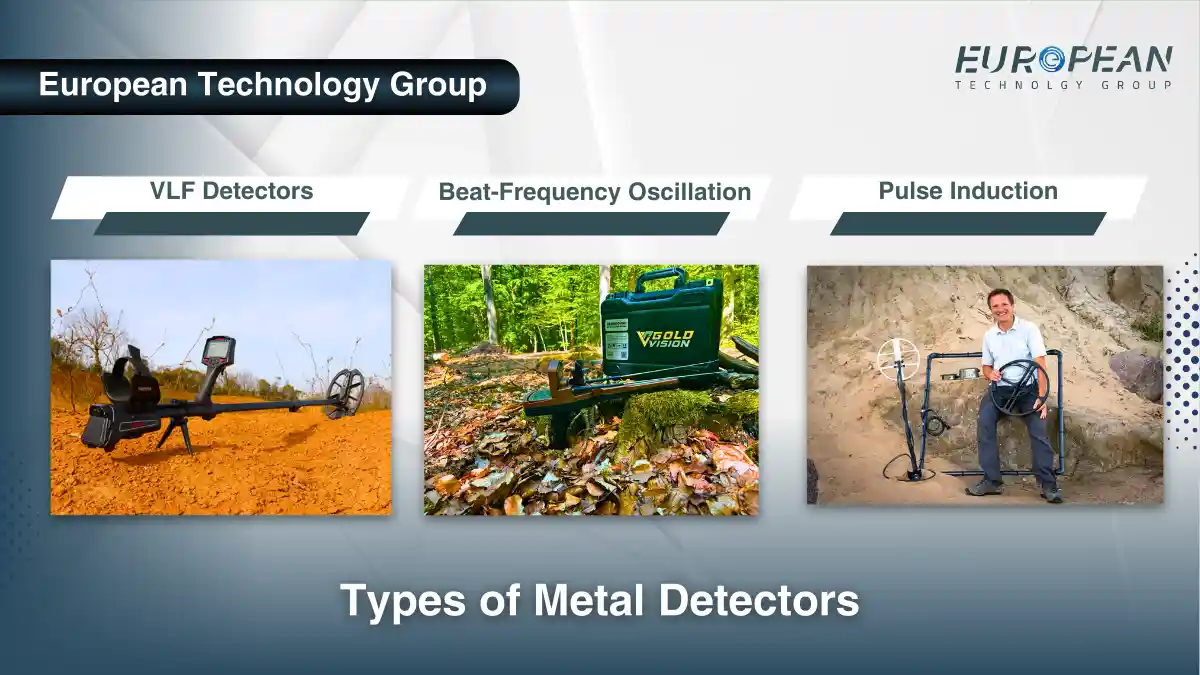
Gold and metal detectors search underground by generating electromagnetic fields that interact with buried metallic objects. At a fundamental level, the device sends energy into the ground through its search coil. When this energy strikes a conductive object, it generates a secondary return signal, which the detector processes to estimate the target’s potential type and depth.
Crucially, different metals react uniquely to these electromagnetic signals. Gold produces a distinct signature compared to iron or aluminum, requiring precise interpretation. This variance explains why factors like frequency range, coil movement, and soil conditions directly influence accuracy, highlighting why structured search techniques are essential for success.
The basic principle behind detection systems
At a simple level, the detector sends energy into the ground through the search coil. When this energy hits a conductive object, it creates a secondary signal. The detector then analyzes this response to estimate the target’s type and depth.
Electromagnetic fields and signal response
Different metals react differently to electromagnetic signals. Gold, for example, produces a distinct response compared to iron or aluminum. This is why frequency range, coil movement, and soil conditions all influence detection accuracy and explain why structured search techniques are essential.
Main Search Techniques in Gold and Metal Detectors
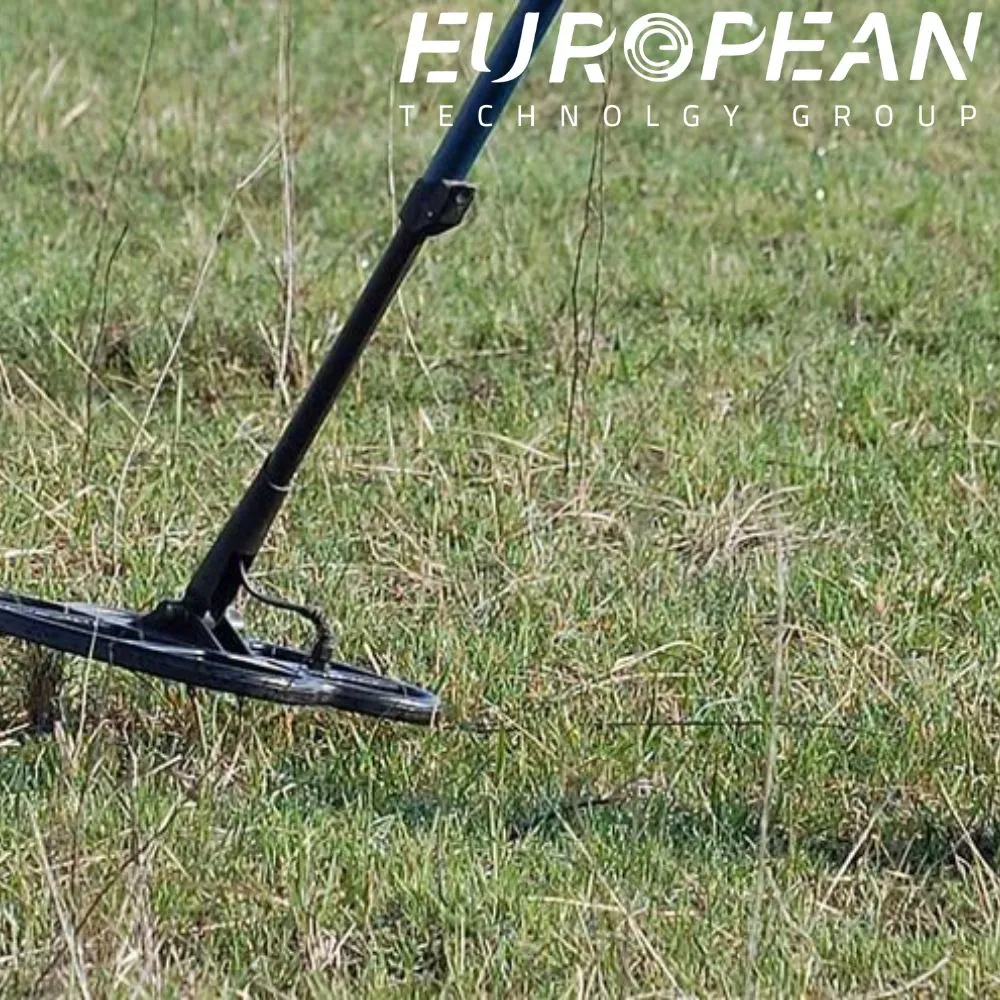
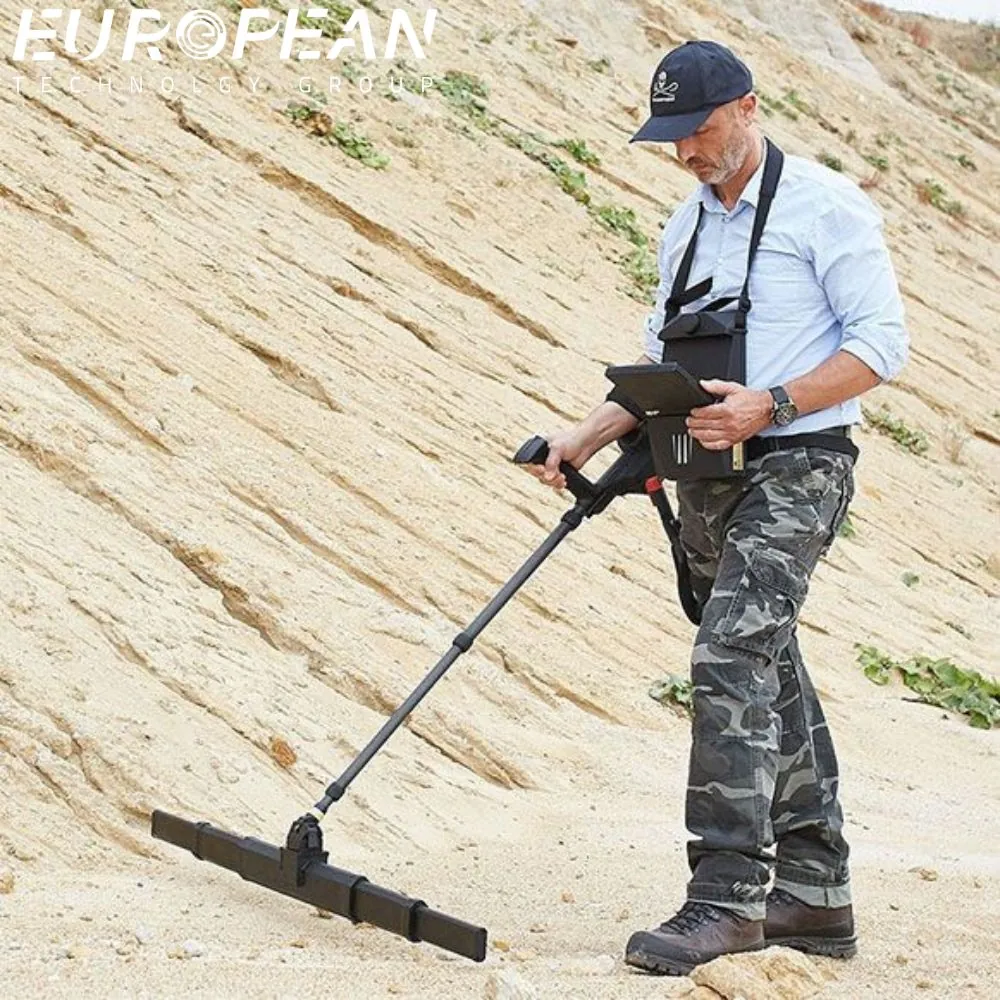
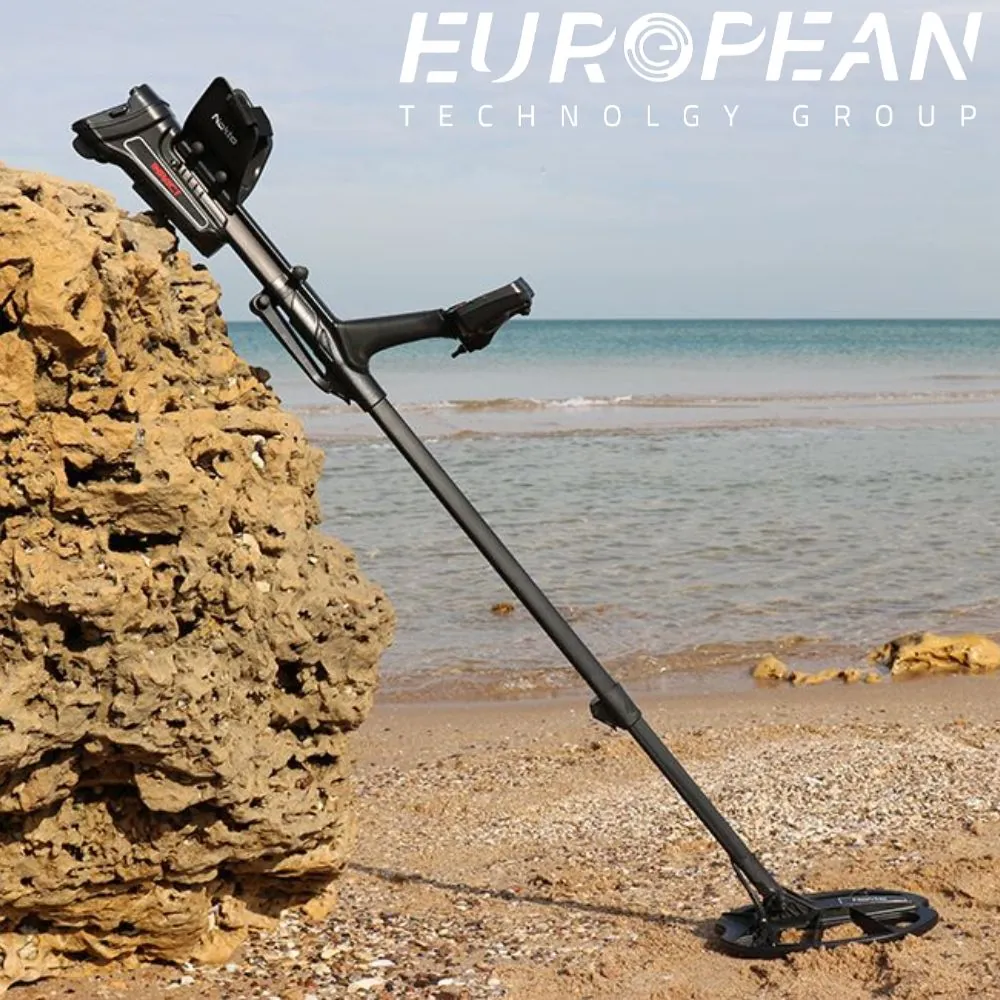
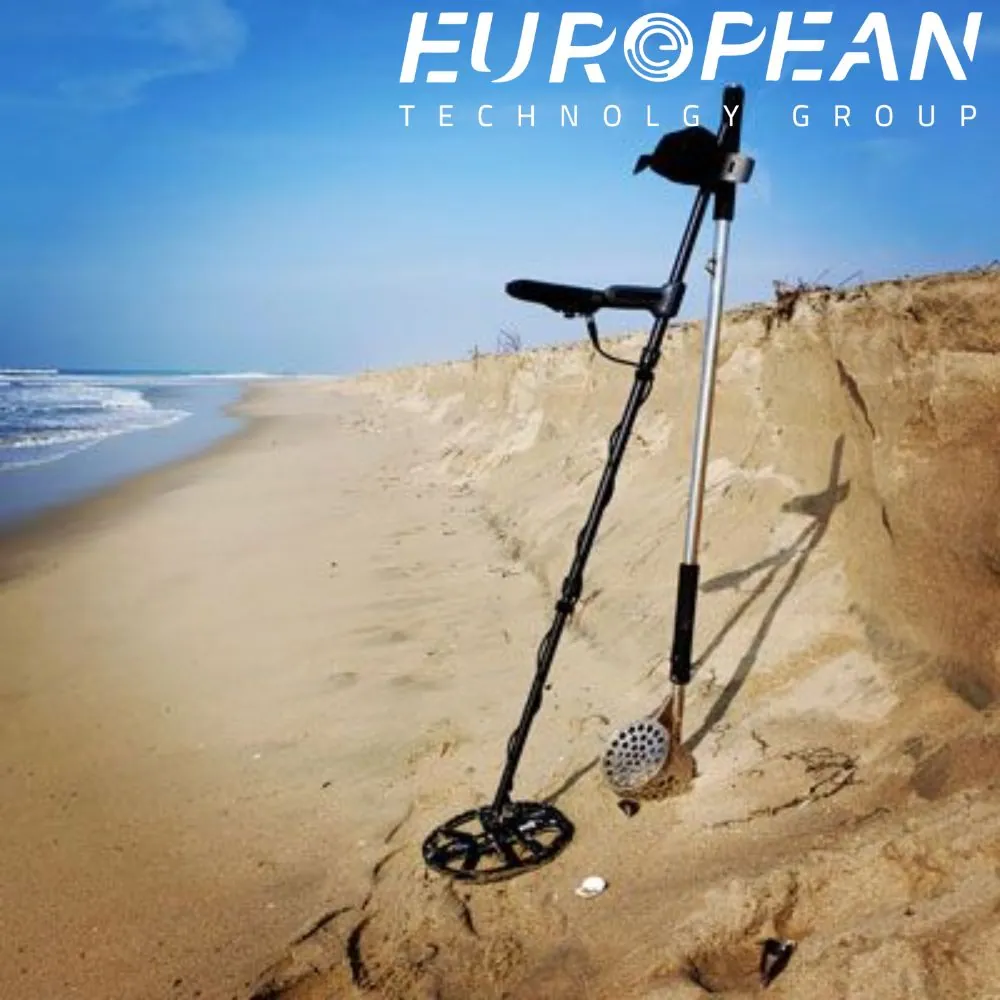
Search techniques in gold and metal detectors can be divided into several core methods that suit different terrains and user goals. Choosing the right one depends on experience level and environmental conditions.
Before applying any method, it is important to understand that consistency is more valuable than speed. A slow, organized scan often delivers better results than wide, fast movements that miss subtle signals.
- Motion-based search techniques:Â These rely on continuous coil movement to detect targets and are common in hobby and professional devices.
- Non-motion or static detection techniques:Â Used mainly for pinpointing, these work when the coil remains stationary over a suspected target.
- Grid search and systematic scanning:Â The area is divided into sections and scanned in straight lines to ensure full coverage and avoid overlaps or gaps.
Advanced Search Techniques for Professional Users
As users gain experience, advanced search techniques in gold and metal detectors become essential for handling complex soil conditions. Success in these environments relies heavily on mastering ground balancing, which adjusts the detector to ignore mineralized soil and eliminate false alerts caused by natural interference.
Beyond basic stability, professionals utilize discrimination-based searching to filter out iron waste without sacrificing sensitivity to valuable targets. Additionally, deep target scanning methods employ low-frequency signals and slower sweeps to locate deeply buried objects. These techniques require significant patience and precision, transforming standard detection into a highly efficient professional operation.
Ground balancing techniques
Ground balance adjusts the detector to ignore mineralized soil signals. Without proper ground balance, the device may misinterpret minerals as metal targets, leading to false alerts.
Discrimination-based searching
Discrimination allows the detector to differentiate between valuable metals and unwanted targets like iron. When applied carefully, it reduces noise without sacrificing gold detection sensitivity.
Deep target scanning methods
Deep scanning focuses on low-frequency signals and slower sweeps to detect larger or deeply buried objects. This technique is commonly used in professional exploration and requires patience and precision.
What Factors Affect Search Accuracy and Depth?
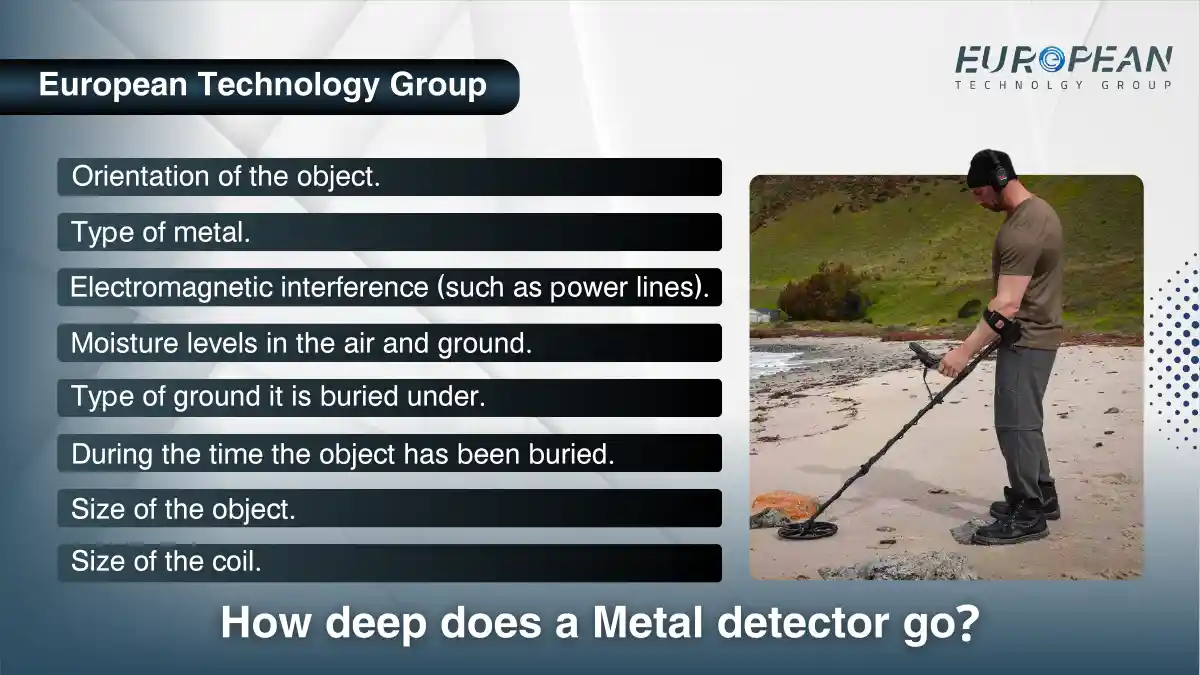
Several variables influence how effective search techniques in gold and metal detectors can be. Understanding these factors helps users adjust their approach instead of blaming the device.
Environmental challenges, particularly high soil mineralization, can significantly reduce detection depth and trigger false signals, while technical specifications like detection frequency and search coil type directly dictate the equipment’s sensitivity and ground coverage.
Beyond hardware, physical realities play a crucial role; naturally, larger targets are easier to detect at greater depths. However, the most critical variable is often user experience. A skilled operator knows how to interpret complex signal nuances, allowing them to adapt their technique to these conditions for maximum accuracy.
Â
| Factor | Impact on Detection |
|---|---|
| Soil mineralization | Can reduce depth and cause false signals |
| Target size | Larger targets are easier to detect at depth |
| Search coil type | Affects coverage and sensitivity |
| User experience | Influences signal interpretation |
| Detection frequency | Determines metal response accuracy |
Choosing the Right Search Technique for Your Needs
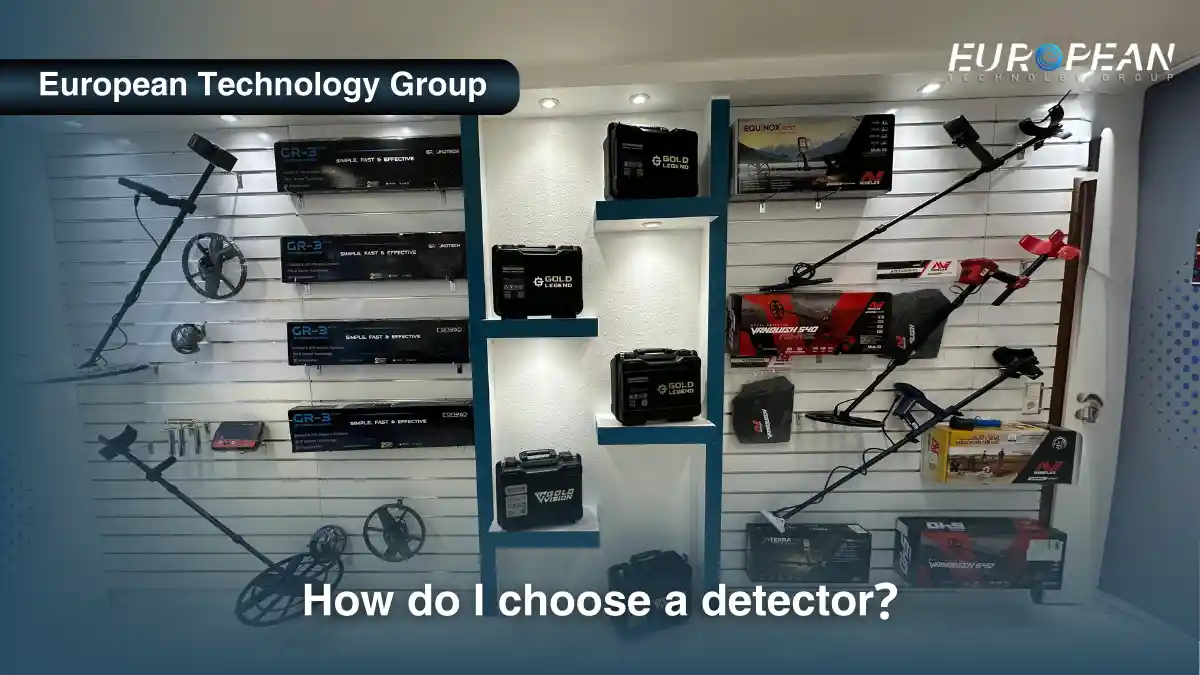
Not all search techniques in gold and metal detectors are suitable for every user. Beginners often benefit from simple motion-based scanning, while professionals may require advanced ground balancing and discrimination control.
For hobbyists, the priority is ease of use and learning signal behavior. In contrast, commercial or exploration users focus on depth detection and accuracy over large areas. European Technology Group supports this range by offering solutions tailored to different experience levels, helping users match technique with equipment responsibly and legally.
Selecting the right approach also reduces equipment strain and extends operational lifespan, an often-overlooked advantage of proper technique selection.
Common Mistakes When Using Search Techniques
Many detection issues stem from avoidable mistakes rather than equipment failure. Recognizing these errors can significantly improve outcomes.
One common issue is sweeping the coil too quickly, which prevents the detector from processing signals correctly. Another is ignoring soil conditions, leading to constant false alerts. Overusing discrimination can also cause missed gold targets, especially small or irregular ones.
A cautious and informed approach reduces these risks. Safety and compliance with local laws should always guide detection activities, particularly in protected or regulated areas.
FAQs – Search Techniques in Gold and Metal Detectors
What is the most accurate search technique?
There is no single best method. Grid scanning combined with proper ground balance often delivers the most reliable results across different terrains.
How deep can gold detectors search?
Depth varies depending on device power, soil conditions, and target size. On average, professional detectors can identify medium-sized targets at depths ranging from 1 to 3 meters under favorable conditions.
Does soil type affect detection results?
Yes. Mineralized or wet soil can interfere with signals, which is why adapting search techniques to ground conditions is essential for accuracy.
Conclusion – Search Techniques in Gold and Metal Detectors
In conclusion, search techniques in gold and metal detectors are the foundation of successful detection, not just an optional skill. Proper techniques can improve accuracy by up to 30%, reduce false signals, and protect equipment from misuse.
- Technique matters as much as technology
- Soil conditions require adaptive searching
- Structured scanning increases coverage
- Experience improves signal interpretation
If you aim to improve detection results and make informed equipment choices, now is the right time to act. Connect with European Technology Group to explore professional solutions, gain expert guidance, and move forward with confidence toward more efficient and responsible metal detection.