

Information about metal detectors

Underwater Metal Detectors: Top Picks & Safety Tips

Underwater Metal Detectors: Top Picks & Safety Tips
The pursuit of underwater metal detecting represents a unique intersection of advanced technology, historical exploration, and thrilling discovery. It is an activity that extends the passion for treasure hunting from the solid earth into the submerged realms of rivers, lakes, and oceans.

This specialized field, which traces its modern origins to the 1950s alongside the popularization of scuba diving, allows enthusiasts to search for lost valuables, historical artifacts, and submerged treasures hidden from view.

Actually, the term "underwater metal detector" is not a single category of equipment. It encompasses a wide spectrum of devices designed for fundamentally different environments. The technical and safety requirements for detecting in one meter of fresh water are vastly different from those for a 25-meter (85ft) scuba dive in saltwater.
Underwater Metal Detectors: Top Picks & Safety Tips

Explore the best Underwater Metal Detectors: Top Picks & Safety Tips. Find waterproof gear for diving and beach hunting. Get your expert guide now.

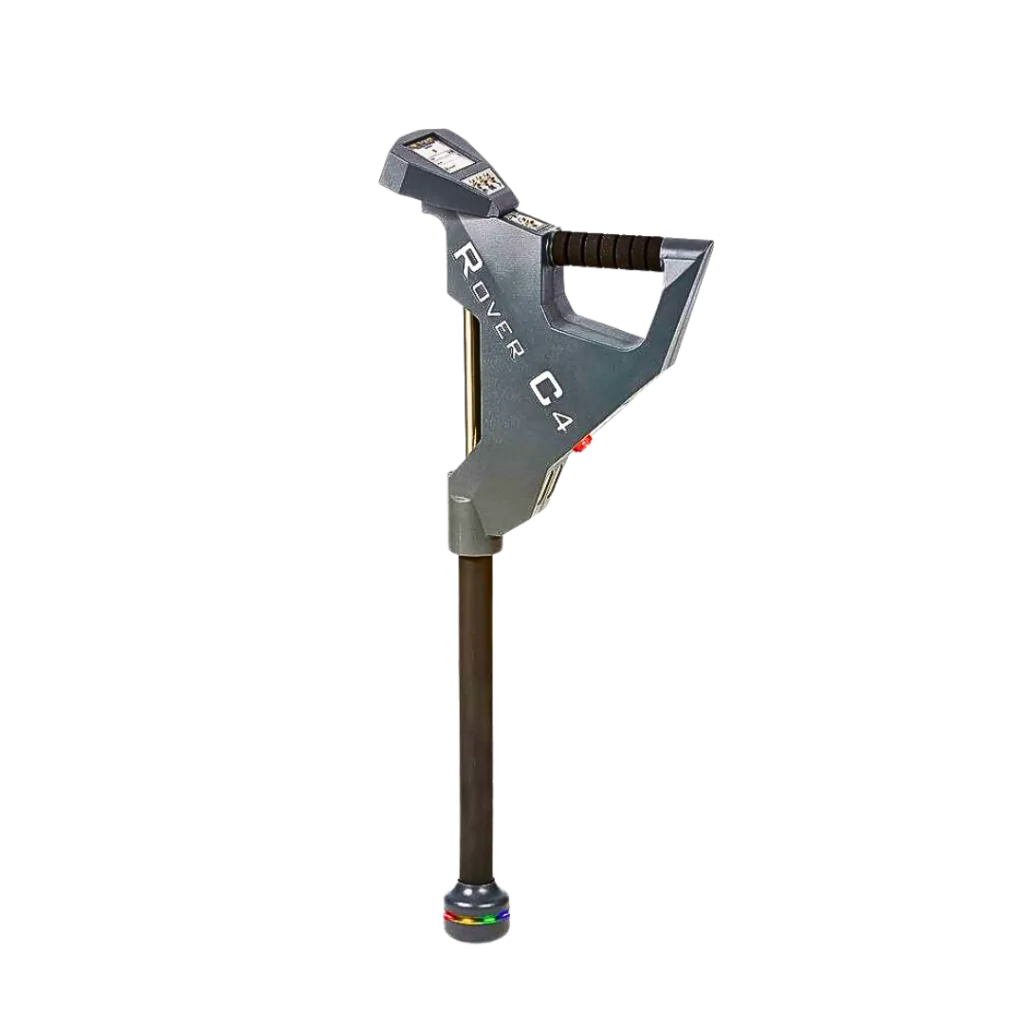
OKM Rover C4

Find Gold, Treasure, and Cavities up to 25 m deep with OKM Rover C4 — the advanced 3D Ground Scanner trus
11470 $

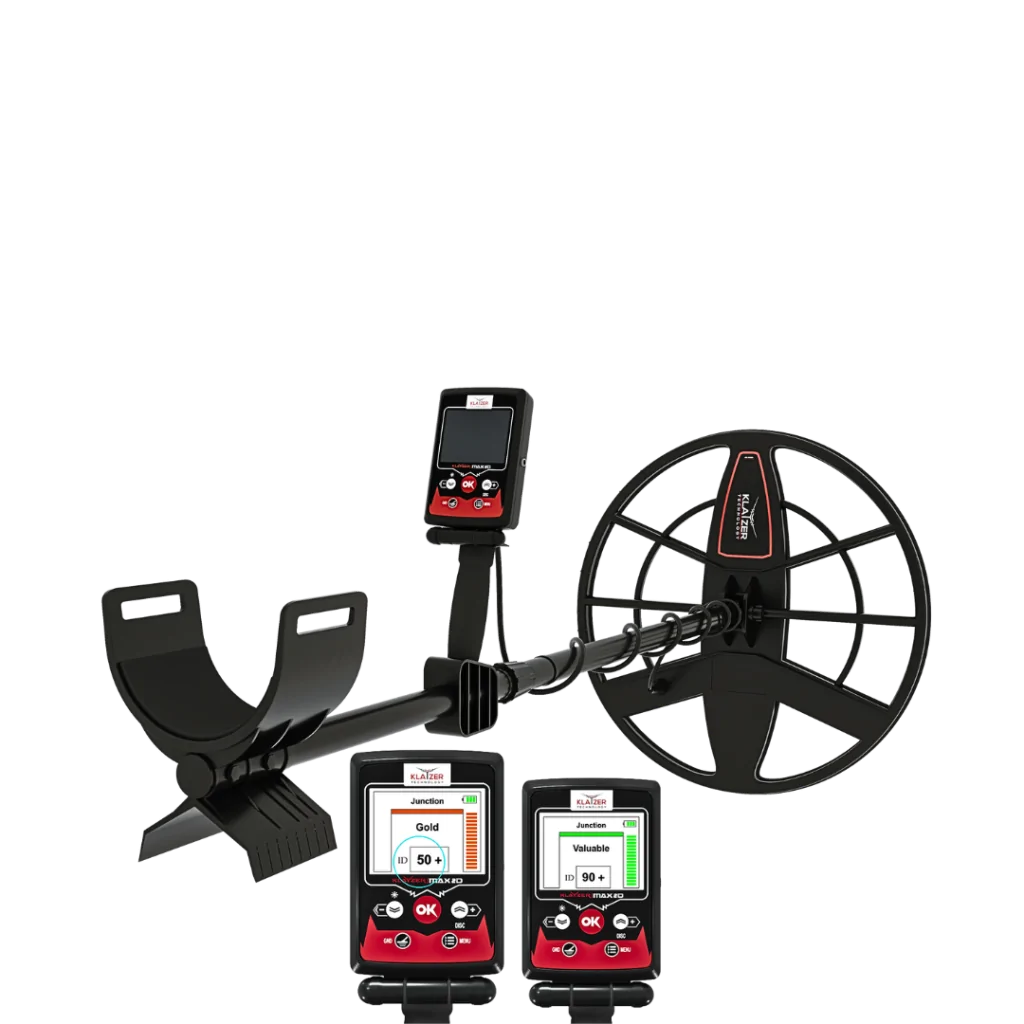
Klayzer Max 2D

Unlock hidden treasures with Klayzer Max 2D — one of the best Detectors for gold, silver, and valuable me
2100 $

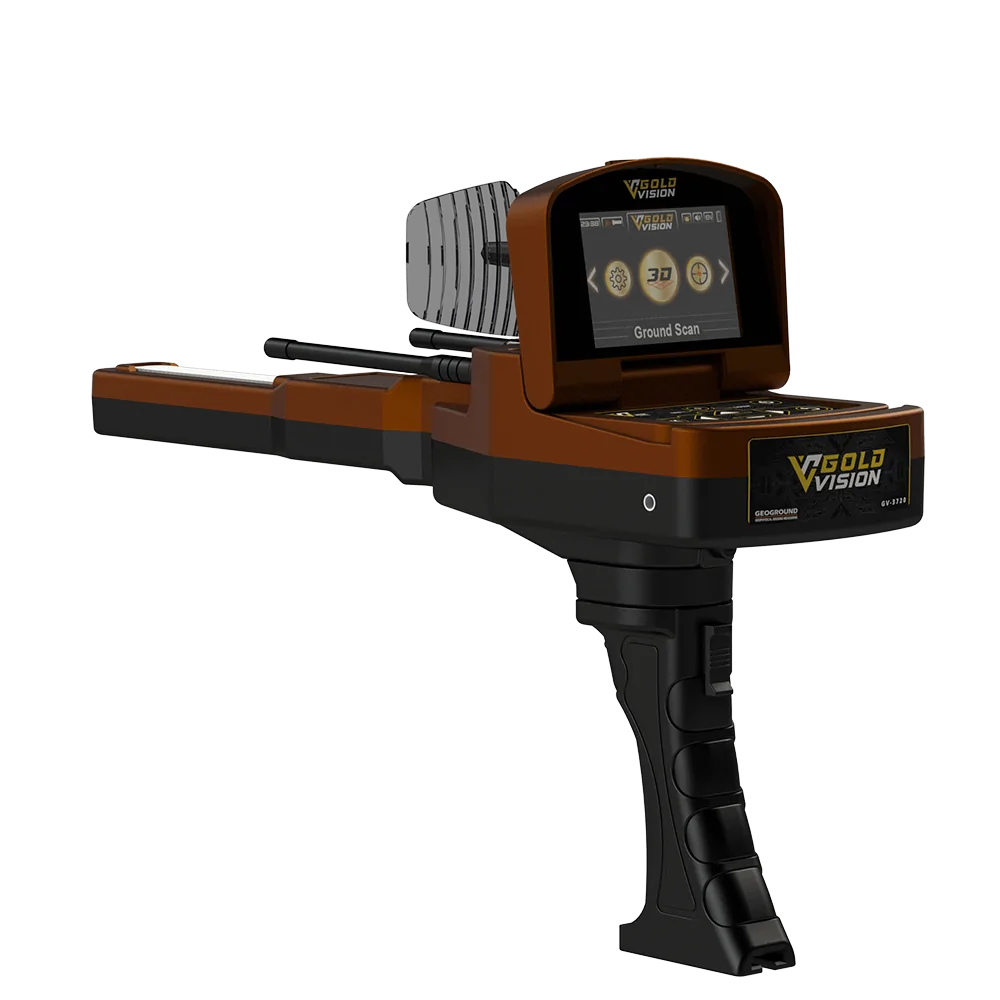
Gold Vision

Gold Vision – professional gold detector with 40 m depth and 3 km range, made in Germany
5450 $

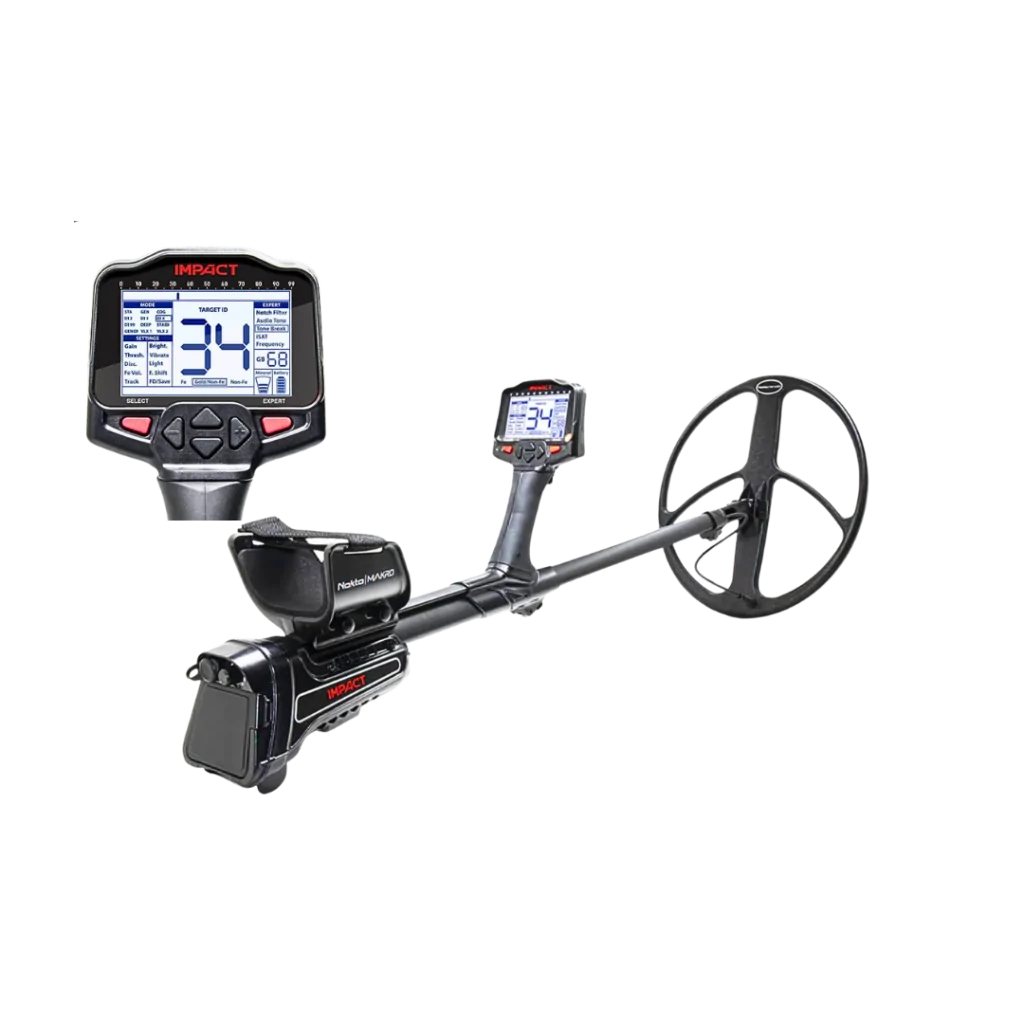
Nokta Impact Pro

Discover hidden treasures with the Nokta Impact Pro Metal Detector — advanced depth, precision, and versa
1100 $

The Ultimate Guide to Underwater Metal Detectors: Top Picks & Safety Tips

With Underwater Metal Detectors: Top Picks & Safety Tips, see what the ocean hides. Equip your passion for the deep search.

Underwater Metal Detectors: Top Picks & Safety Tips

The Value of  This Guide of Underwater Metal Detectors for Diving: Top Picks & Safety Tips

Navigating the market for underwater metal detectors is fraught with technical complexities and marketing language that can be misleading, and potentially dangerous, for the uninitiated. The primary value of an expert guide is to prevent costly purchasing errors by decoding these specifications.

  • Water-Resistant Coil: This specification, common on many land-based detectors, means only the search coil (the round part at the bottom) can be submerged, typically in shallow water. Submerging the control box (the main unit with the screen and controls) will destroy the device.

  • Shallow Submersible (Waterproof): These detectors are often rated to a specific, shallow depth, such as 10 feet (3 meters) or 16 feet (5 meters). These ratings are intended for wading, snorkeling, or surviving an "occasional dunk," not for "long use underwater". Attempting to take a 10-foot rated detector on a scuba dive is a "very bad idea" that will result in catastrophic failure due to water pressure.

  • Fully Submersible (Dive Detectors): These machines are purpose-built as pressure-rated housings designed to withstand the immense forces of deep water. True scuba detectors have depth ratings of 60 meters (200 feet) or more.

Underwater Metal Detectors: Top Picks & Safety Tips

Navigating Core Technologies

Before selecting a specific underwater model, it is imperative to understand the fundamental sensor technologies that govern detector performance. The choice represents a direct trade-off between the ability to identify targets and the capacity to handle the conductive nature of saltwater. Understanding these mechanics is the only way to ensure your equipment matches your environment.

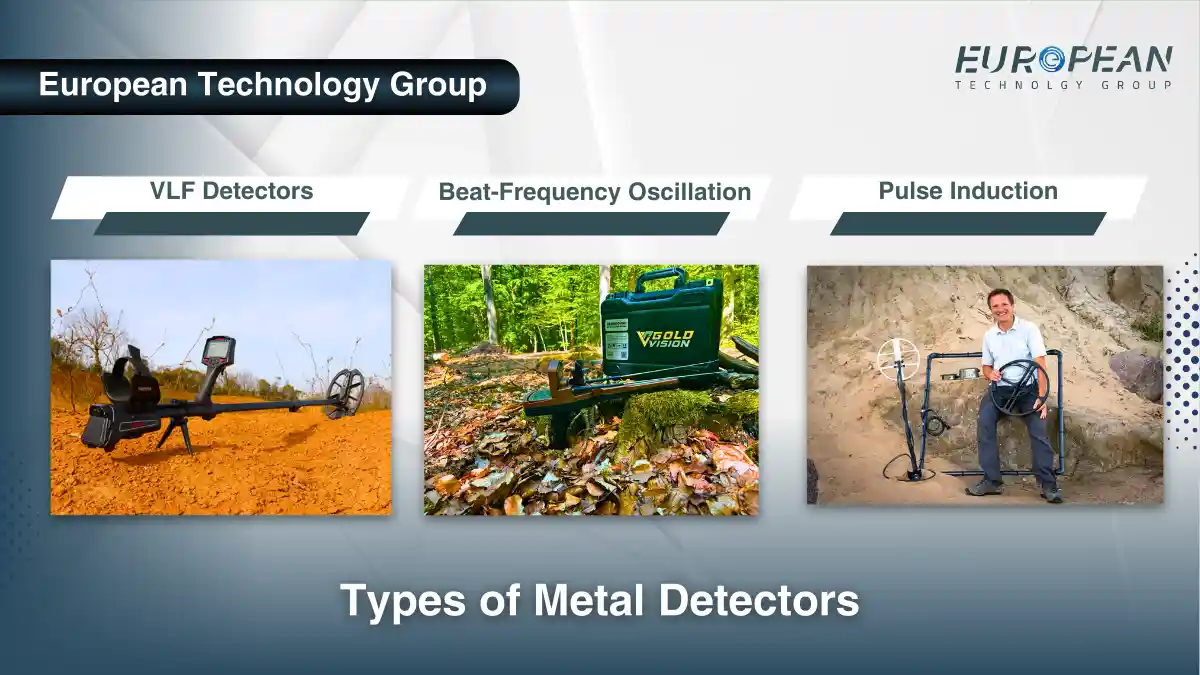
Standard Very Low Frequency (VLF) systems rely on continuous magnetic fields to analyze target conductivity, offering sophisticated discrimination that easily separates gold from iron trash. However, they can struggle with the interference caused by saltwater. In contrast, Pulse Induction (PI) technology utilizes powerful magnetic pulses to achieve near-total immunity to mineralization. While PI detectors are the superior choice for maximum depth and stability in wet sand, they typically lack discrimination, forcing the diver to dig every signal.

Very Low Frequency (VLF)

VLF detectors are the most common type of metal detector. They operate by using two distinct coils: a transmitter coil that creates a continuous magnetic field at a (V)ery (L)ow (F)requency, and a receiver coil that listens for the signal. When a metal object passes through the field, it creates a phase shift in the received signal, which the detector identifies.

The primary strength of VLF technology is its sophisticated target discrimination. It can effectively analyze a target's conductivity and ferrous properties to tell the difference between iron trash (like nails) and valuable targets (like silver or gold).

Pulse Induction (PI)

PI detectors operate on a completely different principle. They typically use a single coil as both the transmitter and receiver. The detector sends a series of short, powerful magnetic pulses into the ground. After each pulse, it switches off and listens for the signal decay from targets.

PI technology's greatest strength is its near-total immunity to ground mineralization and saltwater. This makes it the technology of choice for deep searching and beach hunting in wet sand. They also offer superior detection depth, especially for larger targets.

Multi-Frequency (MF)

Also known as Simultaneous Multi-Frequency (SMF), this is a more modern technology that attempts to provide the best of both worlds. These detectors transmit and analyze multiple frequencies at the same time.

By using multiple frequencies, an MF detector can analyze targets with the discrimination capability of a VLF while simultaneously using other frequencies to compensate for and cancel out the ground mineralization and saltwater signals.

Underwater Metal Detectors: Top Picks & Safety Tips

Guidance for the Beginner

For a beginner, the primary goal is to learn the hobby without the overwhelming frustration of digging endless trash. To achieve this, the ideal entry-level device must prioritize user-friendly operation, featuring lightweight ergonomics and clear target information. Essential capabilities such as automatic soil calibration remove the complexity of manual setup, while superior discrimination is vital to distinguish valuable finds from common beach debris like bottle caps and nails.

The Klayzer Max 2D stands out as the optimal choice for this transition. It revolutionizes the learning curve by offering an instant 2D visual representation on a colored screen, replacing abstract audio signals with clear graphical data. Combined with specialized "Iron Exclusion" features and search coils that are water-resistant up to one meter, it allows novices to filter junk effectively and hunt with confidence along beaches and riverbanks.

Key Characteristics of a Beginner-Friendly Detector

A suitable entry-level device should be user-friendly, lightweight, and provide clear target information. Automatic soil calibration is a highly valuable feature, as it removes the complex step of manually balancing the detector to the ground. For aquatic use, it must have, at minimum, a water-resistant coil for wading.

Recommended Entry-Level System

For the beginner looking to transition from land to shallow water, the Klayzer max 2d is an optimal choice. It is a VLF System that is specifically engineered for ease of use and high performance.

  • Beginner-Focused Features: Its primary advantage is an "amazing discrimination feature" and an "Iron Exclusion Feature". This allows the novice user to filter out iron trash and focus on valuable targets.

  • Intuitive Interface: Unlike detectors that rely only on audio tones, the Klayzer max 2d provides an instant 2D visual representation of the target on a colored screen. This visual data helps the user identify the discovered gold or metal and its position, simplifying the decision to dig.

  • Operational Simplicity: The device features automatic soil calibration and 7 distinct search programs (for gold, silver, bronze, etc.), allowing the user to turn it on and begin searching with minimal setup.

  • Water Capability: This detector includes a robust Water Resistance Feature. The specifications confirm that its search discs can work underwater up to one meter in depth. This rating is perfectly suited for a beginner's activities, such as detecting on beaches and along river banks.

Underwater Metal Detectors: Top Picks & Safety Tips

Guidance for the Professional

A "professional" detectorist is defined by the mission. For large-scale prospecting or deep geological surveys, requirements transcend hobbyist VLF units. Success demands multi-system technology capable of penetrating difficult terrains, such as basalt, where standard devices fail.

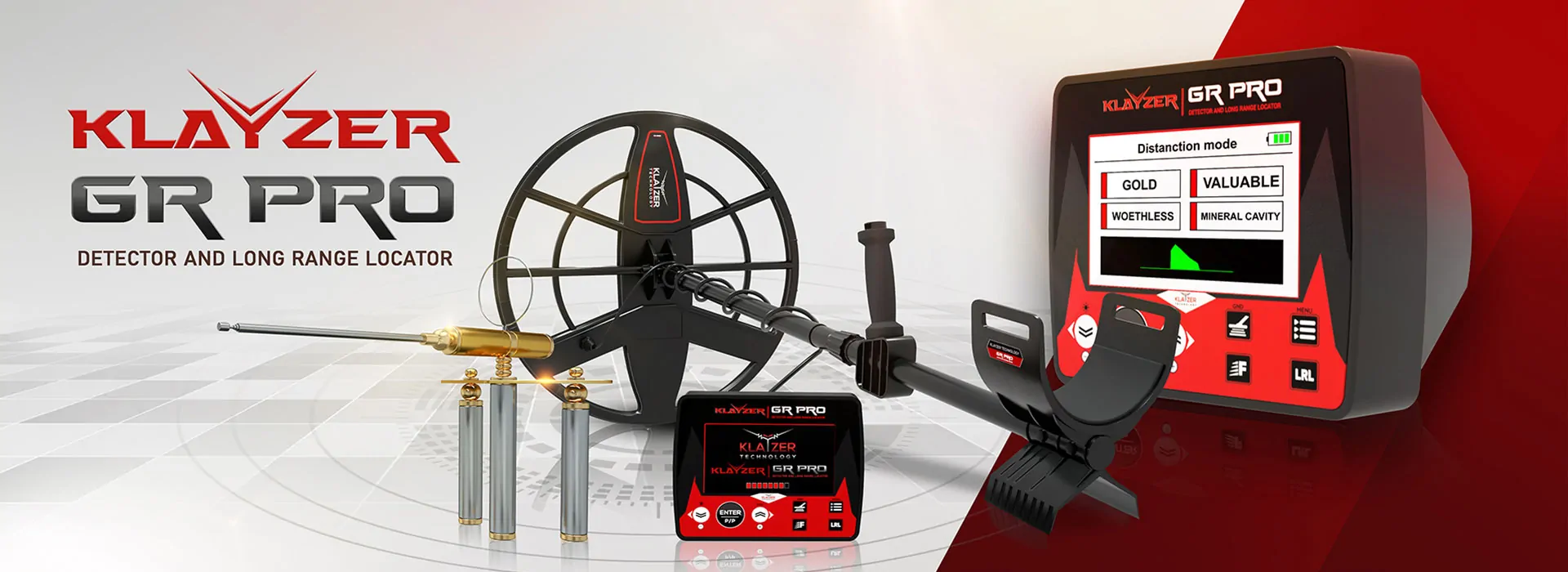
The Klayzer GR Pro meets this rigorous standard. It integrates five distinct detection systems, including Long Range Locators (LRL), enabling users to scan up to 2,000 meters forward and detect targets up to 20 meters deep.

Crucially, this system identifies underground voids alongside metals. With search coils submersible up to one meter, it allows professionals to extend these advanced surveying capabilities to riverbanks and humid environments without compromise.

Defining Professional-Grade Features for Land and Shallow Water

Professional-grade systems often incorporate multiple technologies, including VLF for discrimination and Long Range Locater (LRL) systems for wide-area surveying. They must be capable of penetrating far deeper than standard detectors and function flawlessly in difficult terrains where gold or relics are often found.

Recommended Professional System

The Klayzer gr pro is a unique, multi-system device designed for the serious professional surveyor. It integrates five detection systems, including both VLF and Long Range Locater (LRL) technologies.

  • Extreme Performance: The defining feature of this device is its "unique" detection range. It utilizes high-frequency waves to penetrate the soil up to a depth of 20 meters and a forward (LRL) search range of up to 2000 meters.

  • Advanced Surveying Capabilities: This is far more than a metal detector; it is a geophysical tool. It is designed to work in all kinds of terrain, including difficult basalt and metallic rocks. Its multi-system design can identify not only metals but also underground cavities, caves, and spaces.

  • Operational Robustness: The system features automatic soil calibration and is specified to operate in six languages.

  • Water Capability: As with the Klayzer max 2d, the search discs specified for the Klayzer gr pro are designed to work underwater in a depth of up to one meter. This feature provides professionals the ability to survey in humid environments or detect treasures on the banks of rivers and beaches without issue.

Underwater Metal Detectors: Top Picks & Safety Tips

A Deeper Dive

A detector rated for 10 feet is strictly for wading; taking it on a scuba dive invites catastrophic failure due to water pressure. True deep-sea exploration requires housings rated for at least 200 feet and specialized technology. In conductive saltwater, divers must choose between Pulse Induction (PI) for raw depth or Multi-Frequency (MF) systems to retain discrimination.

Industry standards reflect these distinct needs. The Minelab Excalibur II (MF) and Fisher CZ-21 offer the precise discrimination needed for jewelry, while the Garrett Sea Hunter Mark II (PI) serves as a rugged workhorse for deep relics. For heavy commercial salvage, the industrial JW Fishers Pulse 8X remains the definitive tool for large ferrous targets.

Essential Technology for Deep Saltwater Environments

For scuba divers, the environment is almost always deep (25-85 feet or more) and often in saltwater. As established, standard VLF technology fails in saltwater. Therefore, a diver is limited to two technological choices:

  • Pulse Induction (PI): Chosen for its excellent depth and immunity to saltwater. The diver must accept digging all targets.

  • Multi-Frequency (MF): Chosen for its ability to both handle saltwater and provide target discrimination.

Analyzing Waterproof Depth Ratings

For true diving, the waterproof depth rating is the most important specification. The industry-standard "professional" scuba detectors are not rated for 10 or 16 feet; they are rated for 66 feet (20m), 200 feet (60m), or even 250 feet (76m).

Industry-Standard Picks for Professional Scuba Diving

For enthusiasts who are certified divers and wish to pursue targets at depth, the following models are the established industry standards.

  • Garrett Sea Hunter Mark II: A 200-foot rated Pulse Induction detector. It is a legendary workhorse known for its deep-seeking capabilities in saltwater. It features a discrete trash elimination mode, but like all PIs, its discrimination is minimal.

  • Minelab Excalibur II: A 200-foot rated Multi-Frequency (BBS) detector. It uses 17 simultaneous frequencies, making it the top choice for finding coins and jewelry in saltwater because it offers excellent discrimination and saltwater cancellation.

  • Fisher CZ-21: A 250-foot rated Dual-Frequency VLF detector. This is a classic, "bomb-proof" machine that is highly regarded for being one of the few VLF-based systems that performs well in saltwater while still providing good discrimination.

  • XP Deus II: A 66-foot (20m) rated Multi-Frequency detector. This is a modern, lightweight, wireless machine that is considered a top-tier all-in-one detector for both land and water use (down to its 66-foot limit).

  • JW Fishers Pulse 8X: A 200-foot rated, commercial-grade Pulse Induction detector. This is a heavy-duty industrial tool, not a hobbyist detector. It is designed for commercial salvage to find large ferrous targets like cannons, anchors, and ship spikes, and lacks the sensitivity for small rings or coins.

    Comparison of Professional Deep-Diving Metal Detectors

    FeatureMinelab Excalibur IIGarrett Sea Hunter Mk IIFisher CZ-21XP Deus IIJW Fishers Pulse 8X
    TechnologyMulti-Frequency (BBS)Pulse Induction (PI)Dual-Frequency VLFMulti-FrequencyPulse Induction (PI)
    Max Depth Rating200 feet / 60m200 feet / 60m250 feet / 76m66 feet / 20m200 feet / 60m
    DiscriminationExcellentPoorGoodExcellentNone (All-Metal)
    Saltwater HandlingExcellentExcellent (Immune)GoodExcellentExcellent (Immune)
    Primary ApplicationAll-Around Treasure (Rings, Coins)Deep Relics, All-MetalAll-Around TreasureAll-in-One (Land & Water)Commercial Salvage (Large Targets)

    Critical Safety Protocols for Underwater Metal Detecting

    This hobby cannot be attempted without rigorous adherence to safety protocols. When scuba diving, adding the task of metal detecting compounds the inherent risks of the sport.

    Prerequisites

    This is the most important rule: one must be a certified scuba diver before attempting to metal detect while diving. This is not a skill that can be self-taught; it requires formal training from a recognized agency.

    Mastering Buoyancy and Trim with Detection Equipment

    The diver must master buoyancy control before adding the detector, using breath control to float effortlessly above the seabed. Poor buoyancy control will damage the environment and can lead to an uncontrolled ascent or descent.

    Environmental Hazards

    The underwater environment presents unique hazards for a detectorist.

    • Entanglement: This is a primary risk. Wrecks, reefs, and fishing areas are often covered in monofilament fishing line, ropes, and nets. A metal detector and its cables create an additional snag hazard. A diver must carry at least one, preferably two, cutting tools (dive knife or shears) and know how to use them: stop, stay calm, signal buddy, and carefully cut free.

    • Visibility: In many lakes and ocean sites, visibility can drop to zero, especially when digging in silty or clay bottoms.

    • Marine Life: The user must be aware of the local ecosystem and avoid disturbing or provoking marine life.

    Buddy System Procedures and Underwater Communication

    Solo diving is not recommended. Detecting is a task-loading activity that causes distraction. It is easy to lose track of a buddy or the dive plan. Clear, pre-dive communication protocols must be established for signaling a find, indicating danger, or ending the dive.

    Dive Planning

    Operating a detector and digging for targets is physical work. This will increase gas consumption, meaning air supplies will deplete faster than on a normal recreational dive. Furthermore, the "thrill of the hunt" is a dangerous distraction that can cause a diver to ignore their gauges and exceed their no-stop limits (NDL), putting them at risk of decompression sickness. Divers must plan their gas and time conservatively and stick to the plan.

Underwater Metal Detectors: Top Picks & Safety Tips

How to Select a Reputable Manufacturer

The final step in the process is the purchase, which should be guided by criteria beyond just price and features. For underwater equipment, reliability is paramount.

  • Warranty, Support, and Brand Reputation: A detector's warranty and the manufacturer's customer support are critical. However, in the underwater market, brand reputation is a direct proxy for build quality and reliability.

  • Brand Trust: A land detector failing is an inconvenience. An underwater detector failing means a seal has broken, resulting in a catastrophic flood that destroys the device. The most reputable brands in the underwater space—such as Minelab, Garrett, Fisher, XP, and Nokta—are trusted because they have a decades-long track record of building pressure housings and seals that do not fail.

  • Purchasing Channels: Always purchase from an authorized dealer. This ensures the product is genuine and that the manufacturer's warranty will be honored. Reading user reviews and consulting hobbyist forums can provide invaluable real-world feedback on a device's long-term durability.

Frequently Asked Questions About Underwater Metal Detectors: Top Picks & Safety Tips


No, the Klayzer Max 2D is waterproof up to 1 meter, making it perfect for shallow water wading and beach hunting. Taking it on a scuba dive would exceed its pressure rating, causing catastrophic flooding and destroying the electronics.

Major risks include entanglement in fishing lines or nets, loss of buoyancy control while digging, and exceeding no-decompression limits due to distraction. Divers must carry cutting tools, master buoyancy before detecting, and strictly monitor their air and depth gauges.

No, the Klayzer Max 2D is waterproof up to 1 meter, making it perfect for shallow water wading and beach hunting. Taking it on a scuba dive would exceed its pressure rating, causing catastrophic flooding and destroying the electronics.

Conclusion about Underwater Metal Detectors for Diving: Top Picks & Safety Tips

You are now equipped with the expert-level knowledge required to navigate the exciting world of underwater metal detecting. You understand that "waterproof" is a complex spectrum, and the difference between a 1-meter rated device for wading and a 200-foot rated detector for scuba diving is absolute.

Whether you are starting with the user-friendly Klayzer max 2d on the beach, conducting professional geological surveys with the powerful Klayzer gr pro, or preparing for a deep-sea dive with a specialized submersible like the Excalibur II, this guide has charted your path.

  • Best Gold Detector in the World 2025
  • Gold Detector For Sale
  • Best beginner metal detector for adults

Leave a Reply

Your email address will not be published. Required fields are marked *

Happy Customers

Our goal is to keep satisfaction with our customers. If you have any questions or concerns with your orders or any products we sell, you can call us toll free at 491-57-3733-8870 or use the contact us form.

Secure Shopping

To provide credit card security and keep your personal information safe, we use Secure Sockets Layer (SSL) technology, the most widely used data encryption coding system for secure e-commerce transactions.

Free Shipping

Receive an order confirmation, track your shipment, and contact our customer service if you have any questions or need assistance. All products are delivered to you for FREE anywhere World Wide

Premium Items

We are authorized Most Gold & metal Detectors companies resellers. We only sell authentic and genuine products and we never sell imitation products.

Start typing to see products you are looking for.
Shopping cart
Sign in

No account yet?

Shop
0 Wishlist
0 items Cart