

Groundtech GR-4 and Groundtech GR-4 Dual Detectors
When searching for professional devices for ground imaging and detecting metals and cavities, prospectors and explorers often face multiple technical options that require a precise understanding of their features to ensure choosing the most successful investment for the mission. Among the latest and most powerful releases leading this field are the Groundtech GR-4 and Groundtech GR-4 Dual devices.
Whether you are looking for a precise analysis of ground layers to detect tunnels and buried rooms, or looking for an integrated solution combining the power of 3D imaging and direct search for coins and precious metals, the European Technology Group provides you with comprehensive answers, precise specifications, and field tips to help you make the right decision based on your real goals.
Groundtech GR-4 and GR-4 Dual Devices for 3D Ground Imaging
Find the best Groundtech device for cavities, tunnels, coins, metals, and 3D ground scans. Compare GR-4 and GR-4 Dual now with ETG experts today online
Groundtech GR 4 Dual Professional Gold Detector Pro
Groundtech GR4 Dual- Professional 3D Scanner & Detector with dual Sensor Technology.
Groundtech GR 4 Advanced Professional Gold Detector
Discover the Groundech GR 4 — a powerful 3D ground scanner for deep, accurate metal and void detection wi
Table of Contents
ToggleGroundtech GR-4 vs GR-4 Dual Full Comparison
Need one device for ground imaging and metal detection? Groundtech GR-4 Dual adds PI coil search to 3D scanning. Buy with ETG now and get support today
Groundtech GR-4 and Groundtech GR-4 Dual Devices
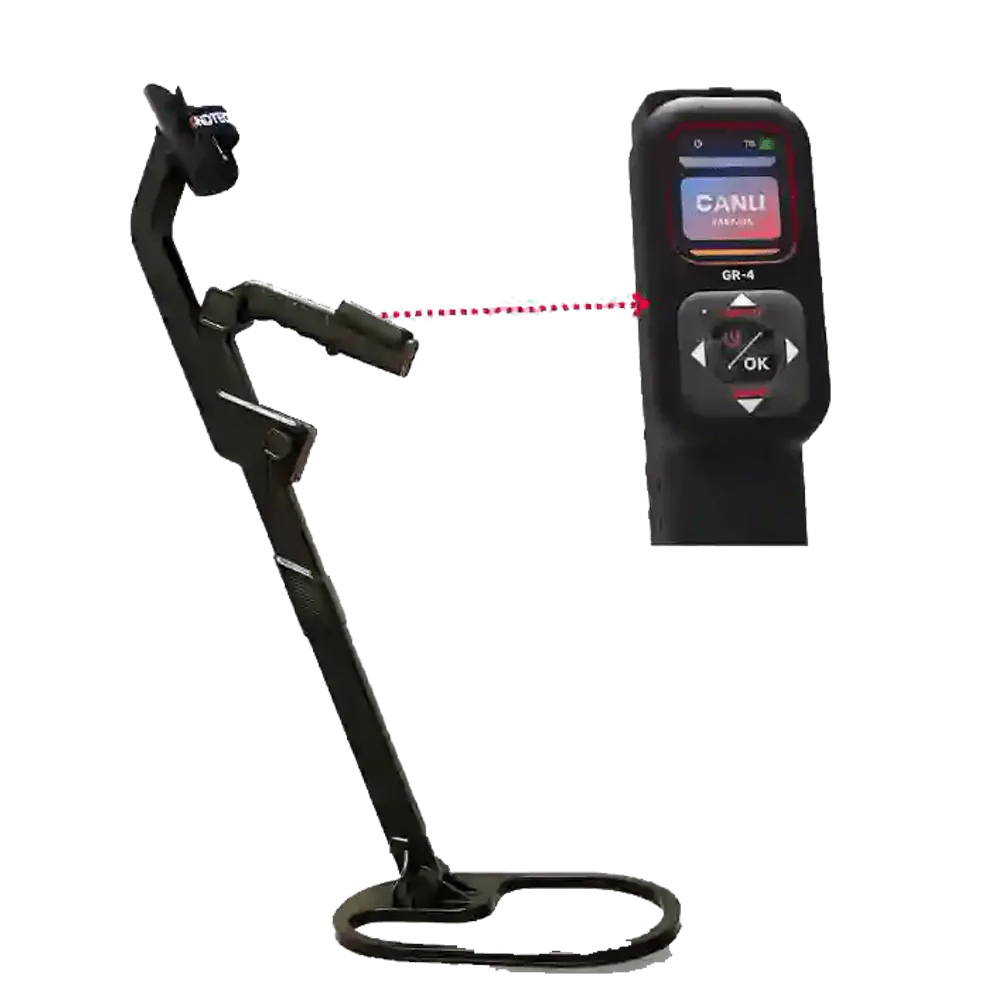
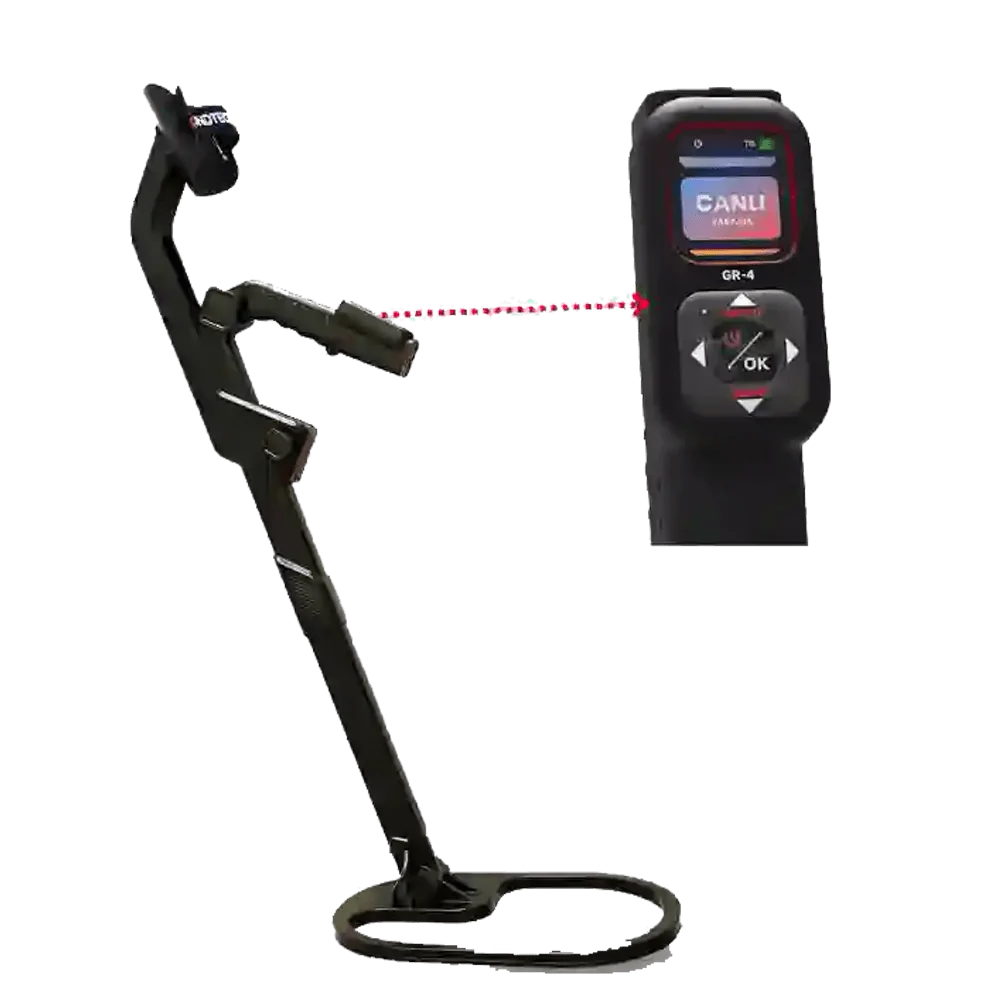
Groundtech GR-4 and Groundtech GR-4 Dual devices belong to the same family of ground imaging devices from Groundtech, but the main difference between them is not just in name or shape, but in the working principle, search systems, and field of use.
Groundtech GR-4:Â Primarily designed for ground imaging and soil analysis using the imaging sensor, and is used to detect cavities, tunnels, buried rooms, graves, large objects, and underground anomalies.
Groundtech GR-4 Dual:Â A more widely used version, as it combines ground imaging via the sensor and direct metal searching using a Pulse Induction (PI) search coil. Therefore, it is suitable for those who want a single device for both ground imaging and detecting metals and coins.
The Difference Between Groundtech GR-4 and Groundtech GR-4 Dual devices
Comparison | Groundtech GR-4 | Groundtech GR-4 Dual |
Device Type | 3D Ground Imaging Device | Ground Imaging Device + PI Metal Detector |
Primary Working Principle | Imaging Sensor | Imaging Sensor + Search Coil |
Core Technology | 3D Ground Scanner | 3D Ground Scanner + Pulse Induction |
Main Use | Ground analysis and detecting cavities and large targets | Ground analysis + Direct search for metals and coins |
Imaging Systems | 3D Boden Scanner / Live Scanner / Pinpointer | Same imaging systems + Additional metal detection systems |
Coil Metal Detection System | Not available in standard GR-4 version | Available |
Precious / Non-Precious Metal Discrimination | Not the primary use of the device | Available in the metal detection system based on device reading and signal classification |
Ground Imaging Depth | Up to approx. 15 meters depending on target and soil | Up to approx. 15 meters depending on target and soil |
PI System Depth | Not available | ETG table mentions up to 3 meters; practically, 2 meters can be used as a conservative figure depending on target and soil |
Number of Bags | One bag | Two bags |
Best Suited For? | Those who want ground imaging only | Those who want ground imaging + metal detection |
Â
What is the Groundtech GR-4 Device?
The Groundtech GR-4 is a 3D ground imaging device designed to analyze soil layers and detect subsurface anomalies.
The device relies on the imaging sensor to collect data from the ground, then displays the results on the device or via the analysis application.
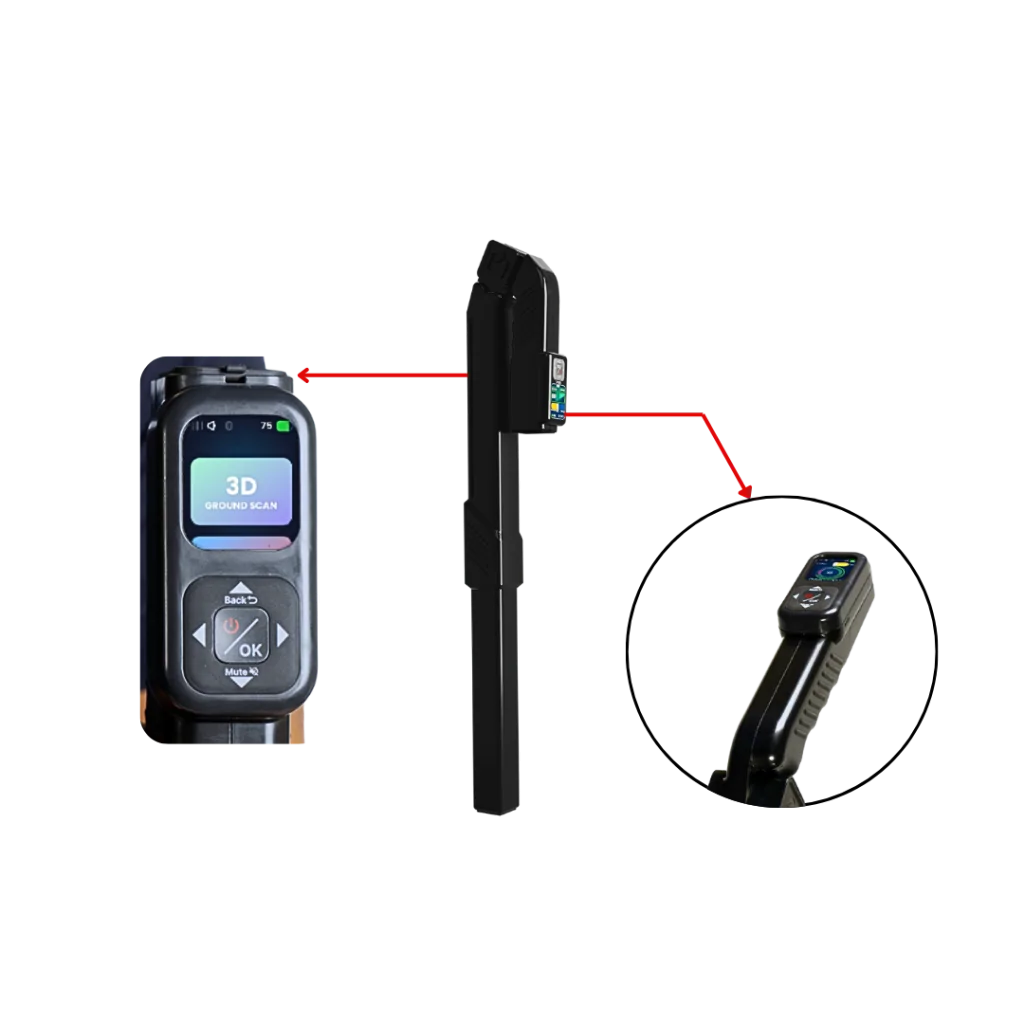
The GR-4 is an advanced ground scanning system that allows the detection of underground anomalies and performs 3D analysis. It also supports displaying and analyzing results through the G-Portal app, dedicated to Android and iOS devices.
In practical terms, the GR-4 is not a traditional coin detector, nor is it just a surface search device. Its primary strength lies in ground analysis and identifying the presence of a cavity, tunnel, buried room, grave, large object, or abnormal subsurface change.
What is the Groundtech GR-4 Dual Device?
The Groundtech GR-4 Dual is the broader version of the GR-4, as it combines two systems in one device:
Ground imaging system using the sensor.
Metal detection system using a Pulse Induction (PI) search coil.
The GR-4 Dual version is equipped with a built-in Pulse Induction (PI) system in addition to its 3D ground imaging capabilities. The device can also be easily converted from imaging mode to metal detection mode by installing the PI search coil instead of the sensor.
This means the word "Dual" does not just mean a newer version or a different shape, but signifies that the device has two working methods: ground imaging and direct metal detection.
Difference in Working Principle Between the Two Devices
Groundtech GR-4
The GR-4 device operates using only the imaging sensor. The sensor is attached to the main unit, and then the user begins the ground scan. The device collects data from the ground and converts it into a reading that helps understand what lies beneath the surface. The use here is not a random search for a small piece of metal, but rather an analysis of a specific area to detect the presence of:
Target | Is GR-4 Suitable? |
Underground cavity | Yes |
Tunnel | Yes |
Buried room | Yes |
Grave or hollow | Yes |
Large metal object | Yes |
Small surface gold piece | Not the best option |
Small coins | Not the primary use |
Groundtech GR-4 Dual
The GR-4 Dual device operates in two ways:
Imaging Sensor:Â Here it works like the GR-4 in analyzing the ground and detecting cavities and large objects.
PI Metal Search Coil:Â Here the device turns into a metal detector using the search coil. This system is dedicated to searching for metals and coins, giving the user an additional capability not found in the standard GR-4 version. Pulse Induction technology is particularly useful in difficult, highly mineralized, or salty soil conditions, as the PI system is designed to provide more stable signals in environments where traditional detection systems might be affected.
Difference in Working Principle Between the Two Devices
Groundtech GR-4
The GR-4 device operates using only the imaging sensor. The sensor is attached to the main unit, and then the user begins the ground scan. The device collects data from the ground and converts it into a reading that helps understand what lies beneath the surface. The use here is not a random search for a small piece of metal, but rather an analysis of a specific area to detect the presence of:
Target | Is GR-4 Suitable? |
Underground cavity | Yes |
Tunnel | Yes |
Buried room | Yes |
Grave or hollow | Yes |
Large metal object | Yes |
Small surface gold piece | Not the best option |
Small coins | Not the primary use |
Groundtech GR-4 Dual
The GR-4 Dual device operates in two ways:
Imaging Sensor:Â Here it works like the GR-4 in analyzing the ground and detecting cavities and large objects.
PI Metal Search Coil:Â Here the device turns into a metal detector using the search coil. This system is dedicated to searching for metals and coins, giving the user an additional capability not found in the standard GR-4 version. Pulse Induction technology is particularly useful in difficult, highly mineralized, or salty soil conditions, as the PI system is designed to provide more stable signals in environments where traditional detection systems might be affected.
Difference Between Groundtech GR-4 and Groundtech GR-4 Dual in Search Systems
Groundtech GR-4 Systems
The GR-4 focuses on ground imaging systems. In a practical comparison between the two versions, the following core systems are presented:
System | Function |
3D Boden Scanner | 3D ground scan to analyze the area |
Live Scanner | Direct monitoring of underground changes |
Pinpointer | Assists in accurately pinpointing the target's location |
These systems are meant for ground analysis, not traditional metal searching using a coil.
Groundtech GR-4 Dual Systems
The GR-4 Dual contains the same imaging systems and adds metal detection systems to them.
System | Present in GR-4 | Present in GR-4 Dual | Function |
3D Boden Scanner | Yes | Yes | Ground imaging and analysis |
Live Scanner | Yes | Yes | Direct reading during the scan |
Pinpointer | Yes | Yes | Target pinpointing |
Detektor Schnell | No | Yes | Fast metal search |
Detektor Erweitert | No | Yes | Advanced metal search with broader settings |
Pulse Induction PI | No | Yes | Metal detection using the search coil |
Â
Difference Between the Groundtech GR-4 and Groundtech GR-4 Dual devices in Depth
Ground Imaging Depth
In the ground imaging system, published specifications state that the depth can reach up to approximately 15 meters, but this number is not absolute in all locations. Depth depends on:
Factor | Its Effect on Depth |
Target Size | The larger the target, the easier it is to detect |
Soil Type | Stable soil provides clearer results |
Moisture | High moisture may affect the reading |
Natural Soil Minerals | May cause interference or unstable readings |
Scanning Method | Regular paths yield more accurate results |
User Experience | Correct analysis requires experience |
Reaching a depth of 15 meters is tied to the target size and soil structure, and is not a guaranteed figure everywhere.
PI System Depth in GR-4 Dual
The PI system is only available in the GR-4 Dual version. ETG tables state that the depth in the PI system reaches up to 3 meters, while in a conservative commercial presentation, about 2 meters can be cited as a practical maximum limit to avoid exaggeration, because true depth is affected by target size, soil, and usage method.
System | GR-4 | GR-4 Dual |
3D Ground Imaging | Up to approx. 15 m | Up to approx. 15 m |
PI Metal Detection | Not available | Up to 2–3 m depending on target and soil |
The GR-4 Dual is not necessarily deeper than the GR-4 in ground imaging. The difference is that the Dual adds an independent metal detection system using a search coil.
Is the GR-4 Dual always better than the GR-4?
Not always. The choice does not depend on one device being absolutely "better," but rather on the customer's goal. If the customer is only looking for cavities, tunnels, and buried rooms, the GR-4 serves the purpose. If they want the same ground imaging with the ability to search for metals and coins, the GR-4 Dual is the stronger option in terms of versatility.
Customer Goal | Most Suitable Device |
Wants ground analysis only | GR-4 |
Wants to detect cavities, tunnels, and buried rooms | GR-4 or GR-4 Dual |
Wants a device for ground imaging and metal detection | GR-4 Dual |
Wants to search for coins and metals with a coil | GR-4 Dual |
Wants a simpler device with fewer contents | GR-4 |
Wants more flexibility in the field | GR-4 Dual |
Â
Difference in Target Identification
In Ground Imaging
In the ground imaging system, the device does not always categorically tell the customer: "This is gold," "This is a tunnel," or "This is a grave." The analysis app displays results graphically, but reading these results remains tied to correct analysis, site conditions, and user experience. It provides data and readings that help understand:
Element | What can be analyzed? |
Target Shape | Yes |
Target Location | Yes |
Target Depth | Estimated |
Target Size | Estimated |
Target Nature | Analytical, not a final judgment |
Exact Metal Name | Not definitive in ground imaging |
Difference in Target Identification
In Ground Imaging
In the ground imaging system, the device does not always categorically tell the customer: "This is gold," "This is a tunnel," or "This is a grave." The analysis app displays results graphically, but reading these results remains tied to correct analysis, site conditions, and user experience. It provides data and readings that help understand:
In the PI Metal Detection System
In the GR-4 Dual version, when using the search coil, the device can provide a classification for the metal target based on the signal reading, such as precious or non-precious metal. However, this classification must be treated as an electronic reading depending on target size, metal type, depth, soil, and signal stability.
Therefore, the precise phrasing for the customer is: The device helps classify the metal as precious or non-precious based on the system's reading, but it does not guarantee the metal's name with absolute certainty under all conditions.
Â
Difference Between Groundtech GR-4 and Groundtech GR-4 Dual in Contents
Groundtech GR-4 Contents
The GR-4 device usually comes in one bag, containing:
Main Unit:Â Device operation and control.
Imaging Sensor:Â Ground scanning and soil analysis.
Charger:Â Charging the device.
Warranty Card:Â Proof of warranty.
Catalog / User Manual:Â Operating instructions based on the included version.
Second Bag:Â Handle, Search Coil, Metal detection system accessories.
Groundtech GR-4 Dual Contents
The GR-4 Dual device comes with broader contents, as it contains an imaging system and a metal detection system.
First Bag:Â Main Unit, Imaging Sensor, Catalog, Charger, Warranty Card.
Technical Specifications of Groundtech GR-4 vs Groundtech GR-4 Dual devices
Specification | Groundtech GR-4 | Groundtech GR-4 Dual |
Category | 3D Ground Scanner | 3D Ground Scanner + PI Detector |
Imaging Sensor | Available | Available |
Metal Search Coil | Not available | Available |
PI Technology | Not available | Available |
Analysis App | G-Portal | G-Portal |
Android / iOS Support | Yes | Yes |
3D Imaging | Yes | Yes |
Live Scan | Yes | Yes |
Pinpointer | Yes | Yes |
Coil Coin Detection | No | Yes |
Suitable for Cavities | Yes | Yes |
Suitable for Tunnels | Yes | Yes |
Suitable for Buried Rooms | Yes | Yes |
Suitable for Large Metals | Yes | Yes |
Suitable for Direct Metal Search | Limited | Yes |
Bags | One bag | Two bags |
Â

 Common Mistakes When Comparing the Two Devices
Believing that Dual means greater imaging depth:Â This is inaccurate. In ground imaging, both devices rely on the imaging sensor. The difference is that the Dual version adds a PI metal detection coil.
Believing that the GR-4 Dual replaces all metal detectors:Â Inaccurate. The GR-4 Dual provides the advantage of metal searching, but remains a device that combines imaging and detection. Actual metal detection performance depends on target size, soil, depth, and device settings.
Believing that the device guarantees finding gold:Â Incorrect. The device provides readings and analysis, but the final result requires a correct scan, precise reading, and field experience. There are no absolute guarantees of finding metals or treasures in any location.
Using the device without training:Â Ground imaging devices require an organized scanning method. Mistakes in the path, speed, device angle, or reading results can lead to an inaccurate conclusion.
Â

Groundtech GR-4 or GR-4 Dual Which Detector Is Right for You?
Choose Groundtech GR-4 if your goal is:
Ground analysis
Detecting cavities
Detecting tunnels
Detecting buried rooms
Detecting large objects
Working with an imaging sensor only
Reducing contents and equipment
Â
Choose Groundtech GR-4 Dual if your goal is:
Ground imaging
Detecting cavities and tunnels
Searching for metals
Searching for coins
Using a metal search coil
Getting a multi-use device
Working in highly mineralized or salty soil with the PI system
Frequently Asked Questions About Groundtech GR-4 and Groundtech GR-4 Dual
Â
 ÂWhat is the main difference between Groundtech GR-4 and Groundtech GR-4 Dual?
The main difference is that Groundtech GR-4 is primarily designed for 3D ground imaging and soil analysis using the imaging sensor, while Groundtech GR-4 Dual combines ground imaging with direct metal detection using a Pulse Induction PI search coil. This makes the Dual version more versatile for users who need both ground scanning and metal detection in one device.
Â
Is Groundtech GR-4 suitable for detecting tunnels and cavities?
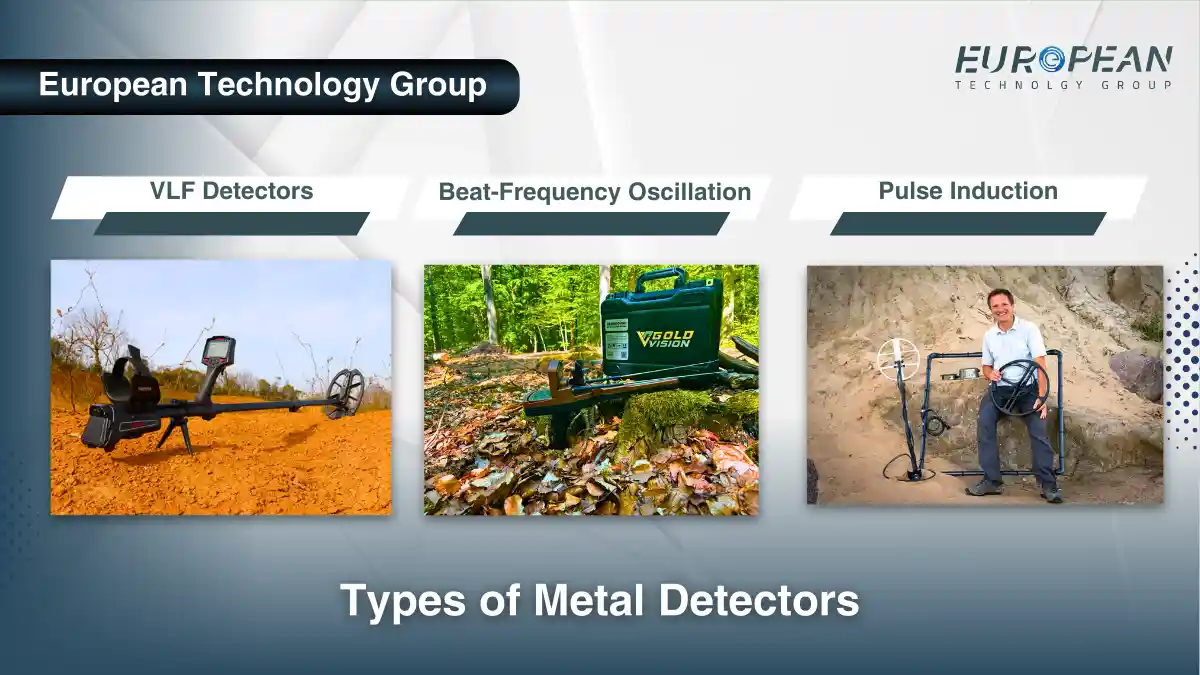
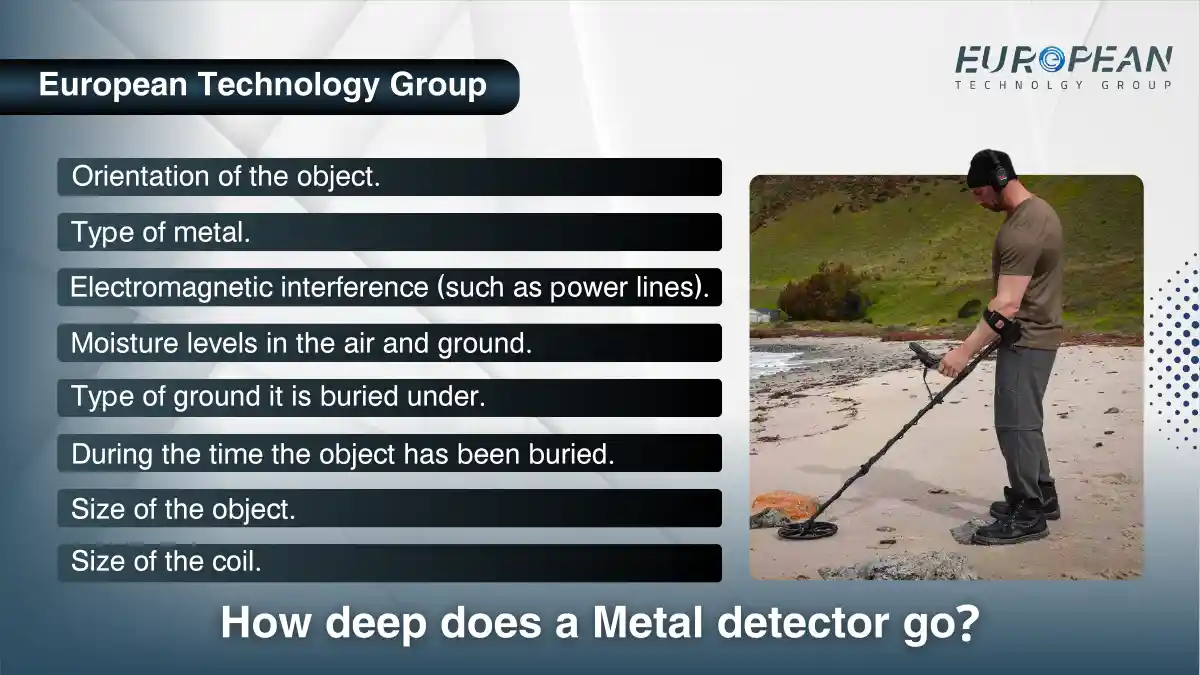
Metal detectors work by emitting an
Yes, Groundtech GR-4 is suitable for detecting underground cavities, tunnels, buried rooms, graves, large objects, and unusual changes beneath the surface. It relies on 3D ground imaging to help the user analyze the scanned area and identify underground anomalies.
electromagnetic field through a coil. When the field interacts with a metal object, the object creates its own magnetic field in response. The detector senses this interaction and alerts the user with a signal.
Can Groundtech GR-4 Dual detect metals and coins?
Yes, Groundtech GR-4 Dual can detect metals and coins using its PI search coil. This is the key advantage of the Dual version compared to the standard GR-4, which focuses mainly on ground imaging and soil analysis rather than traditional coil-based metal detection.
Â
In Summary Groundtech GR-4 and Groundtech GR-4 Dual Detectors are Your Path to Discovery
In conclusion, the difference between the Groundtech GR-4 and Groundtech GR-4 Dual Devices can be accurately summarized: The first one is a ground imaging and soil analysis device using an imaging sensor, while the latter is the exact same ground imaging system, with the addition of a metal detection system using a Pulse Induction (PI) search coil.
If the customer wants a device to analyze the ground and detect cavities, tunnels, and buried rooms, the GR-4 is a suitable option.
If the customer wants a device that combines ground imaging with detecting metals and coins, the GR-4 Dual is the most suitable option because it provides two systems in one device.
To obtain the original device, training, technical support, and after-sales service, you can contact us at the European Technology Group.