

how deep can a gold detector detect best Gold Metal Detectors

Deep Gold Detection Systems Explained
Find out how deep a gold detector can really detect, what changes performance in the field, and which system offers the best value. Learn more online!
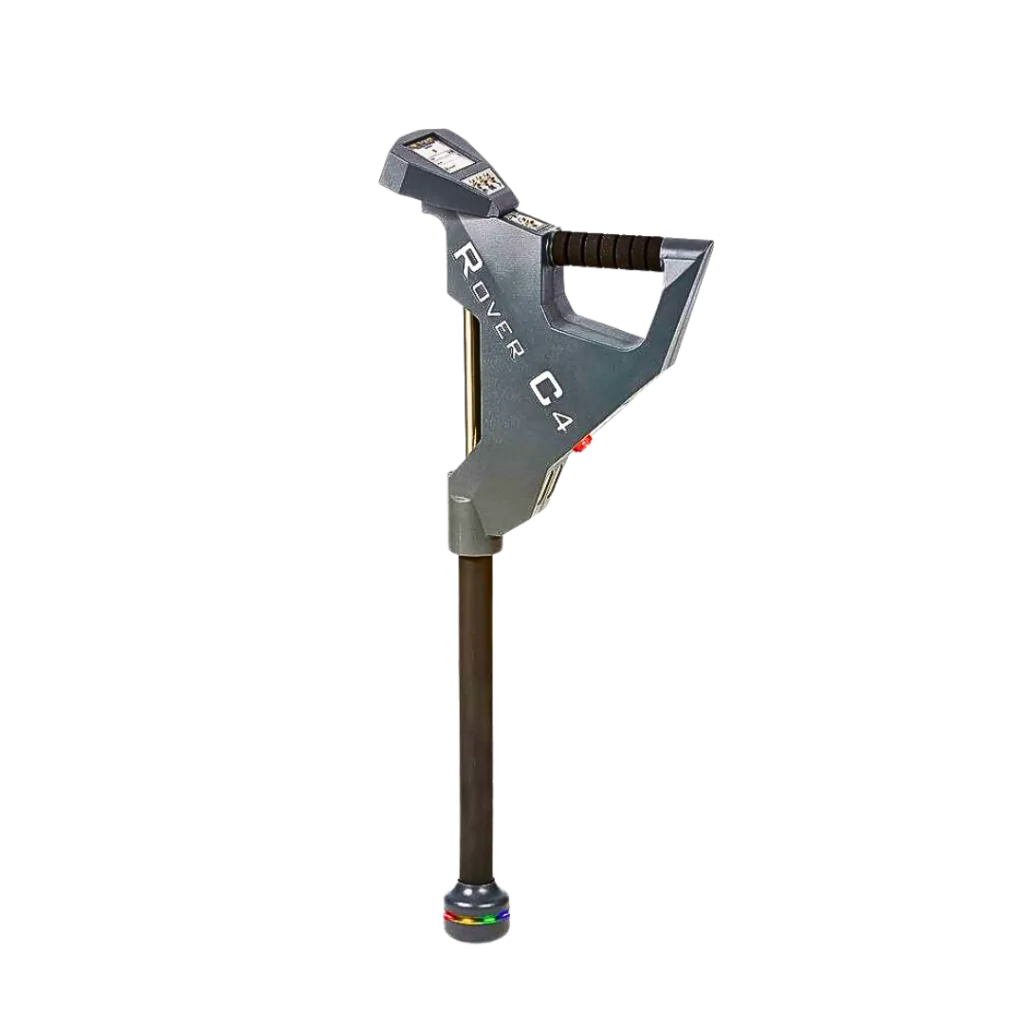
OKM Rover C4
Find Gold, Treasure, and Cavities up to 25 m deep with OKM Rover C4 — the advanced 3D Ground Scanner trus
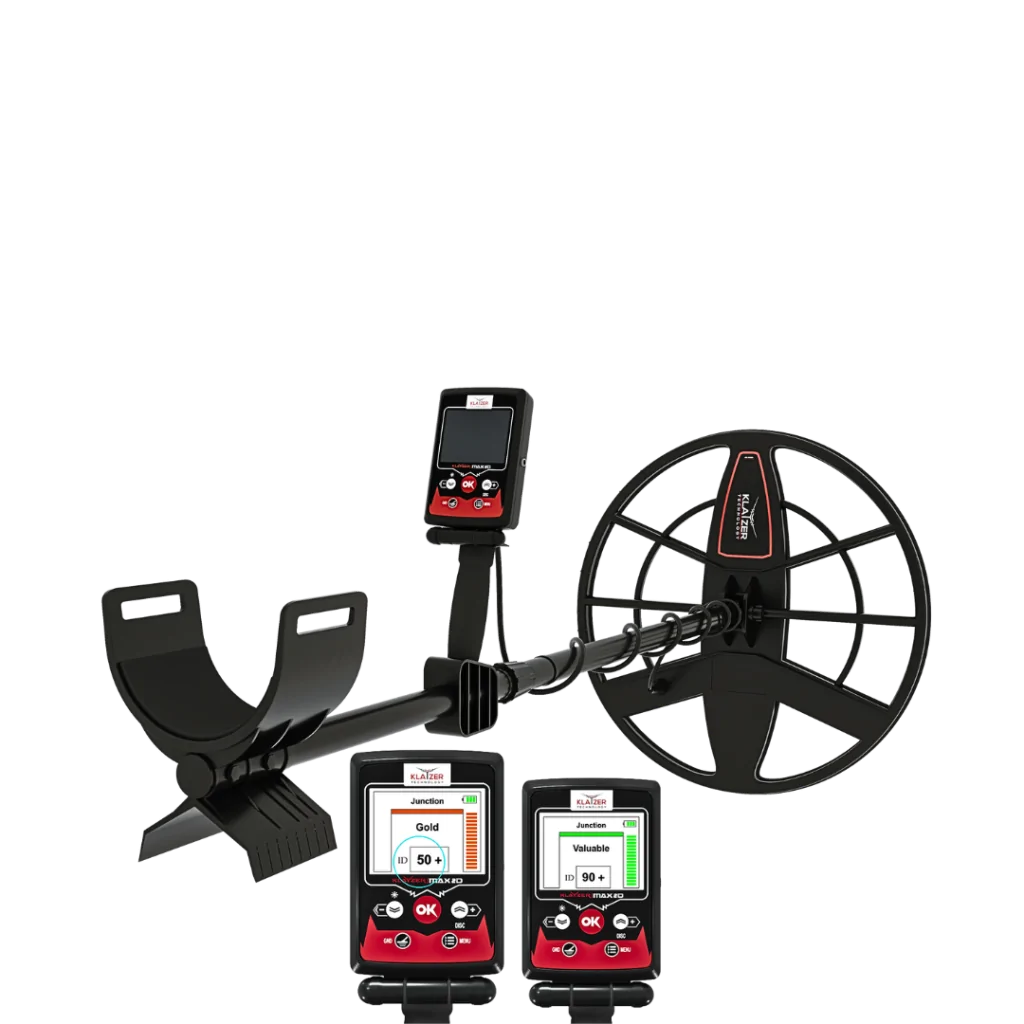
Klayzer Max 2D
Unlock hidden treasures with Klayzer Max 2D — one of the best Detectors for gold, silver, and valuable me
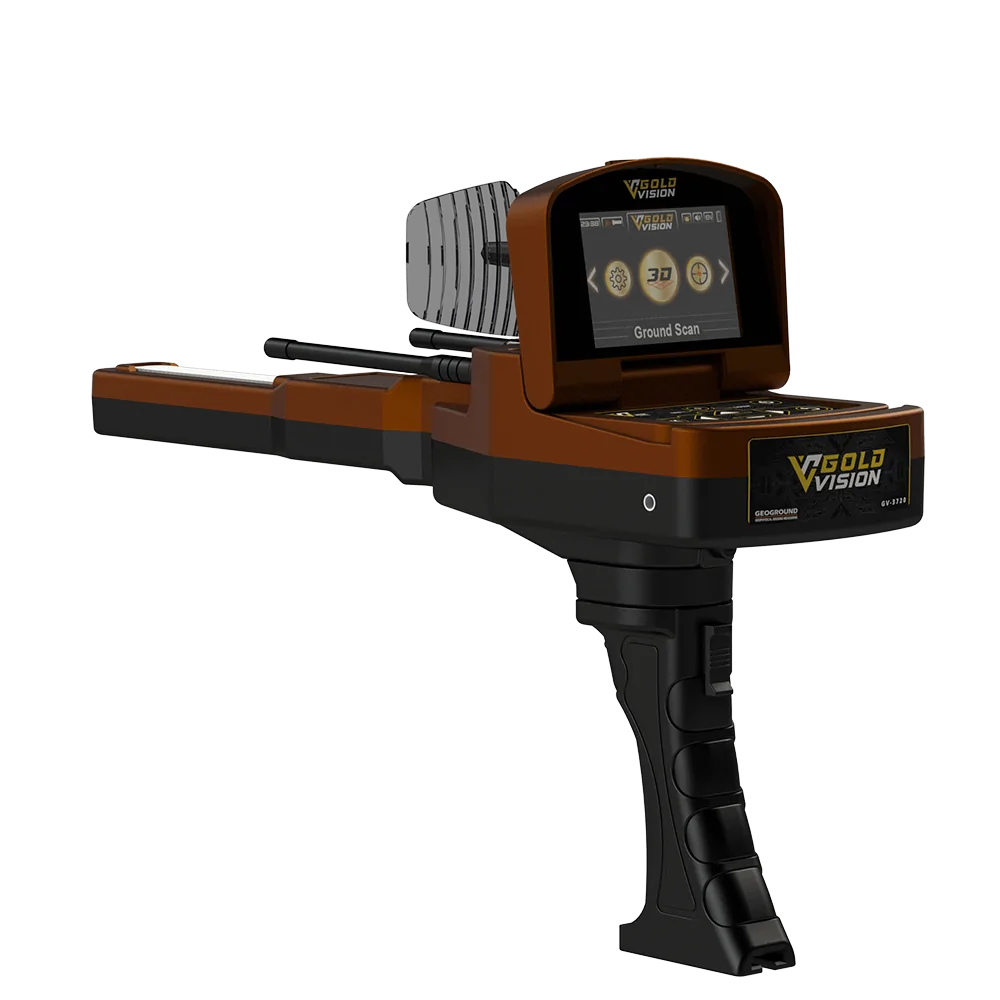
Gold Vision
Gold Vision – professional gold detector with 40 m depth and 3 km range, made in Germany
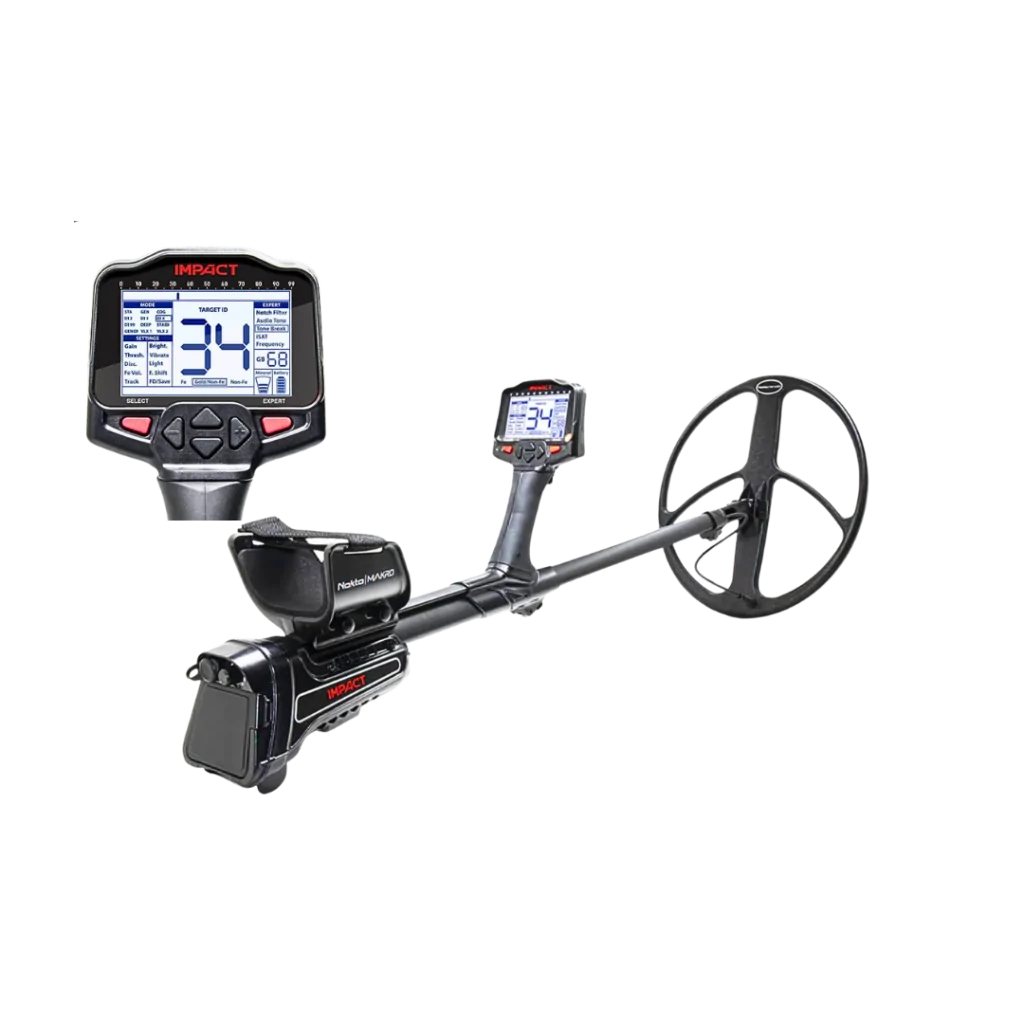
Nokta Impact Pro
Discover hidden treasures with the Nokta Impact Pro Metal Detector — advanced depth, precision, and versa
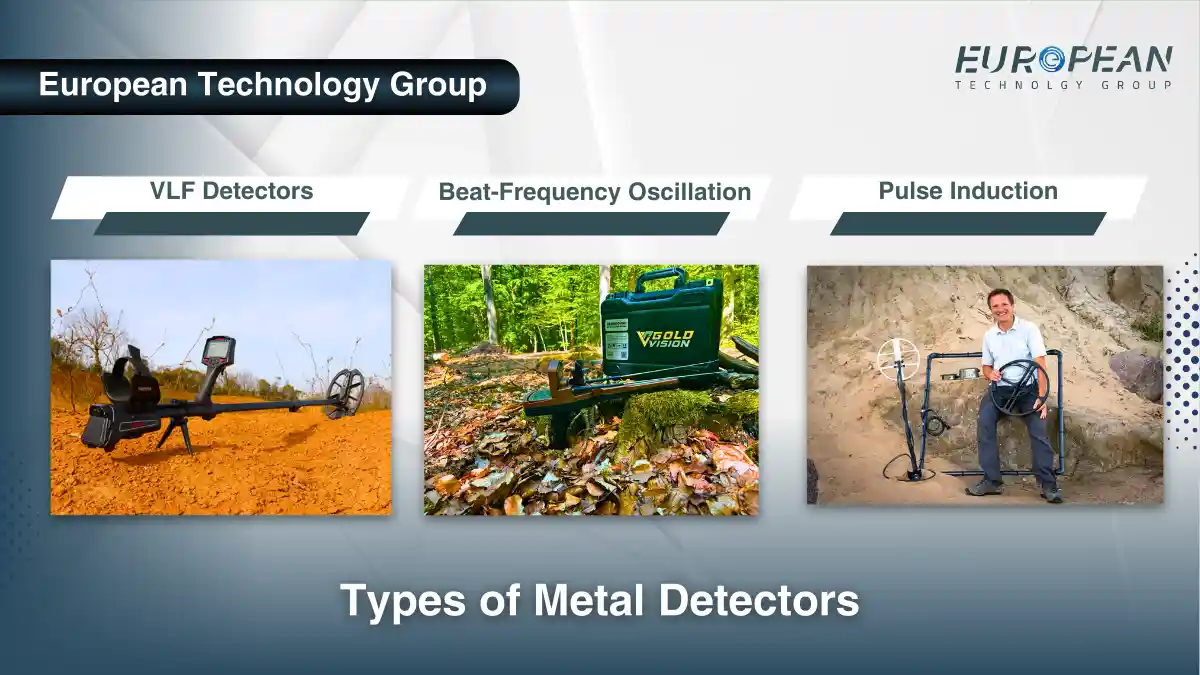
Table of Contents
ToggleGold Detector Depth Guide for Serious Buyers
See how Treasure Way and Titan 500 Smart differ in depth, stability, and target focus, then choose the detector that matches your goals. Order online now
Comparing Gold Metal Detectors in Modern Hunting Systems
In today’s competitive market, understanding how deep a gold detector can detect is essential when comparing modern gold metal detectors built for professional treasure hunting.
Advanced systems no longer depend on a single detection method to deliver results.
Instead, they combine multiple technologies to increase accuracy, improve depth estimation, and enhance target identification.
This development has changed the way professionals evaluate detection devices, especially when searching for gold and other valuable targets.
As a result, choosing the right detector now requires a clearer understanding of the technologies involved and the performance each system can provide in real conditions.
Main Categories of Modern Gold Metal Detectors
Modern gold metal detectors can generally be divided into two main categories based on their operating systems.
The first category includes long-range detection systems, which are used in devices such as Titan 500 Smart.
These systems focus on scanning wide areas and detecting targets from extended distances while offering depth estimation features.
The second category includes electromagnetic and ground-scanning systems, which are commonly used in traditional metal detectors for gold.
These systems provide more precise detection but usually work at shallower depths, making them more suitable for coins and other targets located close to the surface.
Multi-System Devices in Professional Detection
When comparing professional gold and metal detectors, devices such as Titan 500 Smart stand out because of their multi-system design.
This type of device integrates four detection systems into one unit, allowing it to locate gold, precious metals, diamonds, and gemstones with a high level of accuracy.
It also includes advanced features such as soil-type adjustment and continent selection, both of which help improve performance in different environments.
These capabilities make such devices attractive to users who need flexible solutions for various terrains and searching conditions while maintaining reliable detection performance during exploration.
The Impact of System Technology on Detection Depth
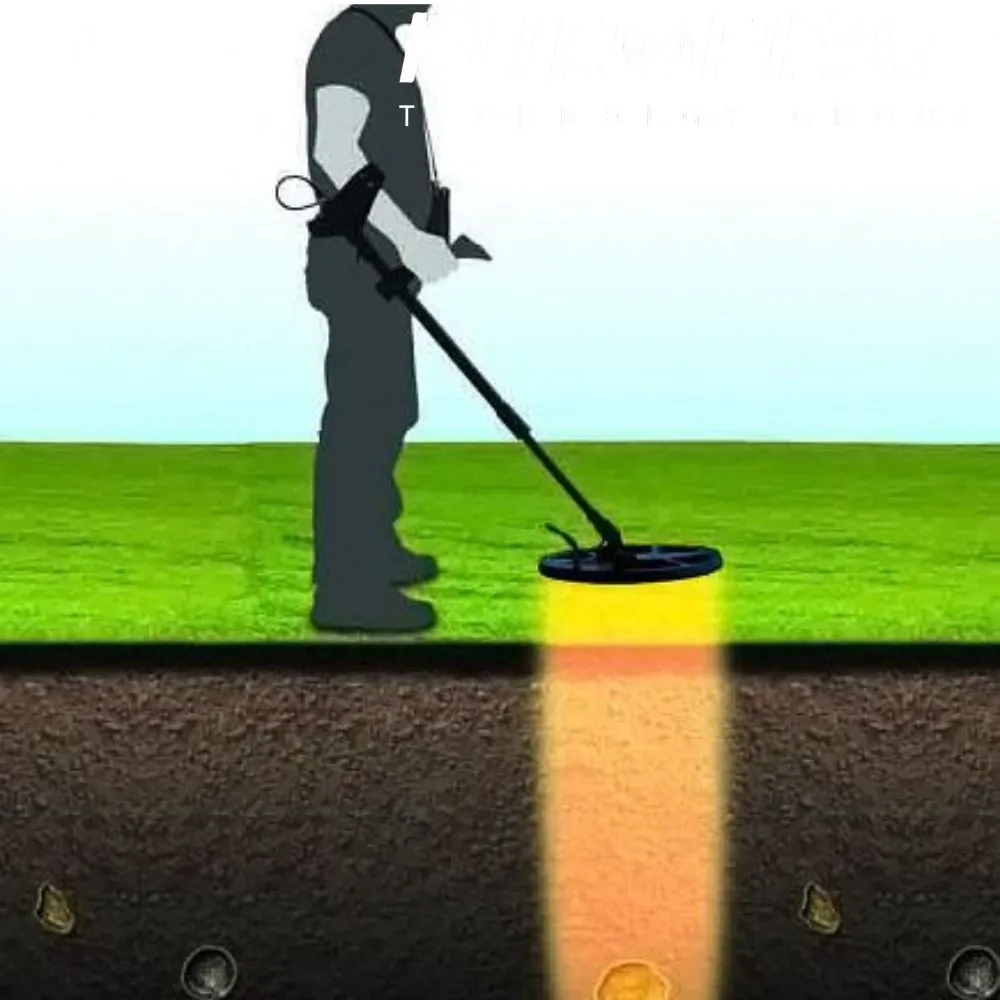
One of the most important factors affecting how deep a gold detector can detect is the technology used in the system.
For example, long-range detectors may claim detection depths of up to 120 meters under ideal conditions.
In addition to this depth potential, they often provide wide scanning coverage, which makes them suitable for exploring large areas efficiently.
This combination of extended range and broad coverage can be especially useful in professional exploration projects where large zones need to be surveyed.
For this reason, system technology remains a central consideration when evaluating the real capabilities of modern gold detection devices.
Precision and Depth in Conventional Detectors
In contrast, conventional metal and gold detectors usually operate at shallower depths, but they offer higher precision when detecting smaller objects.
This characteristic makes them more suitable for targeted searches rather than large-scale exploration across wide areas.
Users looking for coins or near-surface items often prefer these detectors because of their ability to identify smaller targets with greater accuracy.
Although they do not usually reach the same depth levels claimed by long-range systems, their precision can be a major advantage in specific search situations.
Therefore, their value depends largely on the type of target and search method required.

Key Factors When Choosing the Right Detector
Ultimately, comparing gold metal detectors in modern treasure hunting systems comes down to three key factors: detection depth capability, system stability in different soil types, and target identification accuracy.
These elements play a major role in determining whether a device is suitable for professional use or specific search needs.
For buyers exploring gold metal detectors for sale, the best choice depends on whether the main priority is deep scanning or precision detection.
Understanding this difference helps users select a detector that matches their goals, search environment, and preferred detection style without compromising overall performance.

Smart Detection Systems in the European Market
Today, the European market is led by smart detection systems that combine multiple technologies within a single gold and metal detector unit.
Devices such as modern long-range systems and smart scanning platforms like Treasure Way and Titan 500 Smart represent this new generation of advanced detection tools.
In these systems, software plays a major role in shaping overall performance and improving search capabilities.
This shift has redefined the standards of professional detection by offering more intelligent and flexible solutions.
As a result, users can now benefit from better functionality, more precise analysis, and improved adaptability in different environments.

European Innovation and Global Market Demand
Leading European innovation has also had a strong influence on global demand for gold metal detectors for sale, as users increasingly prioritize system intelligence, operational stability, and multi-function capability over traditional depth claims alone.
This shift reflects a broader change in how professional users evaluate modern detection equipment.
Instead of focusing only on how deep a detector can scan, buyers now consider how effectively it performs in real search conditions.
Brands competing in this field continue refining their metal and gold detectors to meet professional exploration standards, ensuring that their systems deliver practical value, advanced performance, and consistent reliability.

Detection Depth and Real-World Performance
As a result, the question of how deep a gold detector can detect has become less focused on fixed depth numbers and more connected to integrated system performance, adaptability, and real-world efficiency in different European soil conditions.
Modern users understand that depth alone does not determine the value of a detector in professional exploration.
Instead, overall performance depends on how well the system responds to environmental challenges, identifies targets accurately, and maintains stability during operation.
This broader perspective has become central in evaluating modern gold and metal detectors, especially in diverse European markets where soil conditions can vary significantly.
Gold Detector Systems Comparison Treasure Way vs Titan 500 Smart
| Feature Category | Treasure Way | Titan 500 Smart |
| System Type | Multi-mode detection system | Smart digital detection system |
| Target Focus | General gold & metal targets | Advanced gold-specific targeting |
| User Level | Intermediate to professional | Professional users |
| Stability | High in varied soil conditions | High with advanced calibration |
| Interface | Standard control system | Smart guided interface |
| Best Use Case | General exploration | Precision-focused searches |
This comparison helps buyers understand differences when evaluating how deep can a gold detector detect across different technologies.
Common Q&A about how deep can a gold detector detect
Below we answer the most frequently asked questions regarding the details of how deep can a gold detector detect:
how deep can a gold detector detect in real conditions?
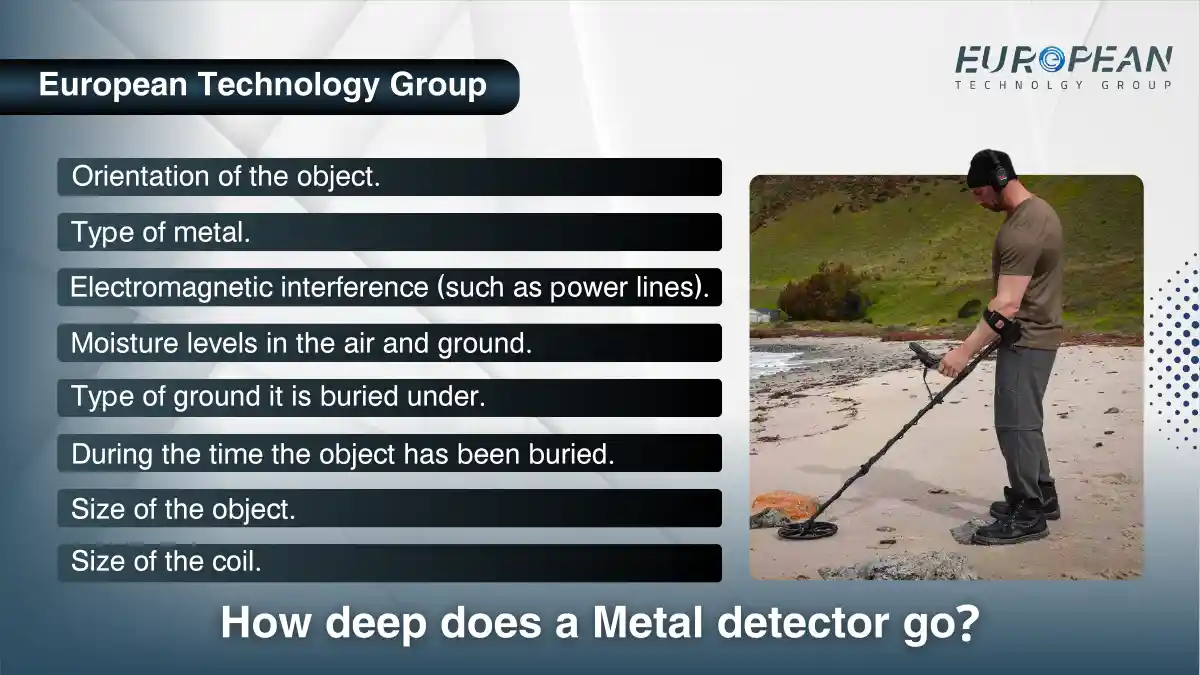
It depends on soil type, system quality, coil size, and calibration rather than a fixed number.
Are gold metal detectors for sale all the same in performance?
No, different gold metal detectors vary significantly based on operating systems and signal processing technology.
What is better, Treasure Way or Titan 500 Smart?
Both are advanced metal detectors for gold, but each uses different detection logic and software systems, making direct comparison necessary.
Can metal detectors that detect gold work in all terrains?
Most modern systems are designed for multiple terrains, but performance varies depending on mineralization levels.
Is a gold and metal detector suitable for beginners?
Some gold and metal detector models are user-friendly, while others are designed for professional users.
Conclusion
In conclusion, how deep can a gold detector detect depends heavily on the technology, system stability, and environmental conditions rather than a fixed universal depth. This is why comparing modern gold metal detectors such as Treasure Way and Titan 500 Smart is essential before making a purchase decision.
European suppliers continue to offer advanced solutions in the field of metal detectors for gold, helping buyers access more precise and efficient systems. If you are considering upgrading your gold and metal detector, always focus on performance comparison rather than assumptions. The right choice ensures better results, higher accuracy, and stronger investment value.