Best Metal Detectors for Gold Prospecting
Coastal environments feature unique compositions that rigorously test the limits of gold detector technology. The transition from dry sand to wet sand, the constant motion of the surf line, and the presence of dense black sand layers introduce high concentrations of conductive salt ions and ferro-magnetic minerals.
These elements generate pervasive interference, often referred to as 'chatter,' which effectively masks the subtle signals of deeply buried targets. Understanding how these environments challenge conventional detection systems is the necessary foundation for selecting the right professional equipment.
Best Metal Detectors for Gold Prospecting
Best Metal Detectors for Gold Prospecting unlock hidden treasures beneath mineralized ground. Precision meets passion in every pulse.
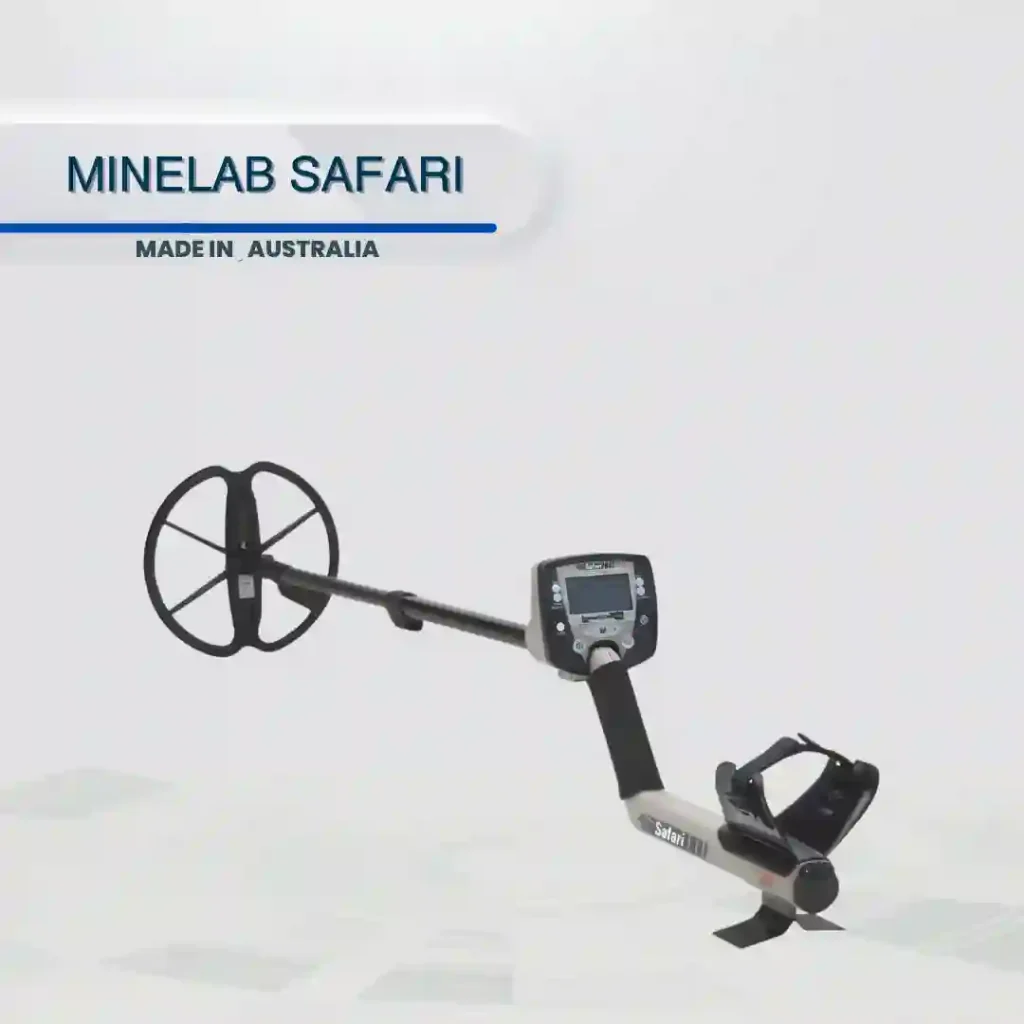
Minelab Safari Advanced Multi Purpose Metal Detector
Discover coins, gold, and relics with Minelab Safari. High depth, beginner-friendly
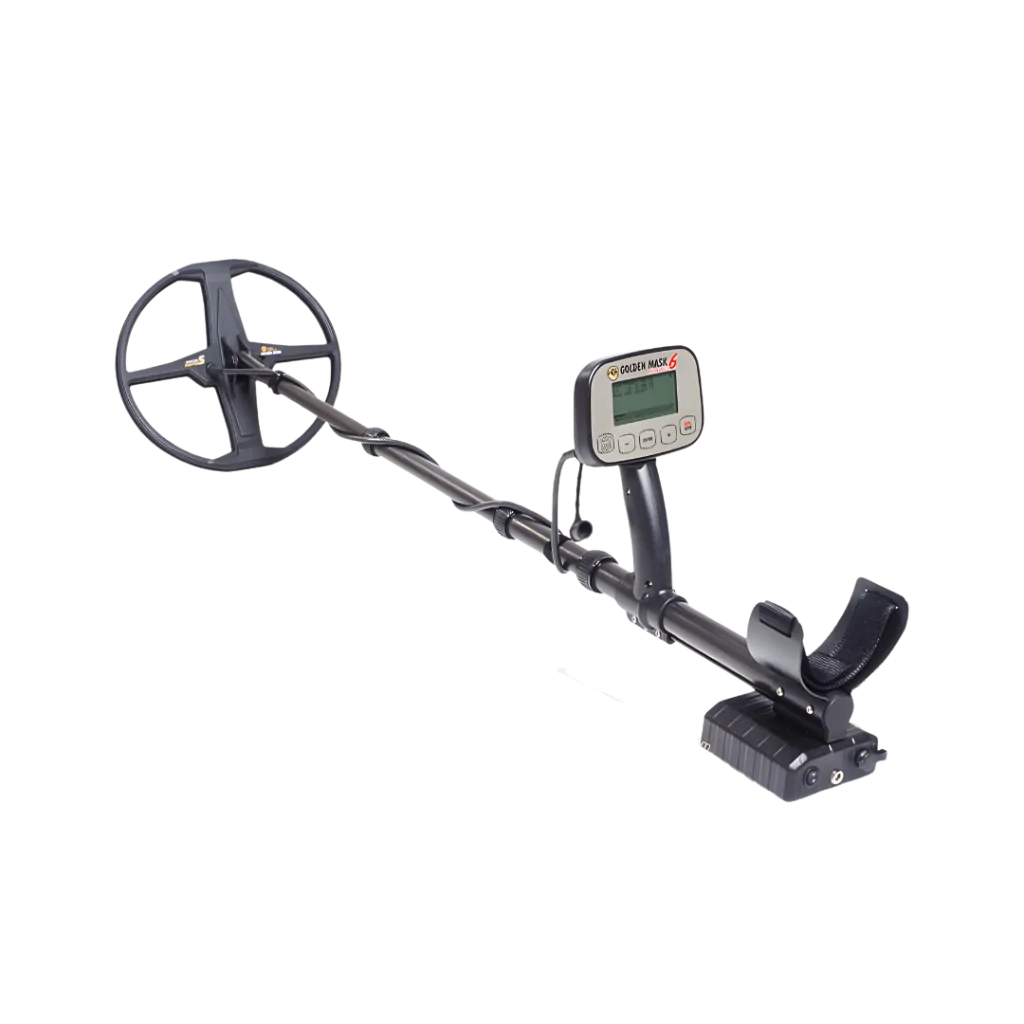
Golden Mask 6 Advanced Professional Metal Detector
Discover the Golden Mask 6- professional multi-frequency Metal Detector. Ultra-fast response, high precisio
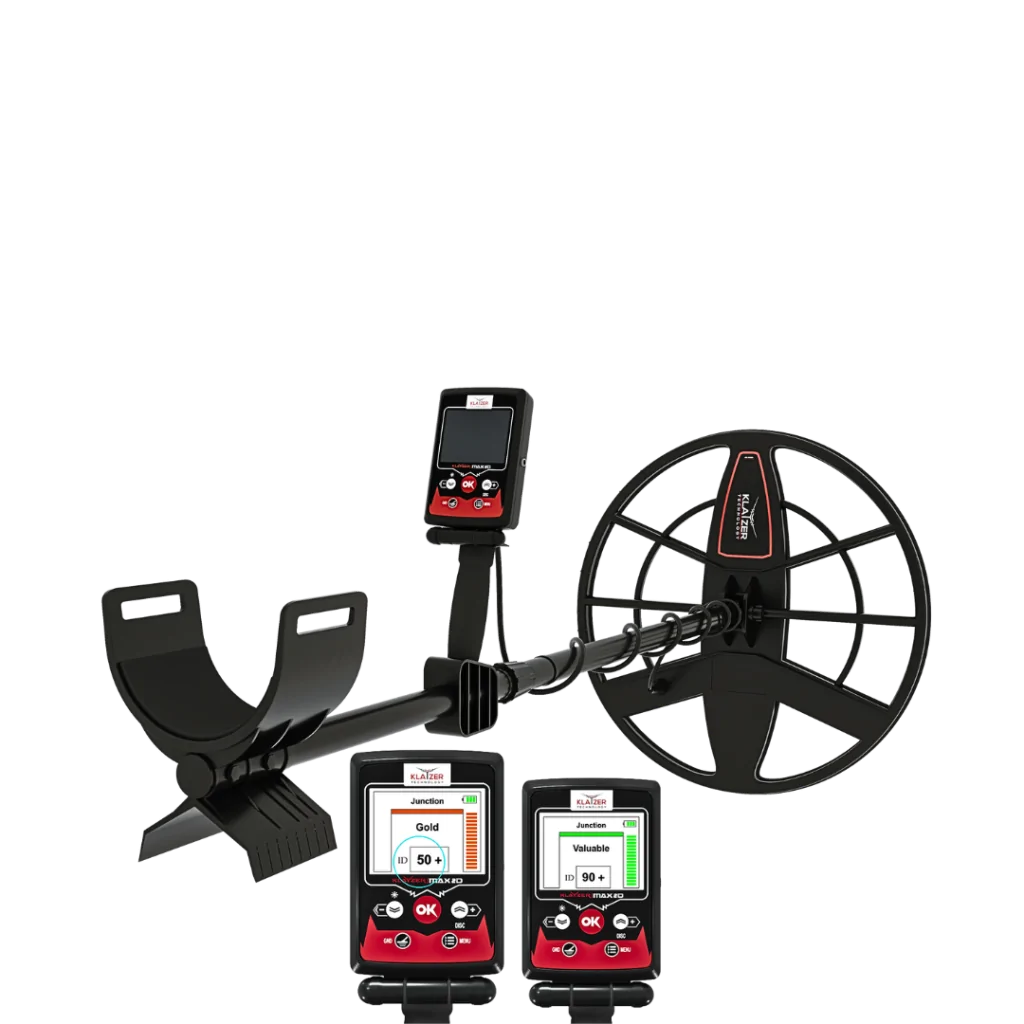
Klayzer Max 2D Advanced Gold Detector Scanner
Unlock hidden treasures with Klayzer Max 2D — one of the best Detectors for gold, silver, and valuable me
Nokta Impact Pro Multi Frequency Metal Detector
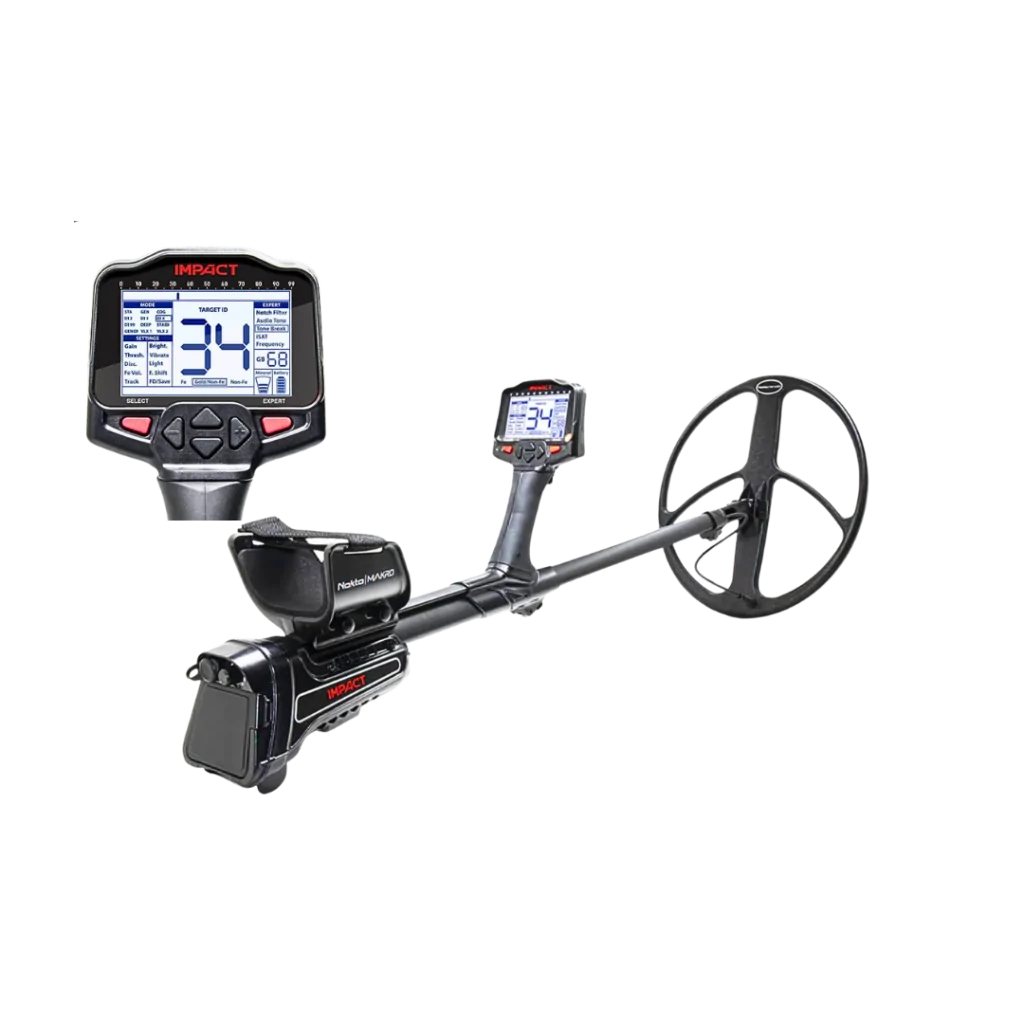
Discover hidden treasures with the Nokta Impact Pro Metal Detector — advanced depth, precision, and versa
Table of Contents
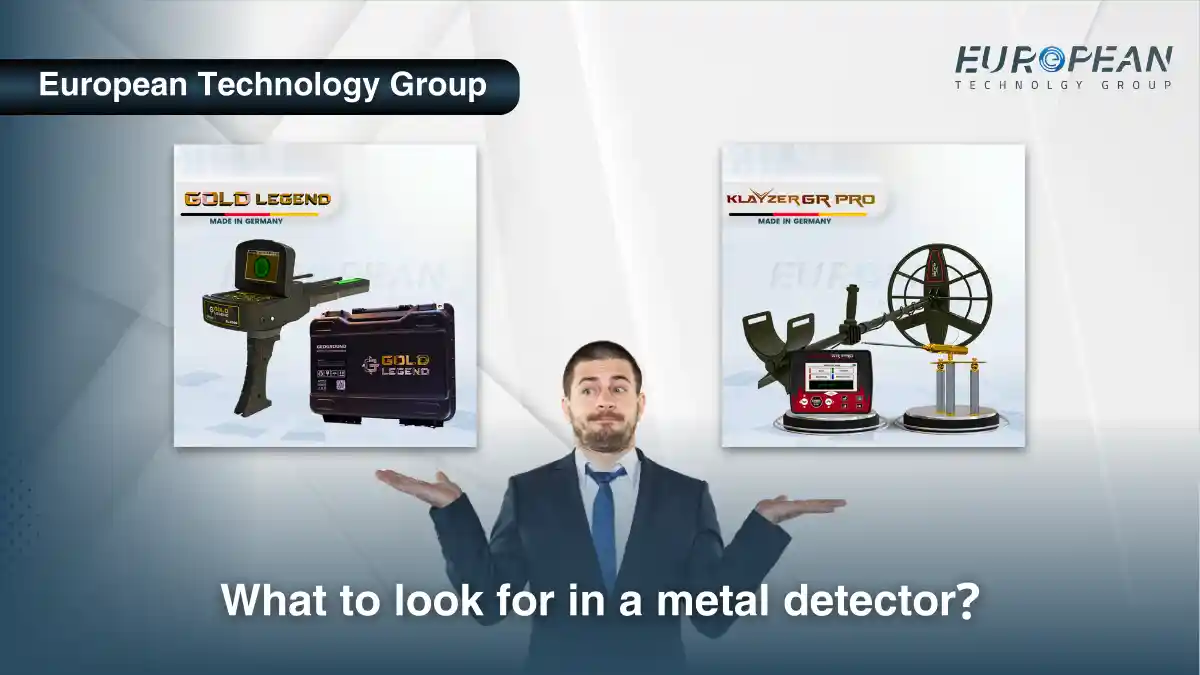
ToggleWhat should you look for in a metal detector? – From the European Technology Group
Today, we at Euro technology Group have provided you with our next article, which is a good guide for any beginner who wants to buy the device.
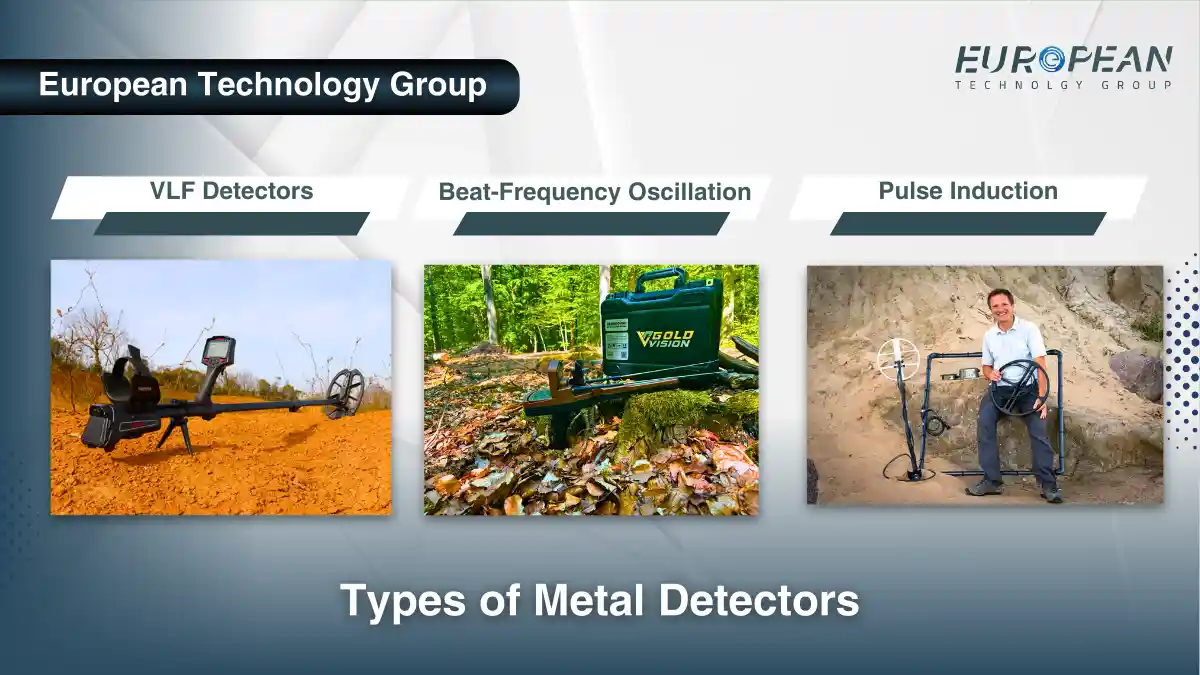
Types of Metal Detectors
VLF Detectors: Also known as Very Low Frequency detectors, VLF detectors are versatile and suitable for a wide range of applications. They can distinguish between different metals and feature adjustable sensitivity levels.
Pulse Induction (PI) Detectors: PI detectors are ideal for beachcombing, underwater diving, or searching in mineral-rich areas. They are unaffected by saltwater or mineralization, making them well-suited for such environments.
Beat Frequency Oscillation (BFO) Detectors: BFO detectors represent the simplest and most cost-effective option. While user-friendly, they may lack some of the advanced features of other detector types.
Best Metal Detectors for Gold Prospecting (Features that Matter)
For serious enthusiasts and professional prospectors, the choice of metal detector is a significant strategic decision, often involving substantial financial investment. Relying on an authoritative, technically exhaustive guide is essential to avoid costly procurement errors associated with purchasing devices unsuitable for highly mineralized or conductive environments.
Selecting the most suitable metal detector is crucial because the performance of the equipment directly correlates with the likelihood of success. The right technology can transform a casual outing into a high-yield expedition, making the choice of detector a pivotal step in any treasure hunt.
Best Metal Detectors for Gold Prospecting (Features that Matter)
For serious enthusiasts and professional prospectors, the choice of metal detector is a significant strategic decision, often involving substantial financial investment. Relying on an authoritative, technically exhaustive guide is essential to avoid costly procurement errors associated with purchasing devices unsuitable for highly mineralized or conductive environments.
Selecting the most suitable metal detector is crucial because the performance of the equipment directly correlates with the likelihood of success. The right technology can transform a casual outing into a high-yield expedition, making the choice of detector a pivotal step in any treasure hunt.
The Unique Technological Challenges of the Saltwater Environment
Effective aquatic detection is fundamentally limited by two pervasive geophysical obstacles: ground mineralization and saltwater conductivity. High mineralization, often manifest as dense layers of iron oxides and magnetite (black sand) in coastal areas, profoundly interferes with the electromagnetic fields used by standard Very Low Frequency (VLF) detectors. This interference leads to instability and false signaling, resulting in wasted effort digging non-target items.
Furthermore, saltwater’s high concentration of dissolved salt ions creates a highly conductive medium. When a detector’s magnetic field interacts with this conductivity, it triggers false signals that mimic genuine metal targets. Overcoming this pervasive interference demands advanced detectors equipped with sophisticated ground balancing features and high-speed signal processing. The ability to maintain stable operation despite these high-conductivity challenges is the defining characteristic that separates professional, durable instruments from standard hobbyist equipment.
Deciphering Underwater Detection Technology
When evaluating the "waterproof" claims of any detection device, it is imperative to refer to the standardized metric defined by the International Electrotechnical Commission (IEC). The IEC 60529 standard provides the Ingress Protection (IP) code, which rigorously rates a device’s enclosure against the intrusion of solid objects (the first numeral) and liquids (the second numeral). This standard resolves the inherent ambiguity of marketing terms, establishing a clear metric for operational safety and durability. For aquatic use, the second numeral, concerning liquid intrusion, is critical. The necessary degree of protection depends entirely on the intended operational depth:
IPX7:Â This rating signifies protection against temporary immersion, typically up to 1 meter (3.3 feet) for a duration of 30 minutes. This level is considered the minimal safe requirement for shallow wading in the surf line or searching tidal areas, where splashes and brief submergence are inevitable.
IPX8:Â This superior rating denotes protection against continuous immersion, with the specific depth and time parameters determined and specified by the manufacturer. IPX8 is essential for fully submersible operations, deep wading, or scuba diving.
Standard Ingress Protection (IP) Rating Definitions for Liquid Immersion
| IP Second Digit (Protection Level) | Definition | Submersion Depth/Time | Typical Use Case |
| IPX6 | Protected against powerful jets of water | N/A | Rain, high splash |
| IPX7 | Protected from immersion | Up to 1 meter (3.3 ft) for 30 minutes | Shallow water entry, surf line wading |
| IPX8 | Protected from continuous immersion | Manufacturer specified (Often deeper than 1m) | Scuba diving, deep wading/river hunting |
Core Technologies for Wet and Mineralized Environments
The ability of a metal detector to succeed in coastal environments is fundamentally determined by its core operating technology.
Very Low Frequency (VLF) Limitations and Advanced Filtering
VLF technology excels in target discrimination and is typically the most affordable option. However, VLF performance diminishes significantly in conductive environments. It "struggles in mineralized soil" and is "not ideal for deep saltwater searches" due to the overwhelming interference generated by conductive saltwater and magnetic sand.
Even VLF detectors equipped with advanced filtering are likely to encounter instability and significant depth limitations when the coil is submerged in the high-conductivity surf zone, limiting their effective use mainly to dry sand or mildly mineralized areas.
Pulse Induction (PI)
Pulse Induction detectors are highly preferred for their resilience in the most challenging aquatic conditions. PI systems are "less affected by high mineralization, saltwater, and black sand," ensuring stable performance where VLF detectors fail.
By utilizing powerful, momentary pulses of current, PI technology is able to ignore the transient magnetic signals caused by ground conductivity, offering "superior depth detection" for targets like gold nuggets and relics. For serious detectorists who prioritize penetration depth in highly conductive sand, PI technology is considered the most effective tool.
However, this depth and stability often come at the expense of target discrimination, meaning PI systems typically function in an "all-metal" mode, requiring increased effort to sift through discarded trash.
Simultaneous Multi-Frequency (SMF)
Simultaneous Multi-Frequency (SMF) technology represents a significant leap forward, providing a balanced solution that combines the stability required for saltwater operations with high discrimination capability.
SMF detectors operate on multiple frequencies concurrently, typically ranging from very low (e.g., 3 kHz) to very high (e.g., 100 kHz). This simultaneous analysis allows the device to gather a comprehensive data profile of a buried object.
SMF technology generally handles highly mineralized soil and saltwater beaches with greater stability than single-frequency units. By mitigating the conductive noise that plagues traditional VLF systems, SMF detectors offer both the necessary stability for wet sand environments and superior accuracy in target identification.
This technological fusion makes SMF the preferred choice for detectorists prioritizing the efficient recovery of valuable artifacts, coins, and jewelry in coastal transition zones.
Core Technology Comparison for Saltwater Environments
| Technology | Mineralization/Salt Stability | Target Discrimination (ID) | Typical Depth Potential | Best Aquatic Use Case |
| Very Low Frequency (VLF) | Poor to Fair | Excellent | Shallow/Medium | Dry sand, limited wading |
| Pulse Induction (PI) | Excellent | Poor (All-metal operation) | Deep/Superior | Saltwater surf, black sand (depth focus) |
| Simultaneous Multi-Frequency (SMF) | Very Good | Excellent | Deep/Versatile | Wet sand, transition zone, jewelry hunting (balanced performance) |
The Ultimate Purchase Matrix: Essential Buying Criteria
Selecting the right metal detector involves balancing raw performance with environmental adaptability. Achieving maximum depth requires technology that penetrates mineralized barriers while maintaining the sensitivity to detect fine gold nuggets often masked by challenging ground conditions.
Success also depends on usability; detectors must be ergonomic and durable enough to withstand corrosive saltwater. Furthermore, advanced feedback mechanisms, such as 2D visual screens, are essential for interpreting signals and distinguishing genuine targets from background noise.
Finally, efficiency is paramount. Features like automated ground calibration and iron exclusion allow operators to adapt seamlessly to fluctuating soil changes, ensuring time is spent recovering treasure rather than digging trash.
Performance Metrics
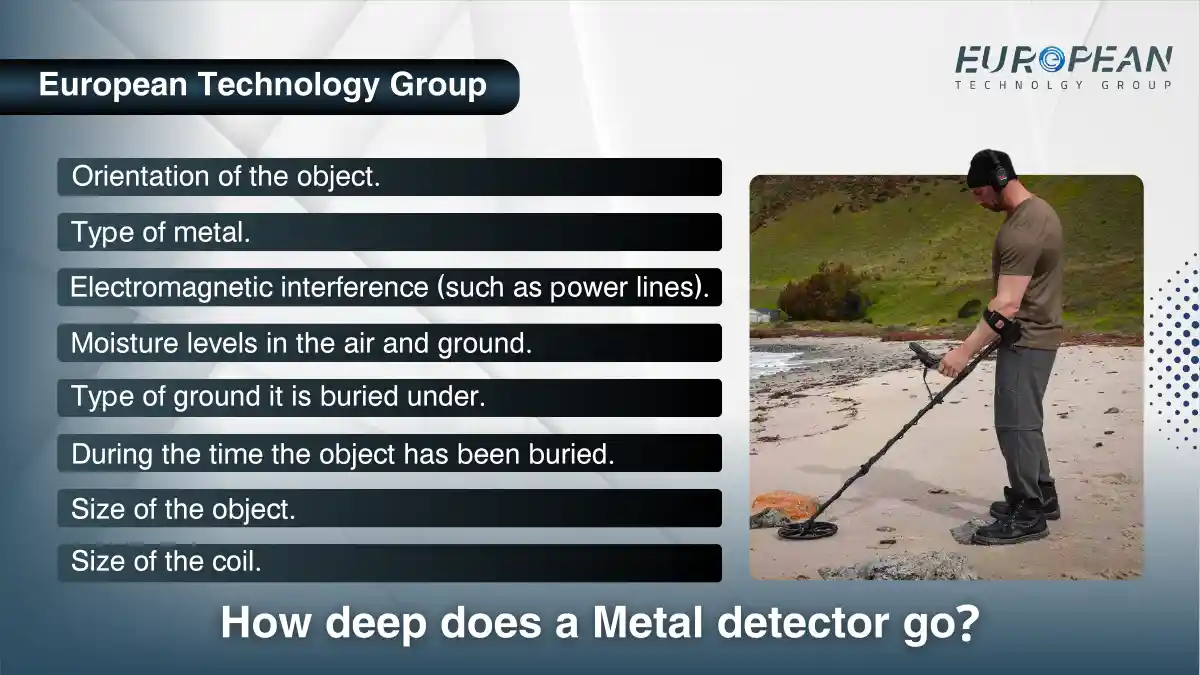
Achieving maximum detection depth is governed by a confluence of technical and environmental factors. While the detection technology (PI vs. VLF/SMF) is paramount, depth is also influenced by the size and shape of the search coil, the operating frequency, and, critically, the ground conditions and target characteristics.
Highly mineralized ground acts as a restrictive barrier, reducing the effective depth penetration of the signal.
Sensitivity, defined as the ability to detect very small objects, is crucial, particularly when searching for fine gold nuggets at depth. Premium detectors must offer high sensitivity combined with depth to ensure that small, valuable targets are not overlooked due to masking by challenging ground conditions.
Usability Factors
Ergonomics are essential for aquatic detection, which often involves hours of physically demanding swinging. A lightweight and portable model is ideal to minimize fatigue. More important, however, is durability. The detector must be constructed to withstand the corrosive elements of salt, the abrasion of sand, and the physical impacts inherent to working in rugged, watery environments.
The method of target feedback is equally vital. In loud surf conditions, audio signals are primary. However, advanced detectors like the Klayzer models incorporate sophisticated 2D colored screens.
This graphical display capability is necessary for precise interpretation, allowing the user to analyze the shape and profile of the detected signal to differentiate genuine metal targets from complex ground noise that might otherwise fool a simple audio response.
Ground Control, Discrimination, and Iron Exclusion
In coastal environments characterized by rapid shifts in ground mineralization (from dry sand to wet salt-laden sand), the ability of a detector to handle mineralization noise is central to productivity. Discrimination settings are necessary, allowing the machine to classify metal types and reject common unwanted items such as nails or bottle caps.
High-efficiency operation necessitates automated ground calibration. Where ground conditions constantly fluctuate, requiring the user to manually stop and recalibrate introduces significant downtime and increases the opportunity for operator error.
Therefore, automatic soil calibration features, present in models like the Klayzer Max 2D and GR Pro, are fundamental requirements for professional-grade instruments, ensuring that the machine maintains optimal performance as environmental conditions change. Both Klayzer models also feature iron insulation or exclusion, a simple yet highly effective feature for ensuring only desired metals are targeted.
The Path for the Beginner and Advancing Enthusiast
The successful entry into aquatic detection requires a machine that emphasizes "ease of use" and a "user-friendly interface". A simple operational structure allows a beginner to rapidly grasp fundamental techniques without being overwhelmed by complex settings.
While budget constraints are common, a strategic initial investment in a quality model from a reputable brand ensures that the detector incorporates necessary advanced features—such as Multi-Frequency stability—that will prevent the machine from being quickly outgrown once the user ventures into the demanding salt environment.
The Klayzer Max 2D
The Klayzer Max 2D is a multipurpose metal detector that balances high performance with user accessibility. It is explicitly noted for its user-friendly interface, designed for both amateurs and professionals, featuring easy menus and a colored screen to guide the user and minimize input errors.
Its core technology, VLF/Multi-Frequency, makes it an excellent choice for versatility, specifically targeting gold treasures, ancient coins, and relics. This technology grants it the necessary stability to transition from dry to wet sand with minimal performance loss.
Key features that support the beginner and intermediate detectorist in aquatic environments include:
Water Resistance:Â The search discs are waterproof up to 1 meter depth. This IPX7-level capability permits safe operation in wading areas and the surf line, provided the control unit is kept dry.
Discrimination:Â The device includes a practical, single-click iron exclusion feature, which is a major benefit for reducing time spent digging trash on popular beaches.
Depth and Feedback:Â The Max 2D can detect targets up to 3 meters deep with high accuracy. Furthermore, it displays target depth in centimeters on its screen, offering instant, quantifiable feedback that greatly aids beginners in visualizing and pinpointing target location.
Operation:Â Beginners should focus on learning to effectively utilize the adjustable sensitivity settings (levels 1 to 9) to tune the device for optimal depth penetration in varying ground conditions. The 2D colored screen is key, allowing the device to process signals into detailed visual drawings, enhancing signal interpretation.
Klayzer Max 2D (VLF/SMF) Key Specifications
| Technical Feature | Specification | Significance for Aquatic Use |
| System | VLF/Multi-Frequency (Audio VLF system) | Versatile discrimination, stable in wet sand. |
| Waterproofing | Available for discs, up to 1 meter depth | Suitable for wading and shoreline searches (IPX7 compliance). |
| Max Depth (VLF) | Up to 3 meters | Excellent depth capability for its class. |
| Discrimination | Iron insulation available (single click) | Highly efficient trash reduction. |
| Interface | 2D colored screen, friendly interface | Accessible to all levels, detailed visual data representation |
Tools of the Professional
Professional detection requires tools that can perform geophysical reconnaissance over immense search areas and penetrate to extreme depths, often targeting caches or geological gold deposits up to 20 meters down.
This necessitates a hybrid system that integrates long-range sensing with high-accuracy, short-range discrimination. The Klayzer GR Pro is engineered as such a hybrid, designed to function reliably in all challenging terrains, including metallic rocks, basalt, and environments reaching 100% humidity.
The Klayzer GR Pro
The Klayzer GR Pro is a high-end system utilizing five distinct detection modes, combining VLF short-range precision with Long Range Locater (LRL) technology. The LRL capability is designed for wide-area coverage, offering a remarkable depth penetration of up to 20 meters and a horizontal search range of 2000 meters.
This device is built for maximum efficiency, featuring automatic calibration and soil settings, which are mandatory for professionals operating across diverse and rapidly changing ground conditions. Its advanced metal detection system ensures high accuracy, particularly in metallically charged and rocky soils.
Detailed Breakdown of the Five Detection Systems
The five systems integrated into the GR Pro necessitate a structured, sequential search workflow tailored for professional operations, maximizing efficiency by moving from wide-area targeting to precise retrieval.
Single/Double Person Field Scanning Systems (LRL):Â These systems initiate the search by providing remote position determination and accurate target location over distances up to 2 kilometers. The Double Person Field Scanning System is specifically designed to function in harsh environments and tough weather, using two opposing operators to enhance directional stability and mitigate errors caused by environmental factors like wind.
Deep Search and Scan for Spaces and Metals System (VLF):Â This dedicated VLF system is used after LRL detection to confirm the precise location and depth of targets, focusing on gold, crude gold, metals, and underground voids at depths up to 3 meters.
Superficial Scanning System (VLF):Â Ideal for verifying and discriminating targets in the top meter of soil, particularly coins and shallow relics. The discs for this VLF system are waterproof up to 1 meter, enabling precise discrimination in the shallow aquatic zone.
Pinpointer Scanning System:Â This final system is crucial for retrieval. It is highly sensitive, operates underwater, and is suitable for detailed detection in riverbanks and wet beach environments, allowing for seamless transition between wet and humid land environments.
Klayzer Detector Specifications: Beginner vs. Professional
| Feature | Klayzer Max 2D (Beginner/Advanced) | Klayzer GR Pro (Professional/Deep Search) |
| Primary Systems | VLF/Multi-Frequency (Audio System) | VLF, LRL, Multi-Sensor (5 Systems) |
| Waterproofing | 1-meter depth for discs | 1-meter depth for 2 discs/Pinpointer |
| Max Depth (VLF/Scan) | Up to 3 meters | Up to 3 meters (Deep Search System) |
| Max Depth (LRL) | N/A | Up to 20 meters |
| Search Range (LRL) | N/A | Up to 2000 meters |
| Terrain Resilience | Standard | Works in basalt, rocky soils, 100% humidity |
Assessing Manufacturer Credibility
Investing in a high-performance detector mandates choosing a brand with a proven track record. Beyond community reviews, a manufacturer's credibility is best measured by their warranty terms; a three-year benchmark reflects genuine confidence in durability against manufacturing defects. Long-term reliability also depends on efficient after-sales support. A responsible manufacturer ensures clear service protocols, such as streamlined RMA processes, to minimize downtime during repairs and guarantee orderly maintenance.
This commitment to quality is exemplified by Klayzer Technology. Internationally recognized for high-precision German engineering, Klayzer delivers advanced detectors that balance innovative design with the rugged performance professional prospectors demand.
Warranty, Support, and Serviceability
In challenging detection environments, durability and reliability are primary concerns. A manufacturer's confidence in the product is often reflected in the warranty offered; three-year warranties are common benchmarks for quality brands, providing essential protection against manufacturing defects.
Beyond the initial purchase, the logistical process for repairs and service is paramount. A responsible manufacturer provides a clear, efficient service protocol, such as requiring a Return Merchandise Authorization (RMA) number prior to shipping for repair, which minimizes customer downtime and ensures an orderly service process.
The Klayzer Commitment
Klayzer Technology establishes its credibility through a strong foundation in high-precision engineering. The German Klayzer factory is internationally recognized for manufacturing high-quality gold and metal detectors that deliver excellent performance through advanced technology and innovative design.
Frequently Asked Questions About Best Metal Detectors for Gold Prospecting
What are the Best Metal Detectors for Gold Prospecting in saltwater?
The best devices utilize Pulse Induction (PI) or Simultaneous Multi-Frequency (SMF) technology. These systems ignore saltwater conductivity and high mineralization, ensuring stability and superior depth where standard VLF detectors fail. This technical edge is vital for successful coastal expeditions.
How deep can professional gold prospecting detectors reach?
While hobbyist units reach 1-3 meters, professional systems like the GR Pro combine VLF precision with Long Range Locator (LRL) technology to detect targets up to 20 meters deep and scan horizontally across 2000 meters in challenging terrains.
Are these gold detectors waterproof for beach hunting?
Yes, quality detectors feature IPX7 or IPX8 ratings. Many models offer waterproof search coils up to 1 meter, allowing for safe wading and surf-line hunting. Always verify the Ingress Protection code to ensure operational safety in aquatic environments.
Conclusion- Best Metal Detectors for Gold Prospecting
The analysis confirms that successful aquatic and coastal detection requires technology specifically optimized for mineralized and conductive environments, prioritizing Simultaneous Multi-Frequency (SMF) for discrimination versatility or Pulse Induction (PI) for maximum depth penetration.
Stop accepting the limitations imposed by inadequate, single-frequency VLF technology in the salt-rich environments where the most valuable treasures reside. Invest in the technological superiority, reliability, and precision offered by specialized detection systems.