





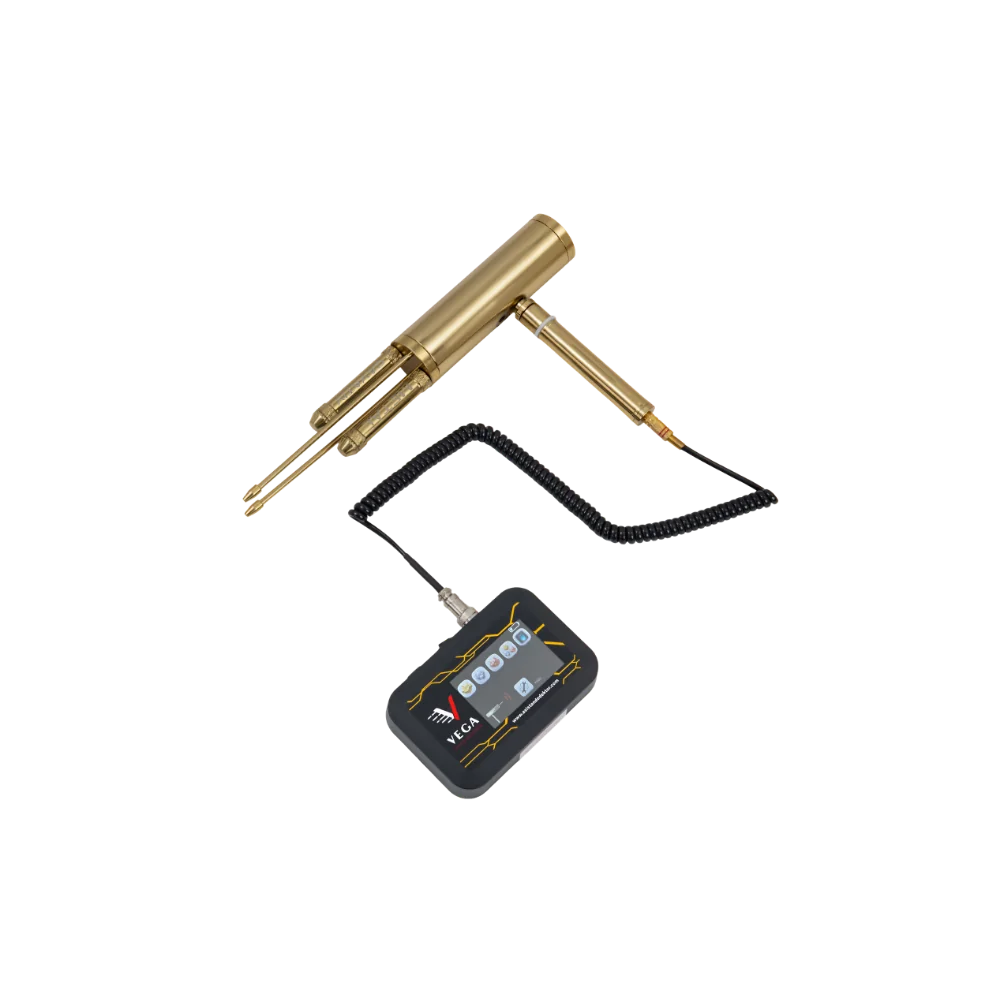
Vega Field Scanner
VEGA Field Scanner is a powerful digital area scanner with automatic/manual frequen
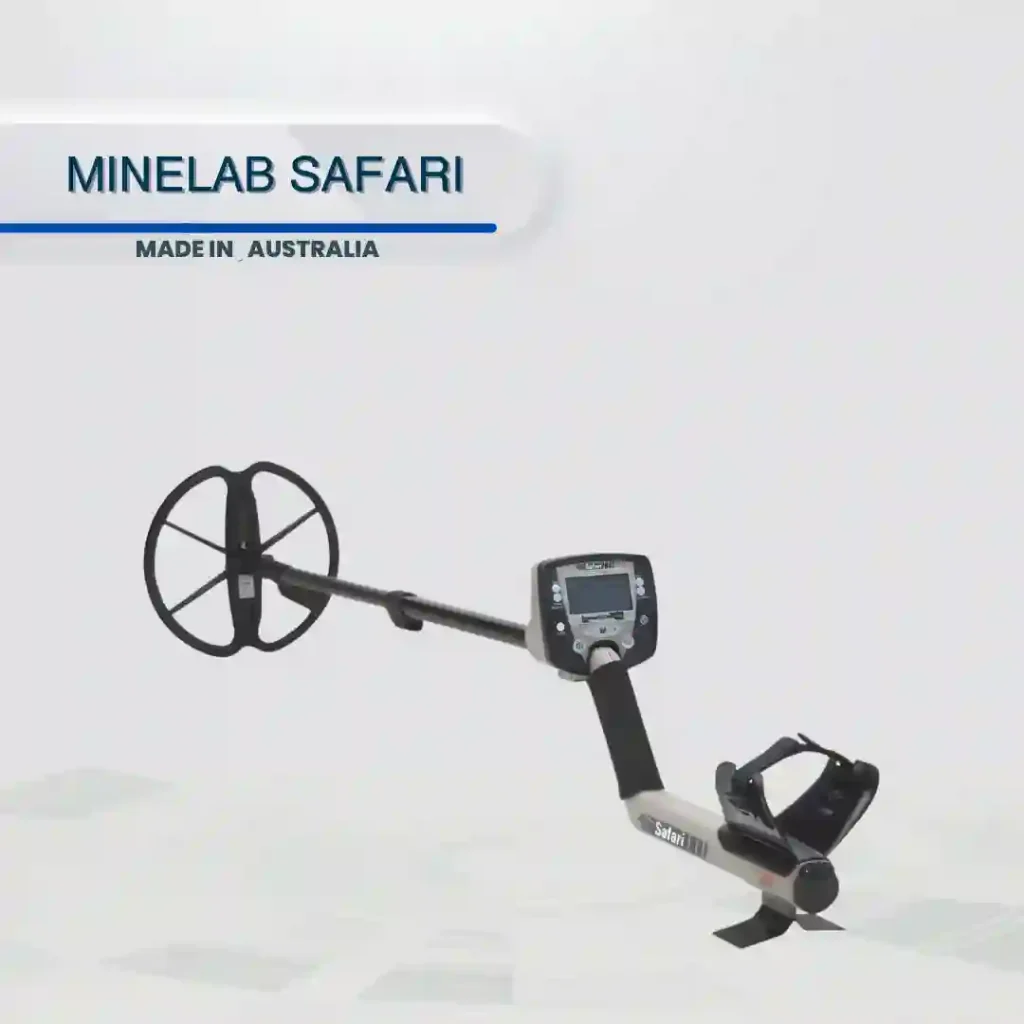
Minelab Safari Advanced Multi Purpose Metal Detector
Discover coins, gold, and relics with Minelab Safari. High depth, beginner-friendly
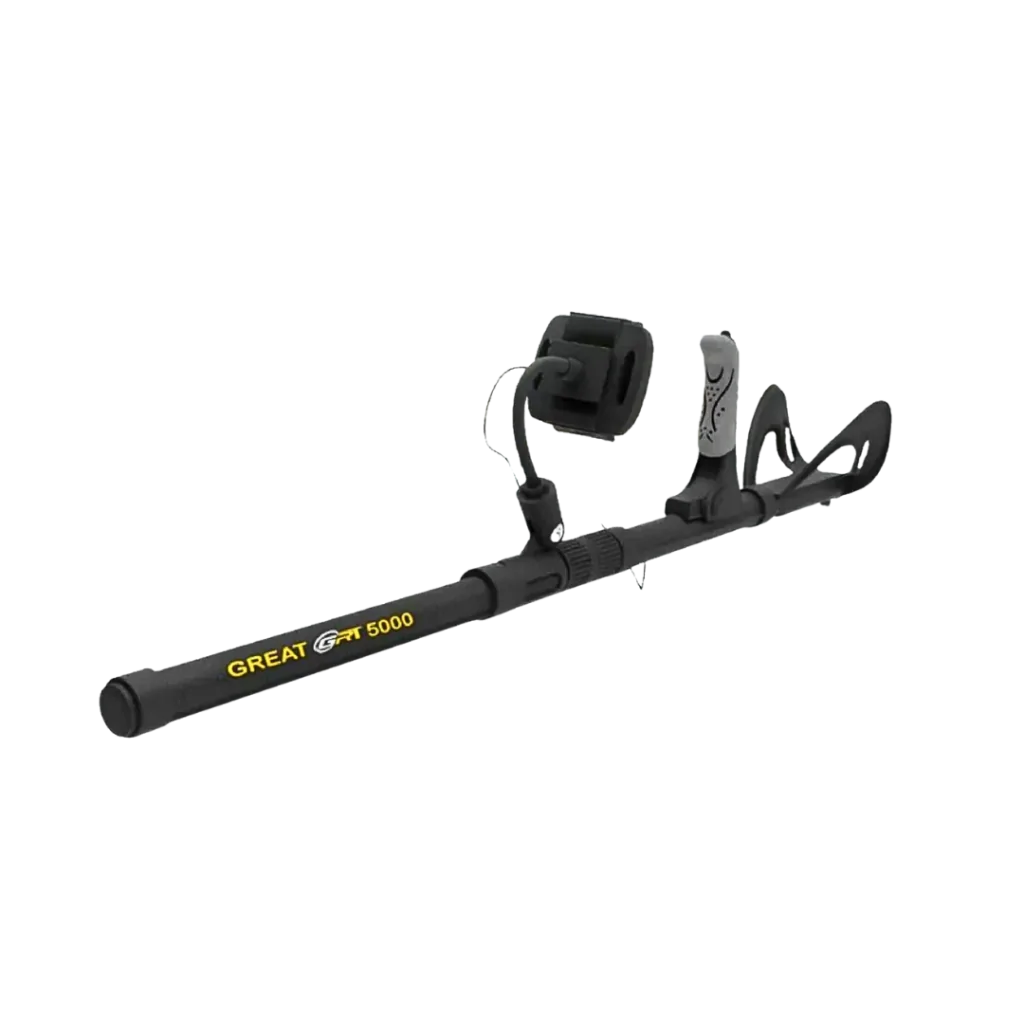
GRT Great 5000 Advanced Gold Detector Scanner
The GRT Great 5000 delivers unmatched power, precision, and advanced features for professionals seeking pea
Metal Detectors For Beginners
Unlike professional-grade detectors, which can have complex settings and require a lot of technical know-how, beginner models typically offer a "turn-on-and-go" experience. This means you can unbox the device, turn it on, and start searching for coins, jewelry, and relics right away.
While they may not have the extreme depth or advanced ground balancing capabilities of high-end units, they are more than capable of finding valuable items in parks, beaches, and fields.
A good beginner detector should have key features like adjustable sensitivity to reduce false signals, target ID to help you identify what you've found before you dig, and discrimination to filter out unwanted trash like nails and bottle caps. Many modern beginner metal detectors also come with waterproof coils, allowing you to search in shallow water.
Frequently Asked Questions
The best detector for a beginner is one that is lightweight, easy to use, and has essential features like target ID and discrimination. Popular models from brands like Minelab, Garrett, and Nokta are excellent choices.
Consider your budget, the type of treasure you want to find (coins, jewelry, relics), and where you'll be searching (parks, beaches, fields). Look for a detector with a simple interface that meets your needs.
Yes, many beginner detectors can find gold, especially small jewelry like rings and earrings. However, if your primary goal is finding natural gold nuggets, you may need a more specialized detector with a higher operating frequency.
The depth of a beginner detector can vary, but most can find coin-sized targets at depths of 4-8 inches (10-20 cm) in good soil. Larger targets can be found at greater depths.


