





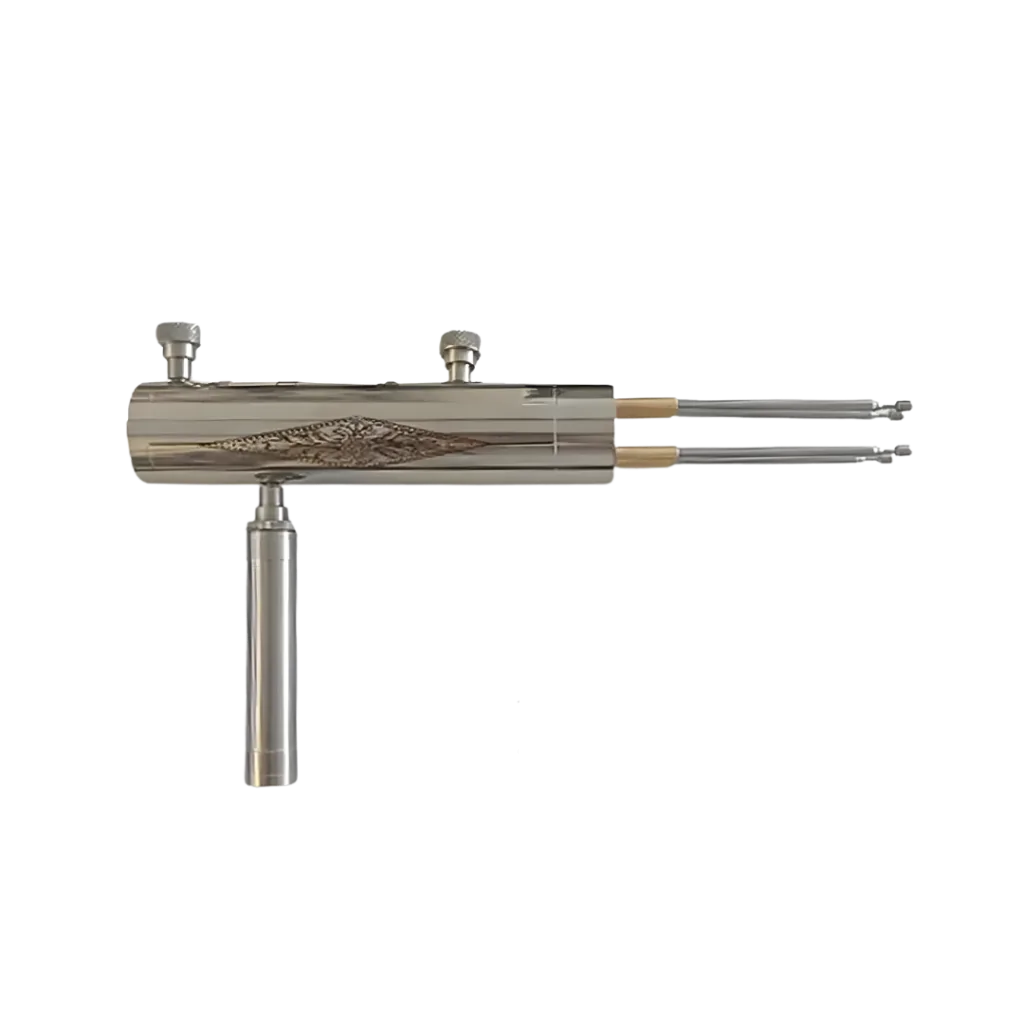
Hakan Model 15 Advanced Professional Gold Detector
Discover the Hakan Model 15 for precise gold, metal, and void detection. Professional long-range
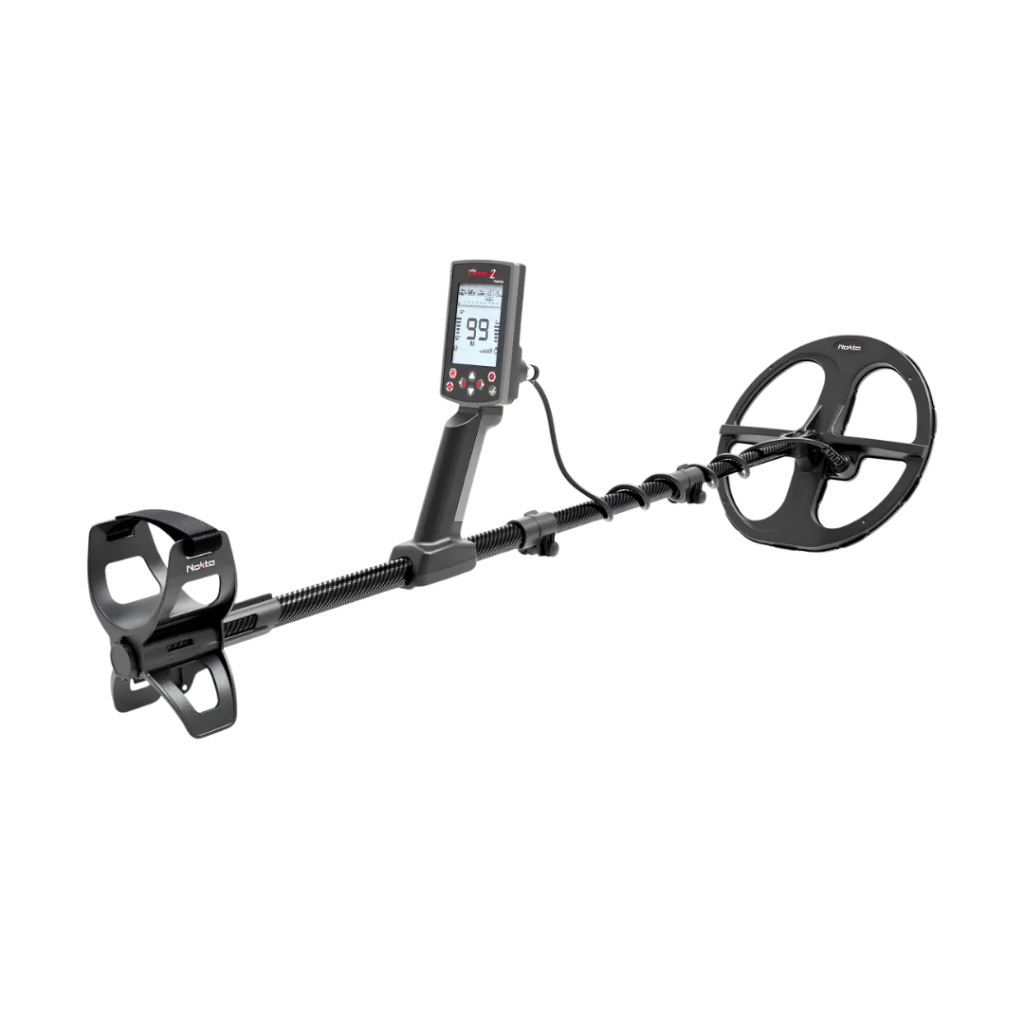
Nokta The Legend 2 Multi Frequency Metal Detector
Nokta The Legend 2 -Advanced SMF detector with great depth, waterproof design and stable target ID.
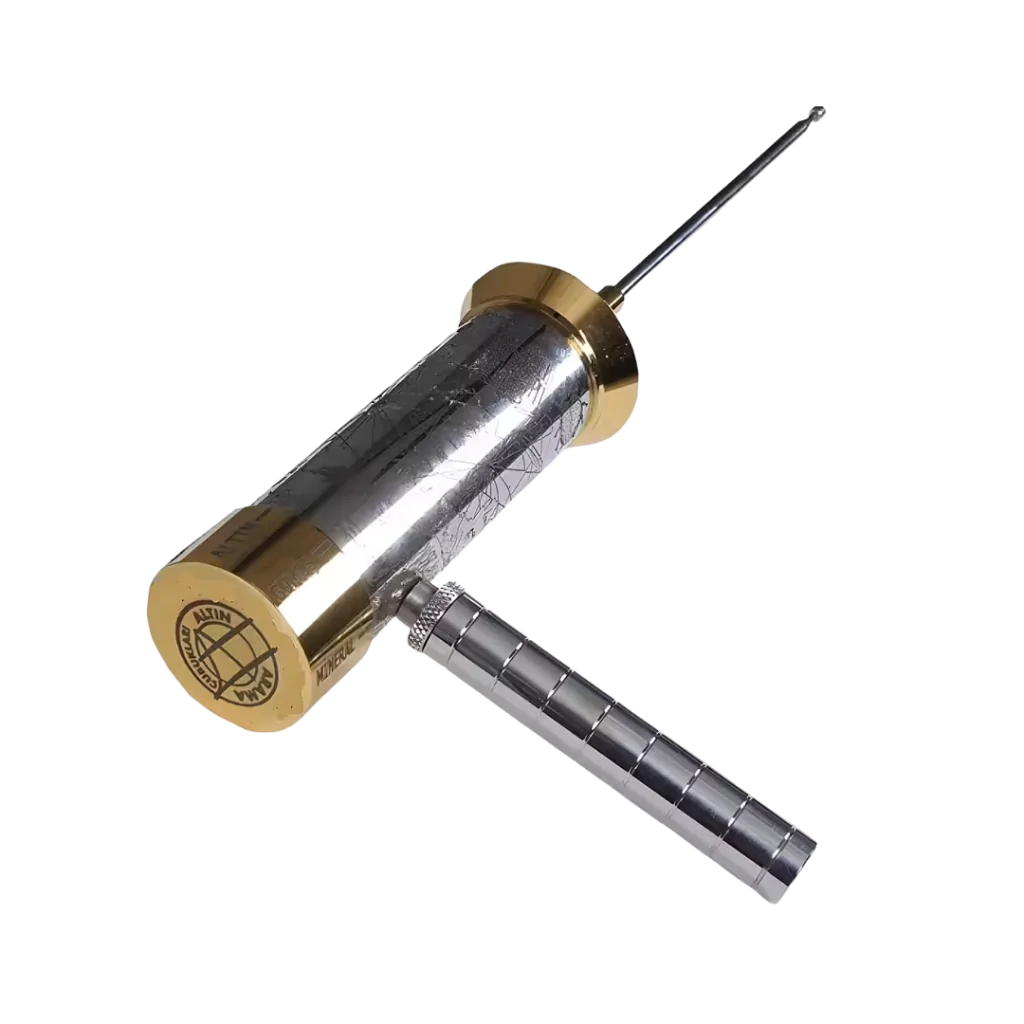
Hakan Detector Model 16 Professional Gold Detector
Hakan Detector Model 16 – the next-generation long-range metal and gold detection system engineered for p
Long Range Detectors
Using a long range locator involves a specific process, often referred to as "gridding" or "scanning." The user typically starts at a fixed point and scans a wide area, looking for a directional pull from the antennas.
Once a direction is identified, the user walks in that direction, periodically re-scanning to confirm the path. This process is repeated until the user is close to the target, at which point the long range gold locator or lrl gold detector is said to indicate the exact location.
The devices are often marketed for large-scale exploration, such as searching for buried treasures, hoards, or natural gold veins over vast areas. Whether using a gold long range detector, long range metal detector, or a long distance metal detector, these tools make them appealing to hobbyists, treasure hunters, and prospectors who want to survey large tracts of land quickly without having to meticulously sweep every square foot. The long range gold finder and long distance gold detector are especially popular for vast terrain surveys, while the long range gold detector machine and long range locators offer advanced options for serious prospectors seeking a reliable long range locator gold detector.
Frequently Asked Questions
The depth at which targets are detected depends on the technology and capabilities of the device. Some devices can reach depths of up to 50 meters.
Unlike conventional coil-based detectors (VLF, PI), Long-Range Locators are marketed as "remote sensing" devices. Manufacturers claim they operate by detecting specific electromagnetic frequencies or energy fields emitted by buried objects. The device is said to be able to pinpoint the direction of these frequencies, allowing the user to track a target from a distance of several hundred meters.
Scanning Large Areas: The main advantage marketed for these devices is their ability to quickly survey vast areas of land, saving time and effort compared to meticulously sweeping an entire area with a traditional detector. Preliminary Scouting: They can be used as a preliminary tool to narrow down potential target areas before moving on to more precise devices.
Radar can detect objects from about 1 kilometer in size down to a fraction of an astronomical unit. Objects 8-10 AU away, such as Saturn, must be hundreds of kilometers in size to be detected, and accurate ephemerides are crucial.
Long-Range Locator (LRL): Indicates the direction of a target from a distance. It does not provide a clear image of the object. Imaging Device (Ground Penetrating Radar - GPR): Uses radar to penetrate the ground and create a 2D or 3D image of objects beneath the surface. It operates at much shorter distances than LRLs (only a few meters) but with high scientific accuracy and reliability.
Long-range detectors can detect gold, but their effectiveness depends on the technology and sensitivity. They use methods such as electromagnetic fields or modern sensors, but their accuracy depends on factors such as soil conditions, target size, and depth.
The operating time of the device depends on the battery capacity and charging option and can sometimes be up to 8 hours or more.
The most challenging conditions for any metal detector are black sand beaches. Metal detectors like the Klayzer GR Pro are among the most robust metal detectors on the market, which suggests they will work in almost any harsh metal conditions around the world.
Whatever some companies tell you, you won't easily find gold nuggets with a cheap metal detector. Sure, some large gold nuggets have been found over the years, but the vast majority of gold nuggets are tiny, weighing less than 1 gram. You need a sensitive detector like the Klayzer GR Pro to find them.
Modern imaging gold detectors can detect gold at very small sizes. A single grain can be extracted into a solid mass at depths of up to 40 meters.
Discrimination is the ability of a metal detector to distinguish between different types of metals or alloys. This allows you to target only the types of minerals you're likely to be interested in. The idea is to increase your chances of unearthing valuables.


