






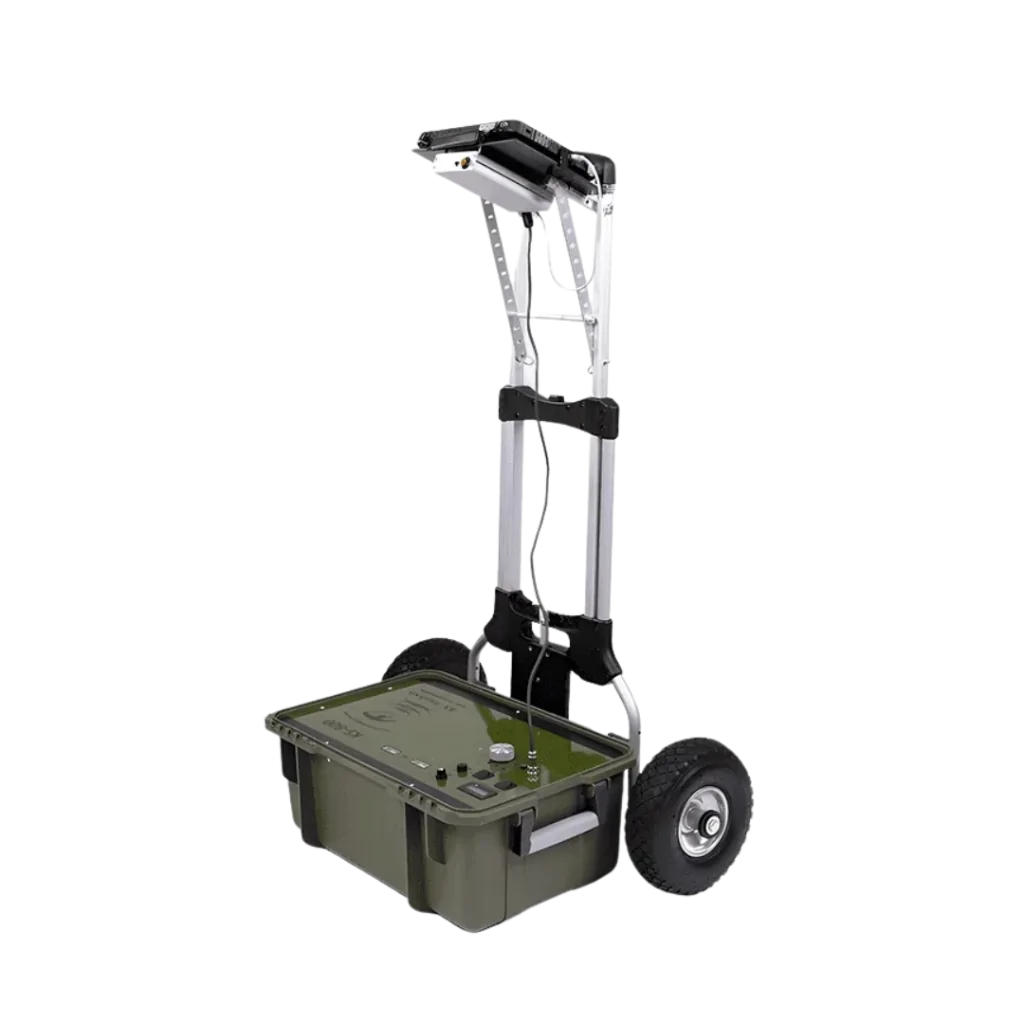
Phoenix KS 800 Plus Advanced Gold Detector Device
KS 800 Plus in Germany from the European Technology Group. Professional 3D ground scanner for deep underg
Gpr detectors
Types of Gpr Detectors Used in Gold Exploration
Different exploration goals require different types of GPR systems. These devices are generally categorized based on depth capability, data complexity, and intended use. Understanding these categories helps users select the right solution for their needs.
The most common types include:
-
Professional GPR systems: Designed for deep ground scanning and advanced subsurface imaging, often used in mining and geological surveys.
-
Exploration-focused detectors: Balanced systems suitable for gold prospecting and mineral exploration with moderate depth and easier interpretation.
-
Multi-purpose GPR devices: Used for gold detection, archaeological surveys, construction analysis, and underground object detection.
Each type varies in antenna frequency, depth range, and data visualization. Choosing the right category depends on exploration goals rather than assuming one system fits all scenarios.
Frequently Asked Questions
Gpr detectors and metal detectors serve different purposes. GPR systems focus on imaging underground structures, while metal detectors react to metallic signals. For deep or complex environments, GPR can provide more context, but many professionals use both together for better results.
GPR technology is generally more effective for identifying underground anomalies and structures rather than very small metal objects. Detection capability depends on depth, soil conditions, and antenna frequency, so expectations should remain realistic.
Performance varies by soil composition and moisture. Highly conductive or wet soils can reduce signal clarity. Understanding local ground conditions helps determine whether GPR technology is suitable for a specific area.


