





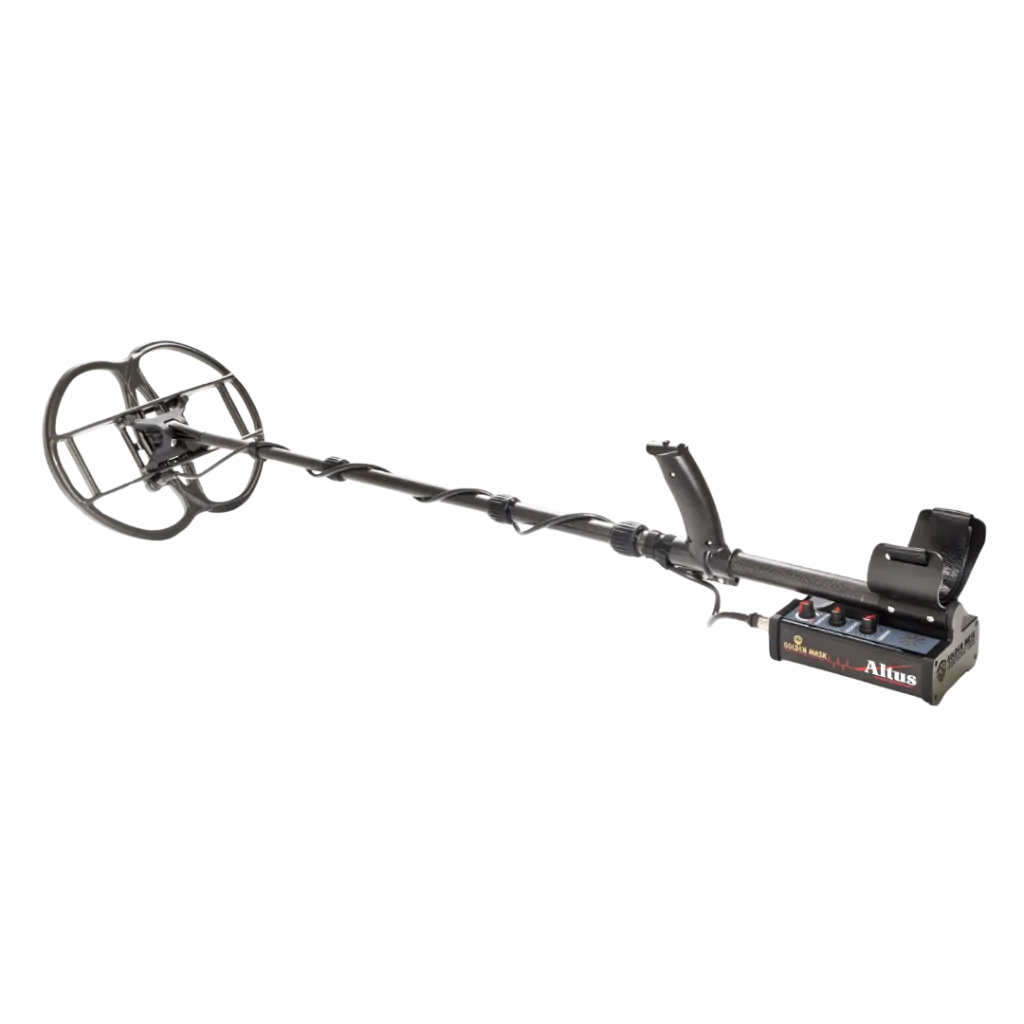
Golden Mask Altus Professional Metal Detector for Treasure
The Golden Mask Altus delivers superior depth and accuracy with cutting-edge BSP Hybrid Technology—perfec
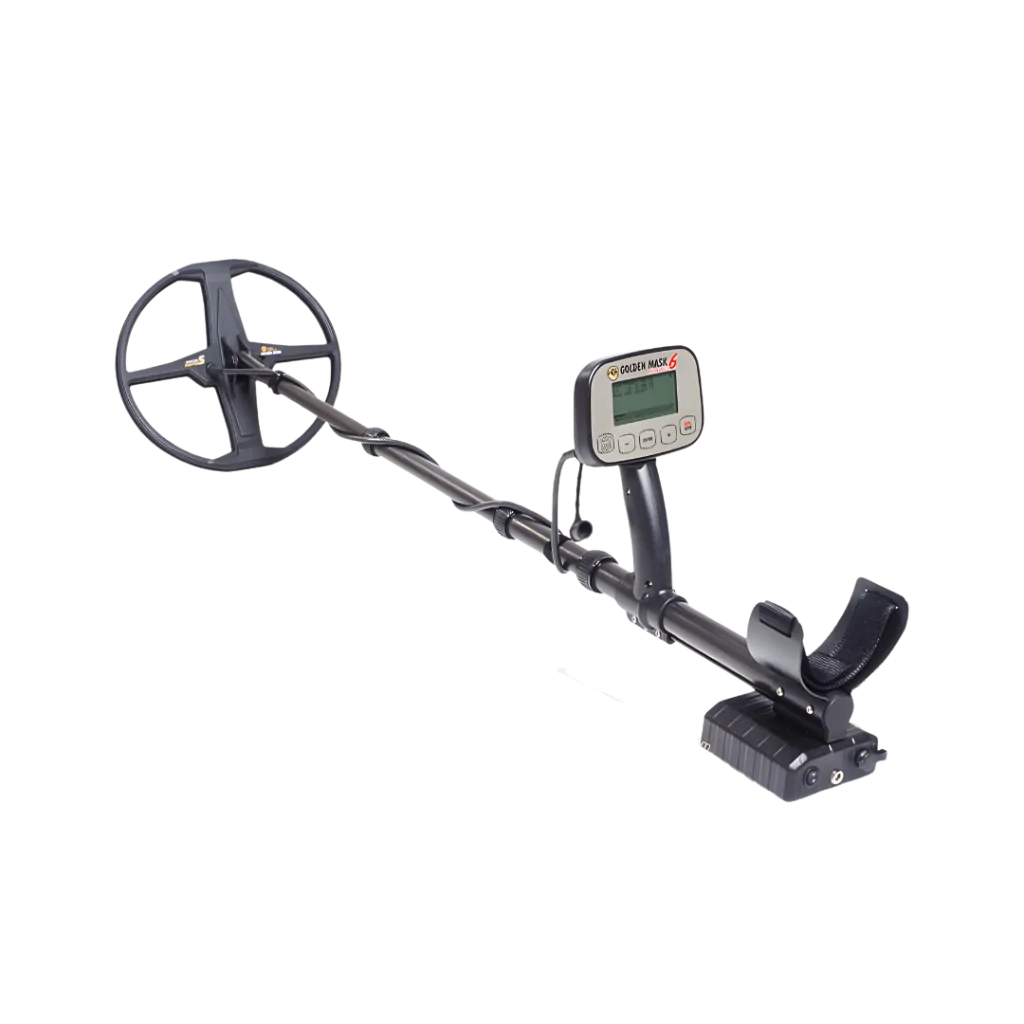
Golden Mask 6 Advanced Professional Metal Detector
Discover the Golden Mask 6- professional multi-frequency Metal Detector. Ultra-fast response, high precisio
Electromagnetic Detectors
The core of an EM detector is its search coil, which contains a tightly wound wire. When power is applied, an electrical current flows through this wire, creating a magnetic field that extends downwards into the ground.
When this primary magnetic field encounters a metallic object, it induces a secondary magnetic field within that object. The detector's receiver coil (often the same coil or a separate one) then senses this induced magnetic field. The change in the magnetic field causes a measurable electrical signal, which the detector's electronics process and convert into an audible tone or a visual reading on a screen.
Frequently Asked Questions
The main types are Very Low Frequency (VLF), Pulse Induction (PI), and Multi-Frequency (MF) detectors. Each type has distinct advantages and disadvantages depending on the user's needs and the search environment.
The headphones will extend battery life, increase privacy and increase your ability to hear signals clearly against background noise. They even offer benefits to those with excellent hearing. Clear sound is usually more important than a broad frequency specification. In most cases, headphones with a higher impedance (100 ohms) provide clearer sounds.
The depth a detector can reach depends on several factors, including the size of the target, its shape and orientation, the type of soil, and the detector's frequency and power. A general rule of thumb is that a detector can find a target as deep as its diameter. So, a coin can typically be found within 6-12 inches, while a large metal chest could be found at several feet.
Discrimination is the detector's ability to differentiate between different types of metals and ignore unwanted targets, such as iron nails or bottle caps. This feature saves the user a great deal of time and effort by allowing them to focus on digging up valuable finds while ignoring trash. Most VLF detectors have excellent discrimination, which is why they are a favorite among coin and relic hunters.
A: Yes, both VLF and PI detectors can find gold. VLF detectors that operate at higher frequencies (18 kHz or more) are very effective at finding small gold nuggets. PI detectors are the best choice for finding gold in highly mineralized ground, which is where gold is often found.


