

Buy Deep Gold Detector: Pro Guide and Best Picks Now

When you plan to Buy Deep Gold Detector equipment, the most important step is not choosing the device with the biggest advertised depth number. A professional purchase begins by identifying your target type, search environment, experience level, and preferred detection technology.
A deep detector may be suitable for buried treasures, large metal objects, natural gold, ancient artifacts, or underground structures. However, each search objective requires different technology, coils, settings, and interpretation skills.
European Technology Group offers access to professional detection systems, technical guidance, training resources, and international delivery options. Before ordering, compare the available devices carefully and request recommendations based on your actual field requirements.
What Is a Deep Gold Detector?
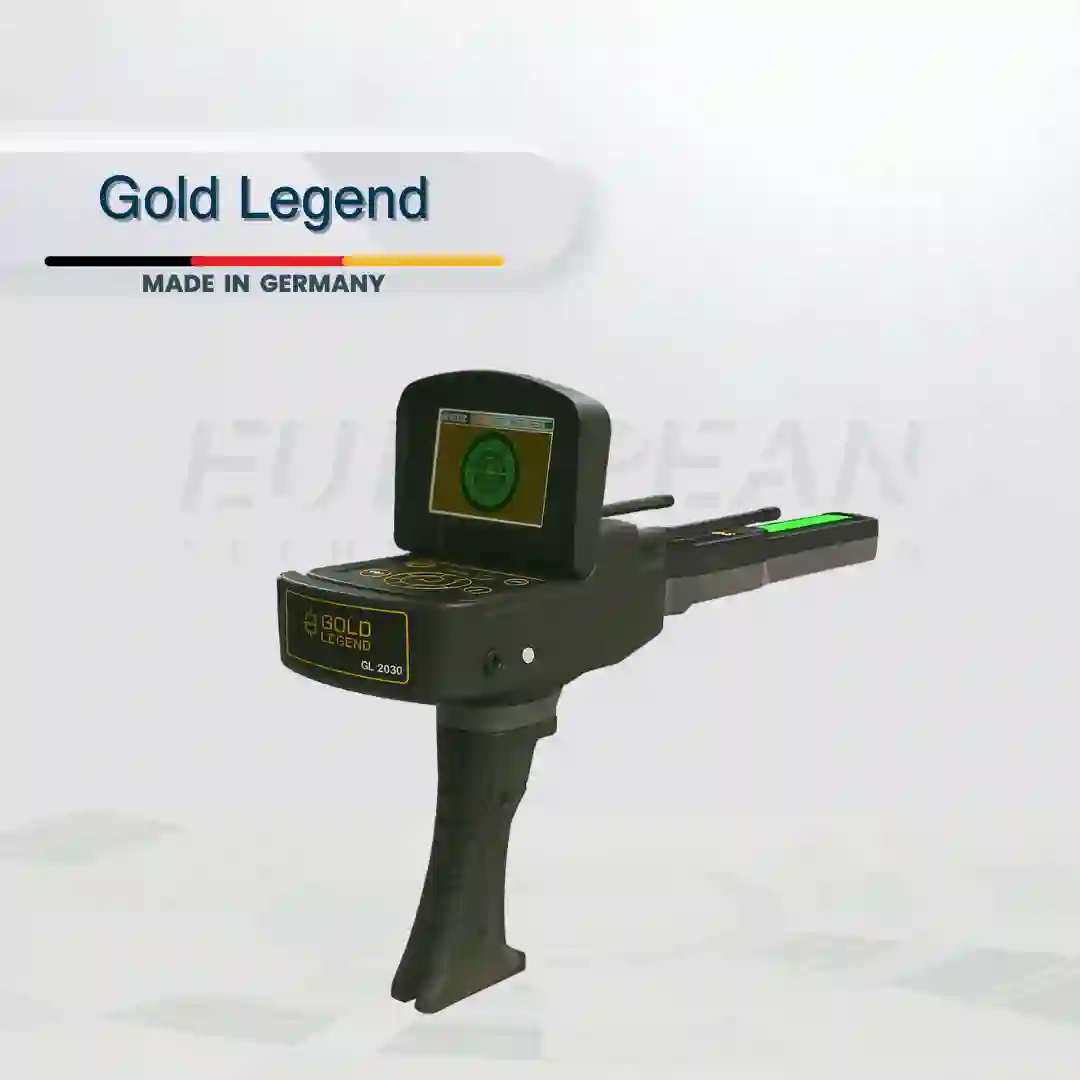
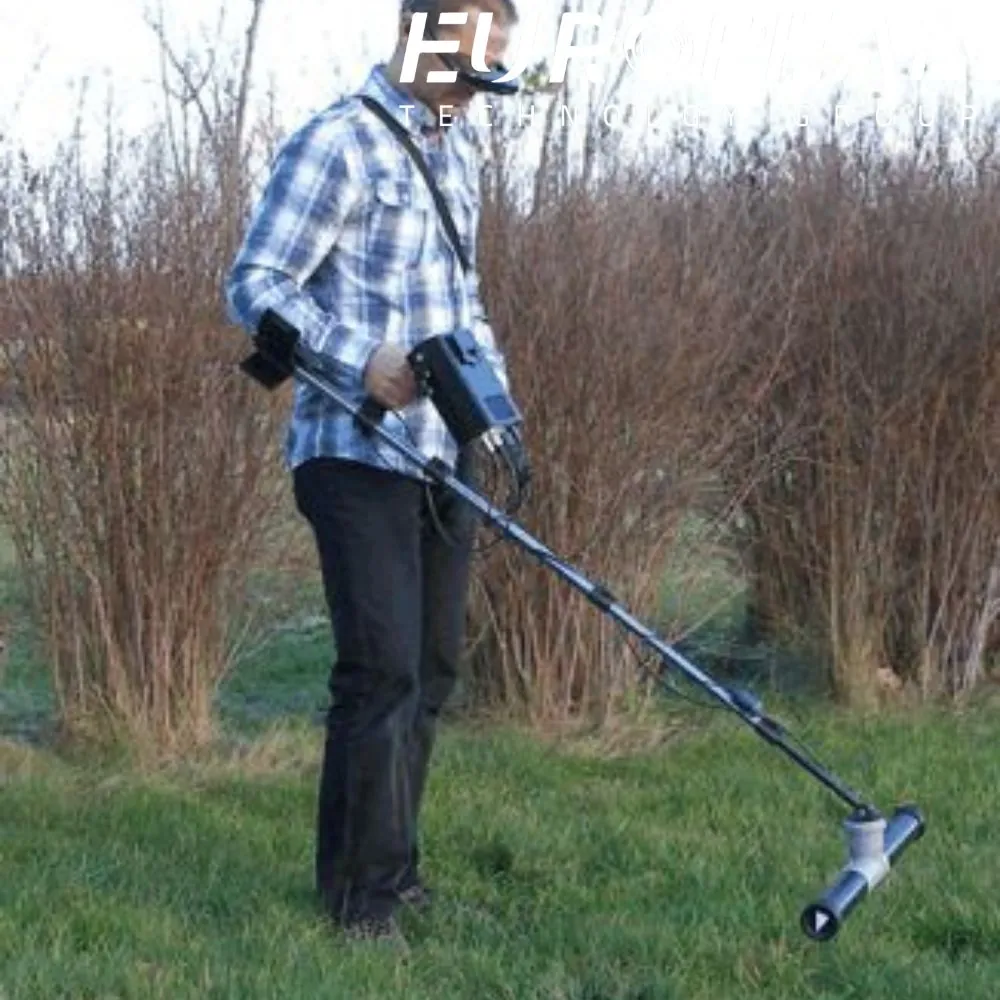
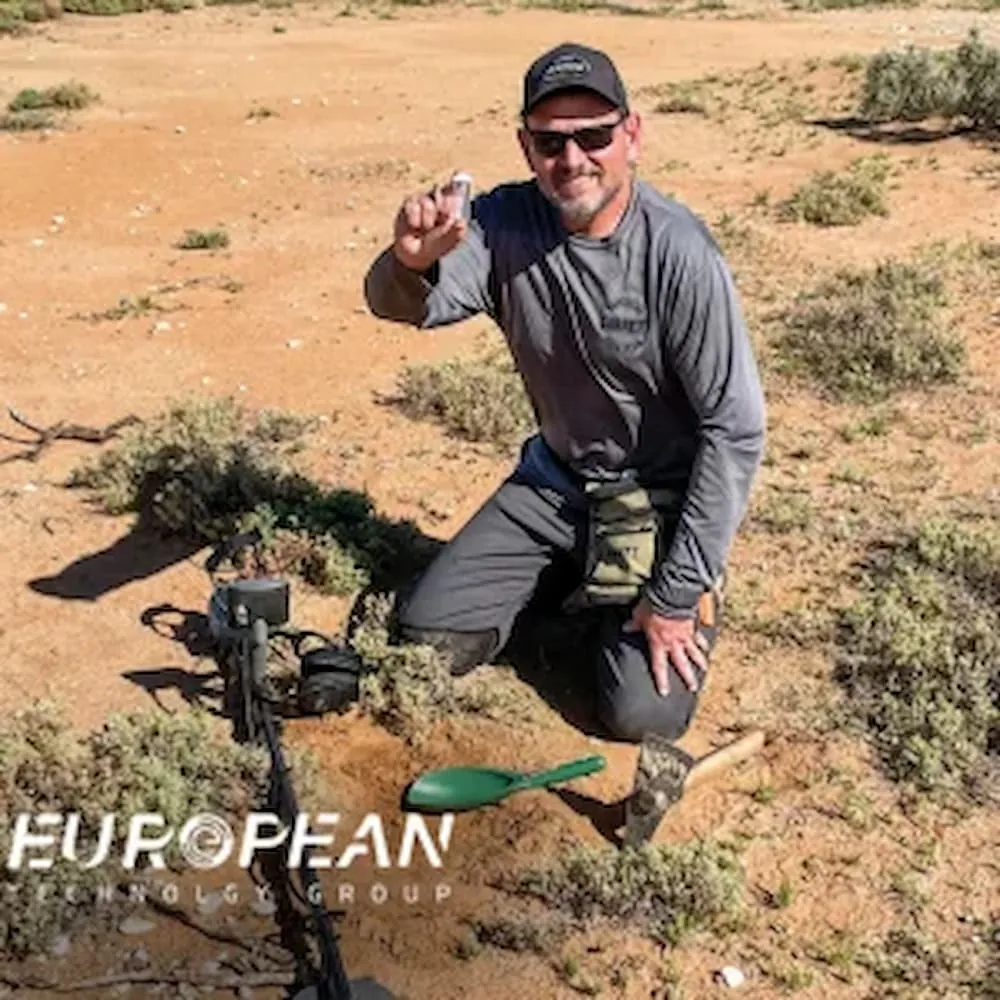
Gold Legend professional detector for gold, treasures, and buried metal targets.
A deep gold detector is a specialized search device designed to identify metallic targets or underground anomalies at greater depths than basic hobby detectors.
Unlike an entry-level detector intended mainly for shallow coins, jewelry, and small objects, professional deep detection systems may use pulse induction, ground scanning, long-range locating, imaging, or multiple search technologies.
The correct choice depends on what you want to find. A device built for natural gold nuggets may perform differently from a system designed for large treasure boxes, buried metal, tunnels, chambers, or archaeological targets.
Buyers should therefore avoid treating every device marketed as a deep detector as an identical solution. The detector must be matched to:
- The expected target size.
- The likely burial depth.
- The soil mineralization level.
- The search area and terrain.
- The operator’s experience.
- The required target information.
- The available scanning and interpretation time.
You can explore different Deep gold detectors to understand the available technologies before selecting a particular model.
Who Should Buy This Detector?
A professional gold detector is suitable for serious users who need more capability than a standard recreational machine.
Deep detection systems can be useful for professional prospectors searching for buried gold, exploration teams working across large areas, treasure hunters targeting large objects, and experienced users who understand signal interpretation.
They may also be suitable for buyers who need detailed underground information before excavation. Some advanced systems can help identify differences between metallic targets, cavities, mineral formations, and changes in soil structure.
You should consider buying a deep detector when:
- Your expected targets are large or deeply buried.
- Basic detectors are unsuitable for your search conditions.
- You frequently work in mineralized soil.
- You require different search modes for multiple targets.
- You need visual scanning or ground analysis.
- You are prepared to complete gold detector training.
- You want long-term technical support.
A deep detector may not be the best option for every buyer. A beginner searching mainly for shallow coins or small jewelry may achieve better results with a simpler machine. Reviewing several categories of Gold detectors can help you avoid paying for professional functions that you may not need.
Main Technologies and Search Modes
Before you Buy Deep Gold Detector equipment, compare the detection technology rather than focusing only on appearance, screen size, or the number of included accessories.
Different technologies provide different advantages.
| Detection technology | Suitable applications | Main buyer consideration |
|---|---|---|
| Pulse induction | Mineralized soil, large targets, deep metal searches | May provide less target discrimination than some VLF systems |
| VLF technology | Small gold, coins, jewelry, and shallow targets | Performance can be influenced by highly mineralized soil |
| Multi-frequency | Mixed targets and changing search conditions | Compare frequency options and ground adjustment features |
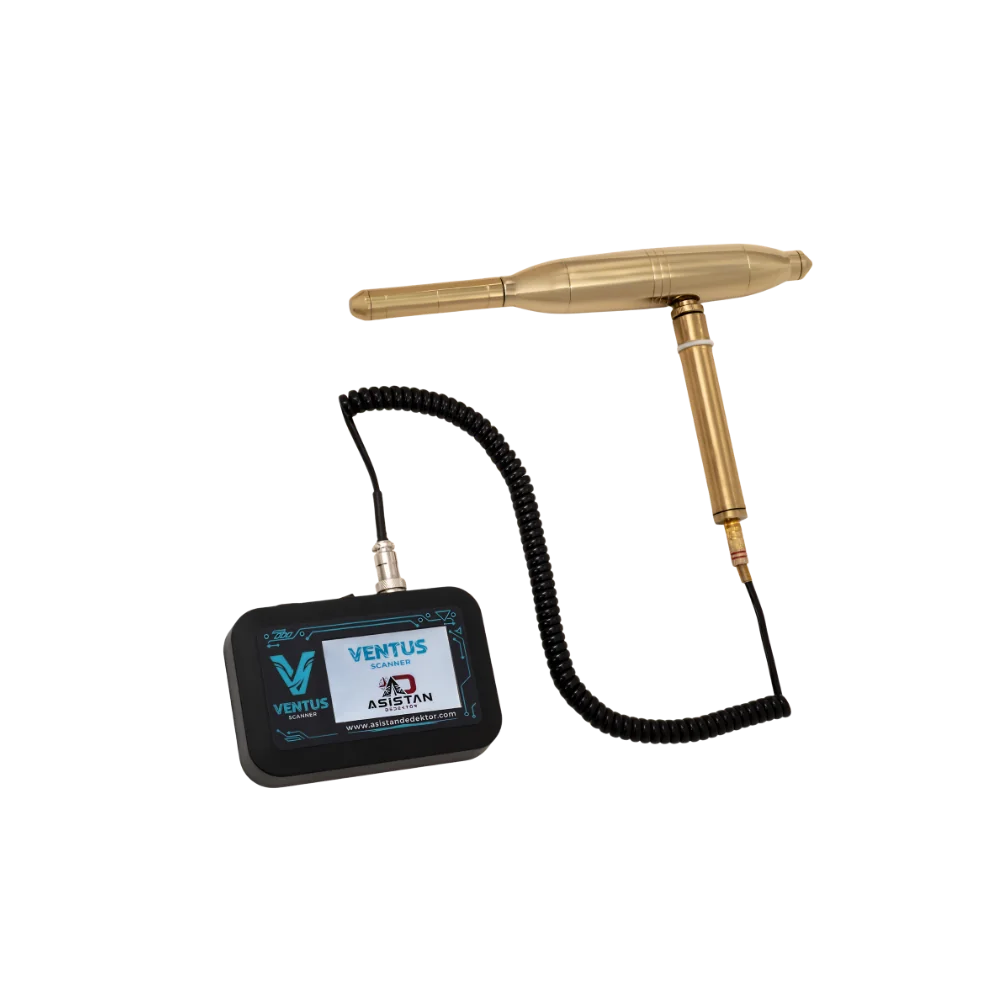
| 3D ground scanning | Metals, cavities, structures, and underground anomalies | Requires correct scanning and data interpretation |
| Long-range locating | Preliminary searches across wide areas | Results require careful verification with another search system |
| Multi-system detectors | Users with several search objectives | Usually requires more training and setup knowledge |
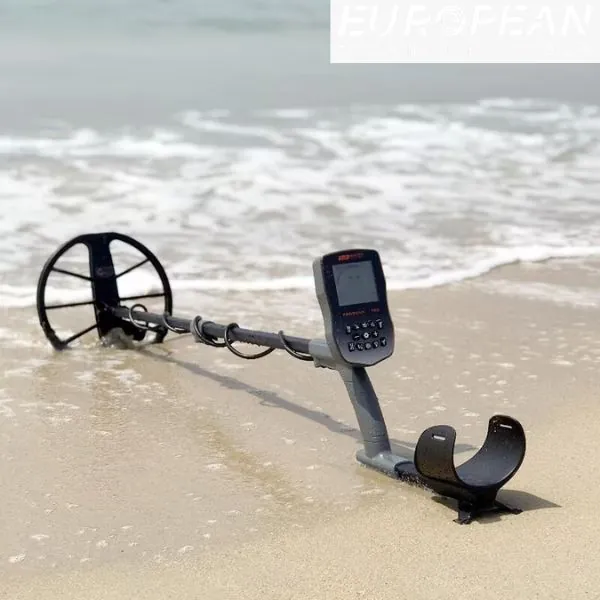
Pulse induction technology sends repeated energy pulses into the ground and is commonly used in difficult mineral conditions. Garrett explains that PI technology can perform effectively in mineral-rich ground and saltwater environments, although the operator must still manage settings and understand the limitations of target discrimination.
For professional buyers, the best technology is the one that matches the target and terrain. A complicated multi-system device is not automatically better than a specialized detector if most of its search systems will never be used.
Buyers working in demanding soil can compare professional Pulse induction detectors alongside other deep detection technologies.
Depth Expectations and Soil Conditions
Detection depth is one of the most misunderstood factors in the detector market.
No responsible seller can guarantee one fixed depth for every target and location. The real detection depth changes according to the target size, metal type, position, soil condition, coil size, selected mode, device settings, electromagnetic interference, and user experience.
A large metal box can usually produce a stronger response than a very small gold nugget buried at the same depth. Similarly, a target positioned flat may generate a different response from a target positioned vertically.
Ground mineralization can also reduce signal stability and make target identification more difficult. Minelab’s technical guidance explains that target signals must be distinguished from mineralization signals and that deeply buried targets may become harder to identify accurately in mineralized ground.
Consider these depth factors before purchasing:
| Factor | Possible effect on detection |
|---|---|
| Target size | Larger targets generally create stronger signals |
| Target metal | Conductivity and composition influence the response |
| Burial position | Target orientation may strengthen or weaken the signal |
| Soil mineralization | Can create noise and reduce identification accuracy |
| Moisture and salt | May affect stability depending on the technology |
| Coil size | Larger coils may improve coverage and depth on larger targets |
| Device settings | Excessive sensitivity may cause false signals |
| Operator skill | Correct sweeping, balancing, and interpretation improve results |
Avoid purchasing from sellers who promise extreme depth without asking about the target size or soil. A trustworthy recommendation should explain the conditions required to achieve the expected performance.
Key Features to Compare Before Buying
A deep gold detector should be evaluated as a complete search system, not only as an electronic control unit.
Start by checking the available search modes. Some devices include specialized modes for gold, non-ferrous metals, cavities, deep targets, or ground scanning. Make sure these modes support your actual objective.
Ground balance is also important. Automatic ground balance can make setup easier, while manual adjustment may provide experienced users with greater control in difficult terrain.
Other important features include:
- Adjustable sensitivity.
- Ground balance options.
- Target identification.
- Audio and visual signals.
- Mineralization indicators.
- Pinpoint or target-centering modes.
- Search depth indicators.
- Data saving and scan review.
- Multilingual menus.
- Rechargeable batteries.
- Operating temperature range.
- Weather or water resistance.
- Software compatibility.
- Device weight and portability.
The display should provide useful information without making field operation unnecessarily complicated. A professional detector with a clear interface can be more practical than a device with many confusing screens and settings.
Battery performance should also be evaluated based on realistic field conditions. Confirm whether the package contains one battery or multiple batteries, how the device is charged, and whether replacement batteries are available.
Accessories, Coils, and Package Options
The package can significantly affect the final value of a detector.
A lower-priced device may become more expensive when essential coils, headphones, chargers, software, or carrying cases must be purchased separately. Always request a complete package list before paying.
Common package items may include:
- Main detector unit.
- Standard search coil.
- Deep search coil.
- Small target coil.
- Wireless or wired headphones.
- Battery and charger.
- Car charging adapter.
- Carrying case.
- Protective screen cover.
- User manual.
- Software license.
- Tablet or smartphone.
- Connection cables.
- Manufacturer certificate.
- Warranty documentation.
Coil size affects search performance. Larger coils can cover more ground and may improve depth on larger targets, while smaller coils are generally easier to control and more sensitive to small targets. Larger coils may also be more affected by mineralization or electromagnetic interference.
Do not assume that the largest coil is always the best choice. The correct coil depends on the target, terrain, trash level, and search depth.
Ask whether optional coils are compatible with the exact model and whether changing the coil requires a software setting or calibration procedure.
Warranty, Training, and Technical Support
A metal detector warranty is an essential part of a professional purchase.
Before ordering, confirm who provides the warranty, how long it lasts, and which components are covered. The control unit, coils, batteries, chargers, tablets, and accessories may have different coverage conditions.
You should also ask:
- Is the detector supplied with an original serial number?
- Is the warranty issued by the manufacturer or seller?
- Where are warranty repairs completed?
- Who pays the shipping cost for a repair?
- Are physical damage and water damage excluded?
- Are software updates included?
- Are replacement parts available after the warranty ends?
Gold detector training is particularly important when purchasing a 3D scanner, multi-system detector, or professional deep search machine.
Training should explain assembly, charging, search modes, ground balance, correct movement, signal verification, software operation, scan direction, data interpretation, and common operator mistakes.
European Technology Group provides educational videos and field-use materials covering device settings, unboxing, coil comparisons, and practical tests.
Technical support should continue after the sale. Buyers may need assistance with software installation, language settings, calibration, replacement parts, or interpreting initial field results.
Worldwide Shipping and Delivery Notes
International buyers should review the shipping process before completing an order.
The company’s published shipping policy states that worldwide shipping from Germany is available to most countries and regions. It also notes that customs duties or local taxes may apply outside the European Union.
Before choosing worldwide shipping detectors, confirm:
- Whether delivery is available to your country.
- Whether the detector contains restricted battery types.
- The estimated processing and delivery period.
- Whether the shipment includes tracking.
- Whether insurance is included.
- Who is responsible for customs clearance.
- Whether local taxes or import duties apply.
- What happens if the package is delayed or damaged.
- Whether the device can be returned from your country.
You can review the Worldwide shipping information before placing an international order.
Ensure that your full name, address, phone number, postal code, and destination details are correct. Errors in the shipping address can cause delays or additional carrier charges.
Price, Payment Plans, and Quote Process
The price of a deep detector depends on the technology, brand, included systems, coils, accessories, training, warranty, and delivery destination.
Instead of comparing only the displayed price, compare the complete purchase value.
A professional package with training, original accessories, warranty, and technical support may offer better long-term value than an inexpensive device from an unknown seller.
Before requesting a detector quote online, prepare the following information:
- Your target type.
- Expected target size.
- Estimated depth.
- Country and terrain.
- Soil mineralization.
- Previous detecting experience.
- Preferred technology.
- Required accessories.
- Delivery country.
- Available budget range.
Providing these details allows the sales team to recommend a more suitable option instead of sending a general list of devices.
Ask whether the quote includes the detector, accessories, warranty, training, taxes, shipping, and payment charges. You should also confirm the accepted payment methods and whether an installment or payment plan is available.
To receive a recommendation based on your search conditions, Request a quote and provide clear information about your project.
Final Buying Checklist and FAQs
Before you Buy Deep Gold Detector equipment, complete this checklist:
- Define the target you want to locate.
- Estimate the target size and possible depth.
- Identify the soil and terrain conditions.
- Select a suitable detection technology.
- Compare search modes and ground balance options.
- Review the standard and optional coils.
- Confirm every item included in the package.
- Verify the manufacturer and device authenticity.
- Read the warranty conditions.
- Confirm training and technical support.
- Review shipping, customs, and delivery terms.
- Request a complete written quotation.
- Avoid guaranteed depth claims without test conditions.
- Choose a detector that matches your experience level.
Frequently Asked Questions
Can a deep gold detector find every type of gold?
No. Performance depends on the type and size of gold, burial depth, soil conditions, detector technology, coil, settings, and user skill. A detector designed for small natural gold may not be the best choice for a large buried treasure target.
How deep can a professional gold detector detect?
There is no single depth that applies to all situations. Large targets may be detected deeper than small targets, while mineralized soil, target position, interference, and incorrect settings can reduce performance.
Is pulse induction suitable for mineralized soil?
Pulse induction detectors are often selected for mineralized soil because they can remain more stable than some traditional technologies. However, the correct model and settings must still be chosen for the search area.
Do I need training after buying a deep detector?
Training is strongly recommended for advanced detectors. It helps the user understand ground balance, scanning procedures, signal interpretation, software, and methods for reducing false results.
Should I choose the detector with the largest coil?
Not automatically. Large coils may provide greater coverage and improved response on large targets, but they can be less sensitive to very small targets and harder to use in mineralized or cluttered locations.
What should a detector package include?
The package should include the detector, appropriate coil, battery, charger, manuals, cables, and warranty documents. Additional items may include headphones, a carrying case, software, a tablet, and optional coils.
Can I order a deep gold detector internationally?
International delivery may be available depending on the destination. Confirm shipping availability, customs requirements, taxes, tracking, insurance, and battery restrictions before payment.
How can I choose the right detector before ordering?
Provide the seller with information about your target, expected depth, soil, terrain, experience, country, and budget. A professional recommendation should be based on these conditions rather than a generic depth claim.
Choosing the correct system requires an honest comparison of technology, field conditions, package value, and after-sales service. When you are ready to Buy Deep Gold Detector equipment, focus on realistic capabilities, professional training, original warranty coverage, and reliable technical support before making your final decision.