

Types of gold detector machine
Choosing the right types of gold detector machine is a critical step for anyone interested in gold prospecting, whether for hobby exploration or professional fieldwork. The variety of technologies, depths, and target capabilities can feel overwhelming at first.
This guide explains the main categories in simple terms, helping you understand how each type works and when it makes sense to use it, while respecting local regulations and responsible detection practices.
Modern gold detection has evolved rapidly over the last decade. Industry estimates suggest that using the correct detector type can improve target recovery efficiency by 30–50% compared to mismatched equipment. That difference often comes down to understanding technology, not price alone.
Types of gold detector machine
Discover the types of gold detector machine that unlock earth’s secrets. Turn simple signals into valuable finds. Begin your adventure today.
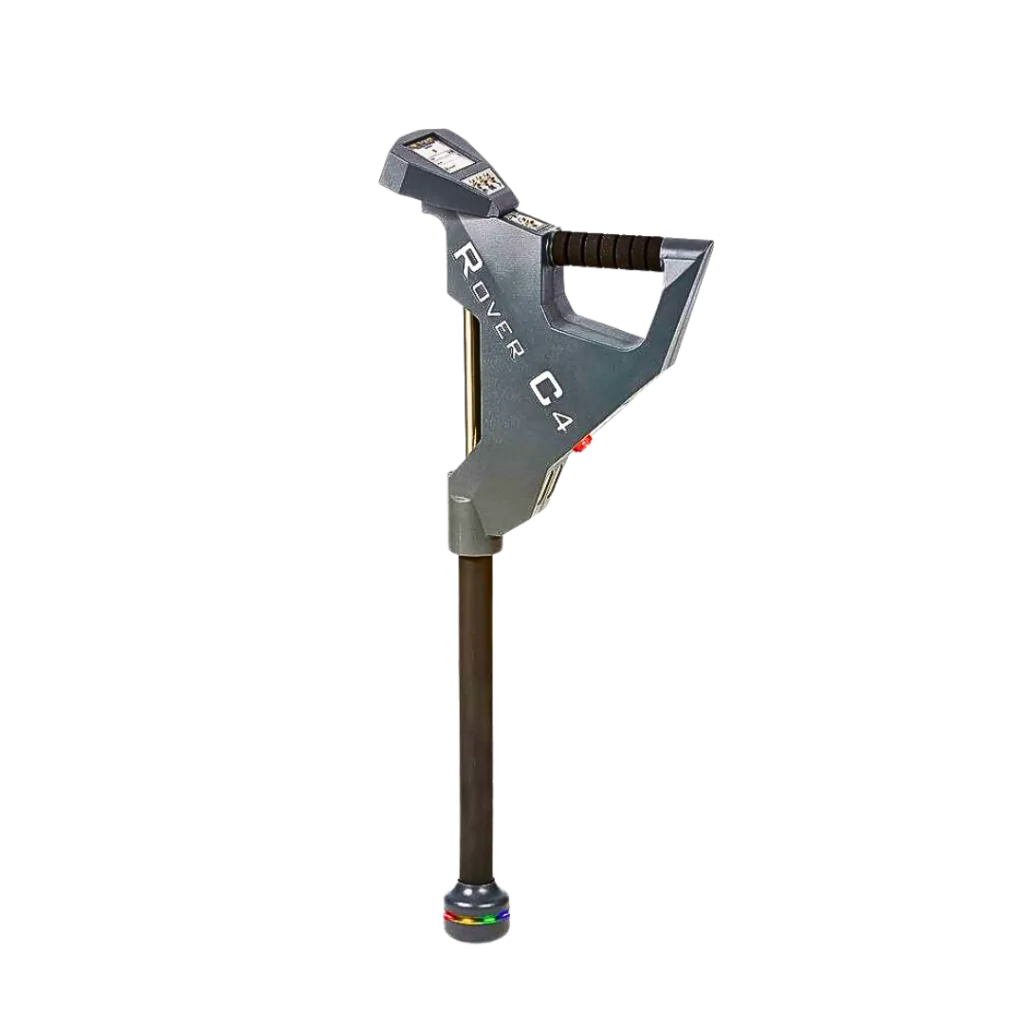
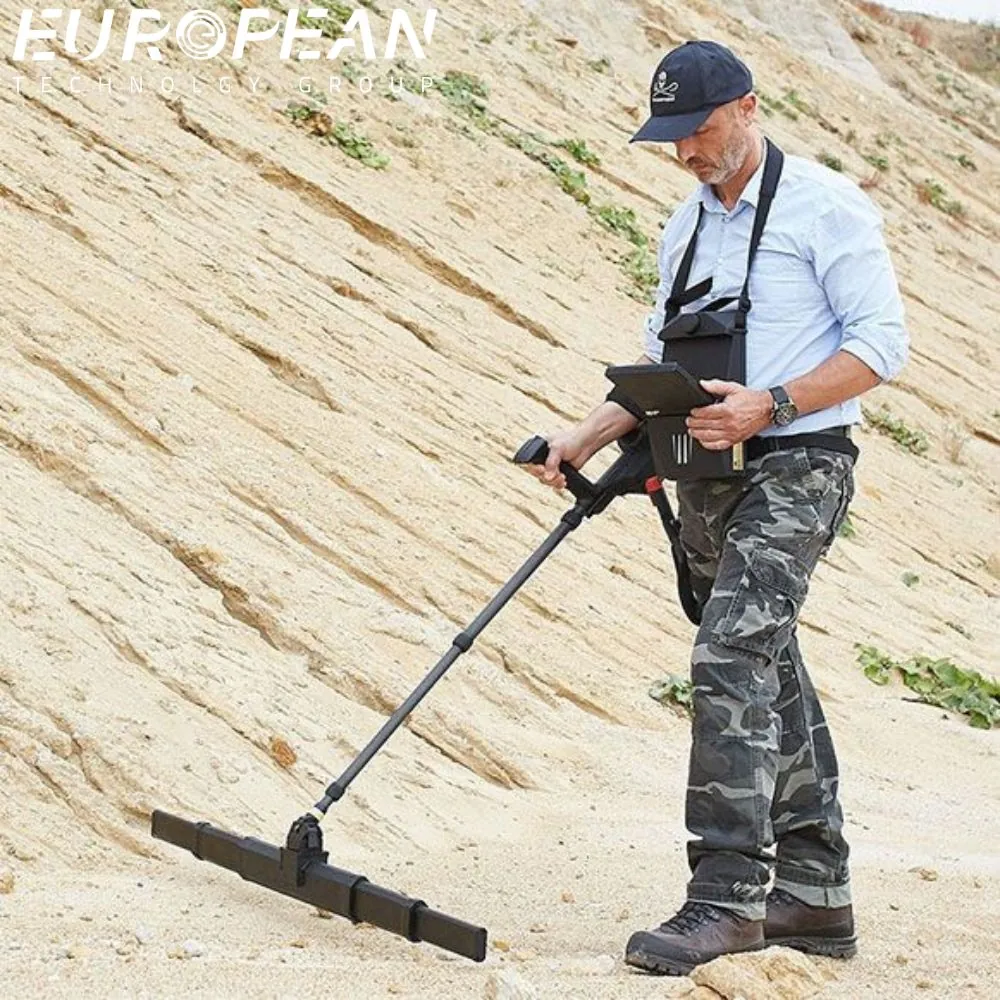
OKM Rover C4 Advanced 3D Gold Detector Scanner
Find Gold, Treasure, and Cavities up to 25 m deep with OKM Rover C4 — the advanced 3D Ground Scanner trus
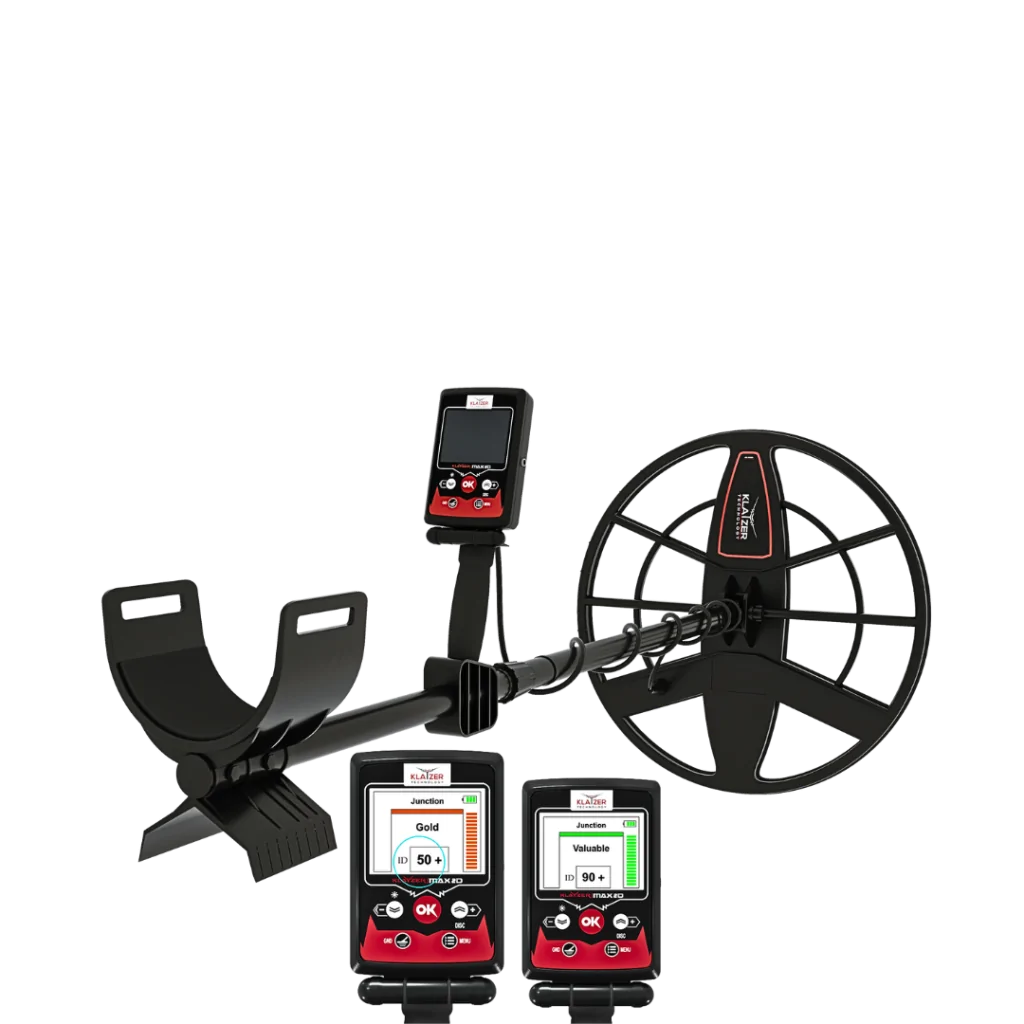
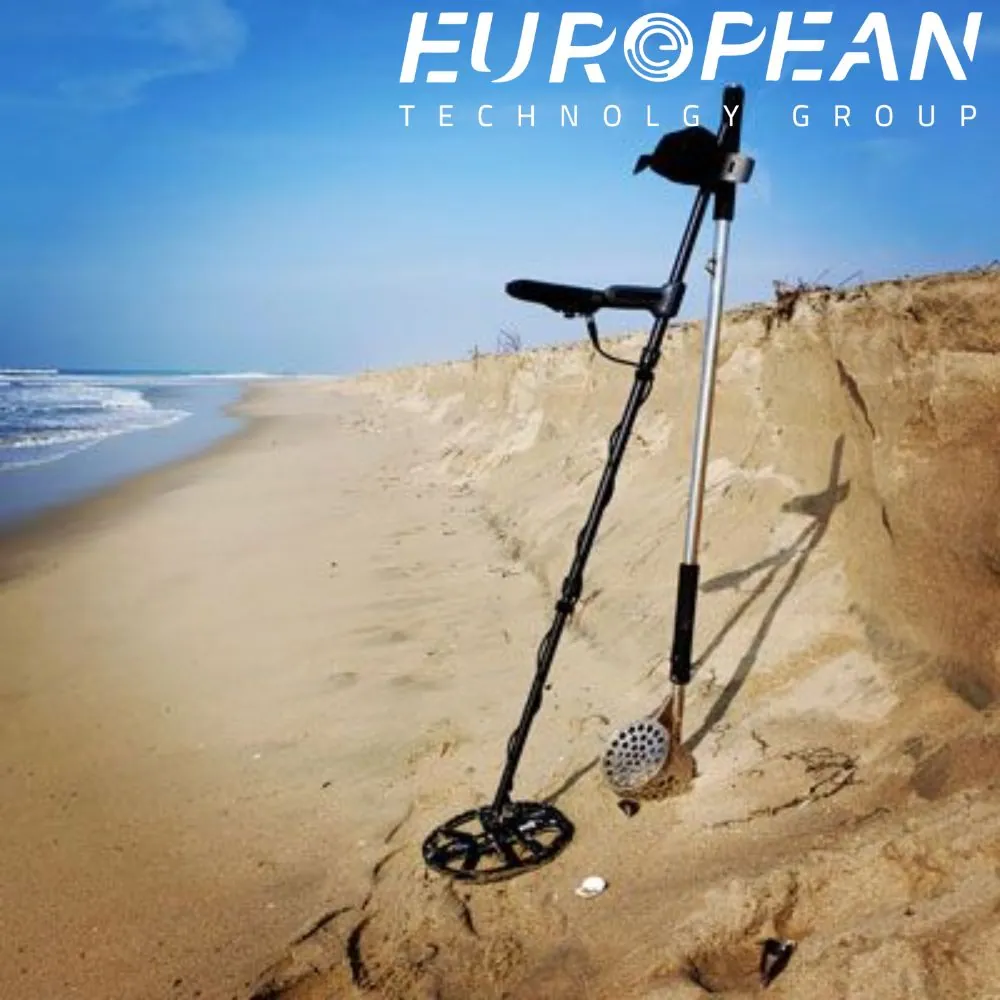
Klayzer Max 2D Advanced Gold Detector Scanner
Unlock hidden treasures with Klayzer Max 2D — one of the best Detectors for gold, silver, and valuable me
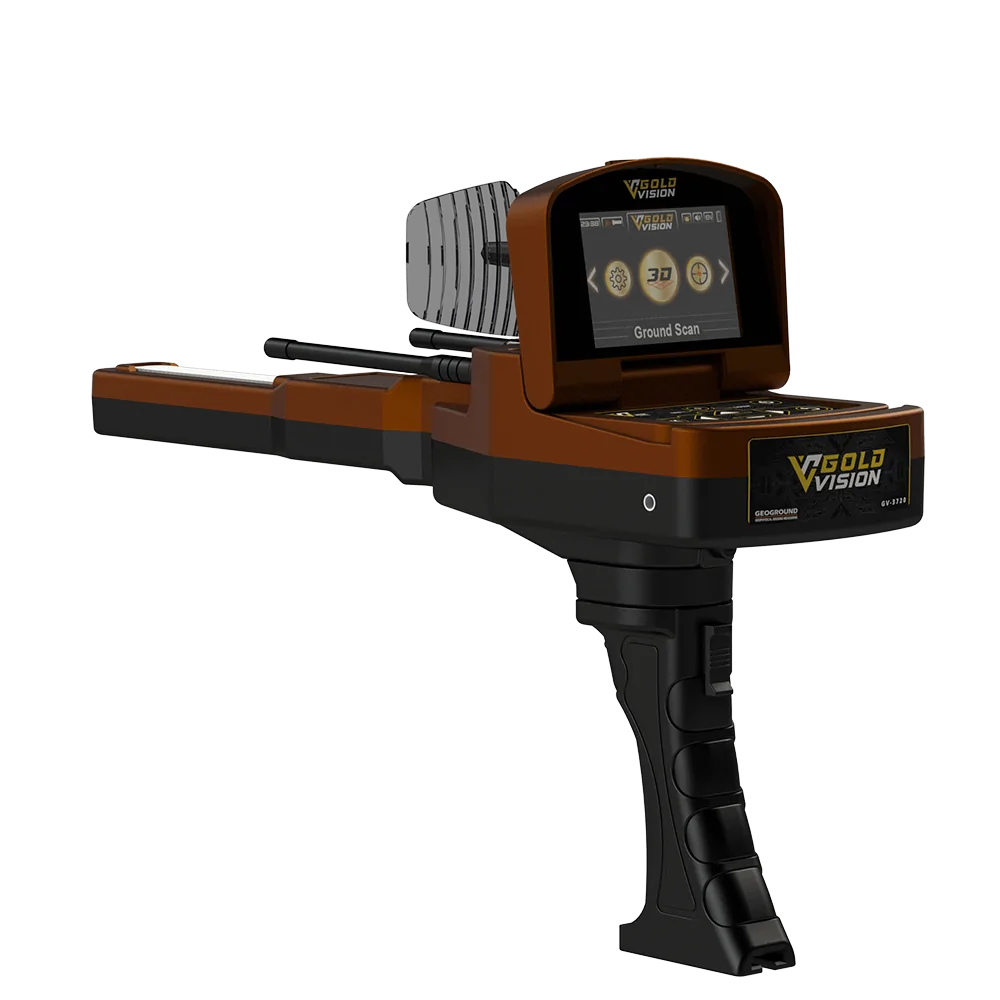
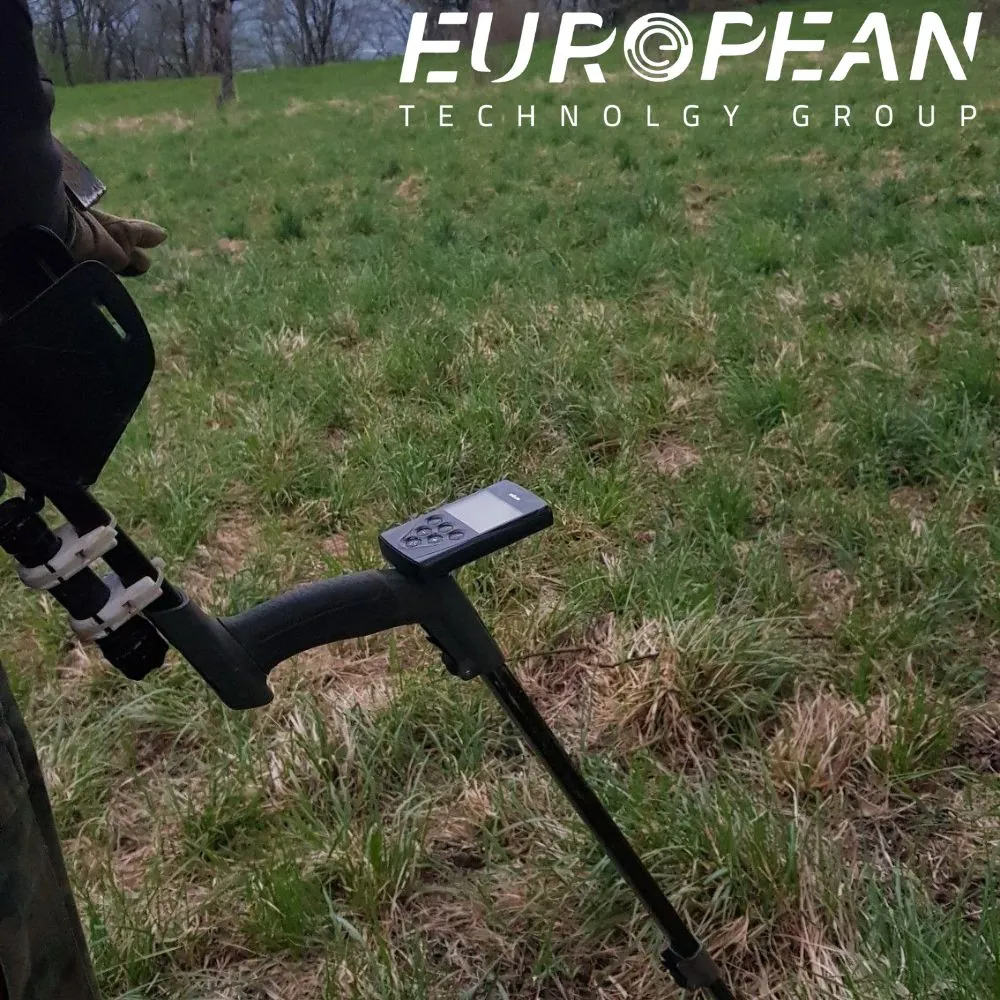
Gold Vision Gold Detector
Gold Vision – professional gold detector with 40 m depth and 3 km range, made in Germany
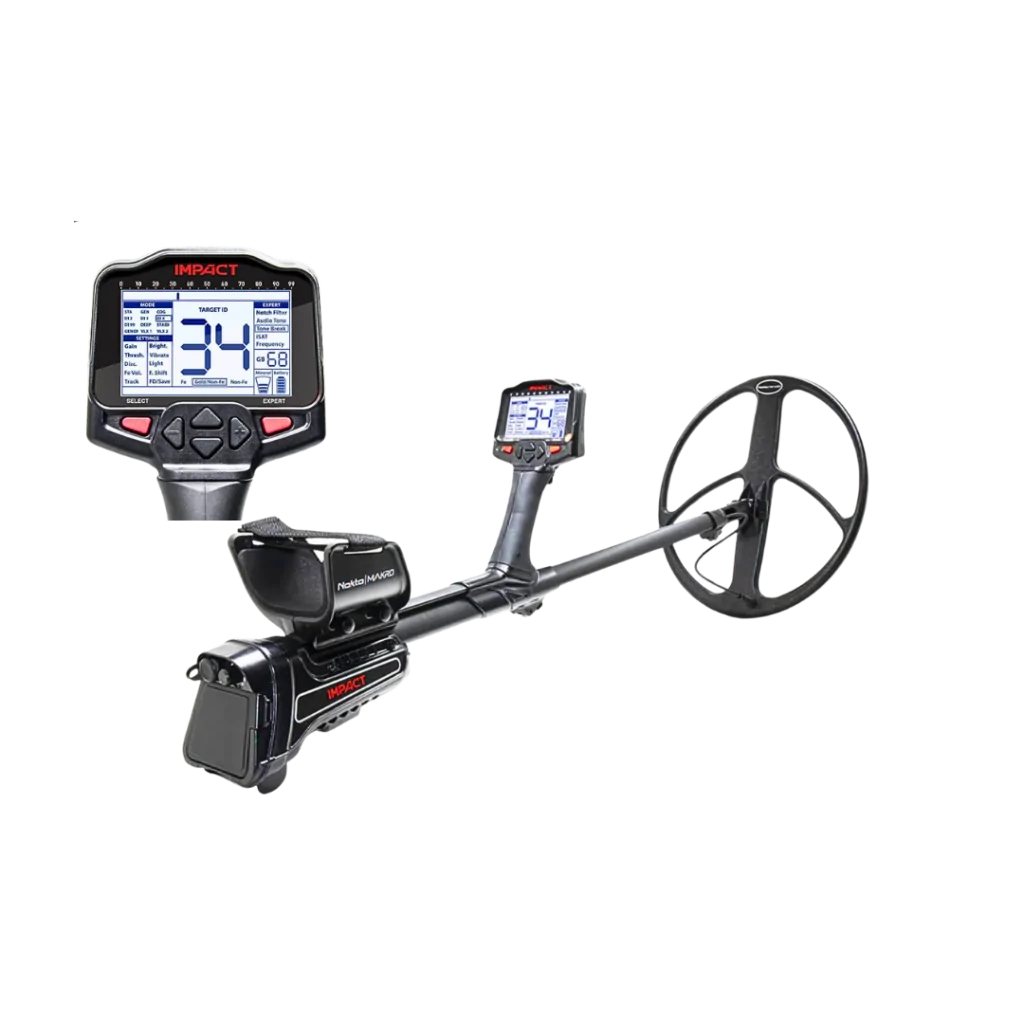
Nokta Impact Pro Multi Frequency Metal Detector
Discover hidden treasures with the Nokta Impact Pro Metal Detector — advanced depth, precision, and versa
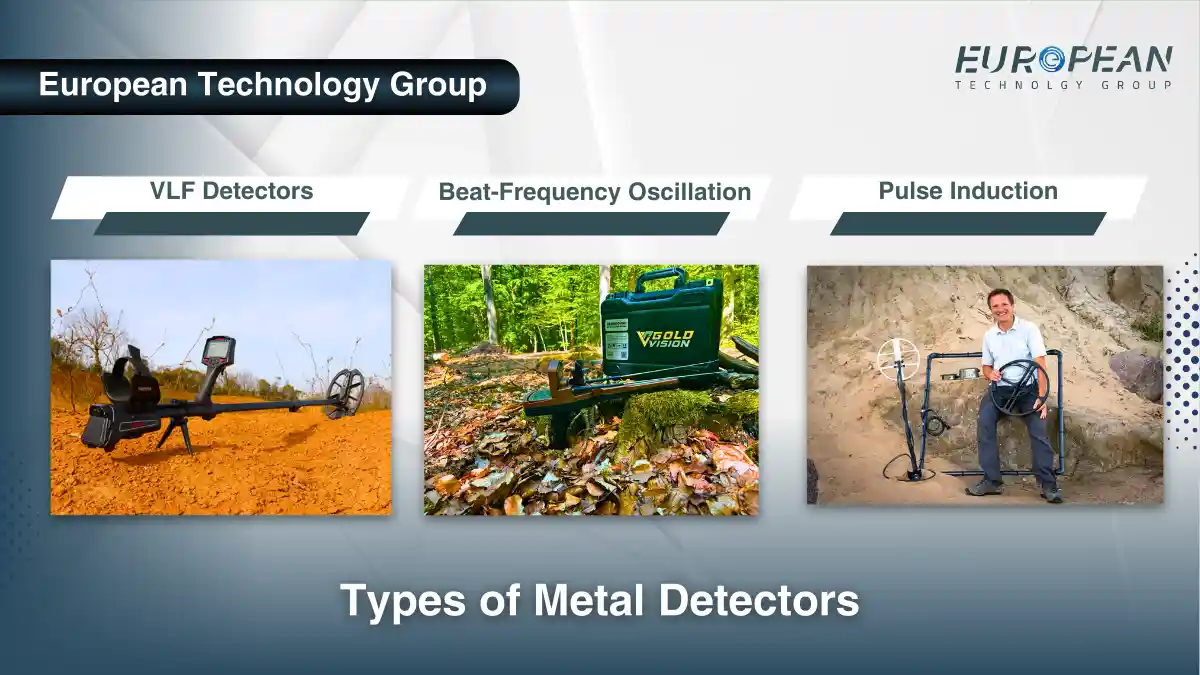
Table of Contents
ToggleBest Types of Gold Detector Machine for Mineralized Soil
The right types of gold detector machine reveal buried treasures. Listen to the ground and find what others miss. Start exploring deeper now.
What Are the Main Types of Gold Detector Machine?
The main types of gold detector machine are classified based on detection technology, depth capability, and intended use. Each category is designed to solve a specific problem, such as mineralized soil, deep targets, or precise metal discrimination. No single machine fits all environments or goals, which is why understanding categories matters more than brand names.
From a practical perspective, gold detector machines fall into four broad groups: VLF systems, Pulse Induction systems, long-range detectors, and 3D imaging detectors. These types differ in how they send signals into the ground, how they handle soil interference, and how accurately they identify gold versus other metals.
How Do Different Types of Gold Detector Machine Work?
At a fundamental level, all gold detector machines transmit signals into the ground, yet their operating principles vary significantly. VLF (Very Low Frequency) systems rely on continuous waves to analyze targets, offering excellent discrimination between gold and iron. This makes them ideal for finding small nuggets in moderately mineralized soils, though they may struggle with ground interference.
In contrast, Pulse Induction (PI) detectors ignore these soil limitations by using powerful magnetic pulses. While PI systems offer superior stability and depth in difficult terrains like deserts, they provide less precise discrimination. Understanding this trade-off—depth versus discrimination—is essential for choosing the right tool.
VLF Gold Detector Machines
VLF, or Very Low Frequency detectors, are among the most widely used systems worldwide. They operate by transmitting a continuous frequency and analyzing changes caused by metal objects. These machines are known for their accurate discrimination between gold and common metals like iron.
VLF detectors work best in low to moderately mineralized soil and are ideal for surface-level gold prospecting. Their main limitation is reduced depth performance in heavily mineralized environments, where ground interference can affect accuracy.
Pulse Induction (PI) Gold Detectors
Pulse Induction detectors use powerful pulses instead of continuous waves. This allows them to ignore much of the mineral interference found in difficult terrains. PI systems are widely used in desert regions and goldfields with challenging soil conditions.
While PI detectors offer greater depth and stability, they typically provide less precise discrimination. This means users may dig more targets, including non-gold metals, which is an expected trade-off for improved penetration.
Types of Gold Detector Machine Based on Technology
Technology-driven classification provides a clearer view of how detectors perform in real-world conditions. For instance, VLF systems excel at high-discrimination tasks for small nuggets, whereas Pulse Induction (PI) units are engineered to penetrate highly mineralized soils for deeper finds.
For professional exploration, Long Range systems provide essential directional guidance across vast areas, while advanced 3D Imaging machines create detailed visual representations of the subsurface. Although these high-tech solutions require skill to interpret, they offer precise insights into cavities and geological formations, significantly reducing unnecessary excavation and optimizing the search process.
| Detector Type | Best Use Case | Depth Capability | Discrimination Level |
|---|---|---|---|
| VLF | Small nuggets, beginners | Shallow–Medium | High |
| PI | Mineralized soil, deserts | Medium–Deep | Medium |
| Long Range | Large, deep targets | Deep | Low |
| 3D Imaging | Professional analysis | Medium–Deep | Very High |
Long Range Gold Detector Systems
Long-range gold detector systems are designed to locate large targets at extended distances. These systems are often used in exploration scenarios where wide-area scanning is required before detailed analysis.
It is important to understand that long-range detectors are not intended for pinpoint accuracy. Instead, they provide directional guidance, which is usually followed by confirmation using another detection method.
3D Imaging Gold Detector Machines
3D imaging detectors use ground scanning technology to create visual representations of subsurface targets. These systems help users distinguish between cavities, metals, and geological formations.
Due to their complexity, 3D imaging machines are typically used by professionals. They require training and interpretation skills but offer detailed insights that can reduce unnecessary excavation and time loss.
Which Type of Gold Detector Machine Is Best for Beginners?
For beginners, selecting among the types of gold detector machine should prioritize ease of use, stability, and learning potential rather than maximum depth. Starting with overly complex systems can lead to confusion and frustration.
A beginner-friendly detector usually combines simple controls with reliable discrimination. This approach allows users to build experience gradually while avoiding unnecessary digging.
Before making a decision, consider these practical points:
- Ease of setup and calibration
- Clear target identification signals
- Availability of user support and training resources
- Compatibility with local soil conditions
Types of Gold Detector Machine for Professional Prospectors
Professional prospectors often operate in demanding environments where precision and depth matter. For them, advanced types of gold detector machine provide customization options, manual ground balance, and higher detection power.
Professionals typically choose machines based on specific goals, such as deep gold veins or mixed-metal exploration. Combining multiple detector types in one workflow is common, improving accuracy and reducing risk.
Field data suggests that professionals using hybrid detection strategies can reduce false signals by up to 40%, saving time and operational costs over extended surveys.
How to Choose the Right Type of Gold Detector Machine for Your Needs
Choosing the right detector starts with defining your objective. Whether your focus is small nuggets, deep gold, or general metal detection, clarity at this stage prevents costly mistakes later.
Environmental factors also play a significant role. Soil mineralization, terrain type, and target depth expectations should guide your decision more than marketing claims.
A practical decision framework includes:
- Defining the target type and size
- Assessing soil and terrain conditions
- Matching technology to experience level
- Balancing budget with realistic expectations
Common Mistakes When Choosing a Gold Detector Machine
One frequent mistake is overlooking specific soil conditions. Highly mineralized environments can render standard detectors ineffective, regardless of price or brand. Beginners often select sensitive VLF units for iron-rich ground, resulting in constant false signals rather than valuable finds. Another critical error is focusing solely on advertised depth claims while ignoring physical limitations.
In reality, detection depth varies widely depending on target size, soil composition, and operator skill. Misunderstanding these variables often leads to unrealistic expectations and eventual dissatisfaction. Success requires looking beyond marketing hype to choose a device that truly matches the terrain and your actual experience level.
FAQs About Types of Gold Detector Machine
Can one gold detector machine detect all metals?
Most gold detector machines can detect multiple metals, but their sensitivity and discrimination vary. Some systems prioritize gold detection, while others are designed for broader metal identification.
Are expensive gold detectors always better?
Not necessarily. Performance depends on suitability for the environment and user skill. An appropriate mid-range detector can outperform a premium model if it matches the conditions better.
Which detector works best in mineralized soil?
Pulse Induction detectors are generally more stable in mineralized soil. They reduce ground interference, making them a common choice in challenging terrains.
Conclusion: Choosing the Right Types of Gold Detector Machine
In the end, selecting the right types of gold detector machine is about matching technology to purpose, not chasing specifications. Studies from the metal detection industry suggest that informed equipment choices can increase successful detection rates by over 35% while reducing unnecessary excavation.
- Match detector type to soil and target
- Start simple, then scale with experience
- Combine technologies for professional work
If your goal is to explore gold detection with confidence and long-term value, working with experienced providers like European Technology Group can support informed decisions and responsible use. Take the next step thoughtfully, compare options carefully, and choose a detector that grows with your experience rather than limiting it.