





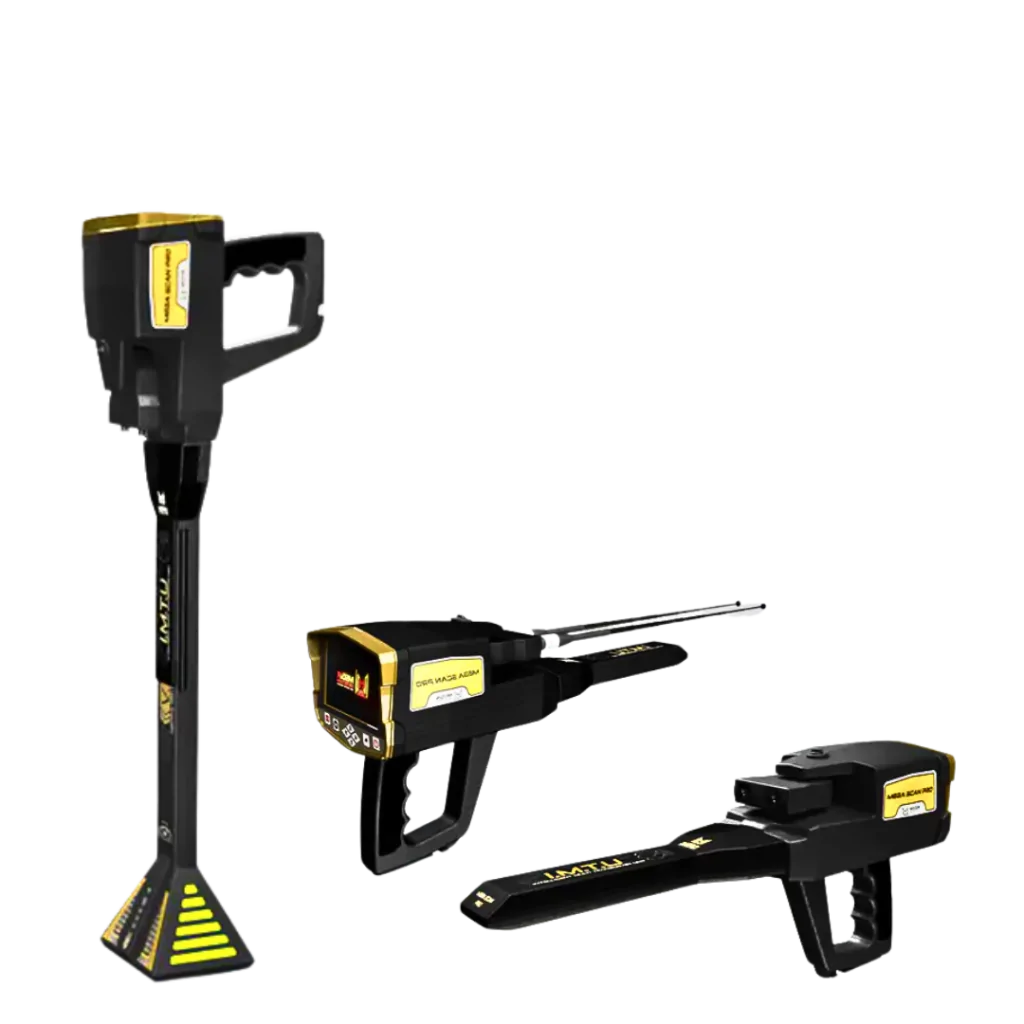
Mega Scan Pro Professional Gold Detector Scanner
Mega Scan Pro detects gold, silver & cavities at extreme depths. New Edition with 6 technologies &
3D Ground Scanner Detectors
objects and underground structures at remarkable depths — far beyond the limits of standard metal detectors like VLF or pulse induction models. These advanced 3d gold scanner detector and 3d ground scanner systems allow users to detect large metal deposits, hidden chests, ancient ruins, and even underground utilities with impressive precision. Whether you're looking for the best 3d ground scanner or a reliable geo sensitivity scanner, these tools are among the best metal detectors for professionals, archaeologists, and geophysical experts who need clear insight into what lies below before excavation begins. Popular models like the ks900 gpr, gr4 3d ground scanner, and deep 3d max metal detector offer cutting-edge performance, while affordable below ground scanners make this technology accessible to more users. The gr 4 detector and other top-tier ground scanner devices are considered the best gpr scanner options available today.
However, their advanced technology comes with a higher cost, a steeper learning curve, and sensitivity to ground mineralization. Successful operation requires understanding the software and accurately interpreting the 3D images these deep ground detectors produce.
Frequently Asked Questions
Generally, no. Imaging systems are designed for large, deeply buried targets. They excel at finding treasure chests, large caches, and ancient structures, not small, individual items close to the surface.
The depth varies significantly based on the model and ground conditions. High-end professional systems can detect large objects at depths of 10 meters (33 feet) or more in ideal soil, but typical depths are often between 2 and 5 meters.
They perform best in low-mineralized, non-clayey soil. Highly mineralized ground or areas with a lot of clay can interfere with the ground-penetrating radar signals, reducing their effectiveness and requiring more advanced filtering.
Not really. They require a significant amount of practice and knowledge to interpret the data correctly. Misreading the images can lead to wasted time and effort. It's recommended to start with training and thorough study of the user manual.


